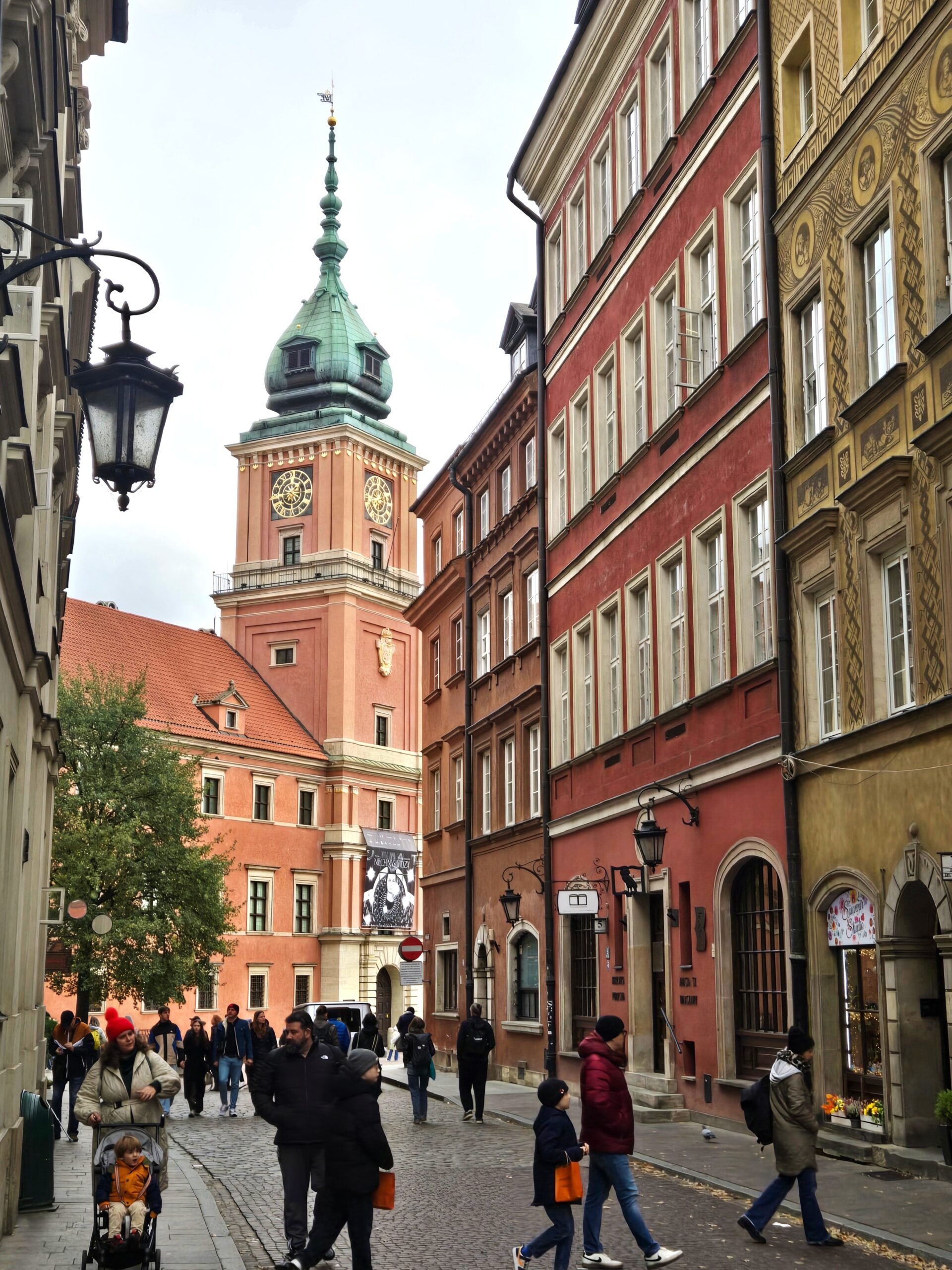
Warsaw
Today is laundry day so before we stroll off to see the city sites, time for a little washing. Not very interesting writing but something that has to be done. Besides, trying to figure out how to use a foreign washing machine can be a real challenge. This one, luckily, was easy to figure out since there was an option to see the instructions in English.
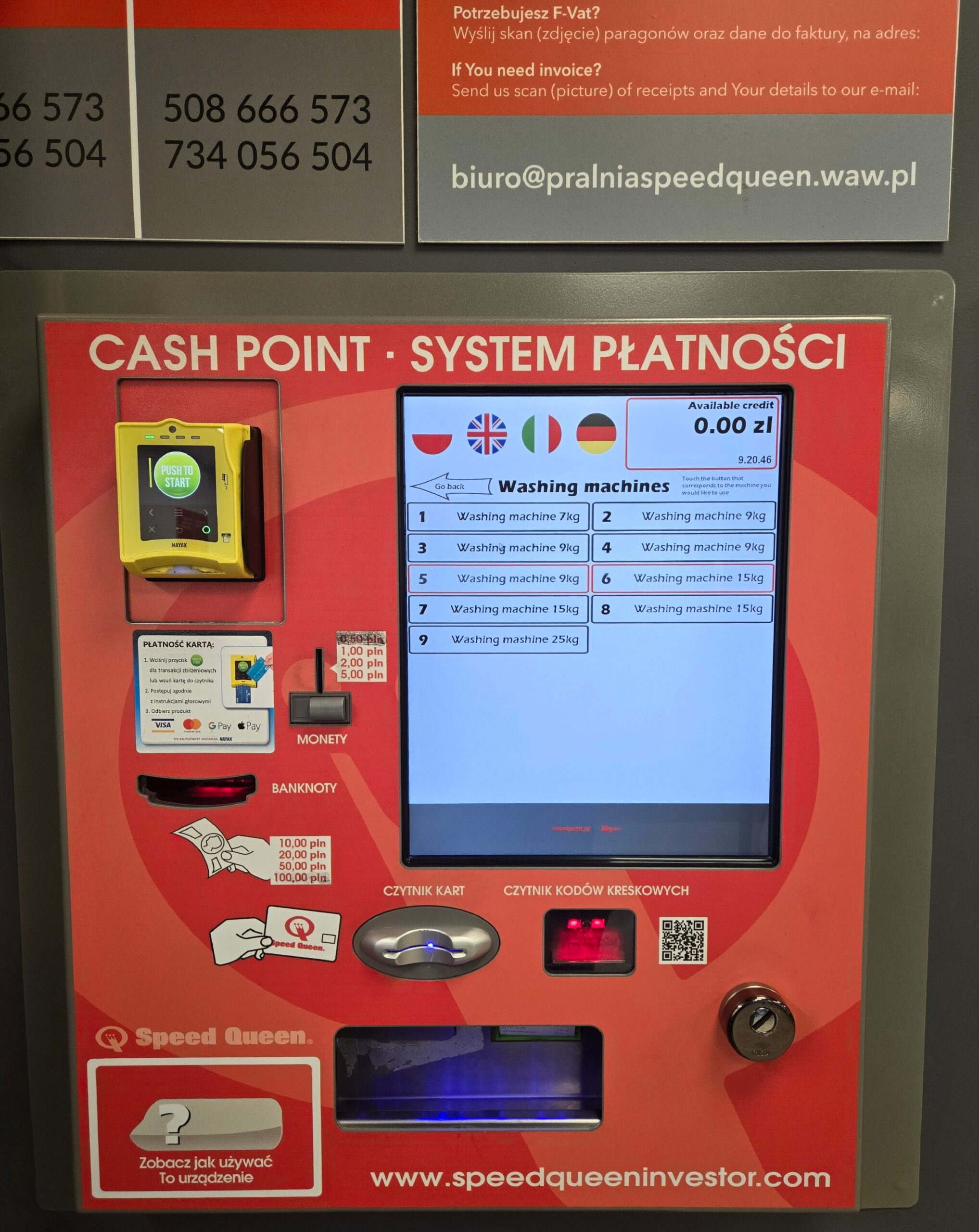
Takes your money in multiple languages

The grueling task of laundry…
About $20 and 1 hour later, back to the hotel to drop off our clothes and then explore the city. The city has an Old Town sector that is about 20 minutes from the hotel so we’ll save that for last. First, we’re going to look for the marker of the WW2 ghetto.
But before all that, how about a little background on Warsaw. Warsaw is notable among Europe’s capital cities not for its size, its age, or its beauty but for its indestructibility. It is a phoenix that has risen repeatedly from the ashes of war. First, we have major damage during the Swedish and Prussian occupation of 1655–56. It was again nearly demolished in 1794 when the Russian army massacred the population of the right-bank suburb of Praga. And, in 1943, after the Warsaw Ghetto Uprising failed, Adolf Hitler ordered the city “wiped off the map”. He wanted to make Warsaw an example for other countries where resistance activities were occurring. The Ghetto was emptied of all remaining Jews (sent to extermination camps or murdered in the ghetto) and the buildings completely demolished. Then again in 1944 another failed uprising, this time in an area controlled by the Germans, resulting in the removal of the remaining population and the buildings were systematically reduced to rubble by fire and explosives.
At the end of WW2 in 1945, people returned to the city where it resumed its role as the capital of Poland and the country’s center of social, political, economic, scientific, and cultural life. Many of the historical streets, buildings, and churches have been restored exactly according to their original forms.
After WW2, Poland became the Polish Peoples Republic, a socialist republic that was not part of the USSR, but controlled by them. That lasted until 1990. Long story short, a man named Lech Walesa, an electrician working in the shipyards, after many years of organizing, campaigning, and resisting the Communist government, became the first democratically elected president in Poland.
So, our touring of Old Town will be mostly of a few remains of ancient buildings that have been rebuilt. Some of this is a bit of “Ship of Theseus” theory, but still worth seeing. (The Ship of Theseus was rebuilt so many times using new materials that eventually, there was nothing original on the ship. So, is it still an ancient ship?)
Now, off to find the ghetto markers. There are small portions of the wall remaining but we decided to find the markers instead.
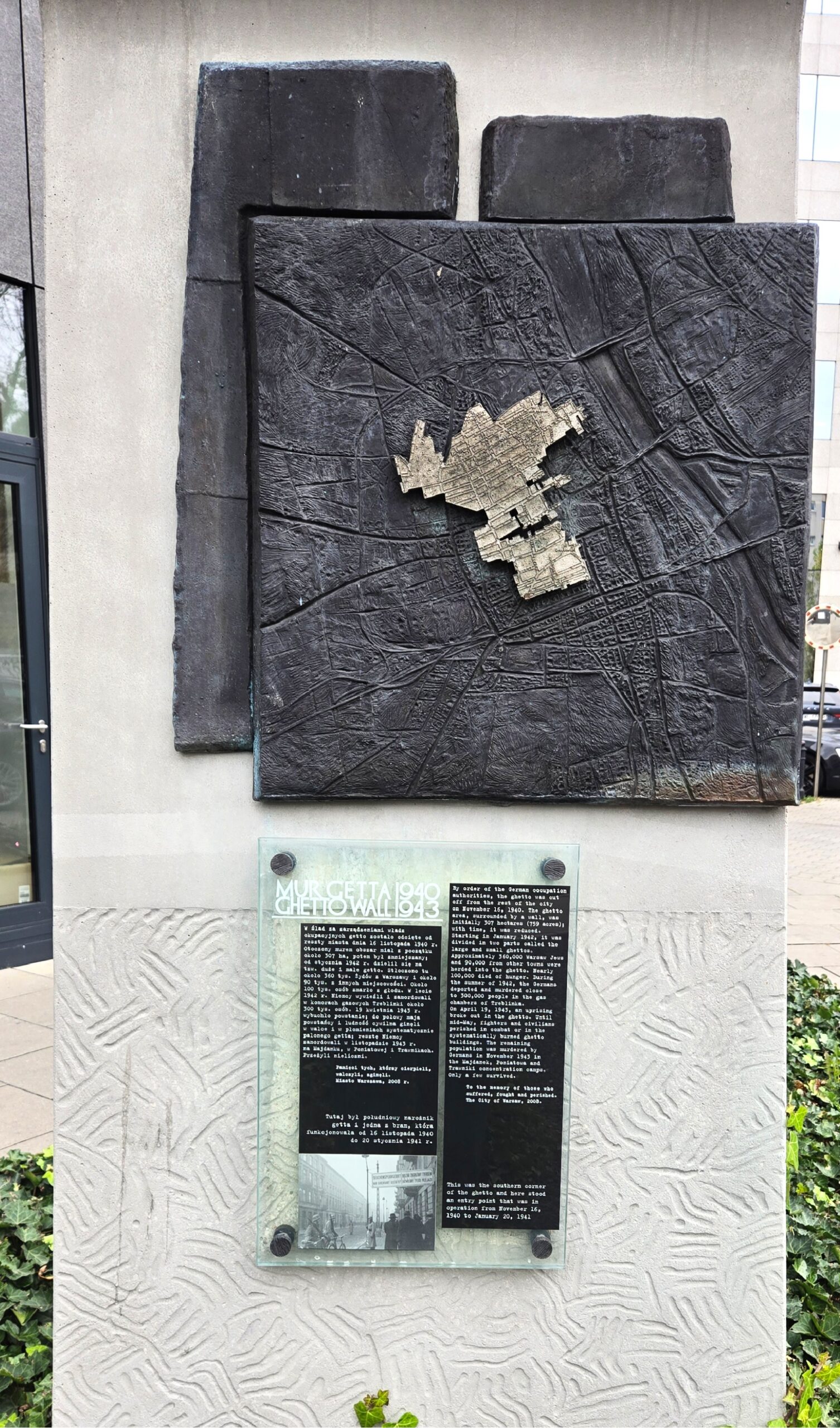
Ghetto wall memorial
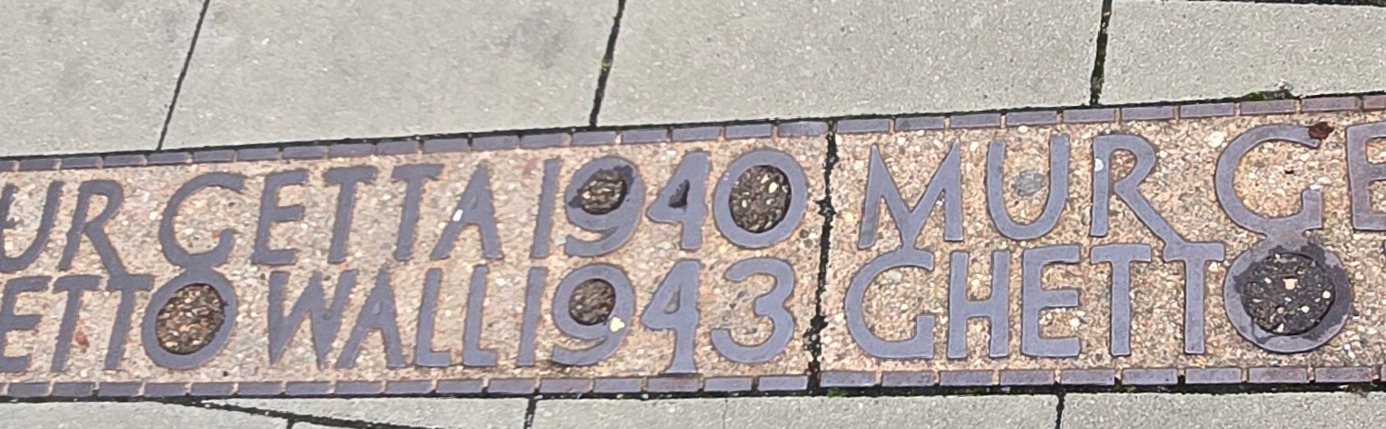
Wall marker
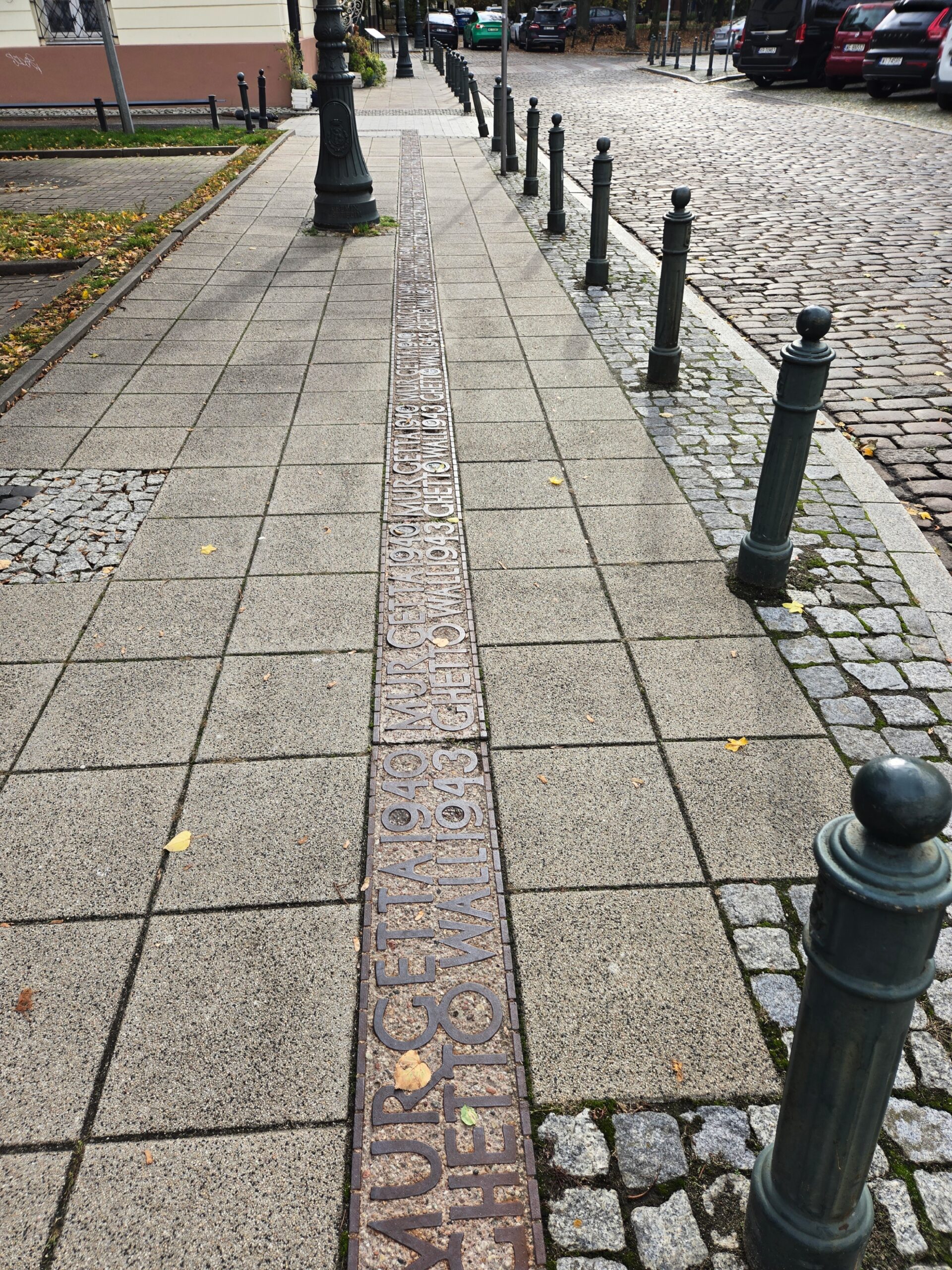
Wall marker
On 2 October 1940, Ludwig Fischer, Governor of the Warsaw District in the occupied General Government of Poland, signed the order to officially create a Jewish district (ghetto) in Warsaw. It was to become the largest ghetto in Nazi-occupied Europe. All Jewish people within Warsaw had to relocate to the ghetto by 15 November 1940. If found outside the walls after this date, or if they tried to escape, they would receive the death penalty.
The population of the ghetto grew rapidly. On 15 November, the day the ghetto was sealed, the population was ~138,000 people. By April 1941, 5 months later, the population was ~460,000 people, approximately 146,000 per square kilometer. 8 to 10 people per room was the norm with numbers sometimes exceeding 12-14 people per room.
These extreme living conditions, and the fact that German officials deliberately withheld food and medicine from the ghetto, resulted in the spread of disease (typhus) and starvation. By July 1942 over 90,000 people had perished.
On 21 July 1942, the Nazis began ‘Operation Gross-Aktion Warsaw’ by deporting Jews to Treblinka II. By October 1942, the population of the Warsaw ghetto was recorded as 35,639 people. More than 424,300 people had been exterminated within 3 months!
On 19 April 1943, the surviving Jews attempted a revolt. The Ghetto Uprising was quickly put down by Nazi troops resulting in the deaths of over 56,000 Jews. How did the number grow from 30,000 to 56,000? There were close to 30,000 people in hiding within the ghetto. At then end of the uprising, the ghetto was completely destroyed, leveled by the Nazis, resulting in the deaths of all remaining Jews. By mid-May 1943, the ghetto ceased to exist.
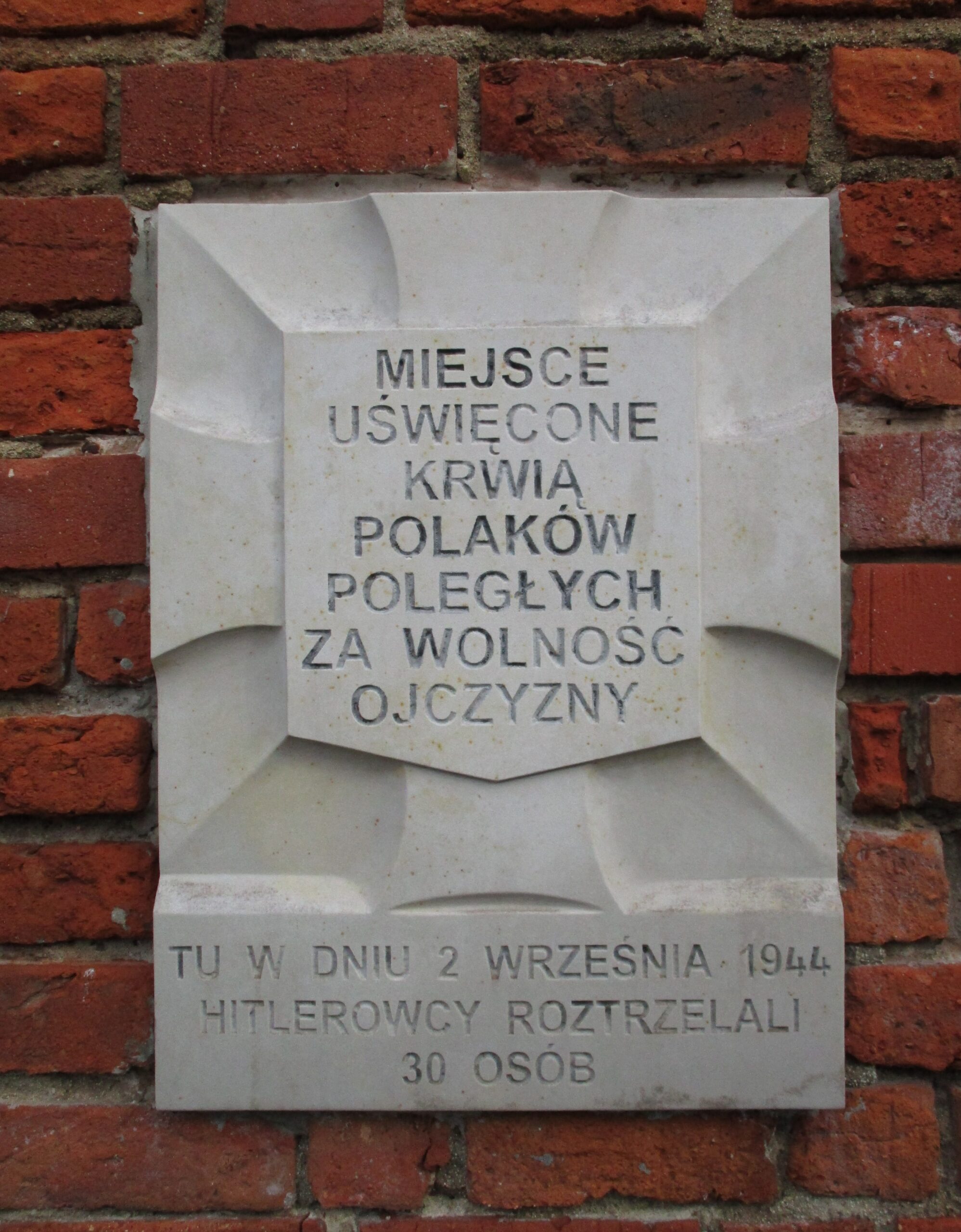
Reads: A Place Sanctified By The Blood of Poles Who Fell For The Freedom Of Their Land Here On September 2, 1944 The Nazis Shot 30 People
Warsaw today is a vibrant metropolis. Home to over 1.8 million people, where the main industry is professional & business services (IT, Finance). Tourism accounted for approximately 21 million visitors in 2023.
On our walking tour we’ll check out the reconstructed Royal Castle. Remember that 1944 uprising that pissed off Adolf. The Royal Castle was one of the victims of his rage; completely demolished. It was reconstructed between 1971-1984 and made a UNESCO World Heritage site in 1980.
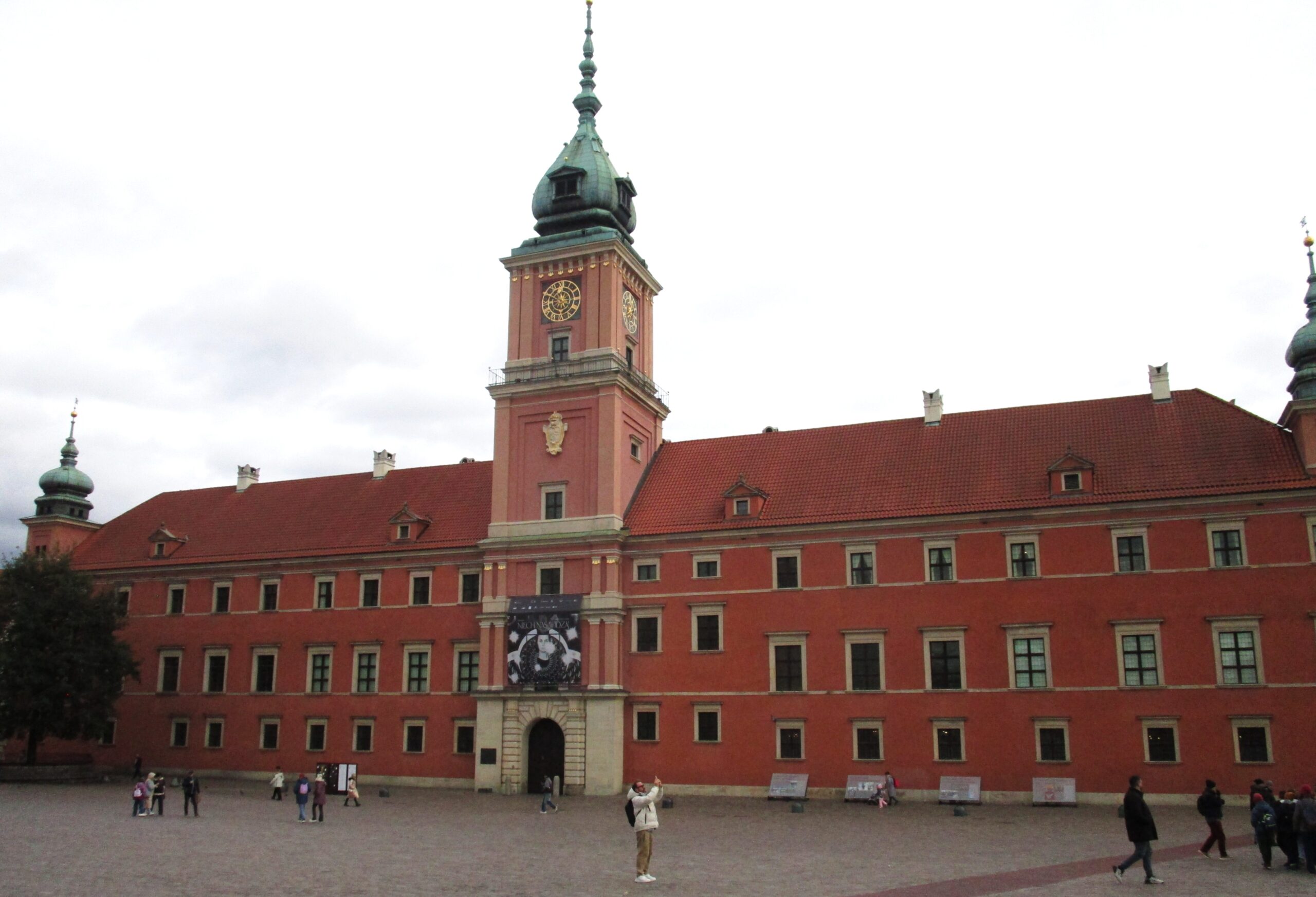
Reconstructed Royal Castle (Sorry, no pics inside)
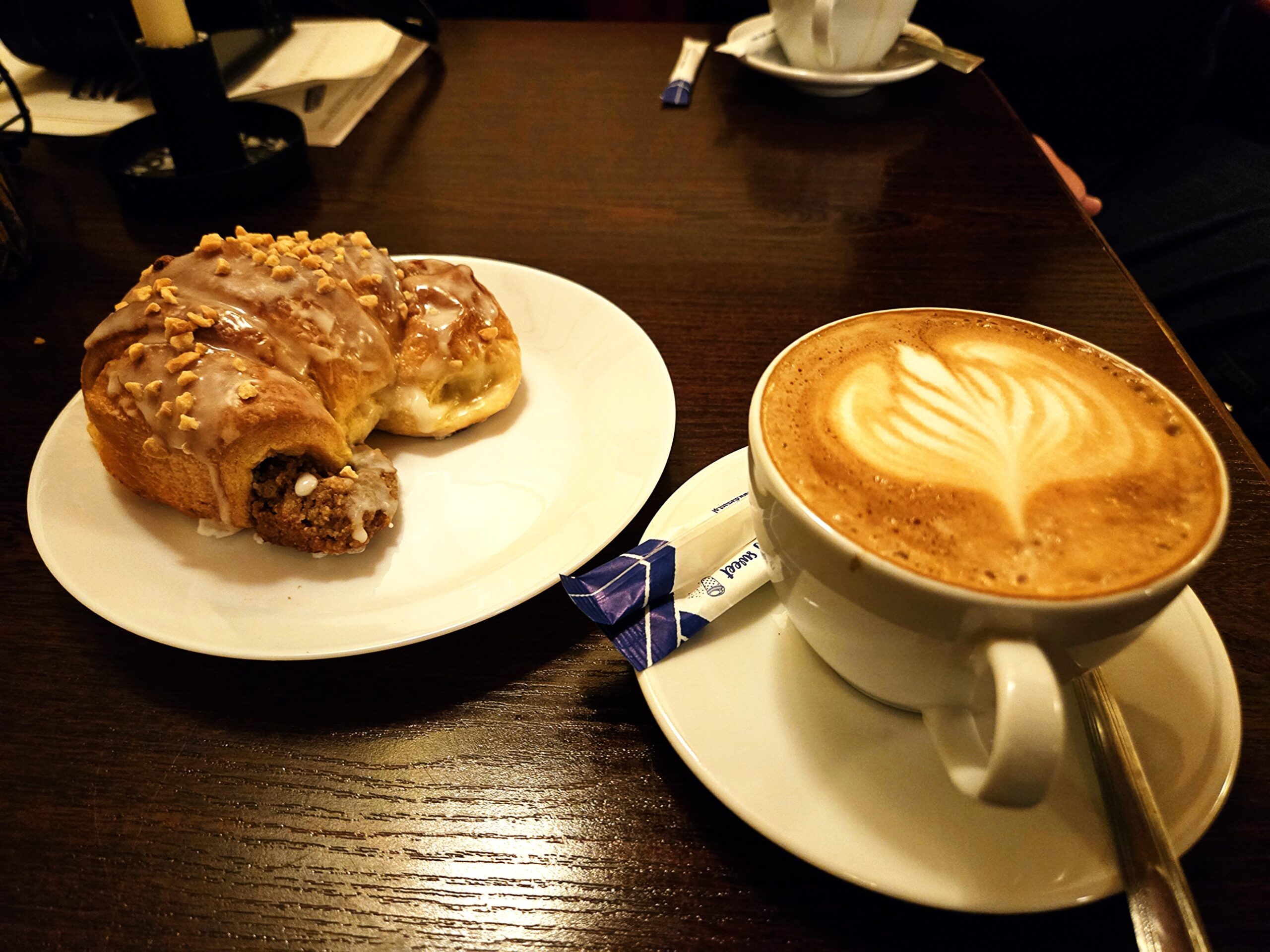
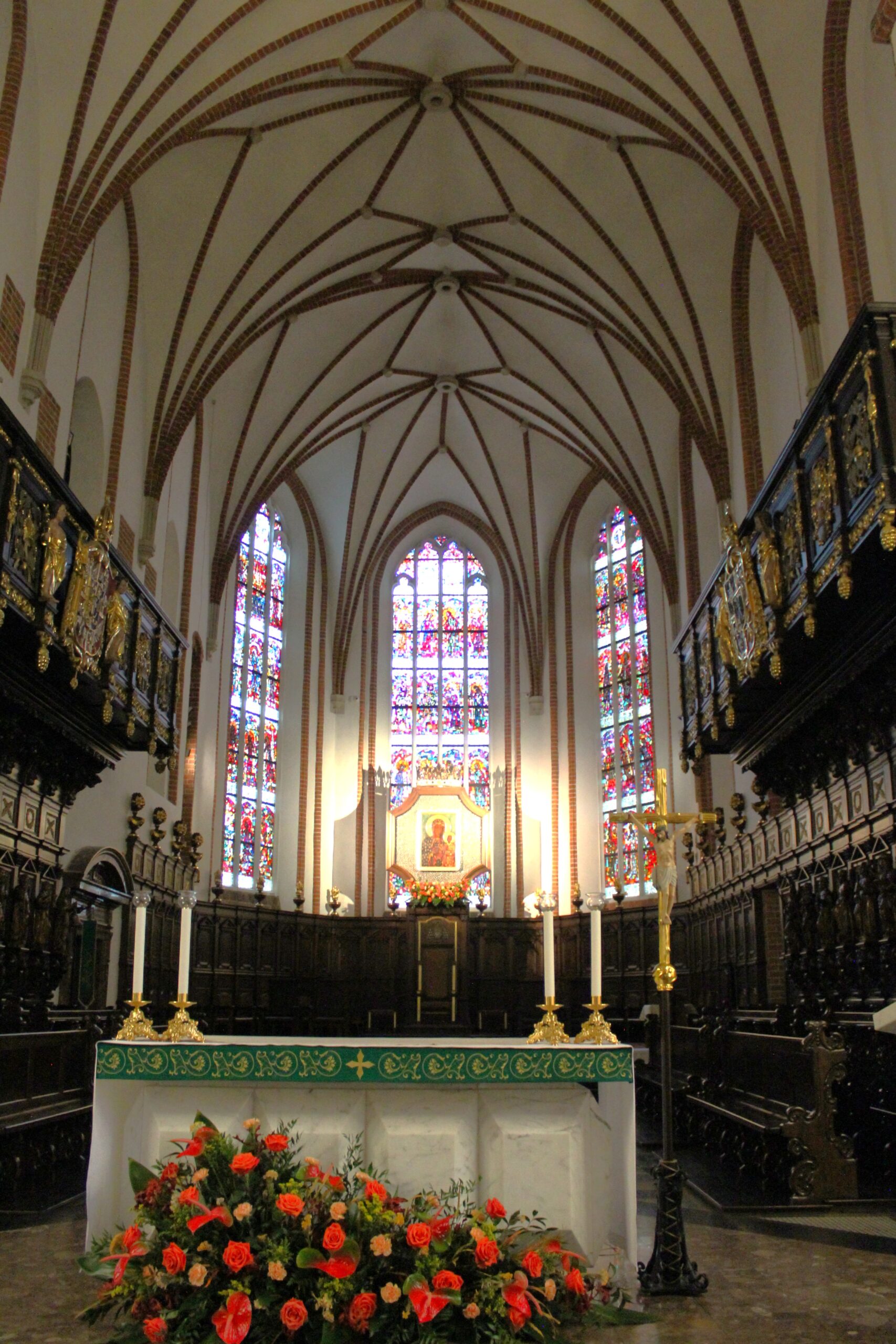
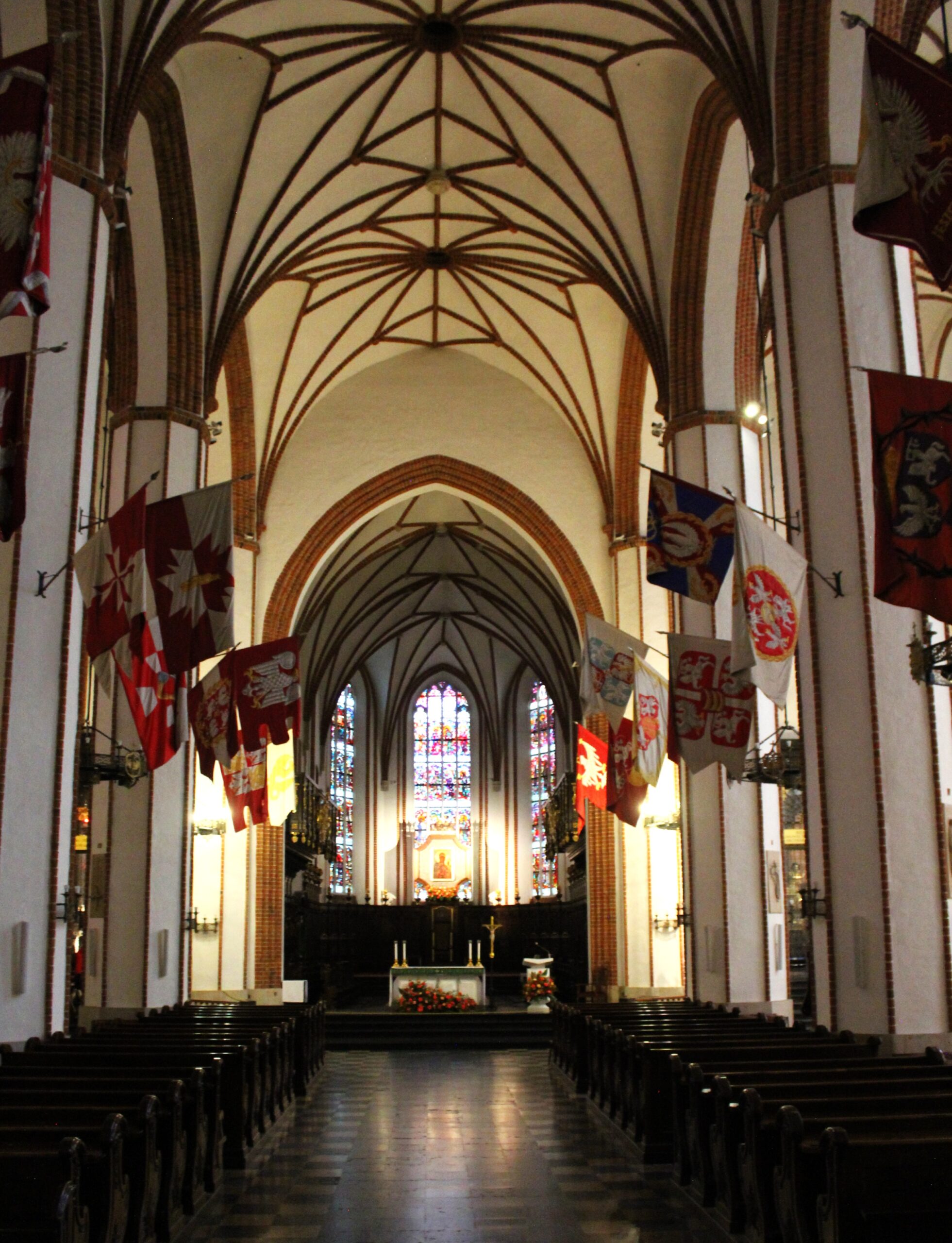
After a nice pastry and coffee, we get back to touring and St. John’s Archcathedral (the mother church of an archdiocese led by an archbishop). The Archcathedral was 90% destroyed after the 1944 uprising but reconstructed from 1947-1954.
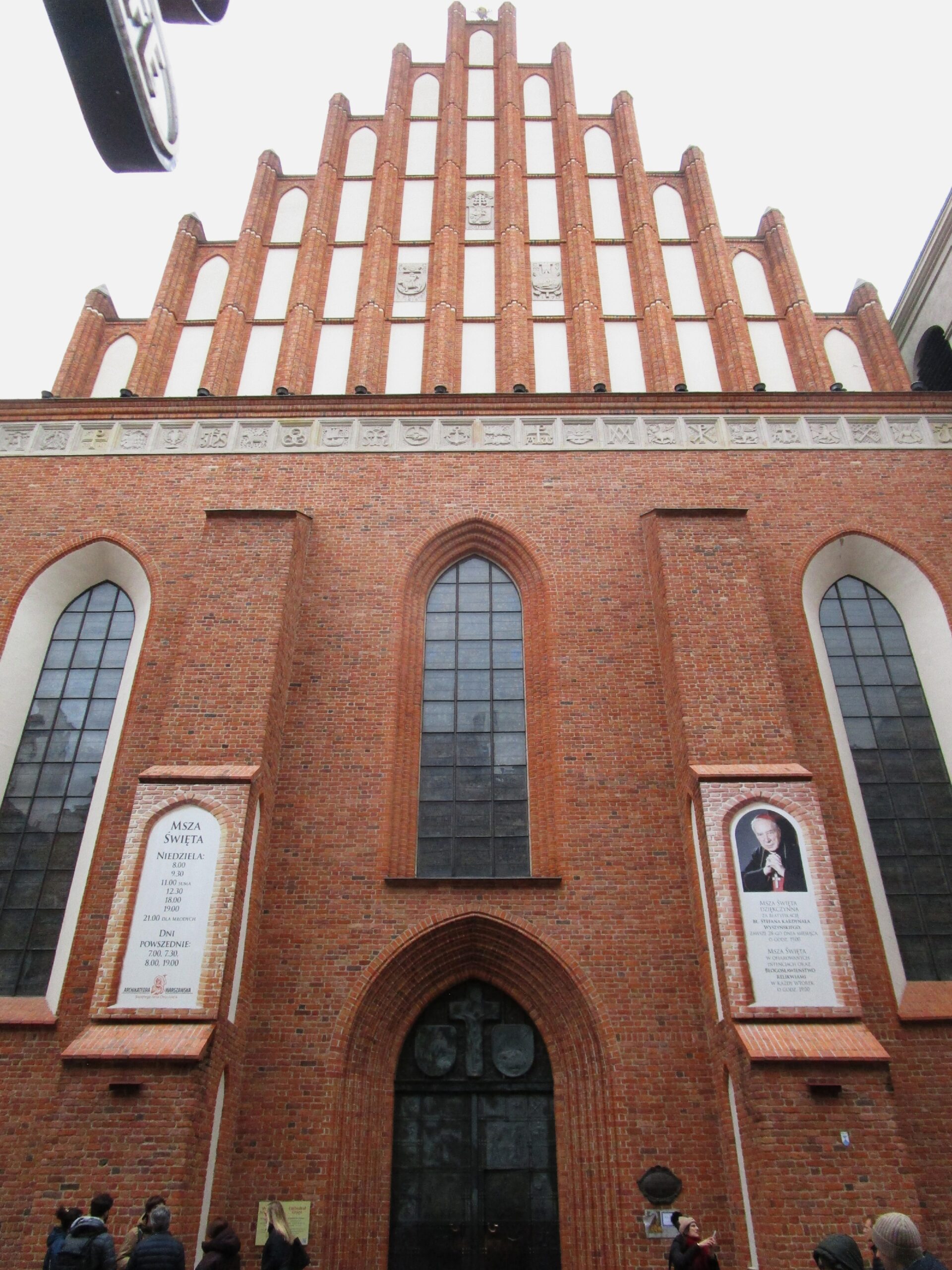
St. John’s Archcathedral
 Warsaw also has the ruins of a barbican. This original structure that stretched around the entire city, was mostly destroyed during the uprising of 1944. The first wall was started in the 14th century to protect the new city of Warsaw. Later, around the 16th century, another outer wall was added to create a zwinger between the two walls. The outer wall was also protected by a moat. None of this worked. During the Swedish attack in the 17th century, the town surrendered rather than fight. Today, the reconstructed barbican is a UNESCO World Heritage site.
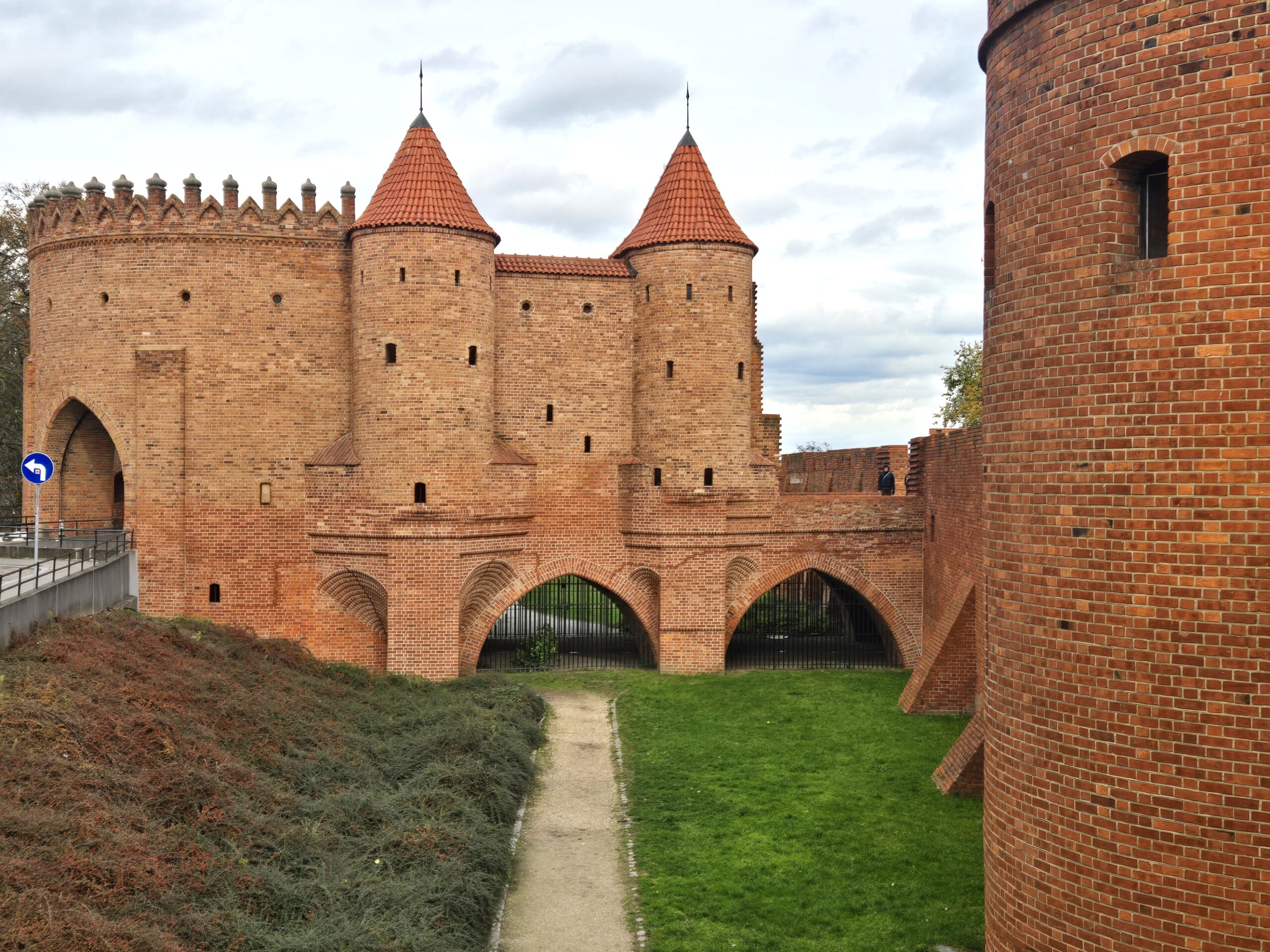
Barbican
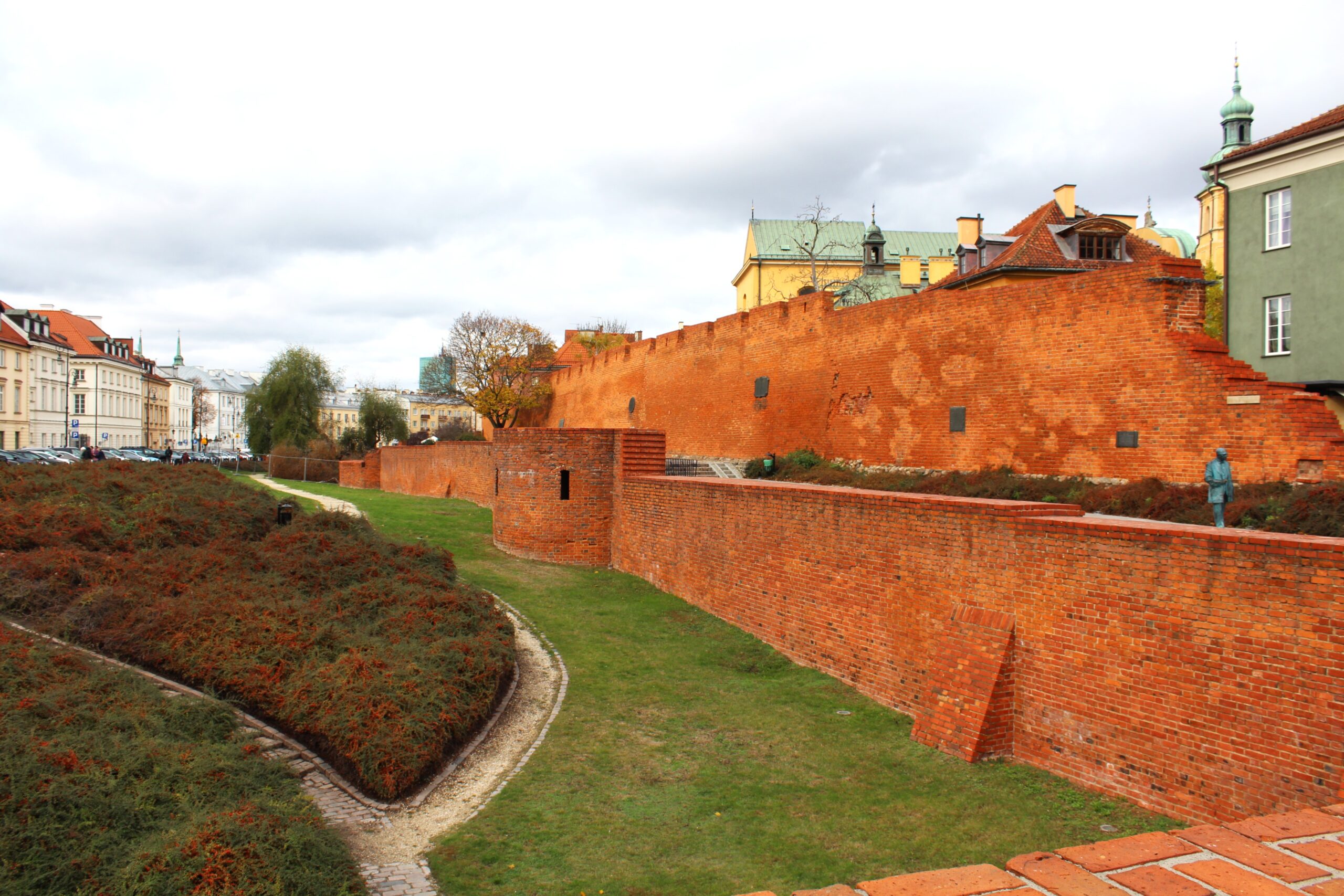
Outer wall
Our last stop was the Uprising Museum. Unfortunately, just as we arrived, there were two buses loaded with middle school children being dropped off for an “educational” event. What this really meant was that they were on their own and could use the museum as a playground to ride the elevator, chase each other, run off some steam, or just bullshit around. Made the museum impossible to enjoy so off to the real last stop. The mermaid.
No trip to Warsaw is complete unless you find the mermaid. That’s right, a mermaid. The closest ocean to Warsaw is the Baltic Sea, some 240 miles away but legend has it a mermaid found her way there sometime around the 13th century. On her way, she hooked up (no pun intended) with Duke Boleslaw II of Masovia and told him to build a town at the site where Warsaw now stands. The mermaid has been a symbol on the Warsaw Coat of Arms ever since. Right. There are more legends about how the mermaid ended up on their coat-of-arms than Tasmanian Devil fishing lures in Dan Craft’s tackle box.
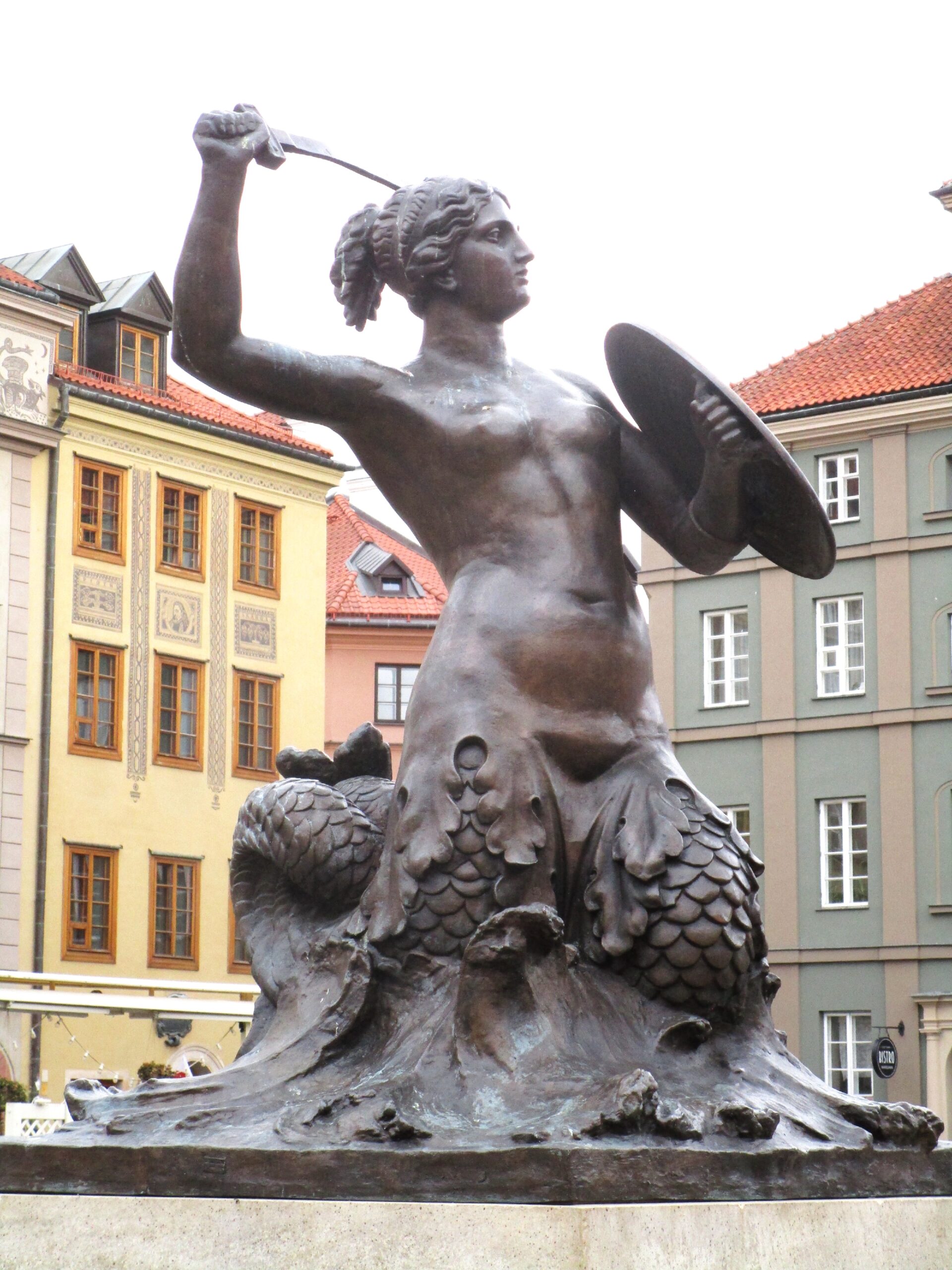
The Mermaid that saved Warsaw
What a day, and laundry done for another week. Tomorrow, we drive to Kracow, or Cracow, or Krakow, for a couple of days. That’s our last stop in Poland, then off to Austria. Until then,
Do zobaczenia jutro
Pics from around town…
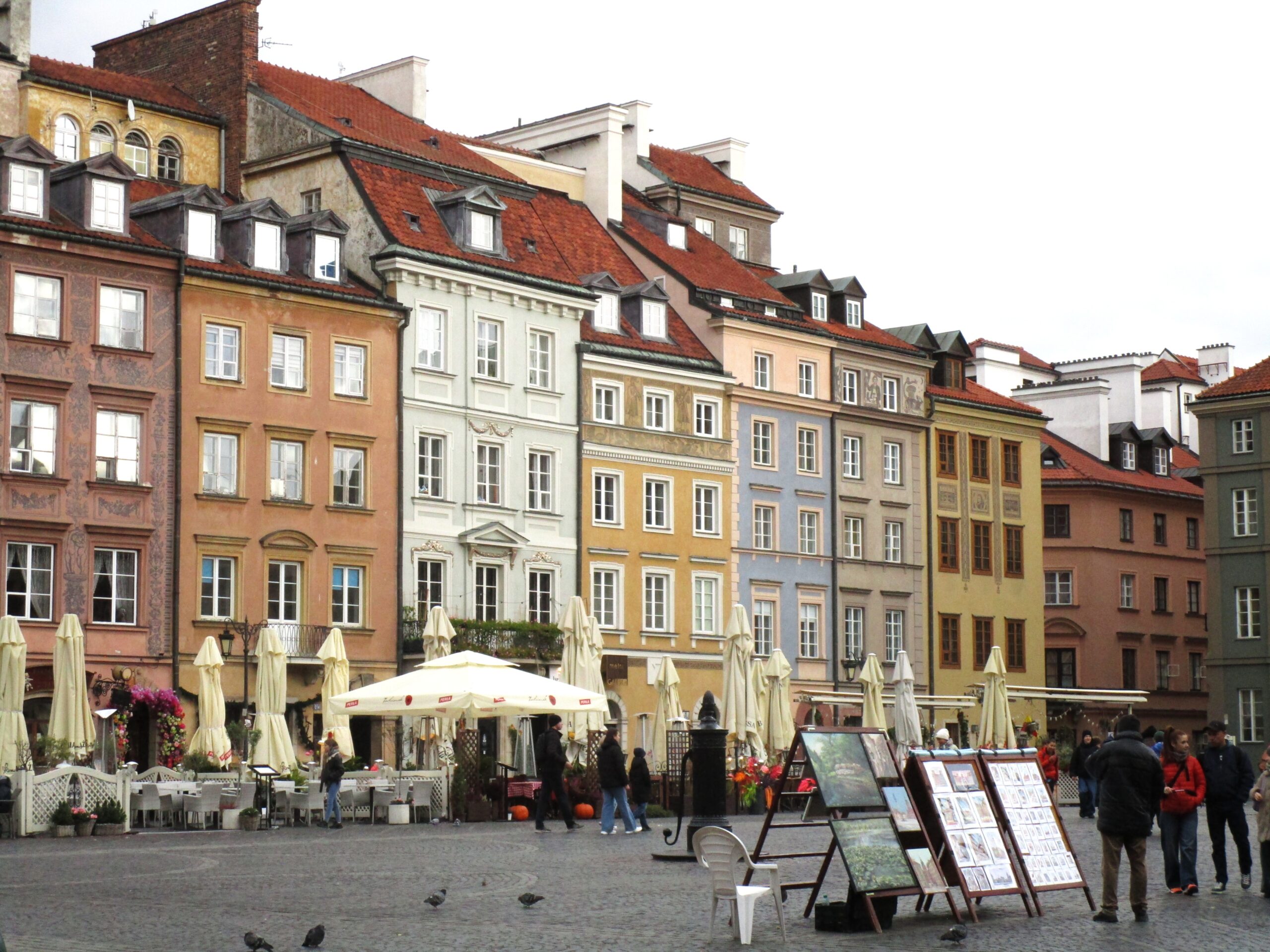
Old Town Square
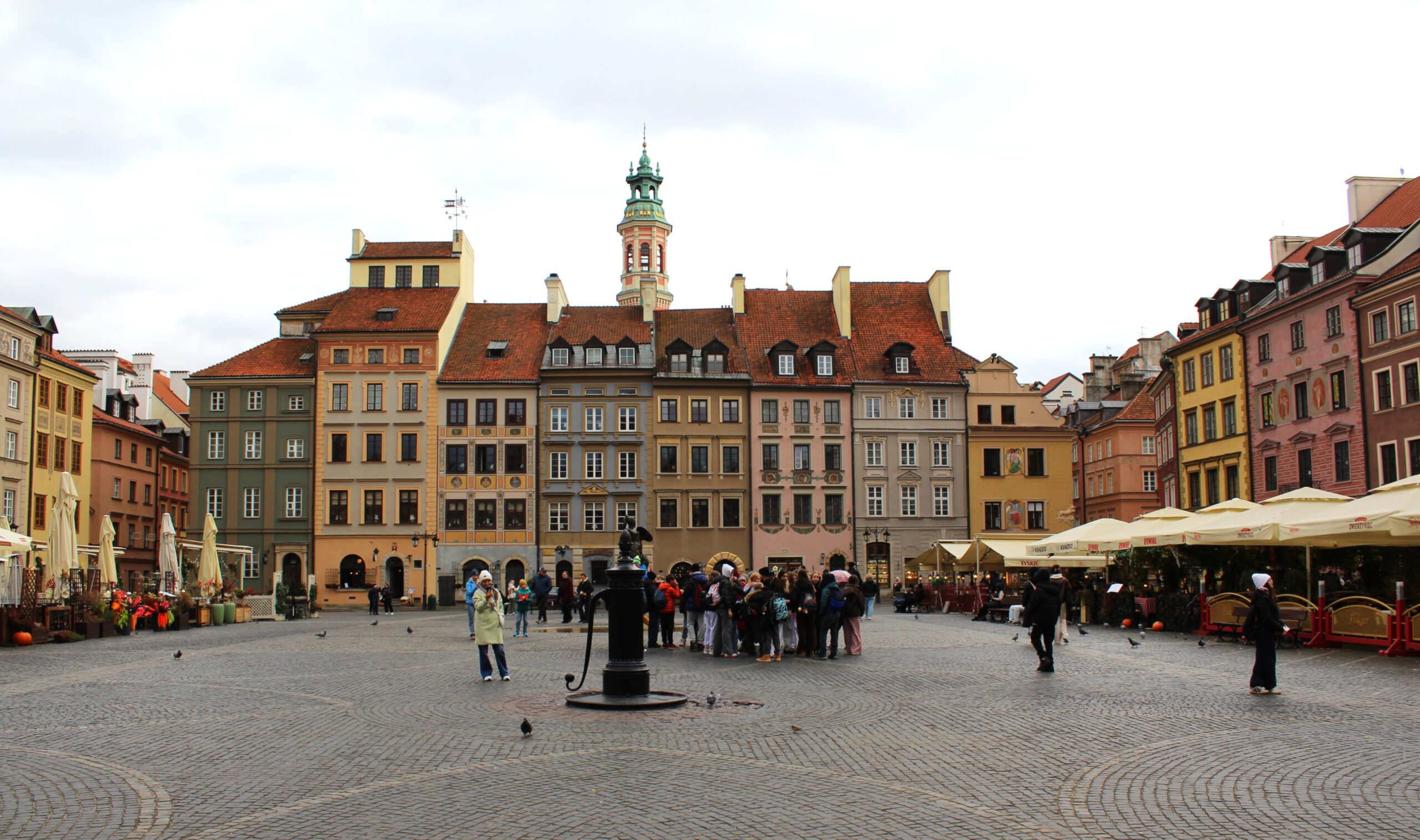
Old Town Square