UB Walkabout
Met up with our tour guide, Eric, early this morning. Today we will do a tour of UB before hitting the road for the Gobi. Today is a guided tour of the Gandan Monastery, National Museum, and a cultural show later in the evening.
The monastery complex features traditional Mongolian architecture, with intricately designed temples, statues, and stupas. The main temple, Migjid Janraisig Sum, houses a 26.5-meter-high (87’) statue of Avalokitesvara (Buddha), adorned with gold and precious stones.
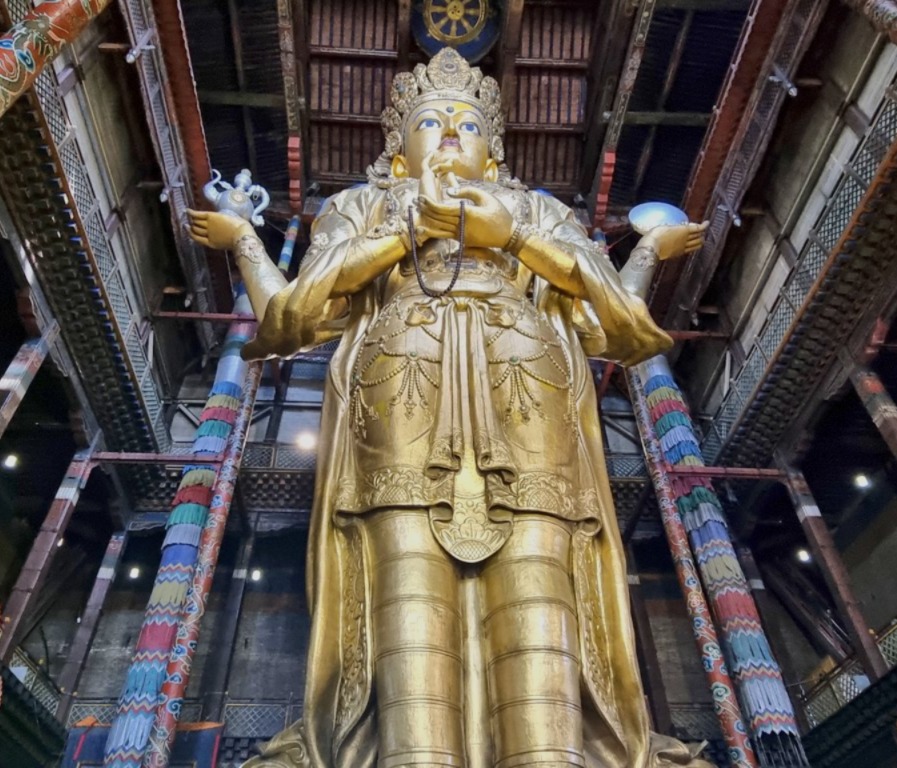
Migjid Janraisig Sum
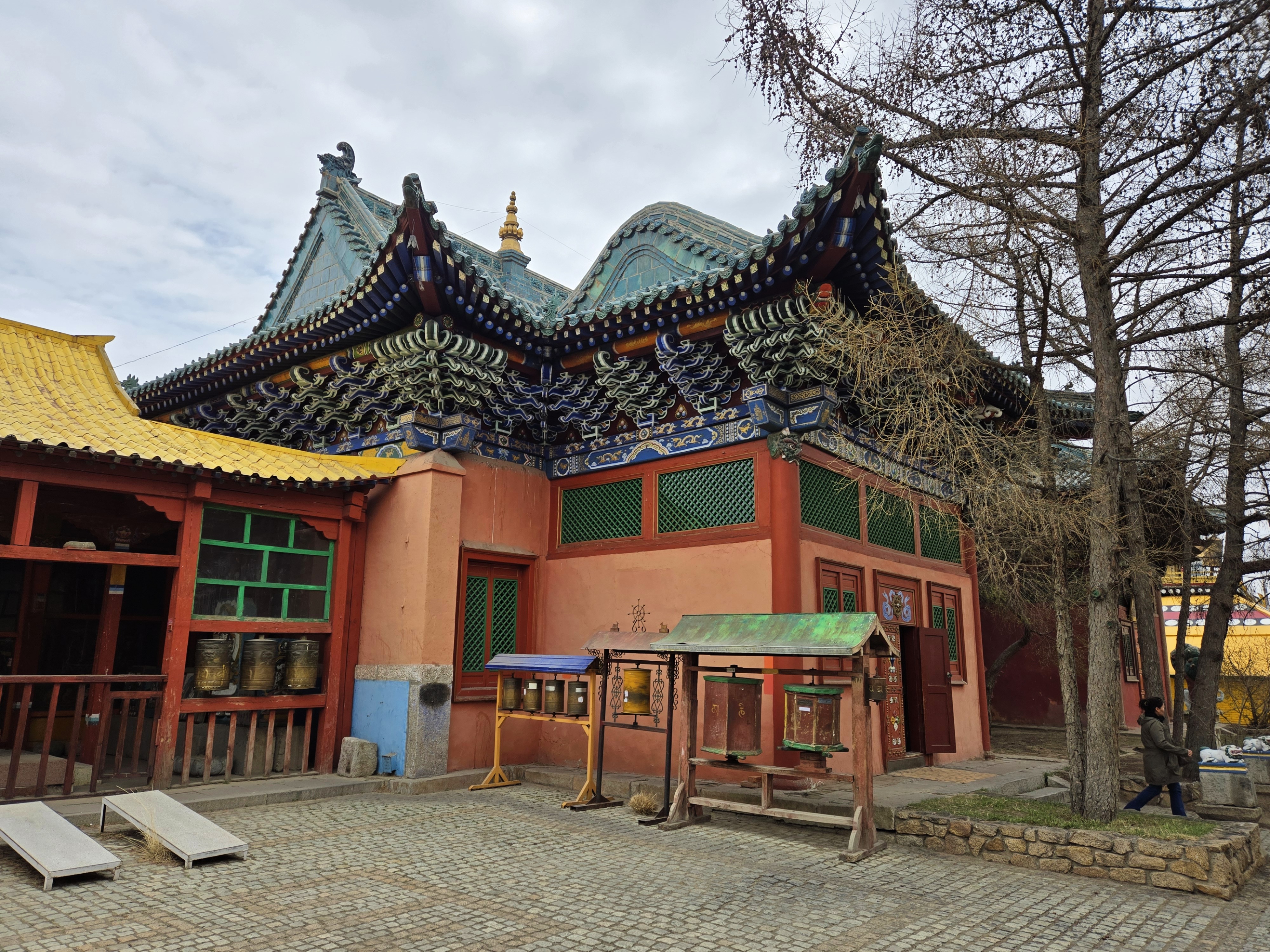
Original temple
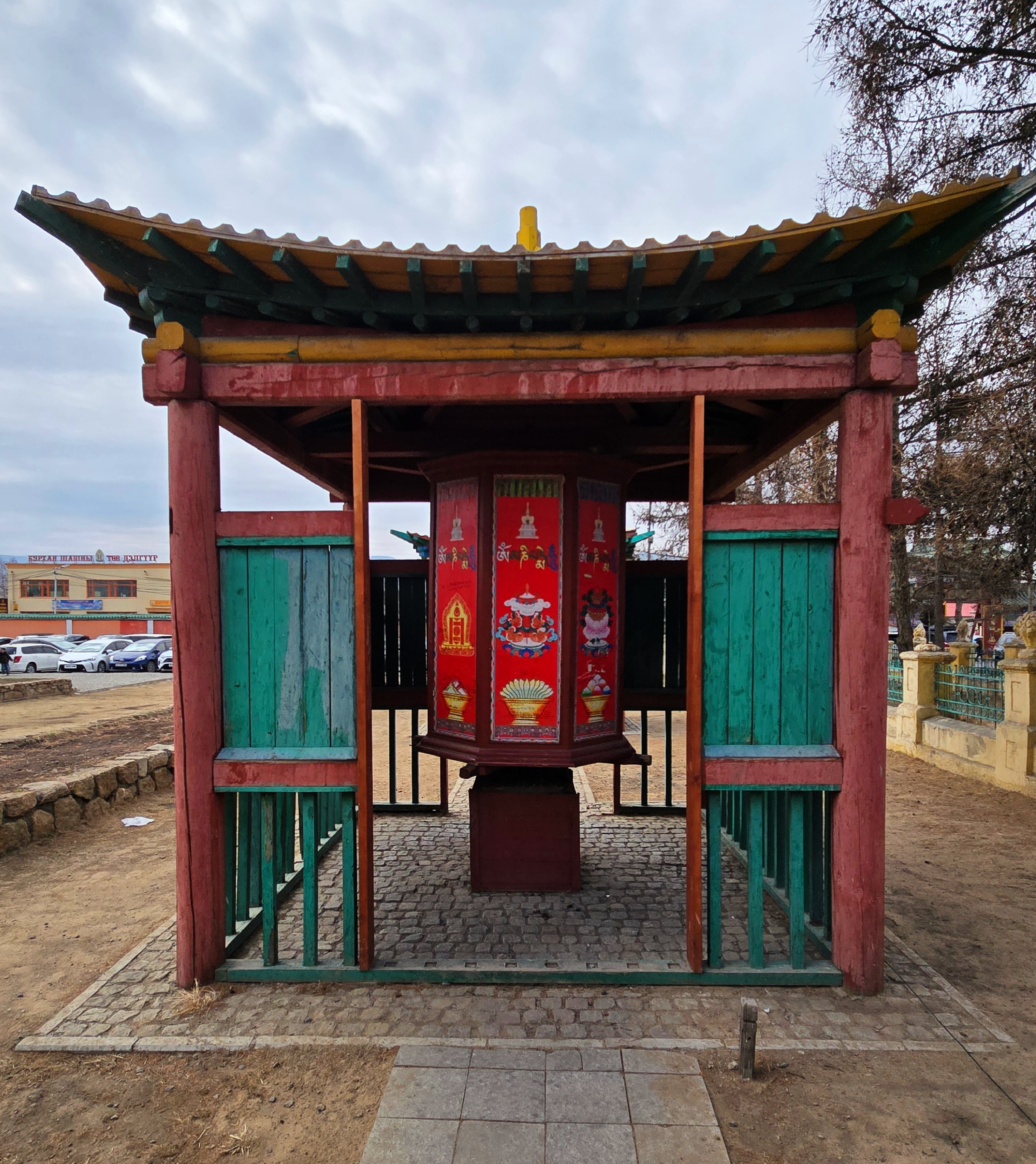
Prayer house
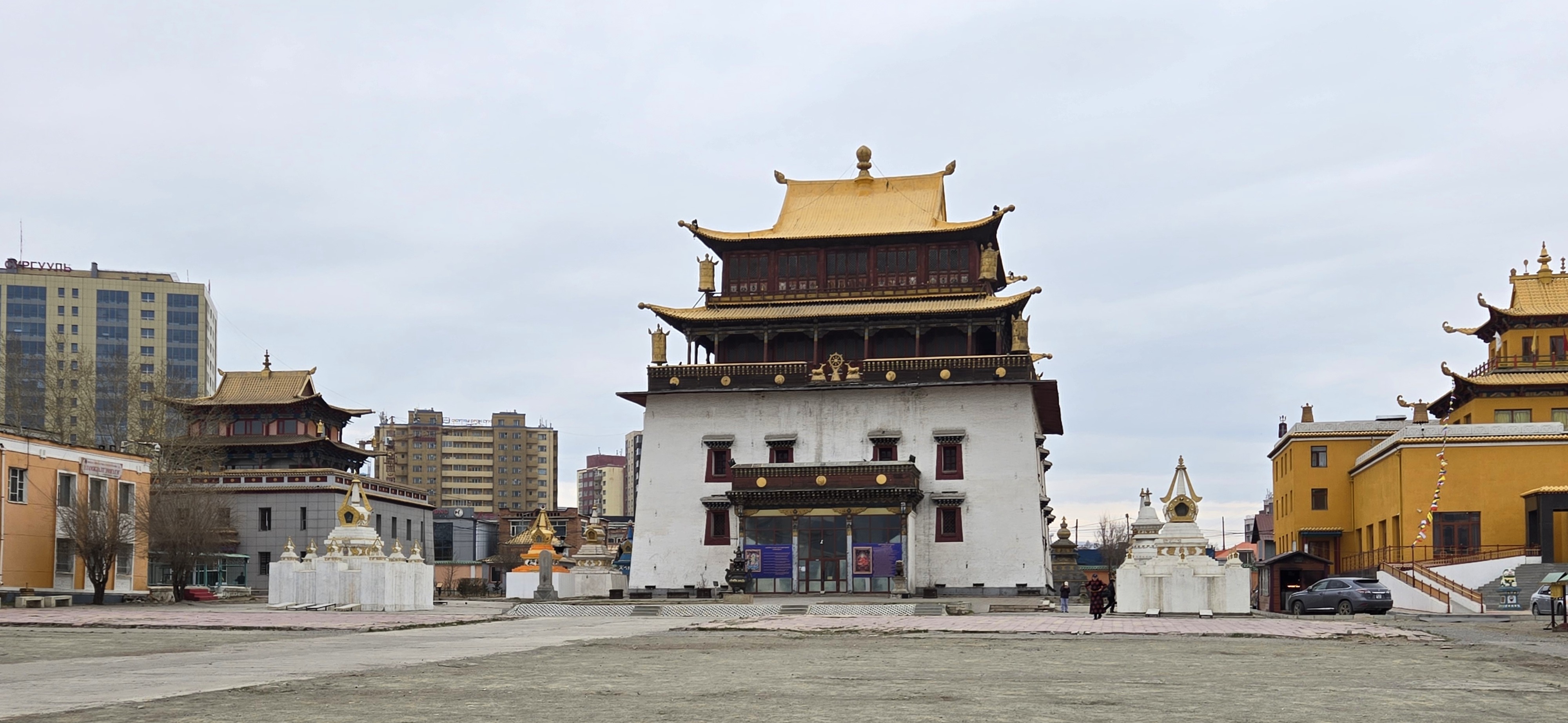
Temple complex
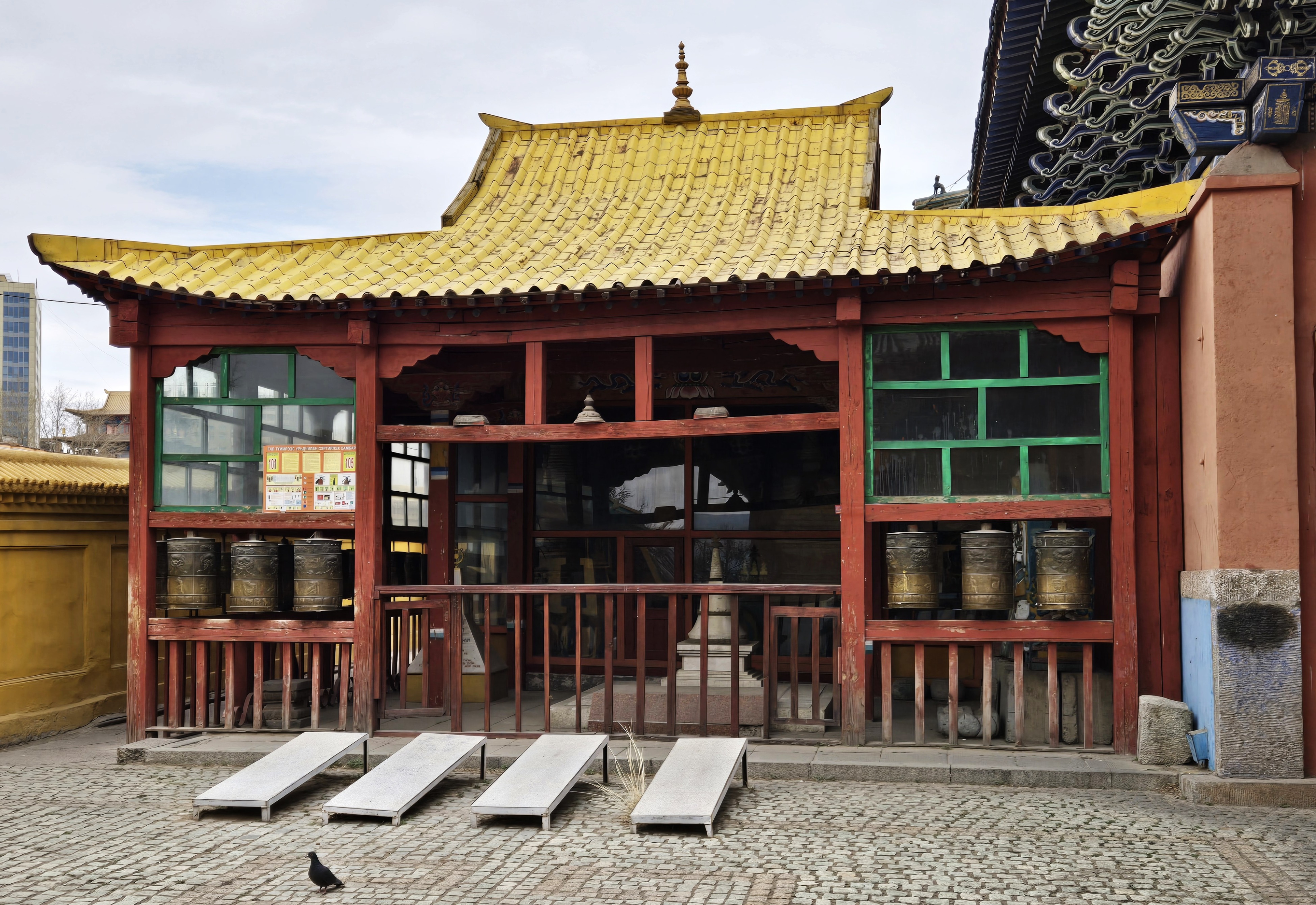
Temple
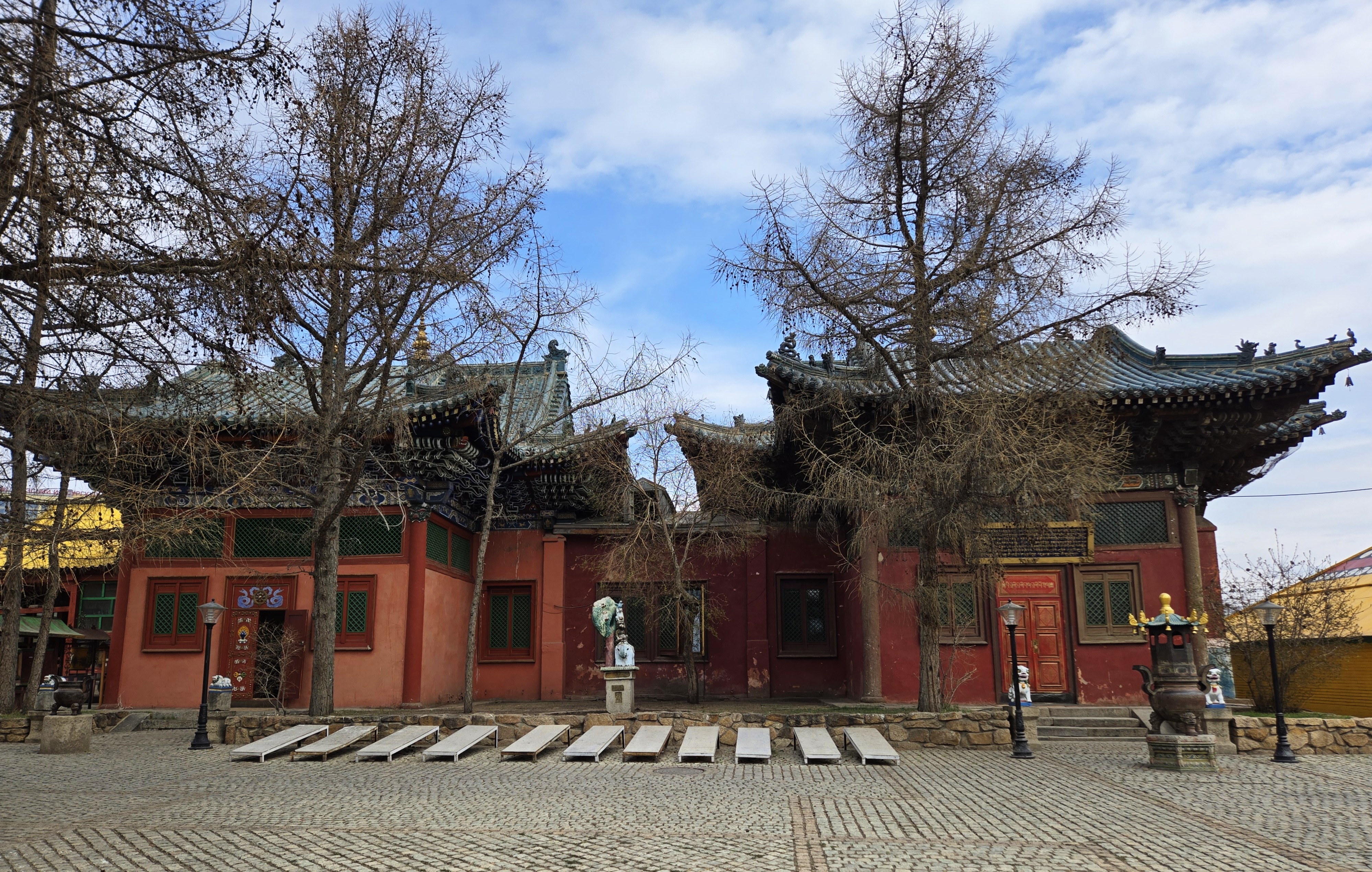 The monastery was established in 1809 and has played a central role in Mongolian Buddhism. It was one of the few monasteries that remained active during the communist era, most Buddhist temples and stupas were destroyed during this period.
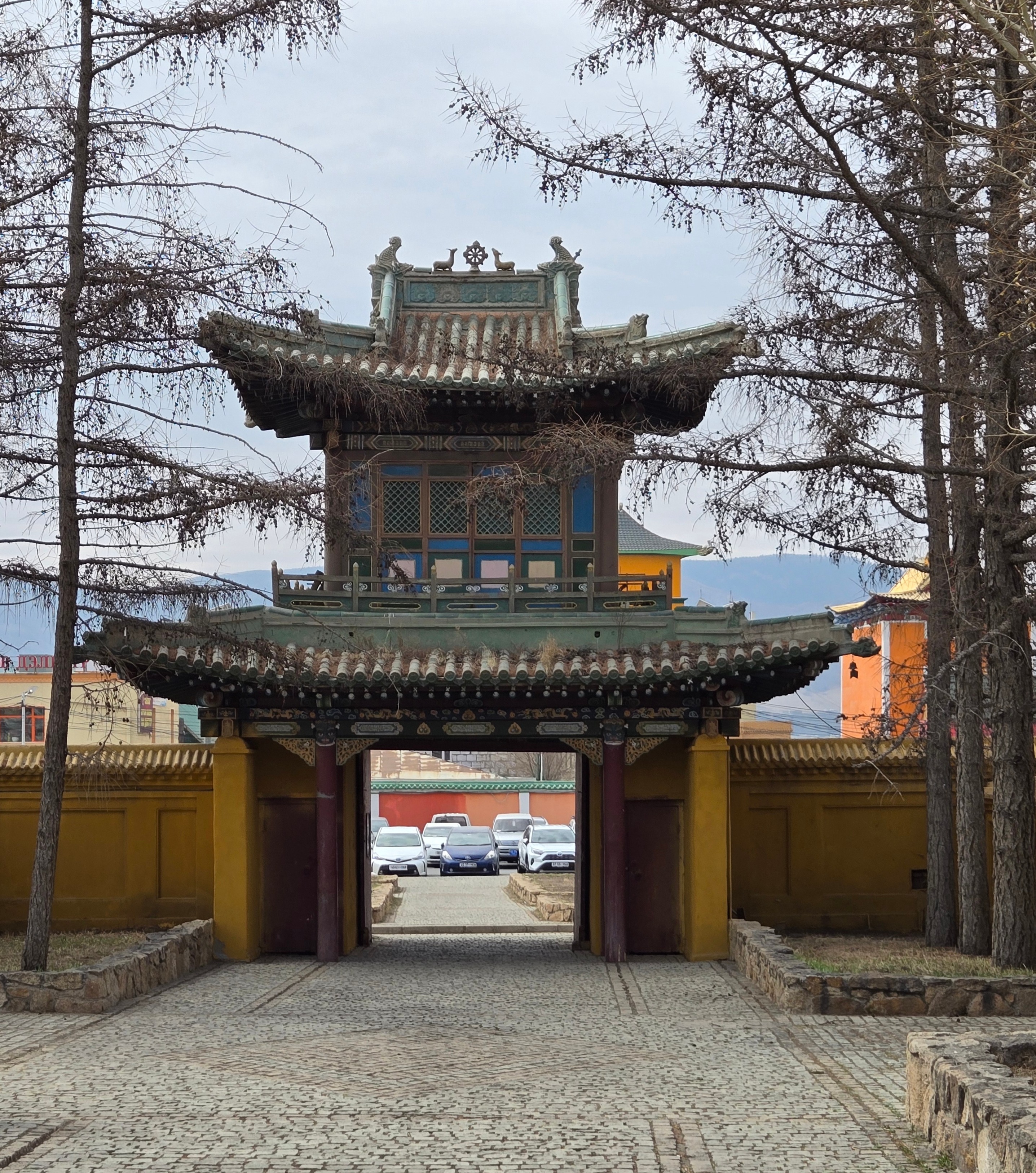
Entrance gate (original)
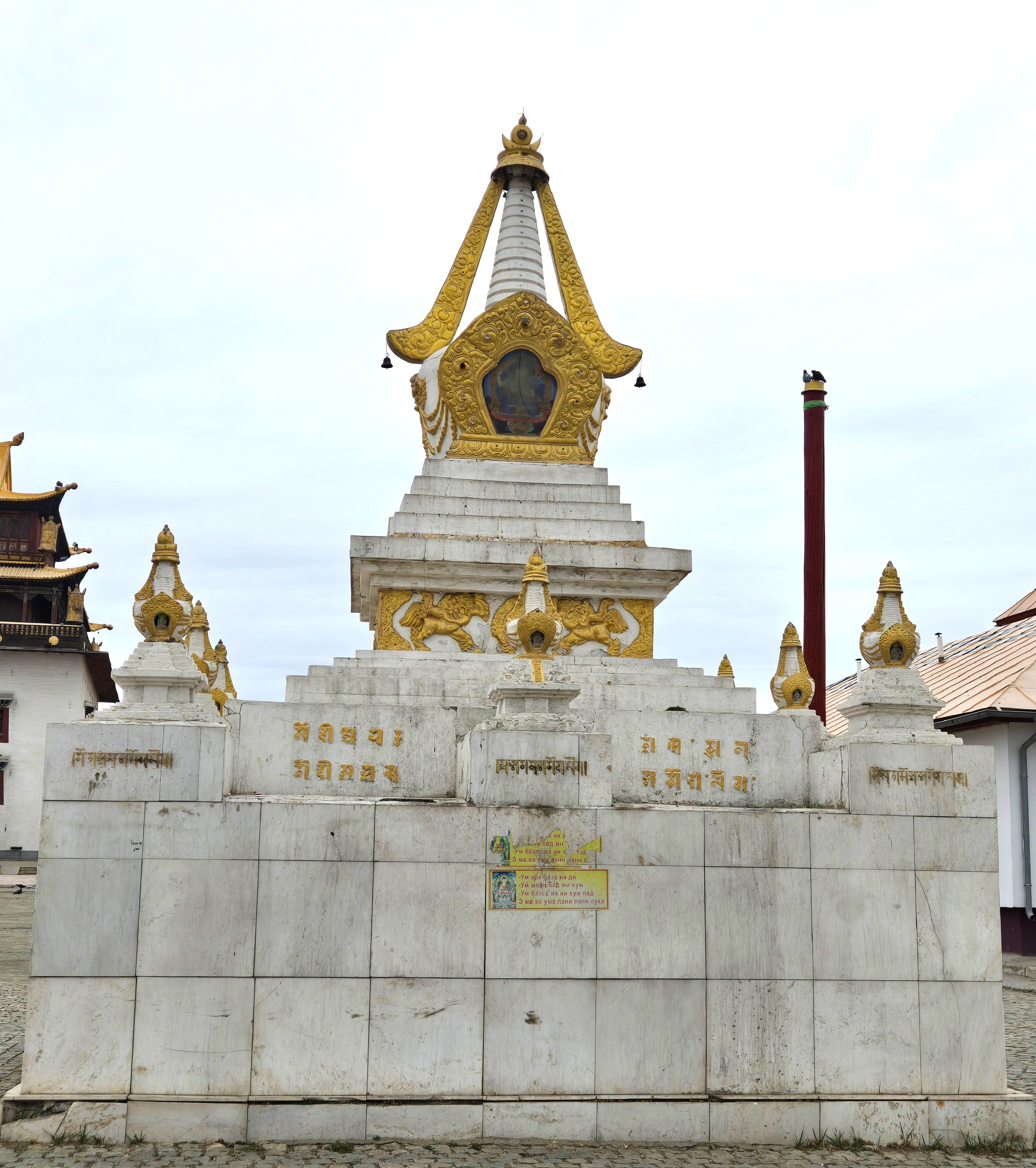
Stupa
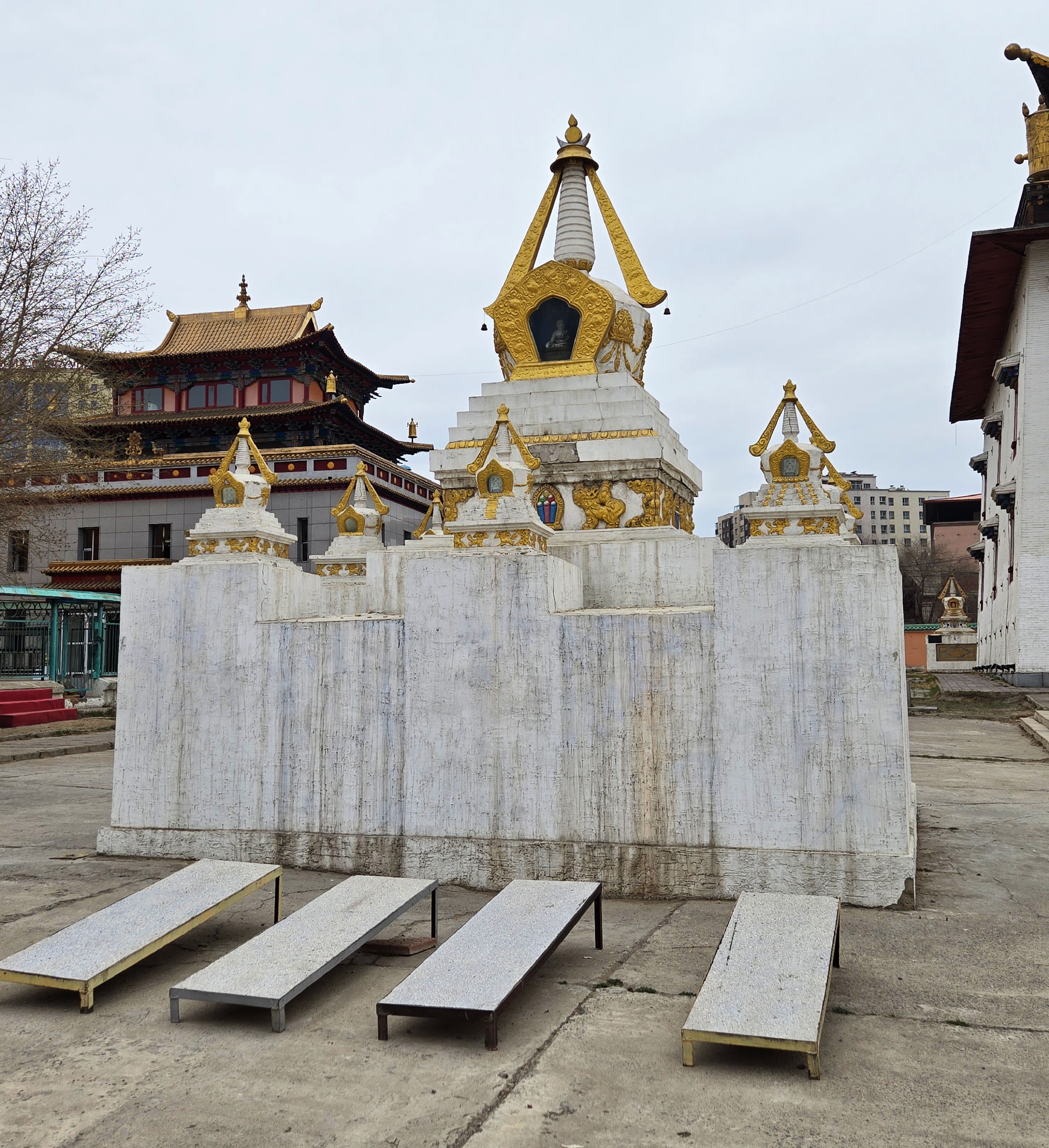
Stupa with pronate boards
Since the 1990s, Gandan Monastery has been a focal point for the revival of Buddhism in Mongolia, and is an active place of worship, education, and cultural preservation. The monastery is home to several important institutions, including a Buddhist university where monks study Buddhist philosophy, rituals, and practices.
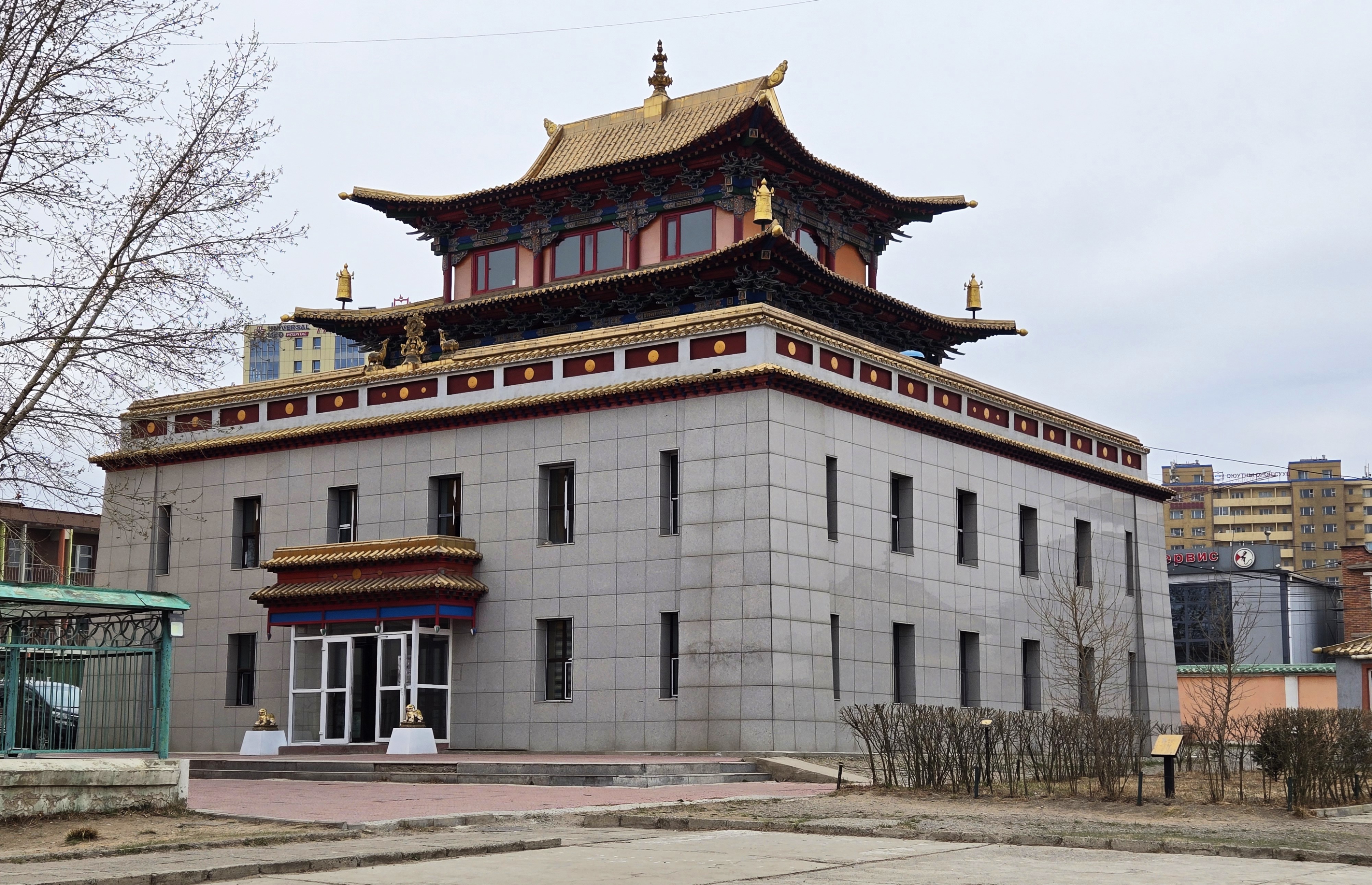
New classroom and prayer building
Moving right along. The National Museum is dedicated to preserving Mongolian history and the traditional life. There are 3 floors displaying the history of Mongolia, starting with ancient Mongolia on the first floor, and ending with modern day Mongolia on the 3rd floor.
For me, the most interesting displays were the ancient period, 3000-700 BCE, or the Broze Age with not only artifacts such as arrow heads and knives, but the molds used to make these weapons. Most often the molds for tool and weapon making are lost.
Also of interest was the Communist Era, 1921 – 1991. During this time the Russian communists built roads, apartments, and cities in Mongolia and helped establish a Socialist government. Mongolia actually petitioned Russia to annex their country as a satellite state but Rusia refused, citing potential issues with Communist China if they were to approve the annexation.
Maybe they should have taken the chance because in 1991 a group of young people organized the removal or Russian leadership from their government and installed a democratic government. The Russian presence withdrew from Mongolia within 1 week leaving the country in a difficult position. When the Russians withdrew, they took everything they could load onto trucks, factory equipment, parts, supplies, etc. leaving the Mongolians with little capability for themselves.
The result of this rapid exodus is still present today with high unemployment, lack of any significant industry, and a severe alcohol abuse problem. Still, very pleasant people, at least to us, who say hello when you pass and want to talk about the US. And most everyone we met was very proud to be Mongolian.
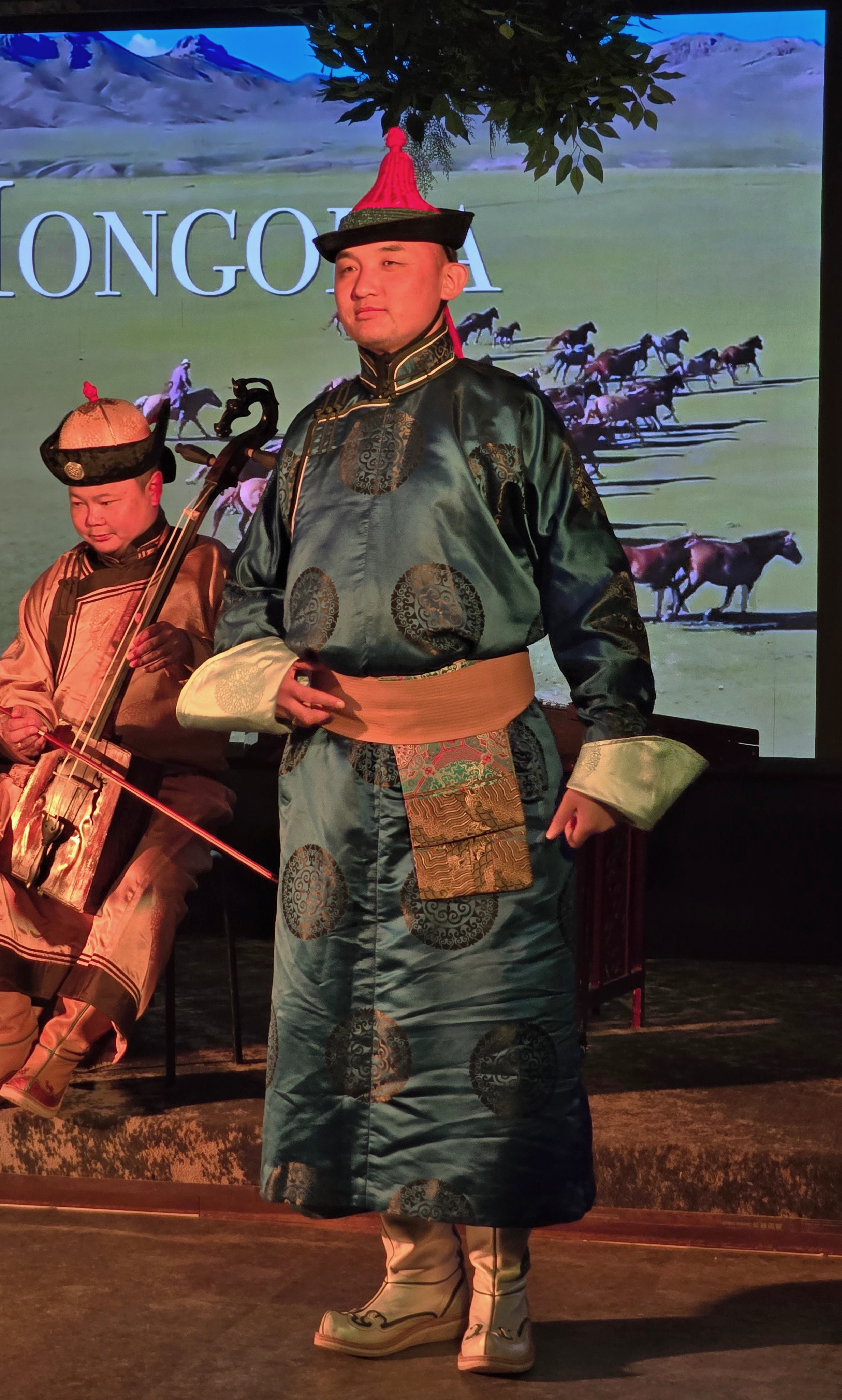
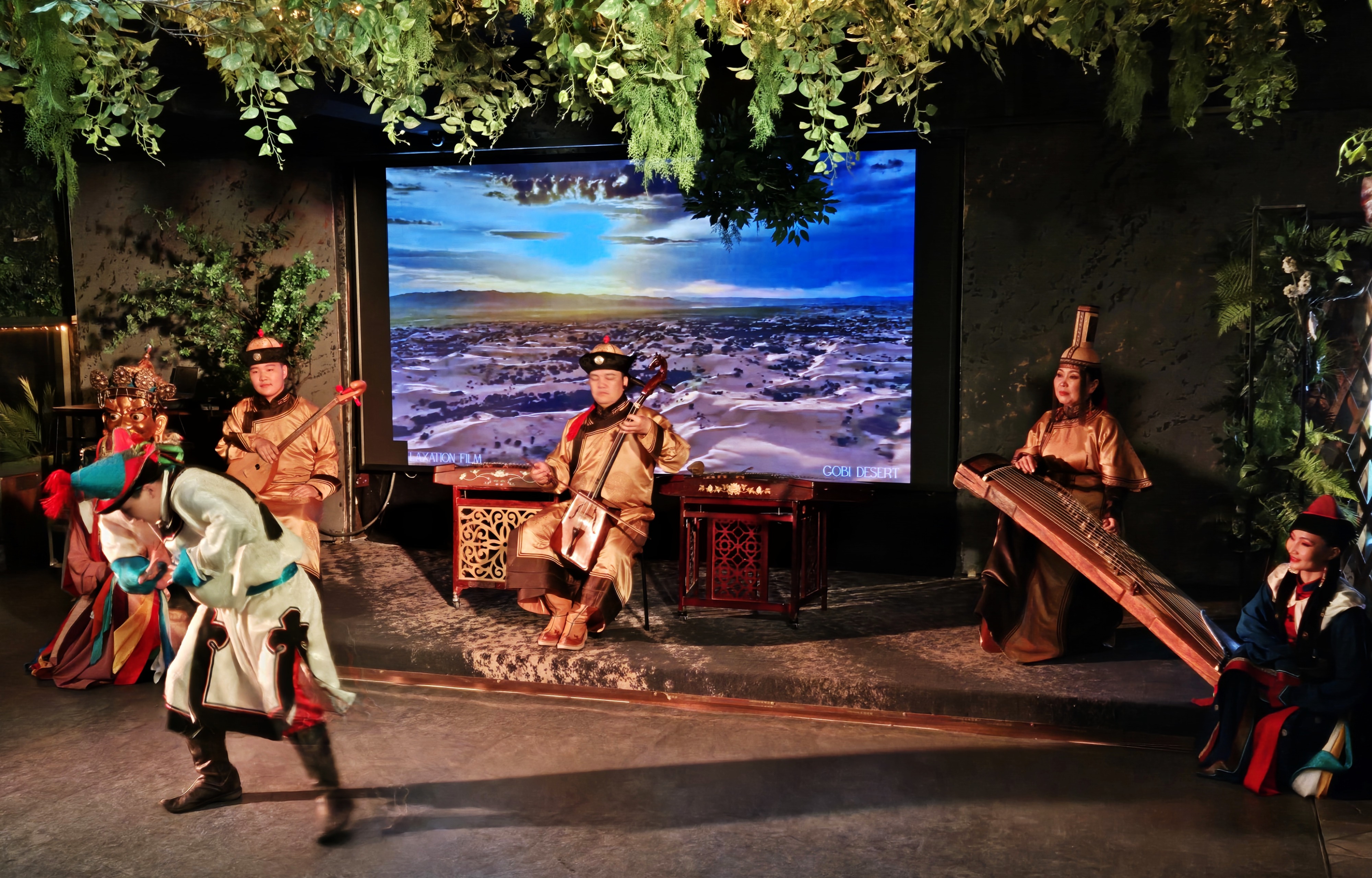
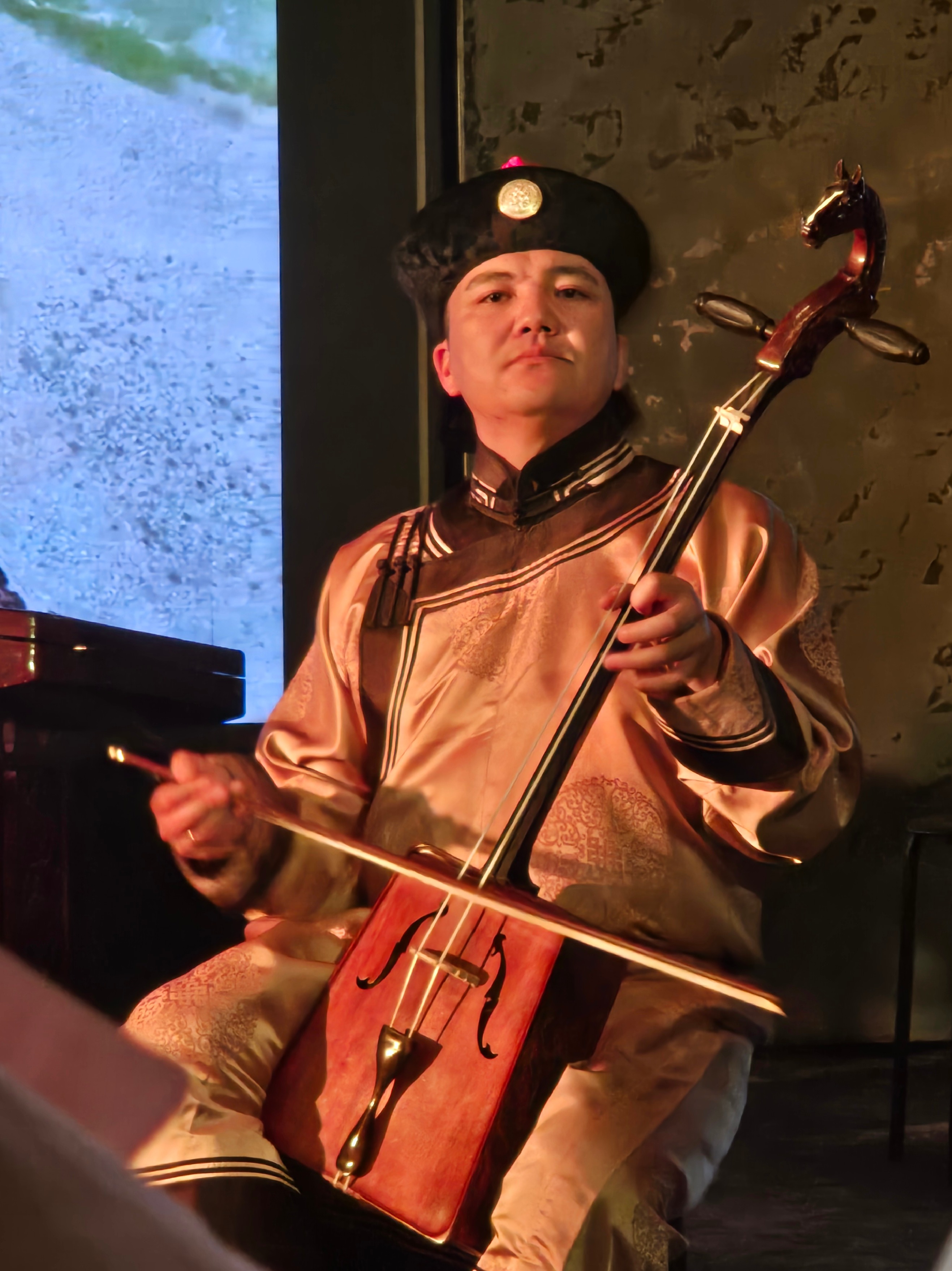
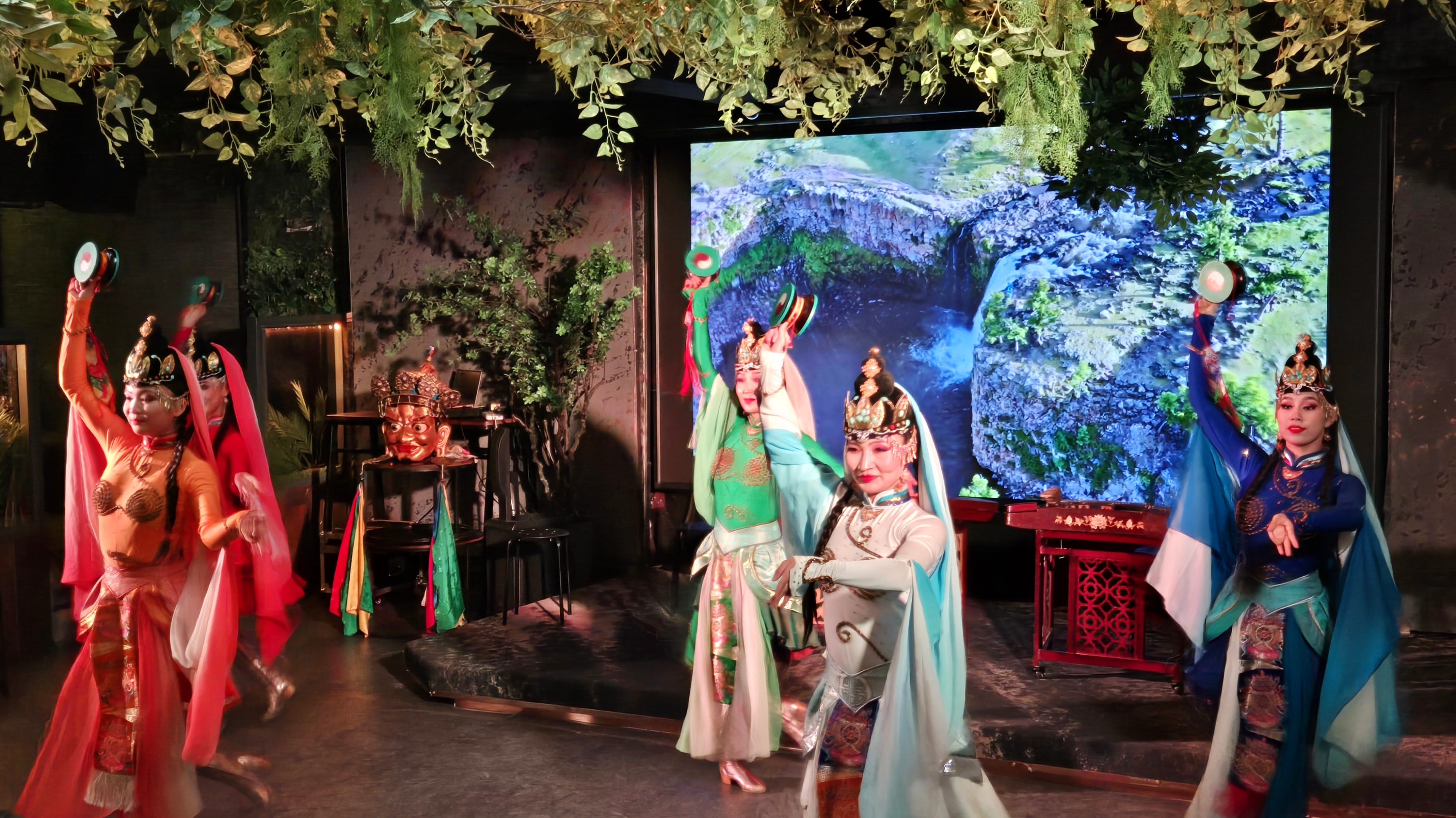
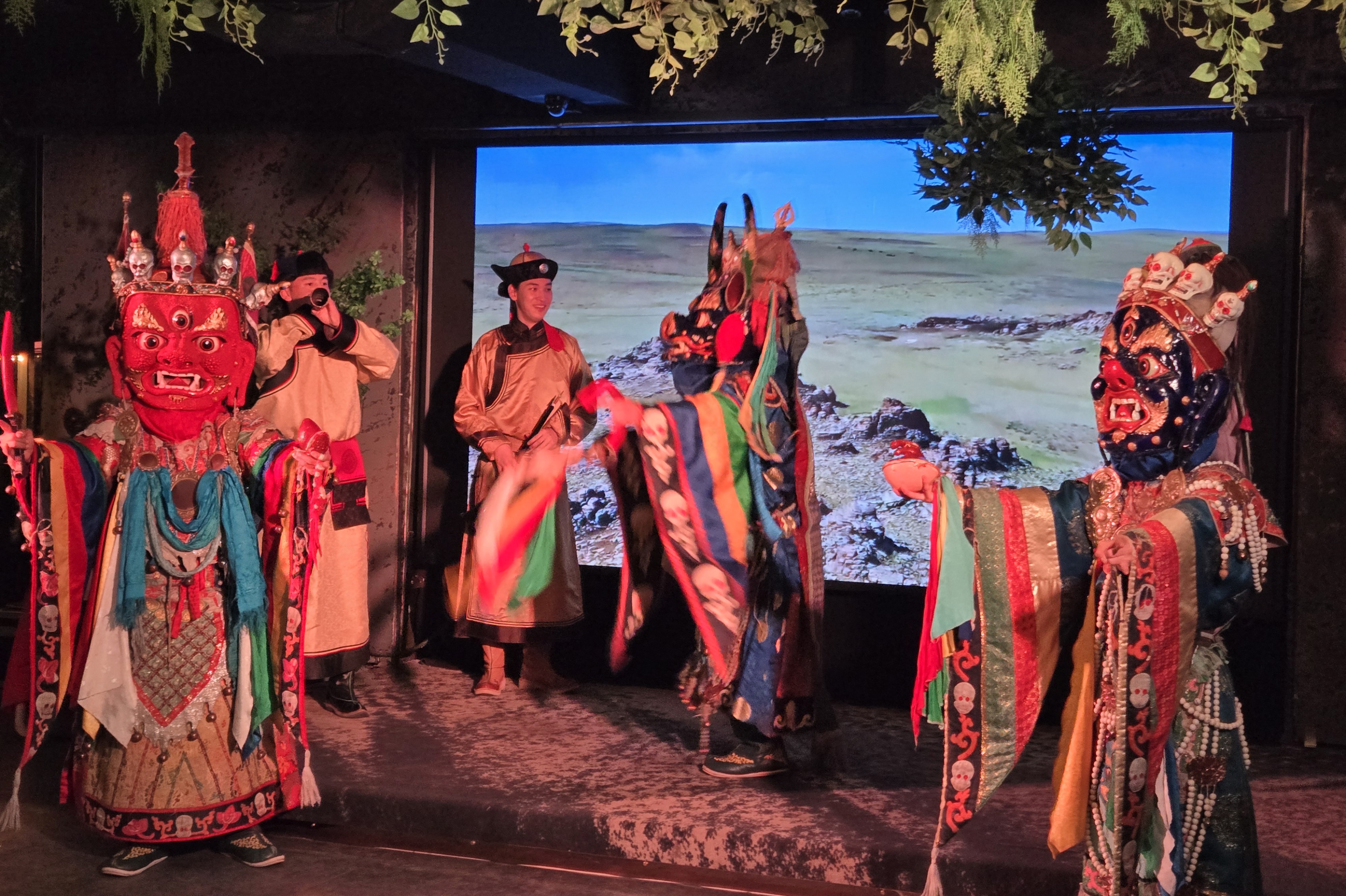
To finish off the day, our tour included a 1-hour cultural show with traditional Mongolian singing (throat singing), Mongolian instruments (Horse-Head violin), and costumes.
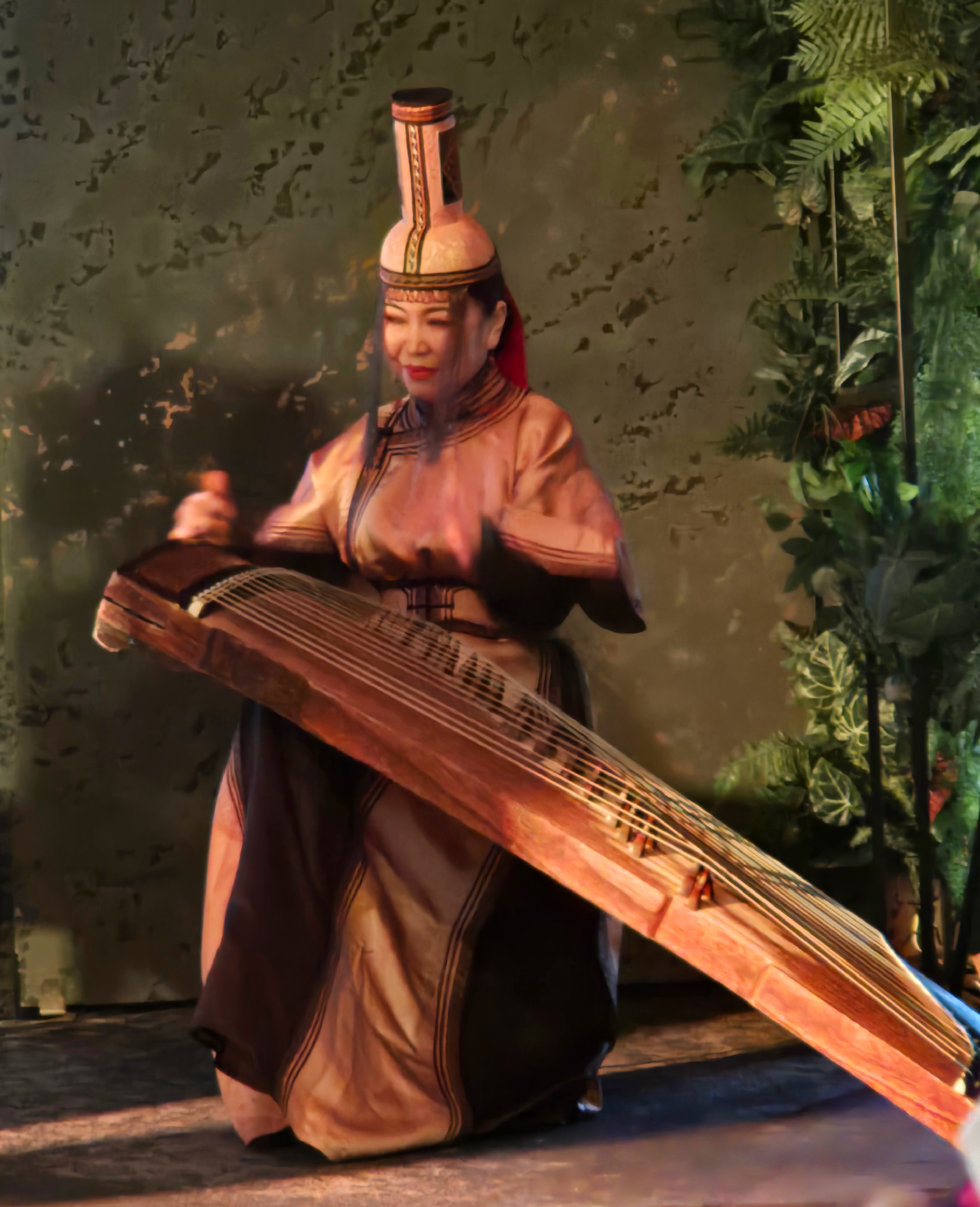
Altai harp
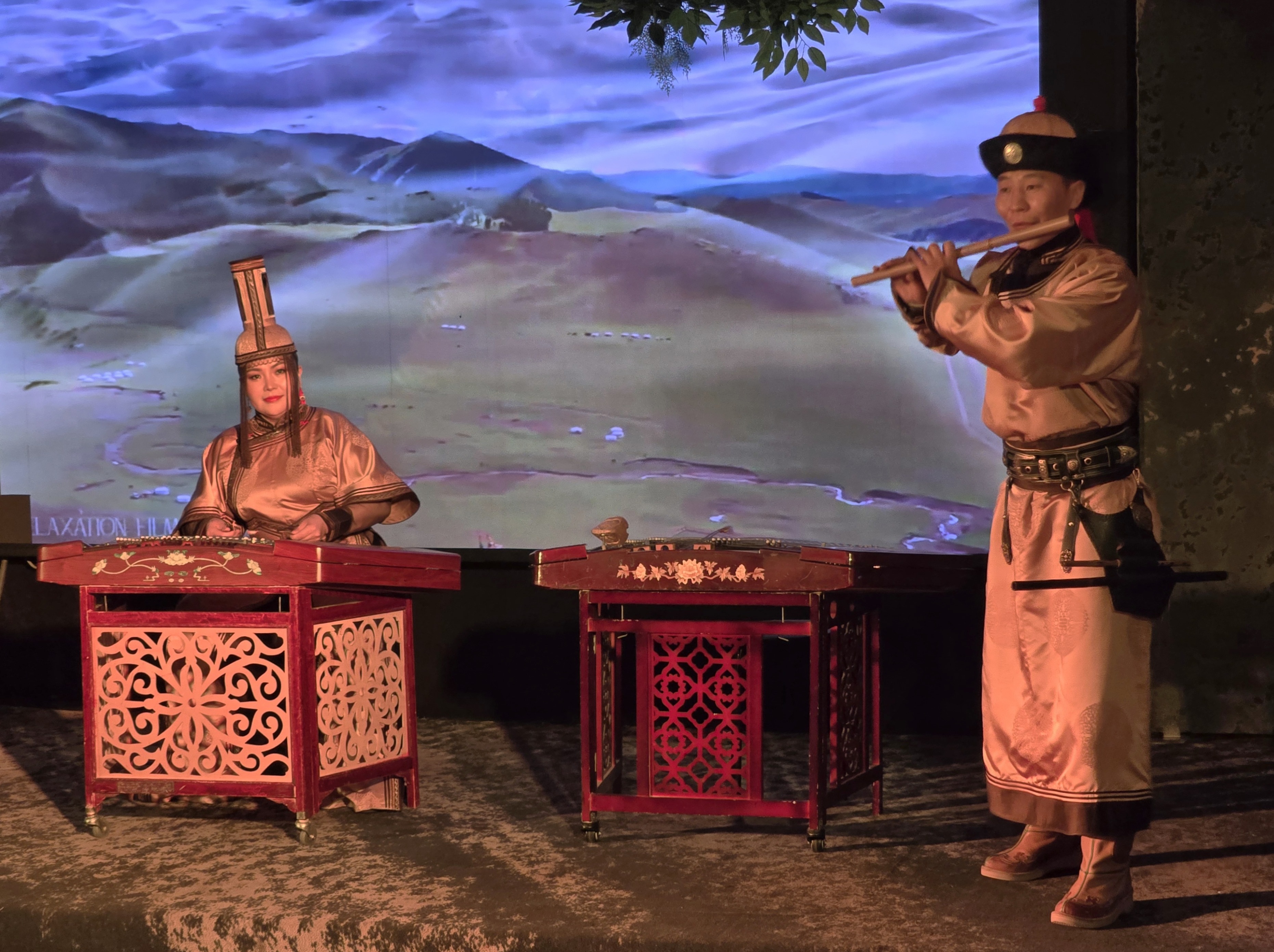
Yoochin & flute
The road trip begins tomorrow.