Goat combing, dumpling making and horse racing, what a day!
Up early because the ger doesn’t have a cover for the top, just glass. We’ll be leaving our host family this morning but not before we do our chores. Time to comb cashmere from the goats. Yep, cashmere comes from goats but only early in the spring. If you wait until late spring, the wool is too coarse and can’t be used for fine clothing.
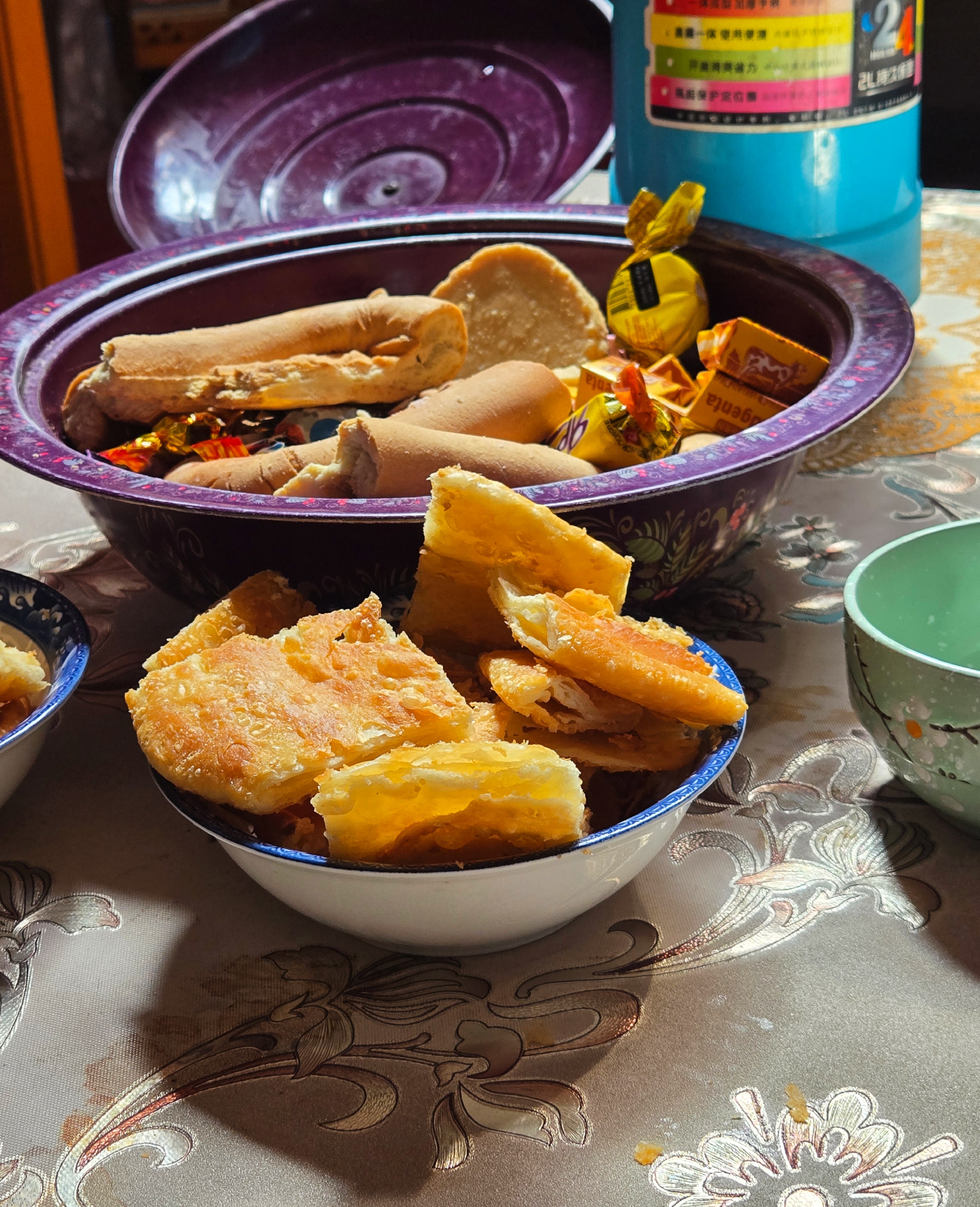
Breakfast – fry bread and milk tea
First the lesson, then the job. Combing goats is a bit challenging. They are first tied to a post, then their legs are hobbled. Now you simply flip them over on their side and start combing. The comb we used was hand-made by Unuruu. It is about 8 inches long, made of heavy wire and curved at the end. We found out quickly that to pull it through the wool, you had to take short strokes otherwise the comb dug into too much wool making it impossible to pull through.
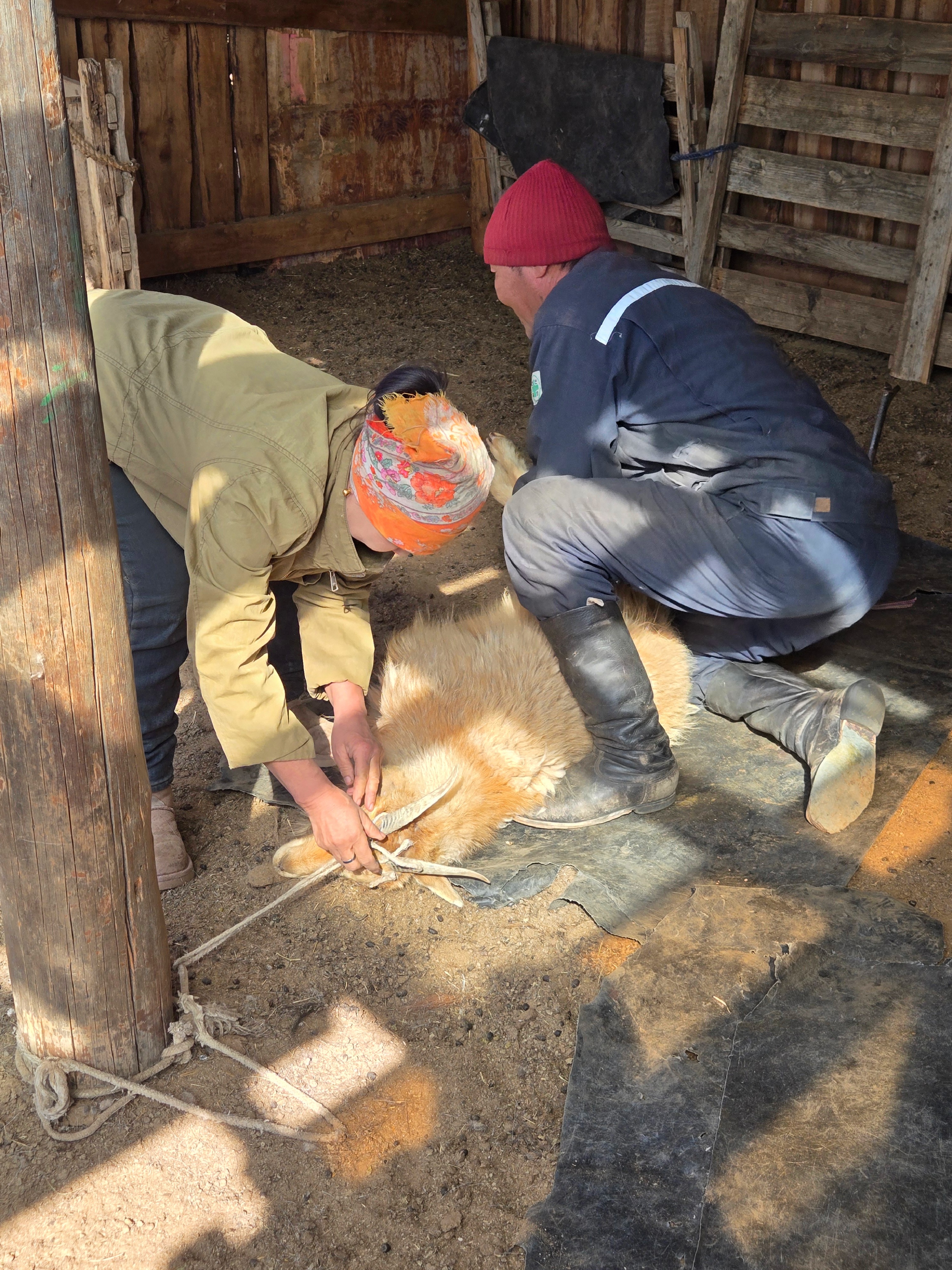
First, tie the head
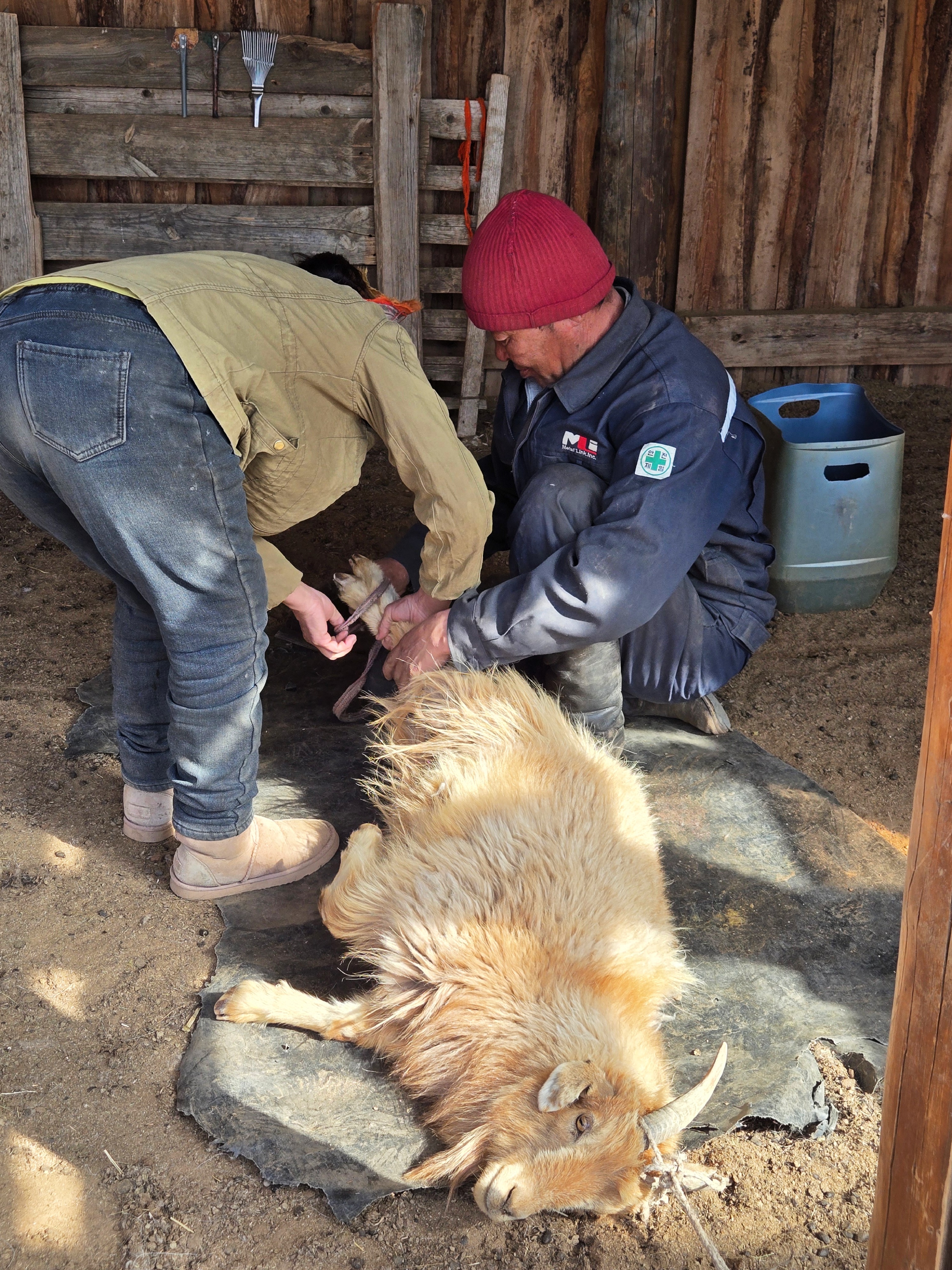
Second, tie the rear legs
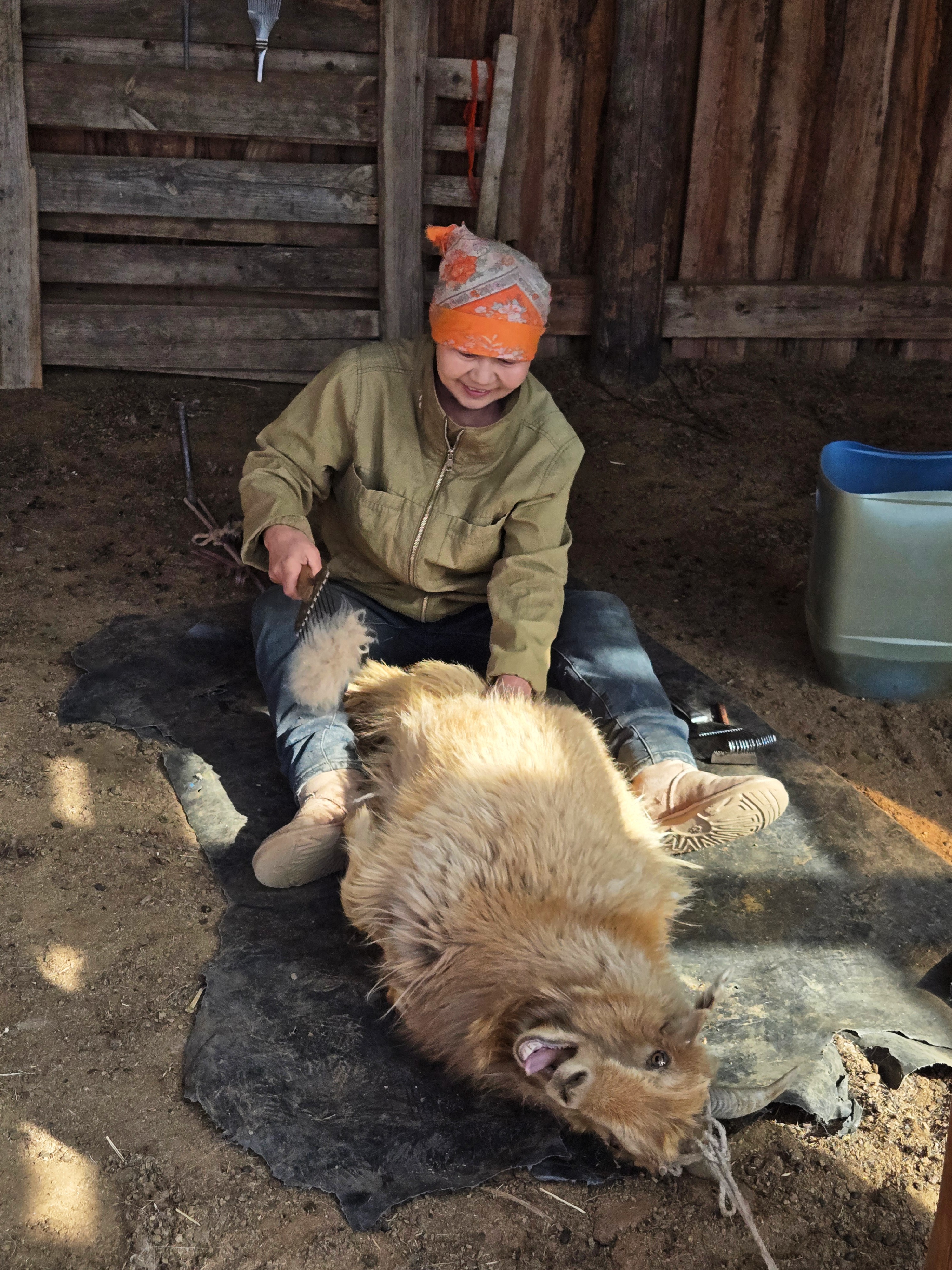
Third, grab a seat and start combing
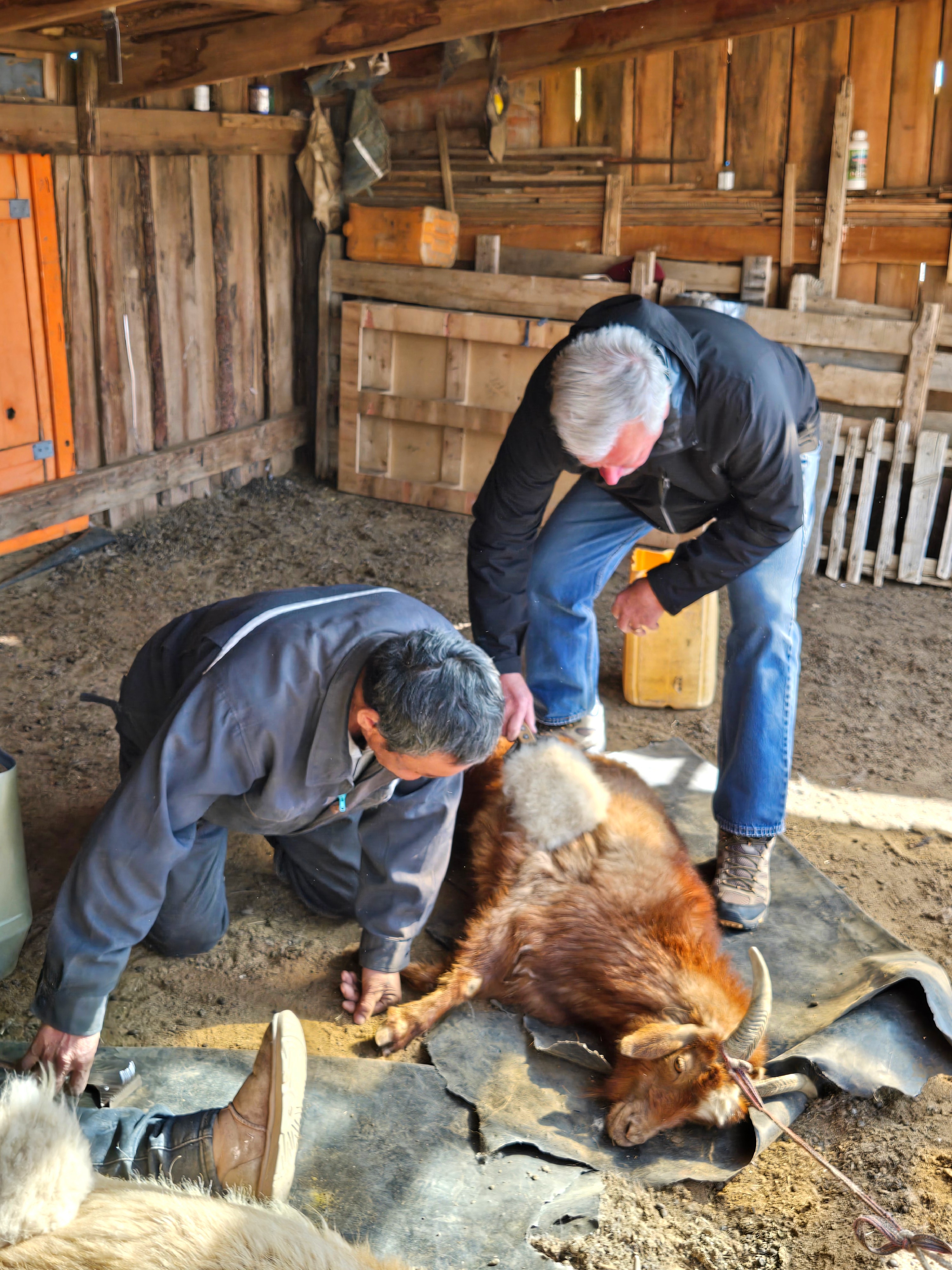
Or stand and comb
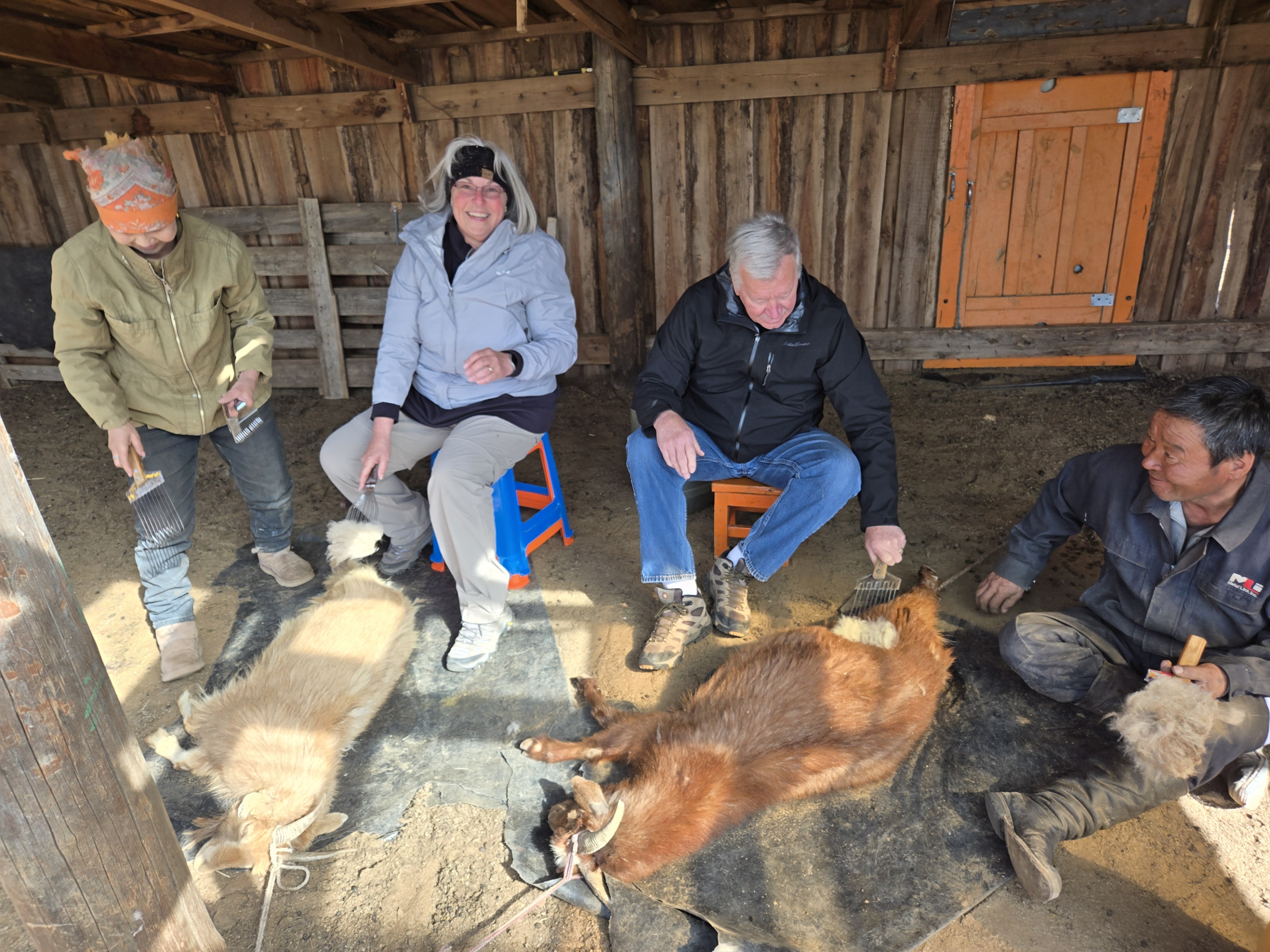
OK, sit and comb
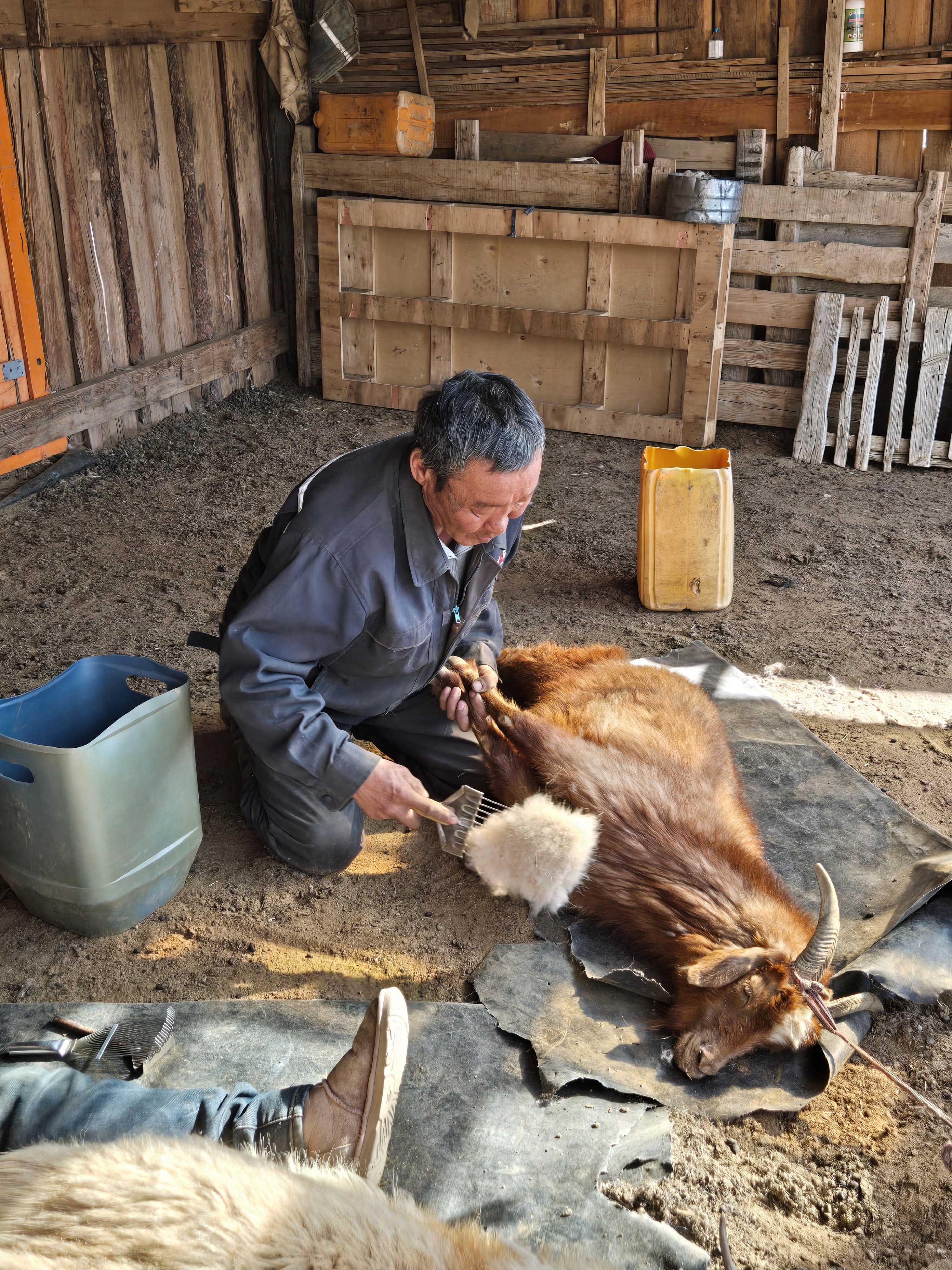 Each goat will produce about 1 pound of cashmere that Unuruu will sell for around $60USD. He has a herd of 225 goats and combs 10 goats in a setting. The combing process takes about 30-40 minutes per goat, longer with our help. Total haul for the season is roughly $13,500USD. Considering that they don’t feed or water these animals, pretty good return on investment.
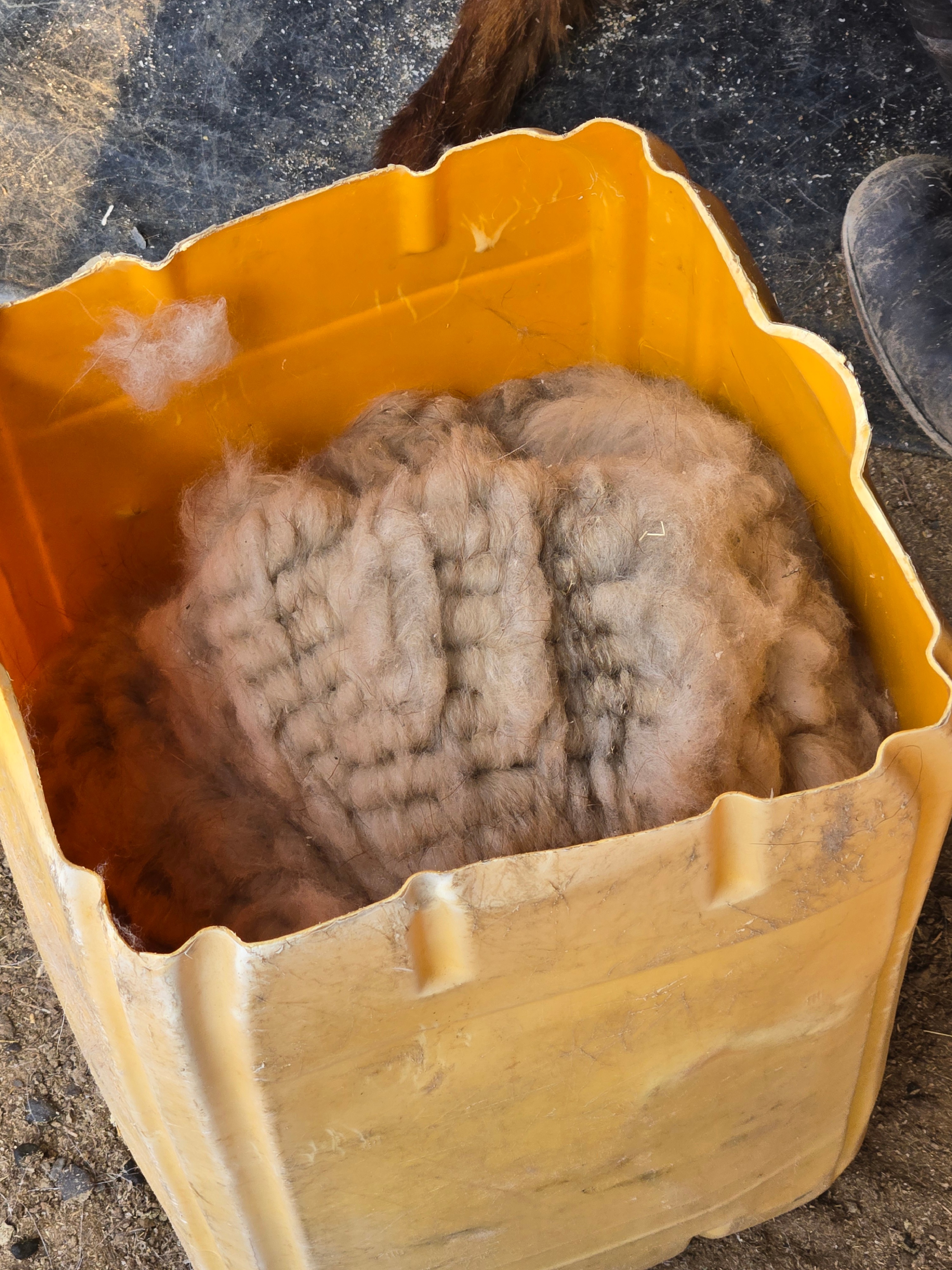
When full, 1# of raw cashmere. Around $61.00USD
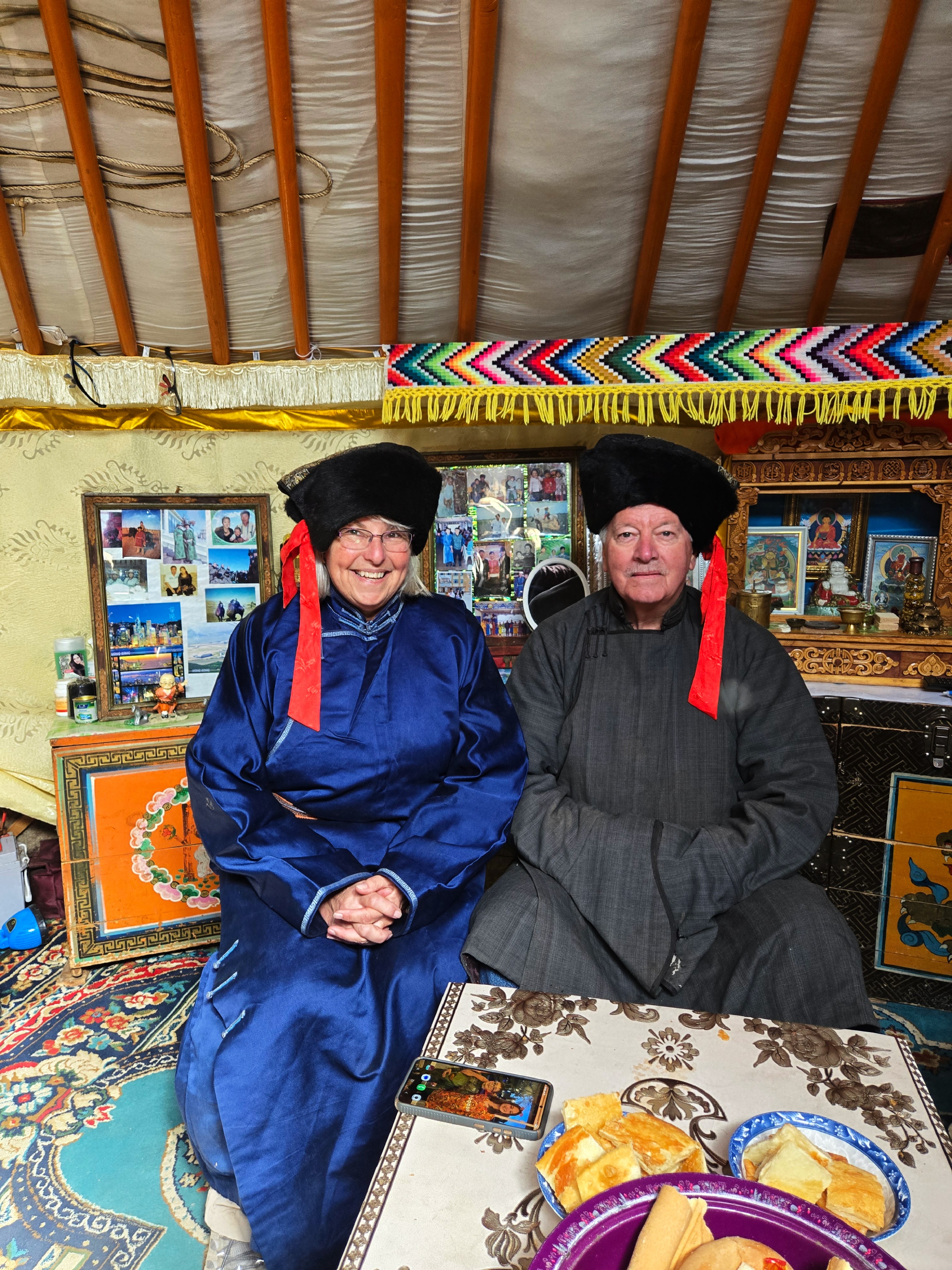
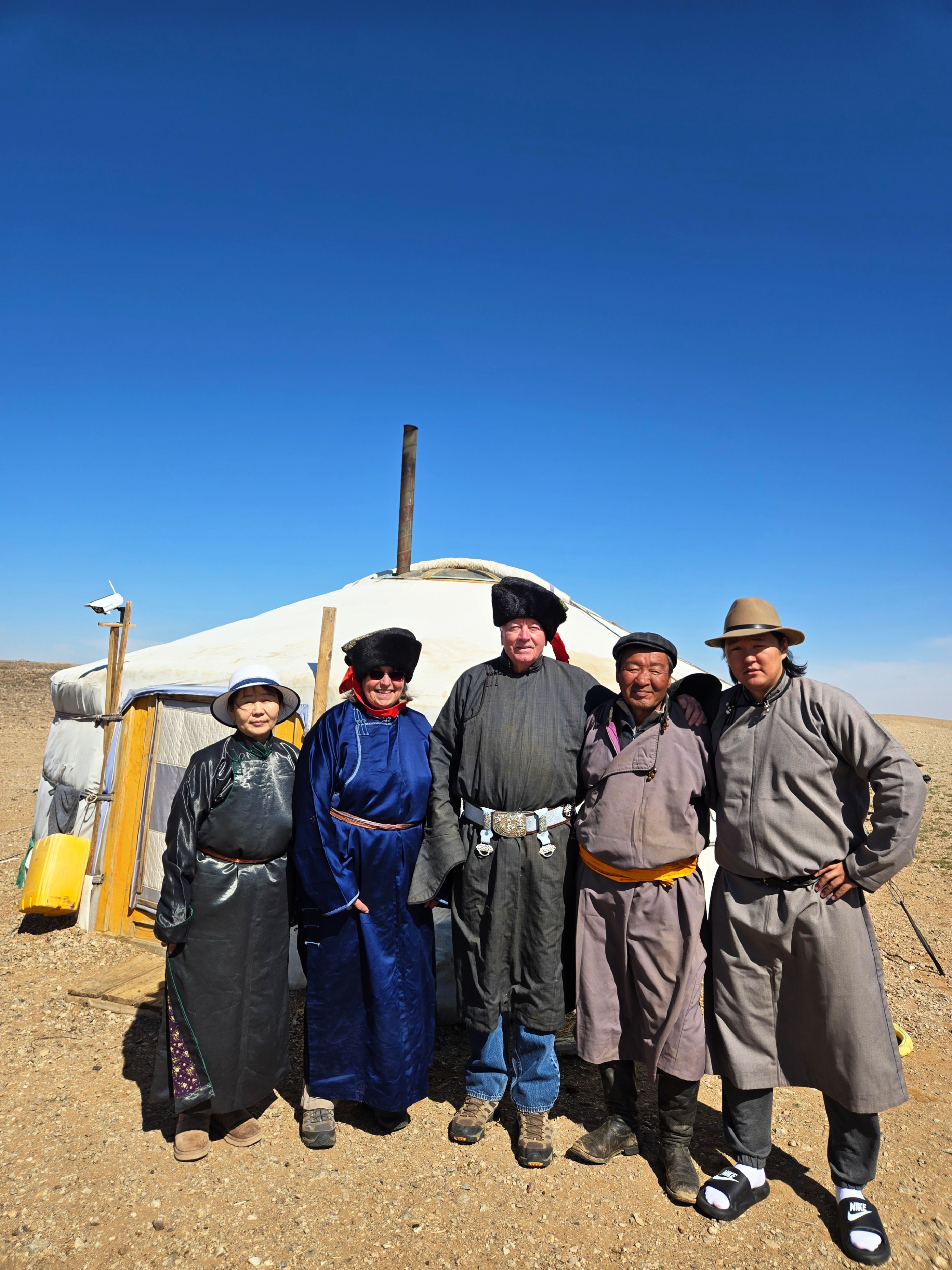
Finished our goat experience, now time for a quick picture of all of us in traditional dress then off to more Gobi fun. Thank you for the hospitality Unuruu and Sonio, we really had a wonderful time as your guests. In case you were wondering what a Mongolian “upgraded” toilet looks like…
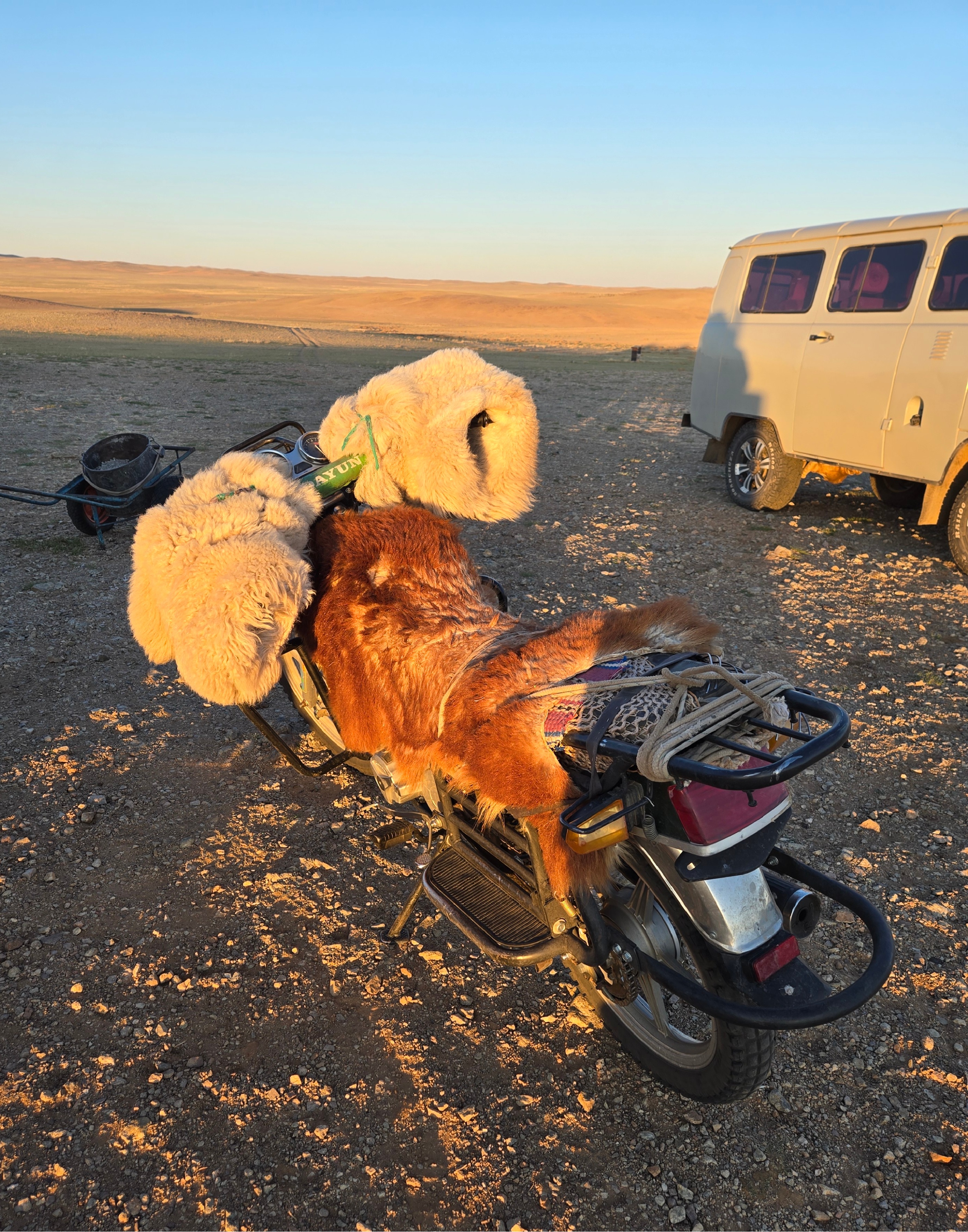
Modern “steel” horse
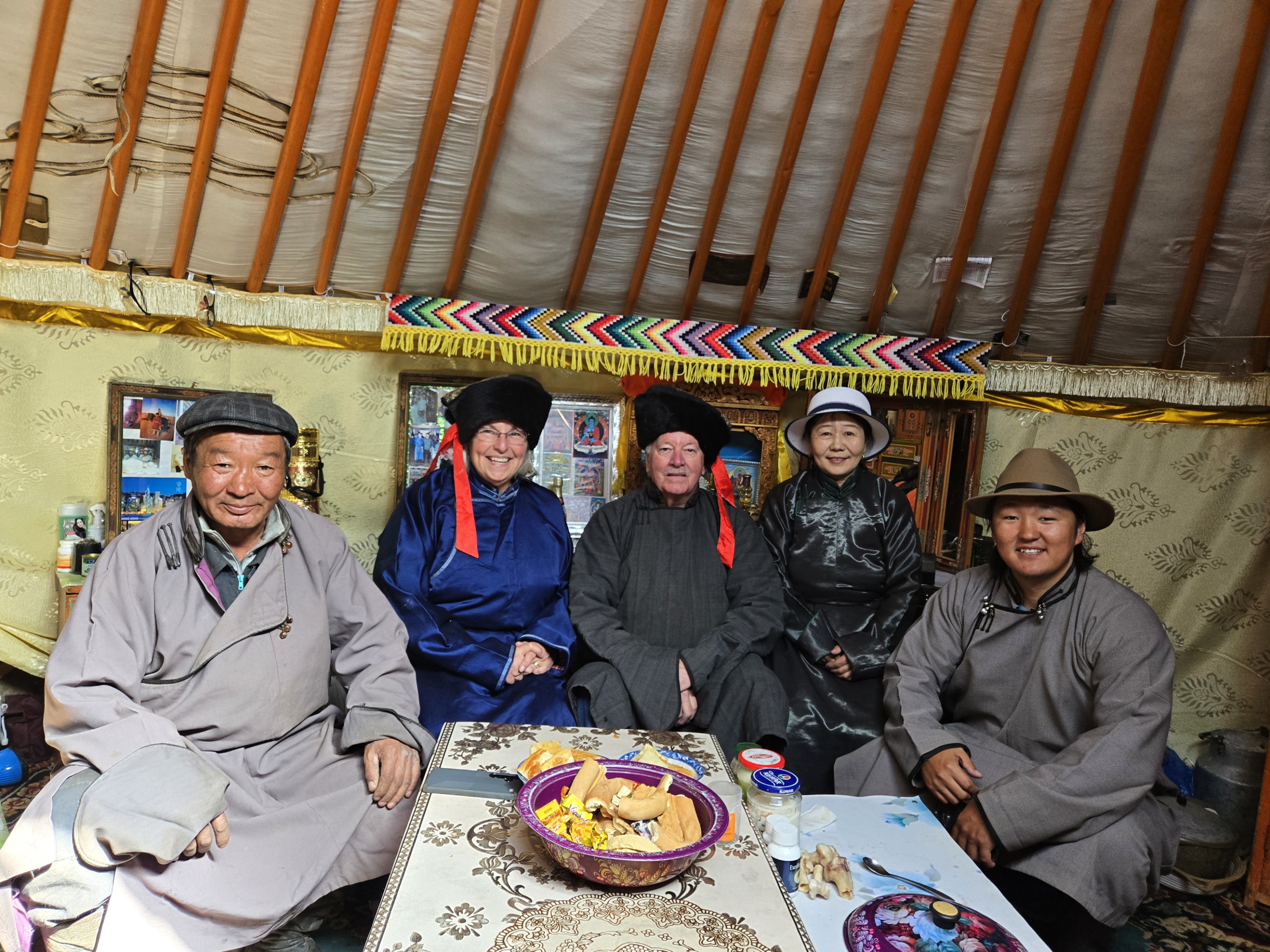
Our extended host family
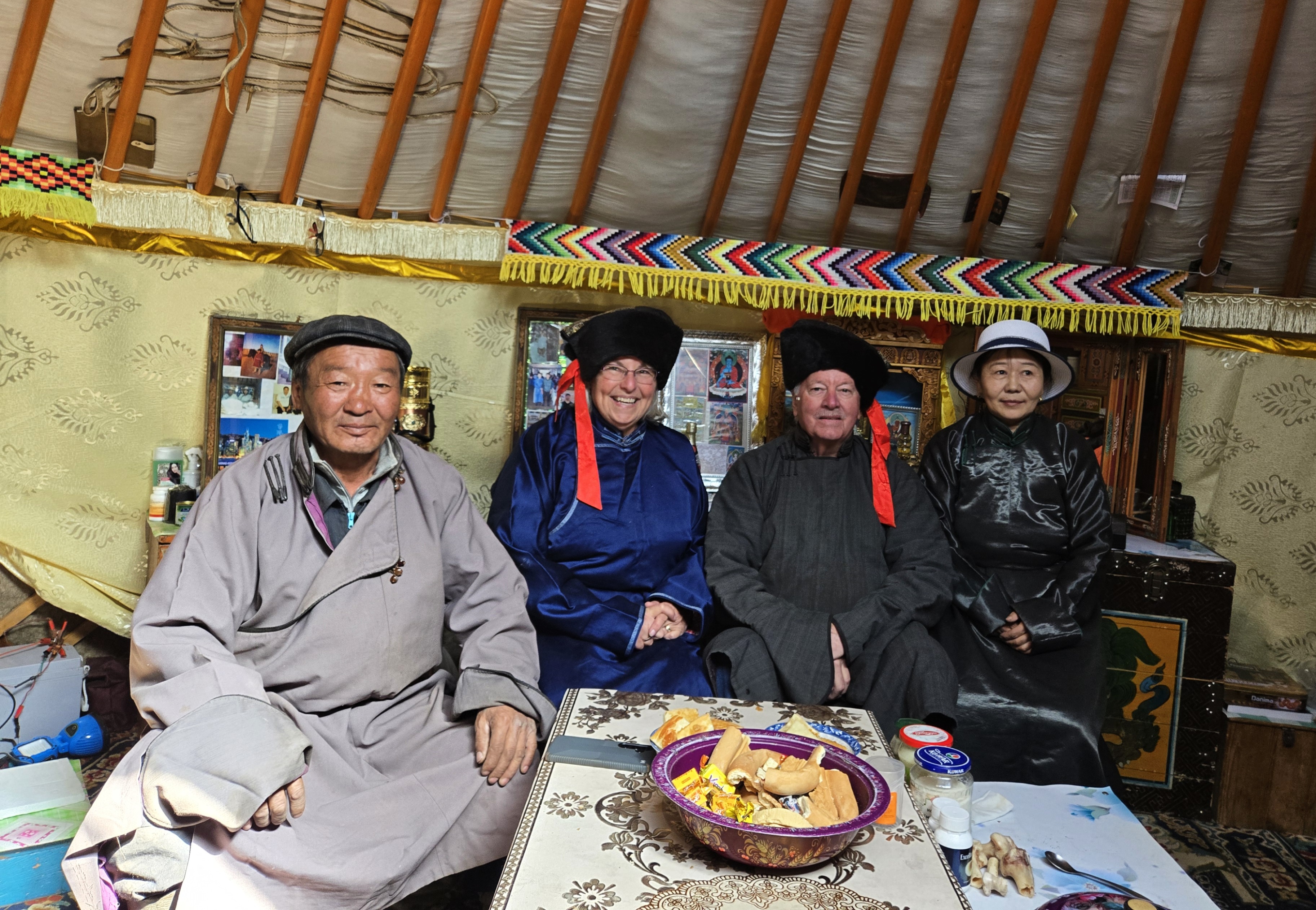
Our host family
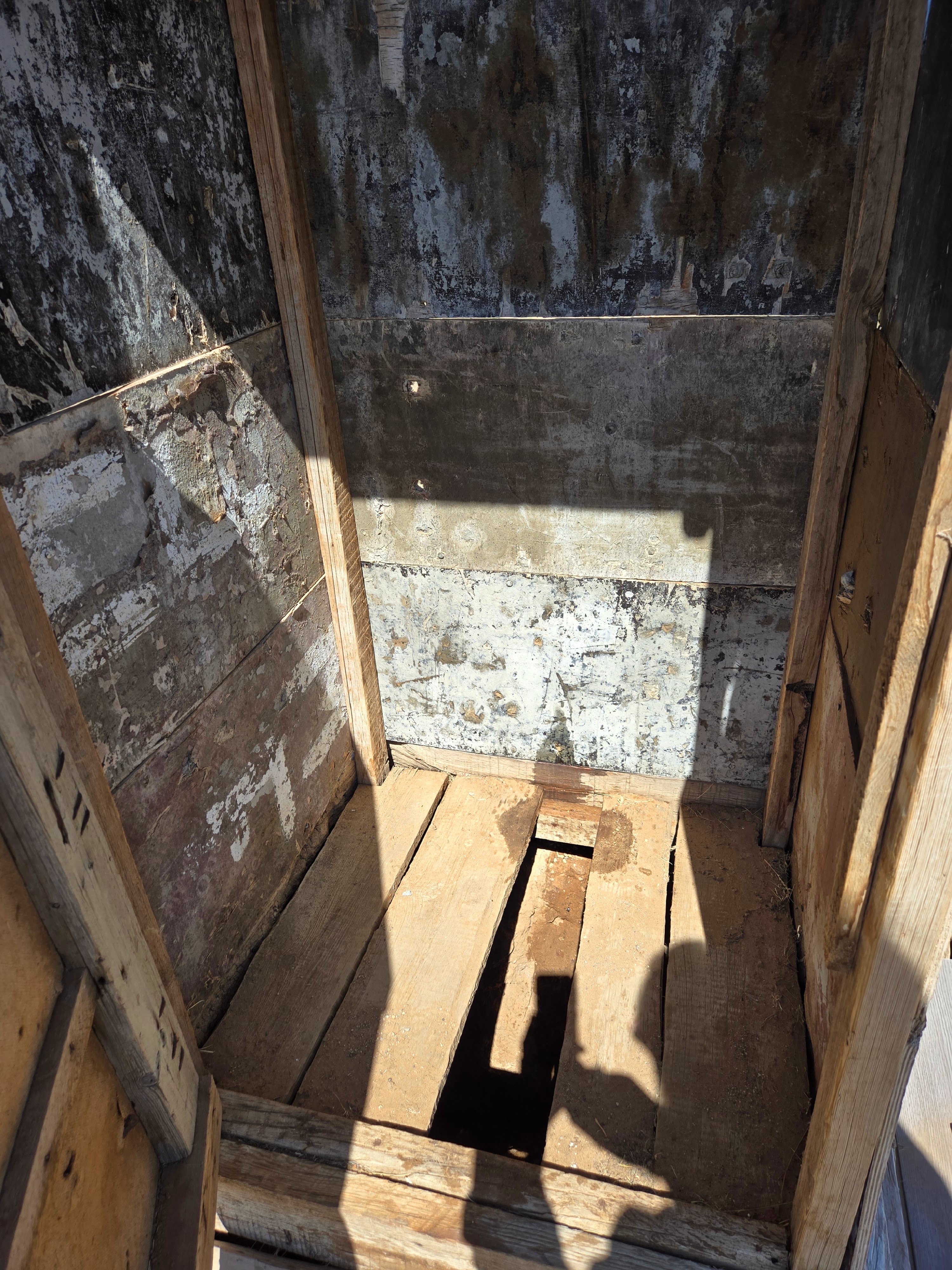
Little brown shack out back
 Back on the road and driving our way to our next homestay family, Gobi Oasis. This tour has 4 homestays, so we’ll get a good cross section of Mongolian lifestyles. Our home for tonight is in Mandalgobi, just happens to be the sister of our tour company owner, Goyo. For the last 20 years, she has been sponsoring a program that is re-foresting the Gobi desert. So far, she and her team have planted thousands of trees in various areas throughout the Gobi. Here in Madalgobi you can see the rows of trees they have planted over the years.
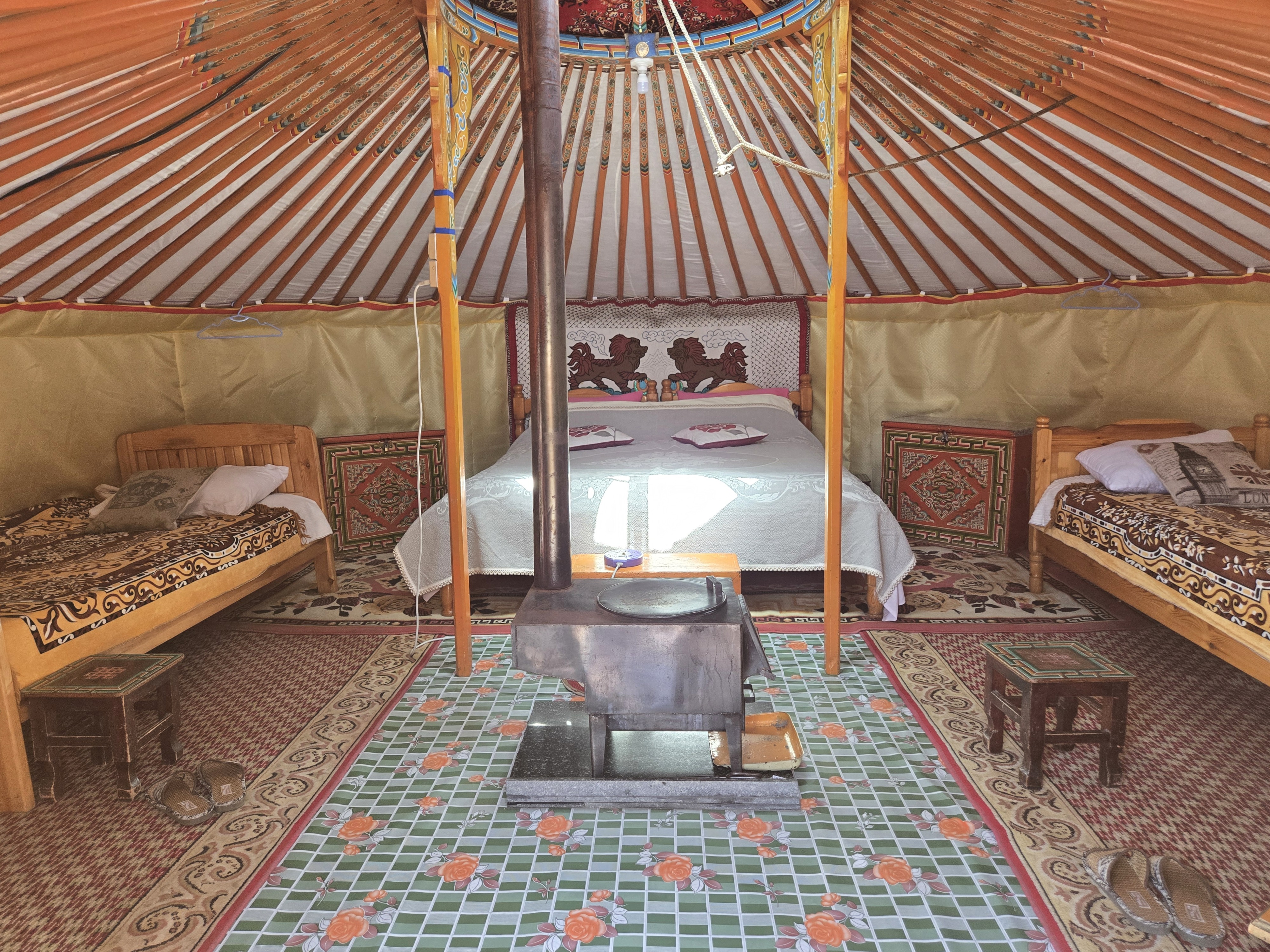
Wow! A queen bed!
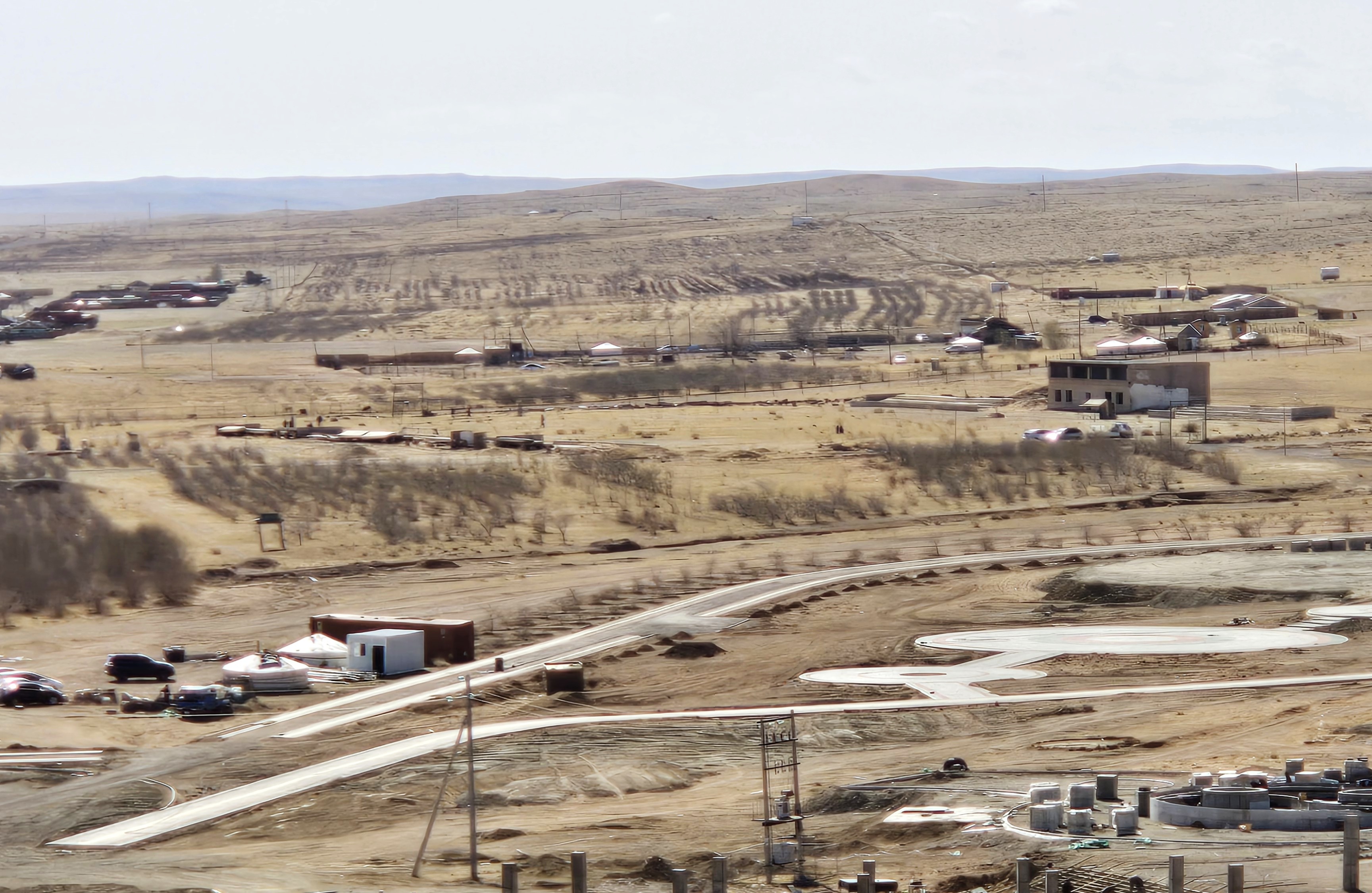
Re-greening of the Gobi (in the spring)
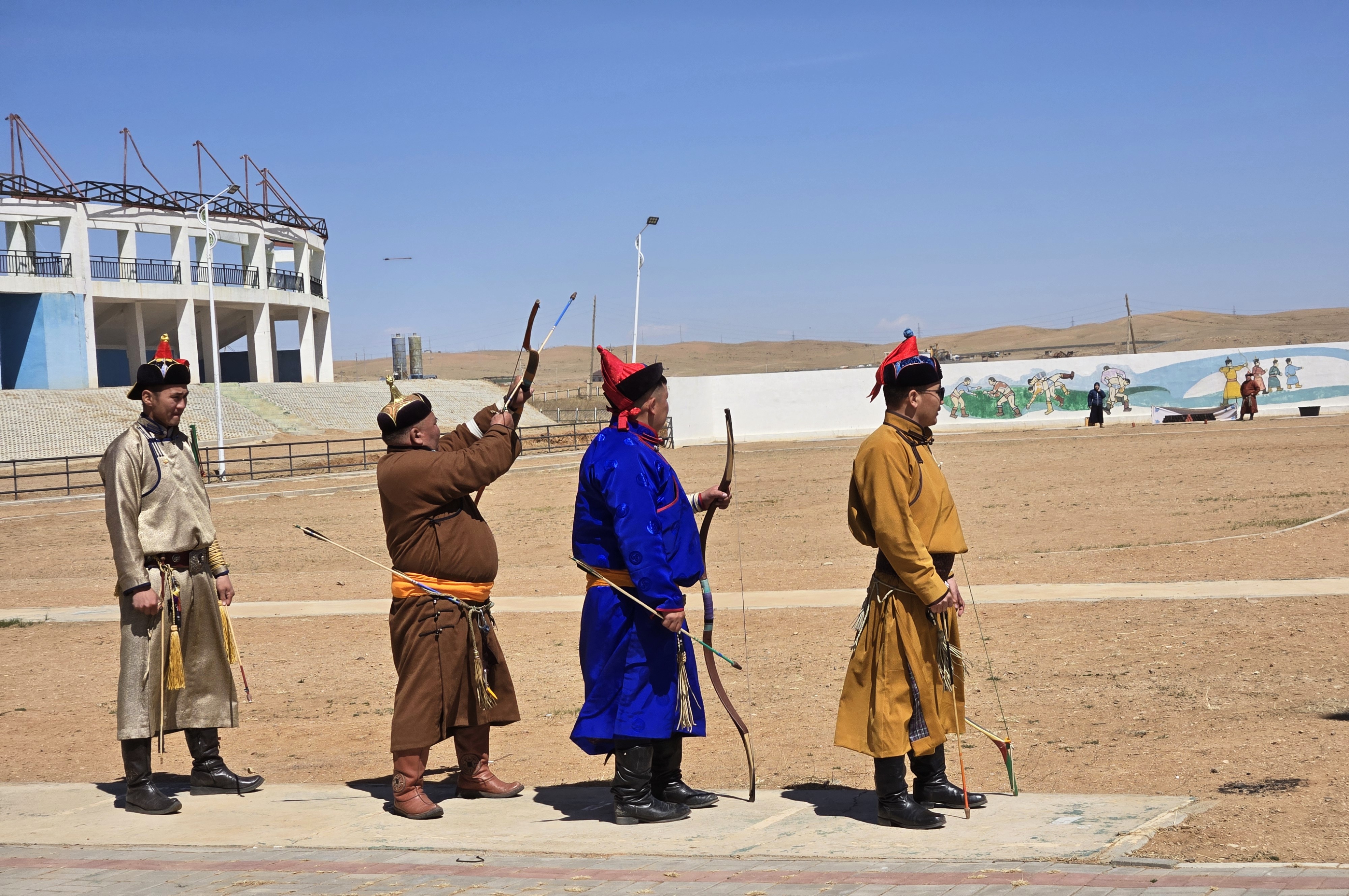
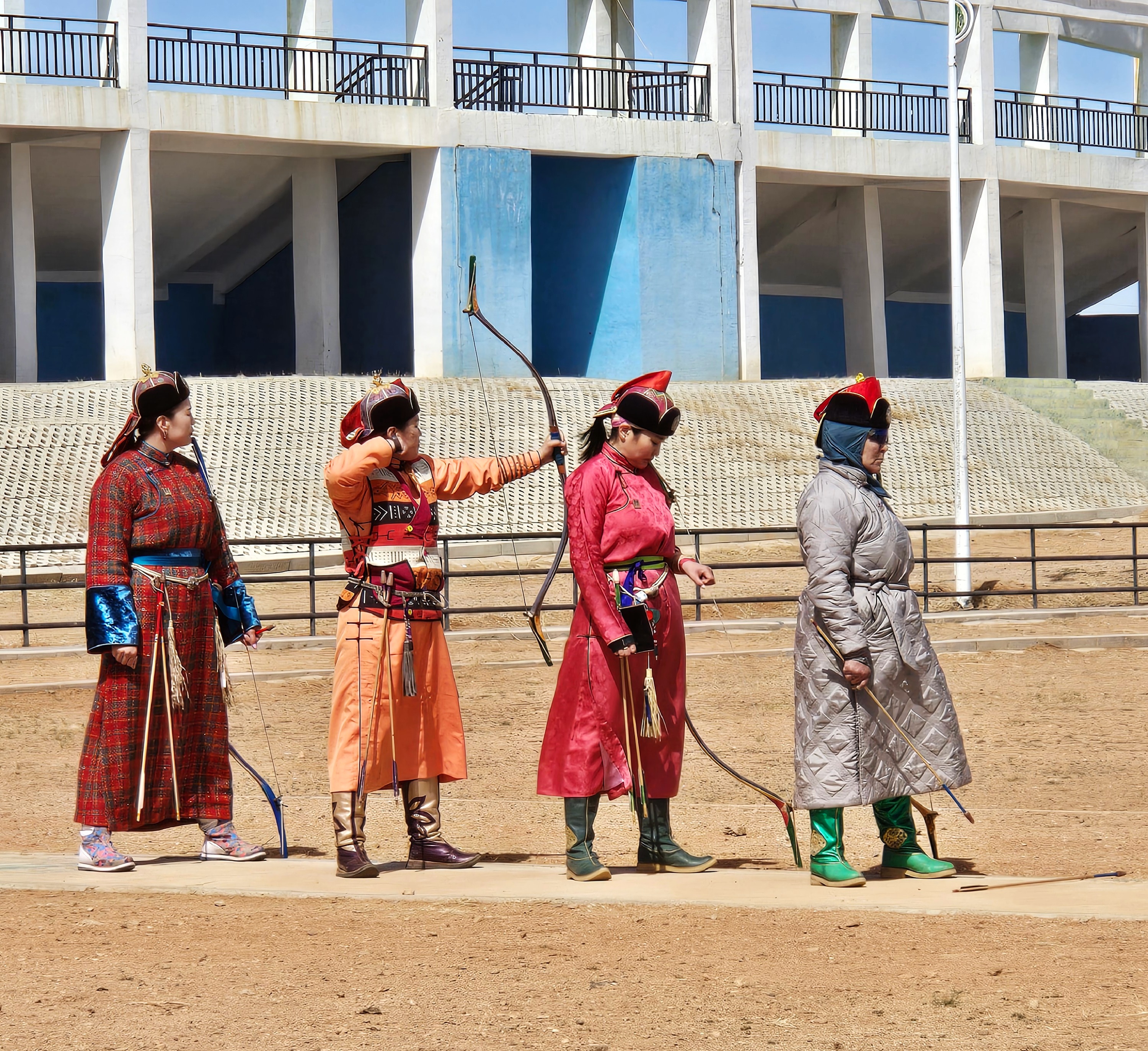
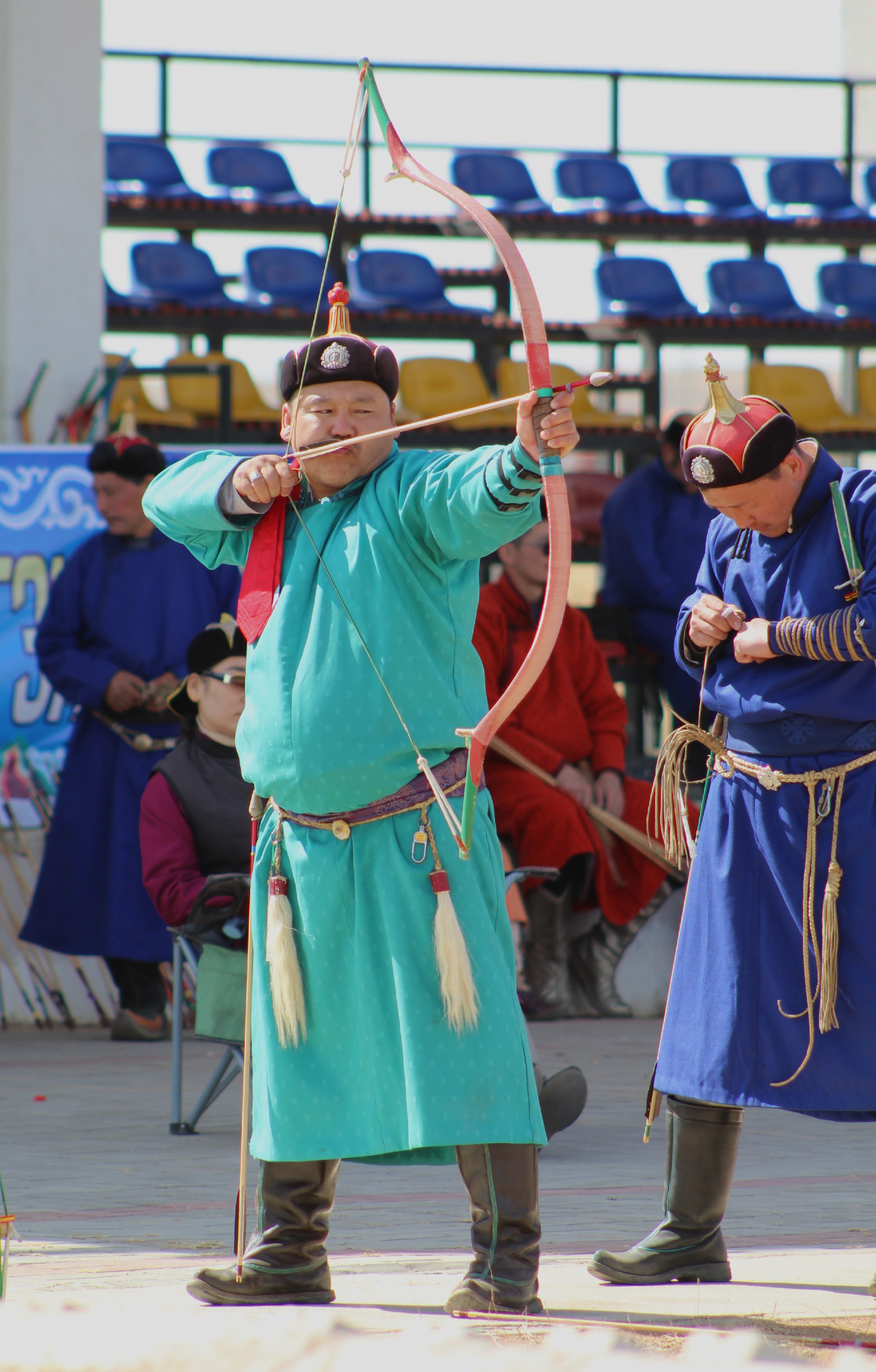
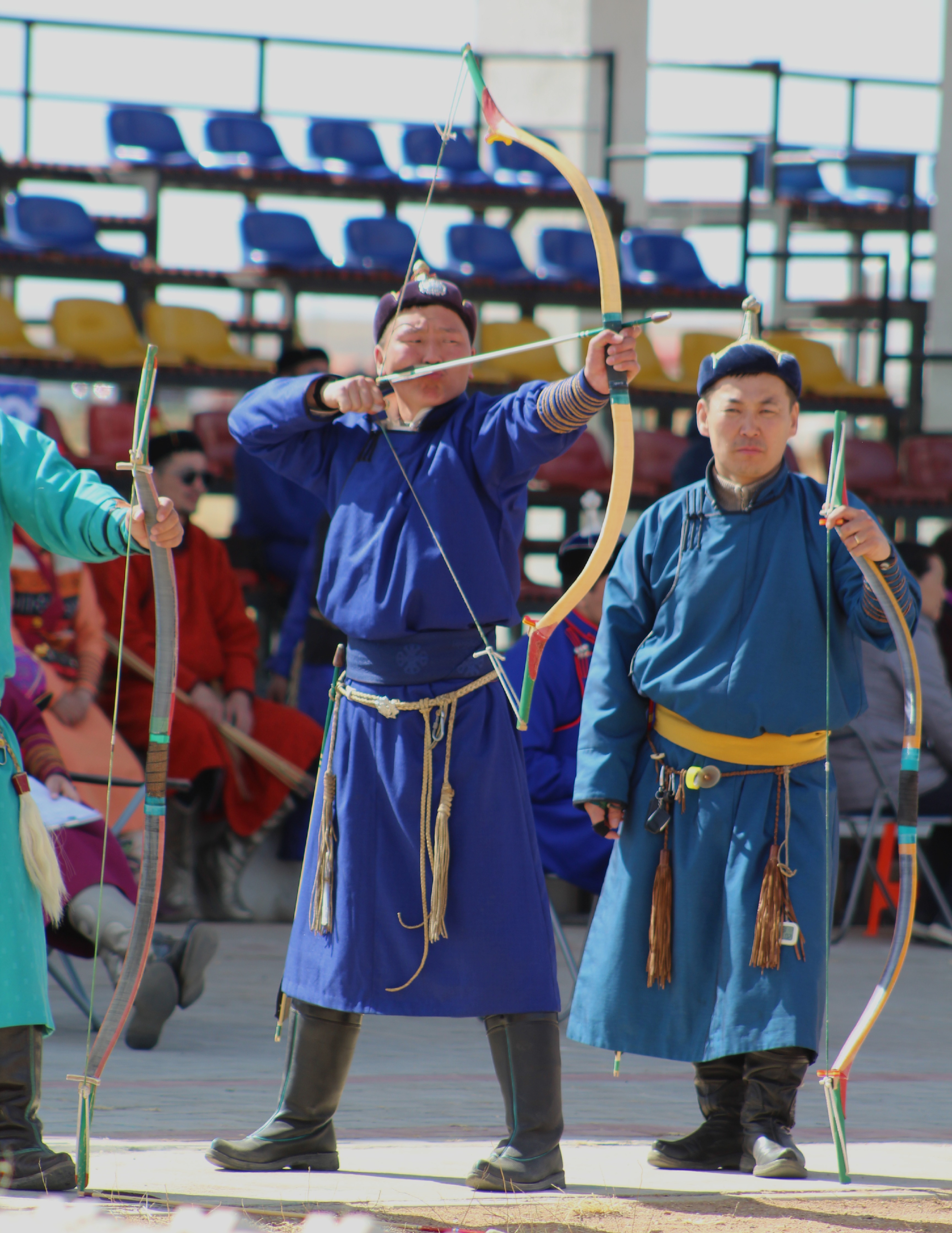
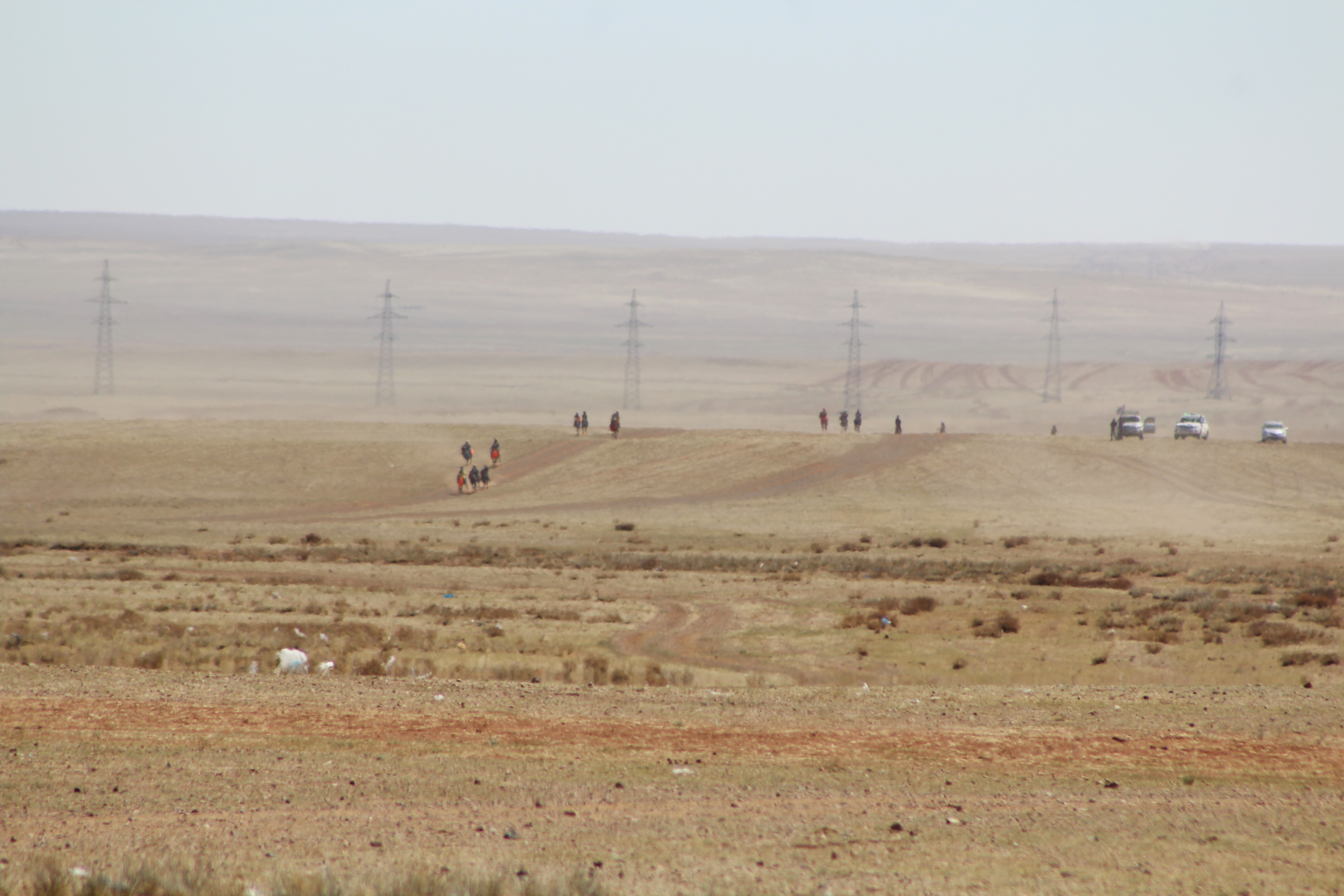
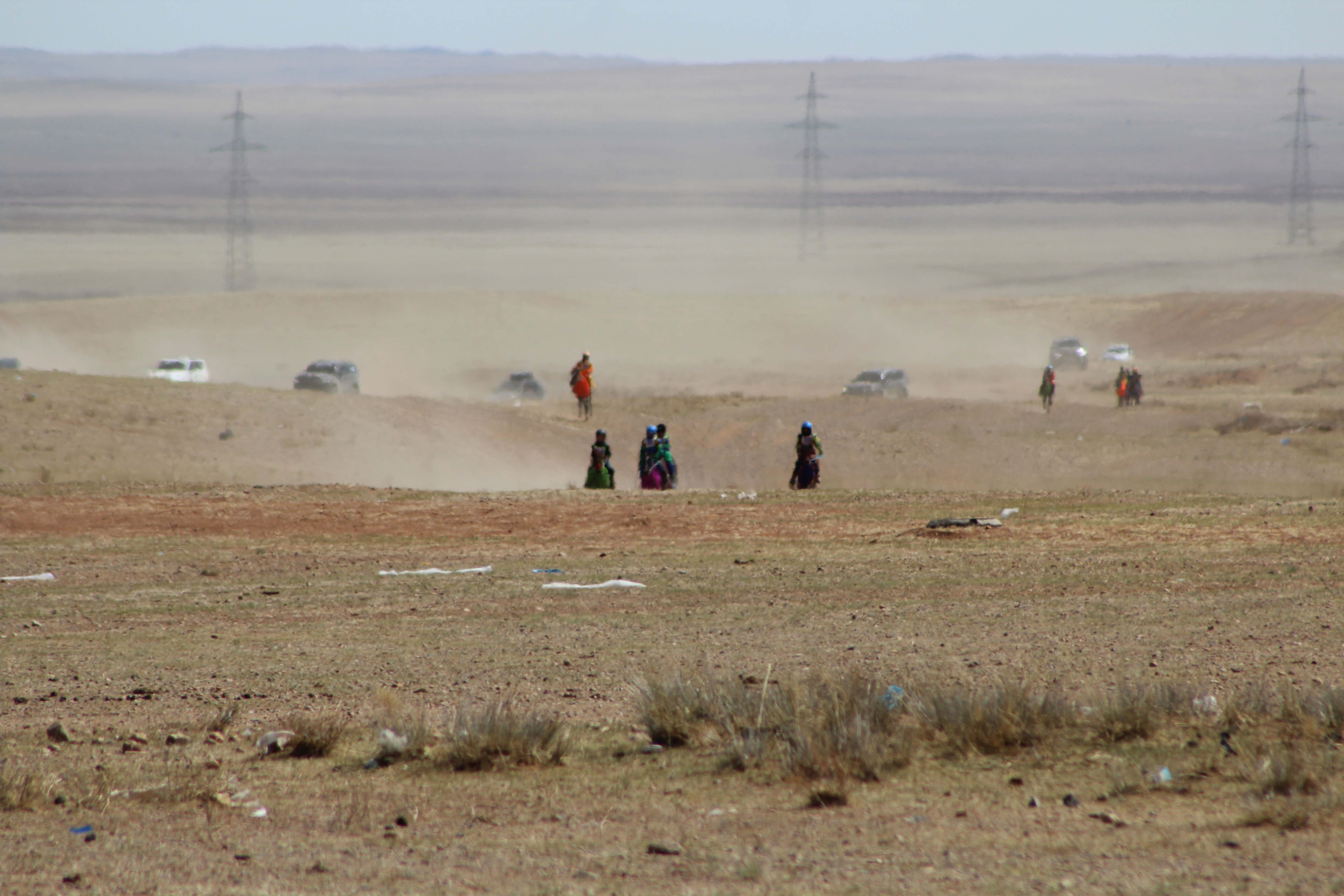
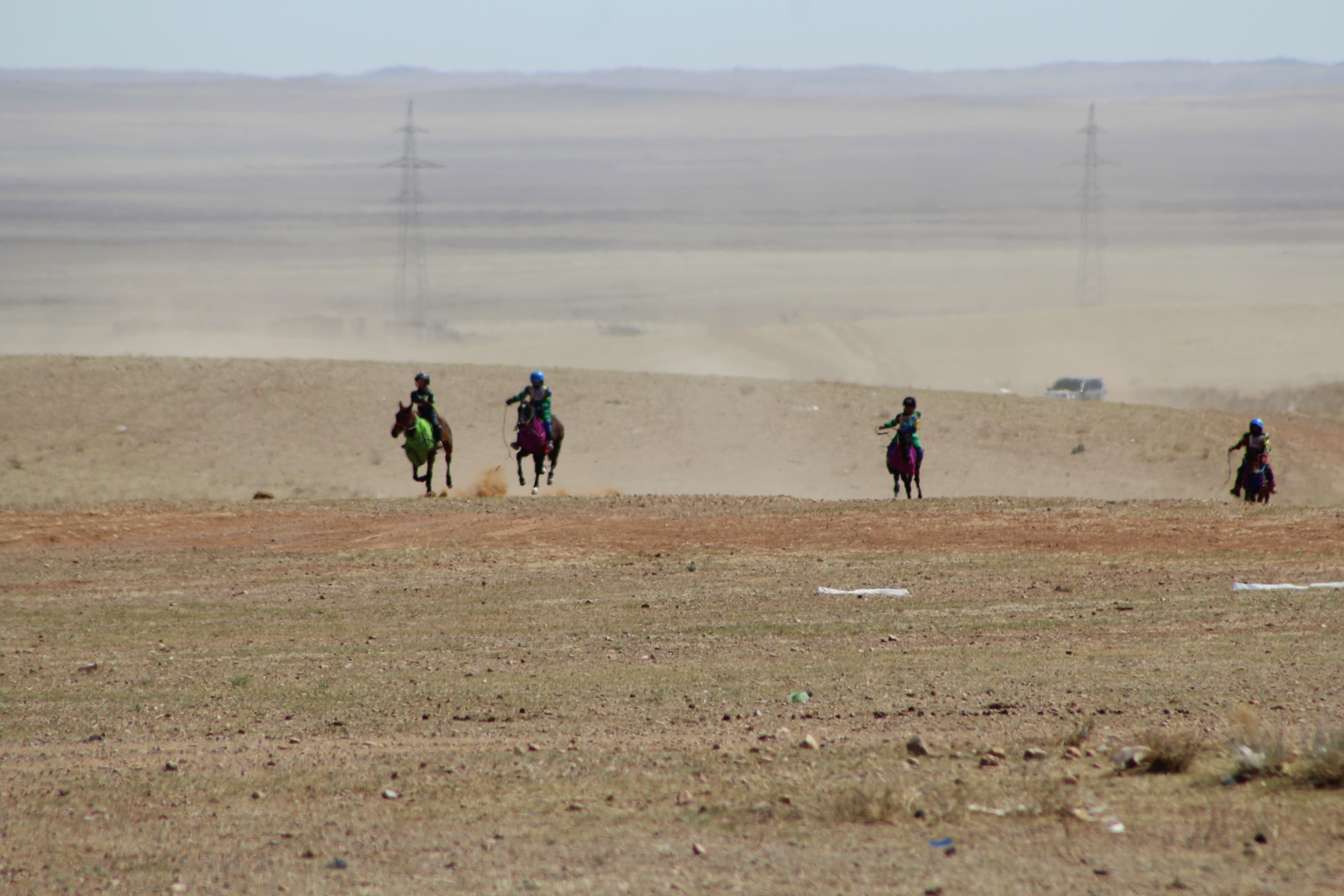
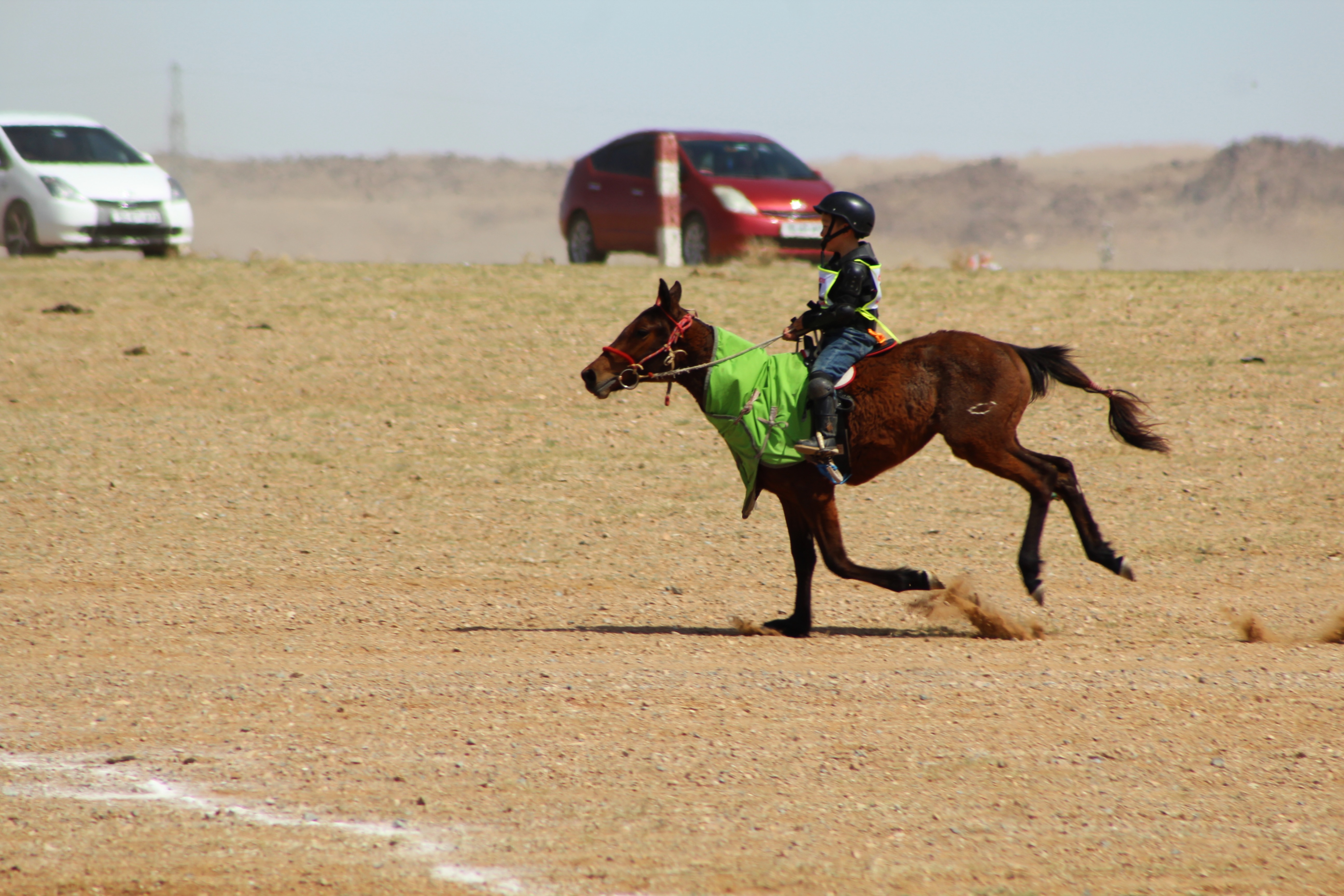
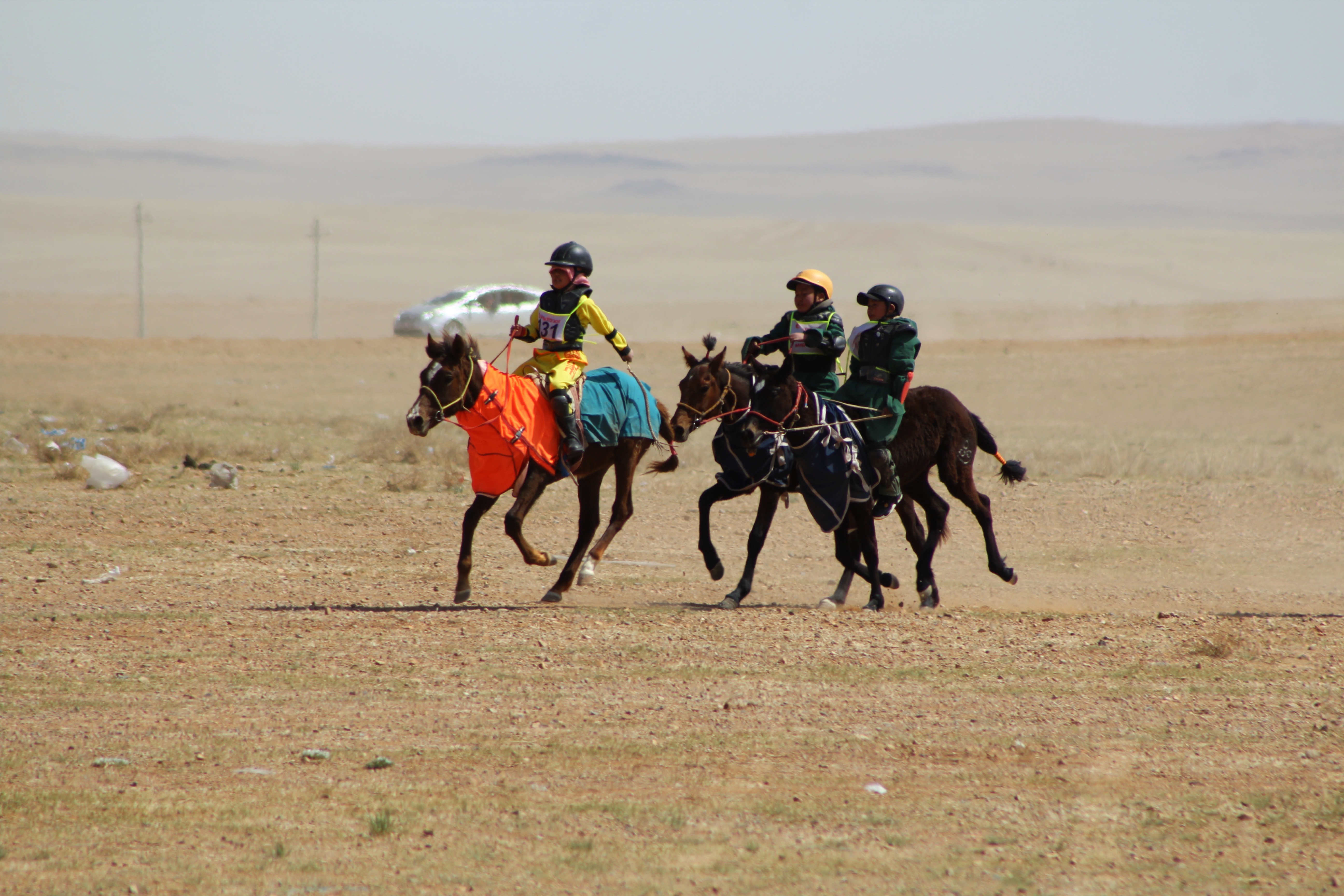
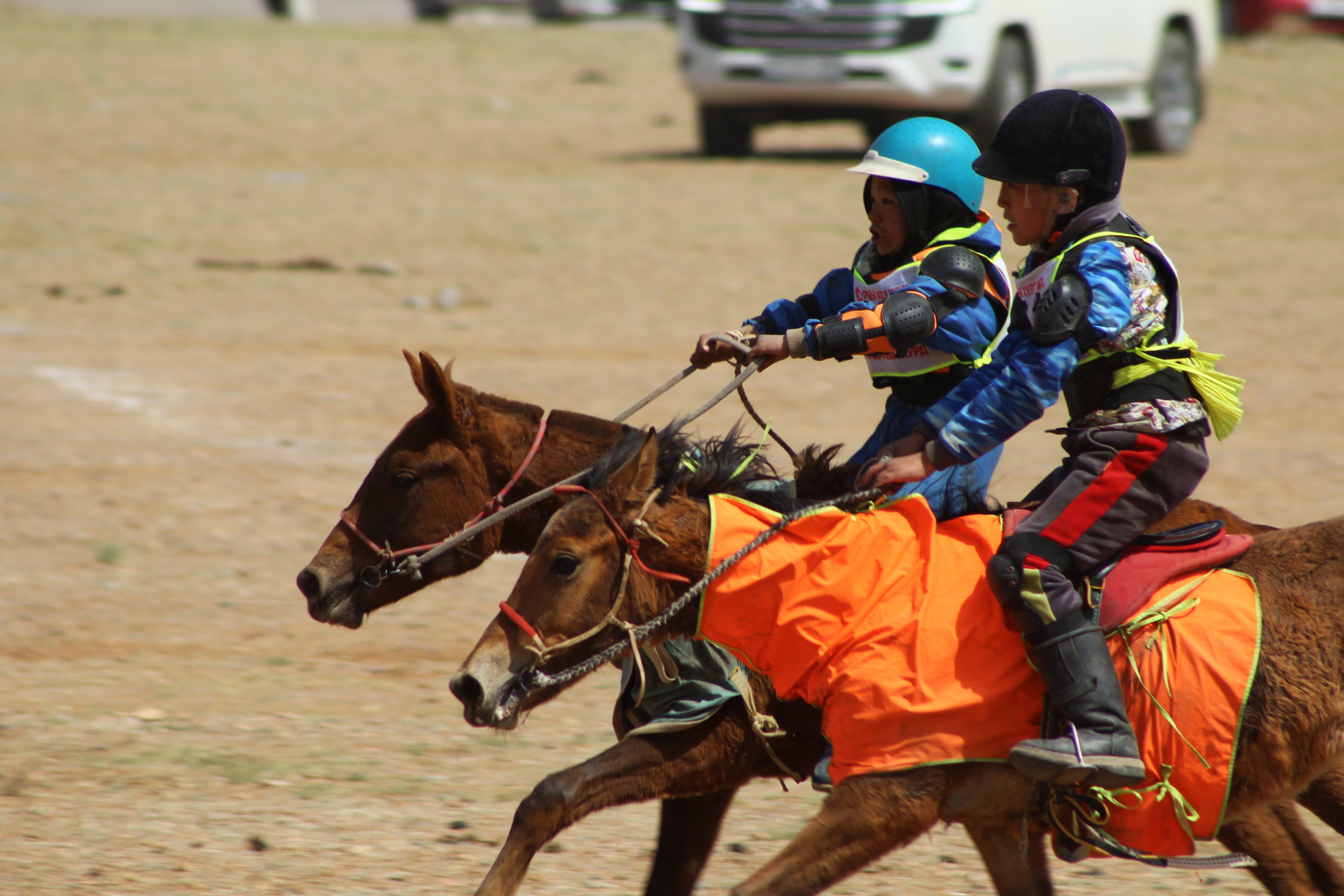
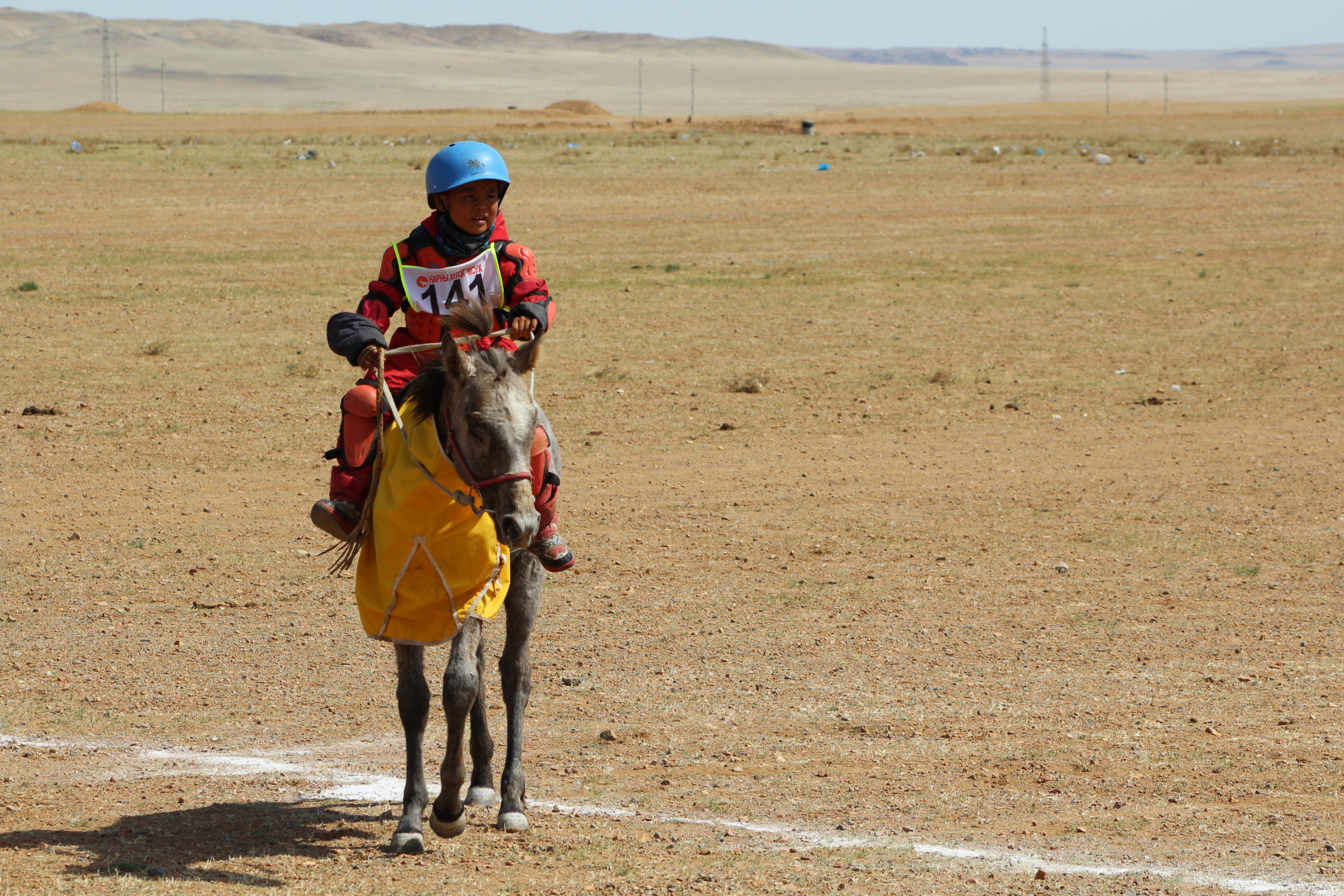
Just as we settle in at our new location, Eric tells us that there is a horse race and archery competition going on at the town stadium. We’re off! We found the stadium and went to the archery competition while waiting for the horses to get to the starting line. The distance for this horse race is 10 meters or 6 miles and the jockeys are kids aged 5 to 10 years old!
Back to archery. The event today is a season opener with both men and women participating. Men shoot from 75 meters, women from 65 meters. The target is a row of blocks with the center marked with yellow blocks. The blocks also are in columns,15 blocks deep. There are two judges, one on each side of the target area that show the archer where they hit the target by tapping parts of their body. Farthest back in the target area is the head, middle is the chest, and so on. Several archers, men and women, hit the target, several do not.
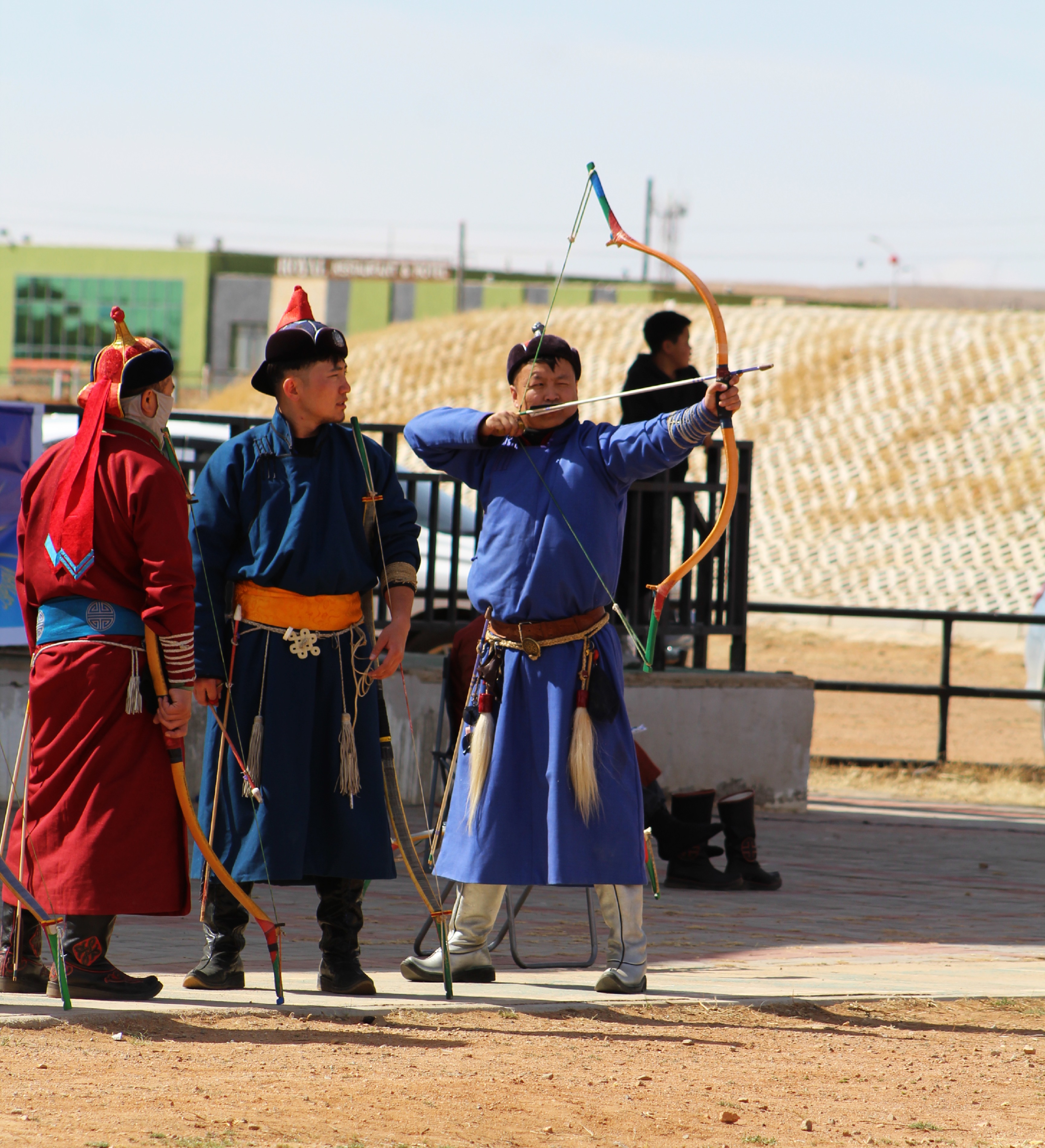
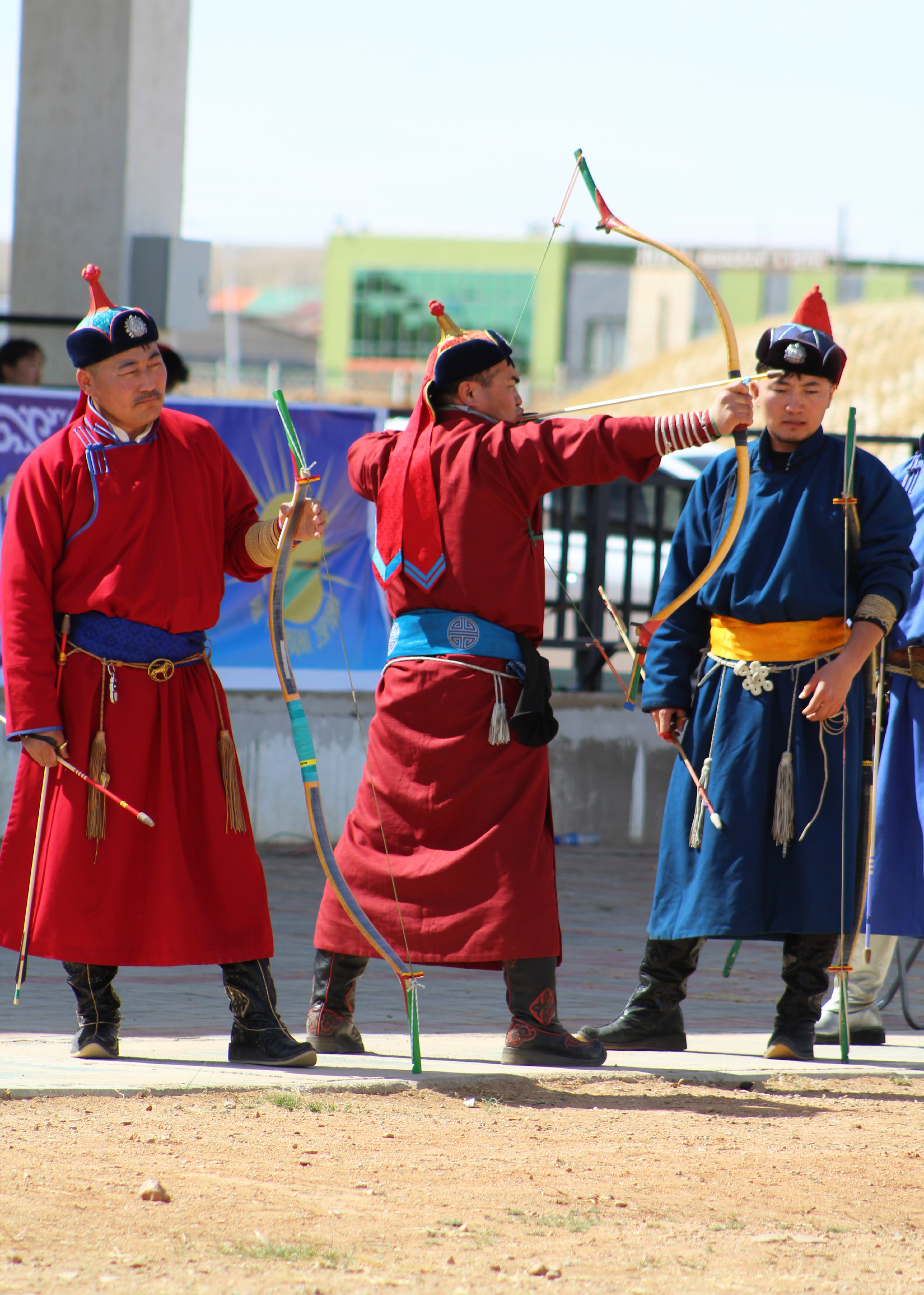
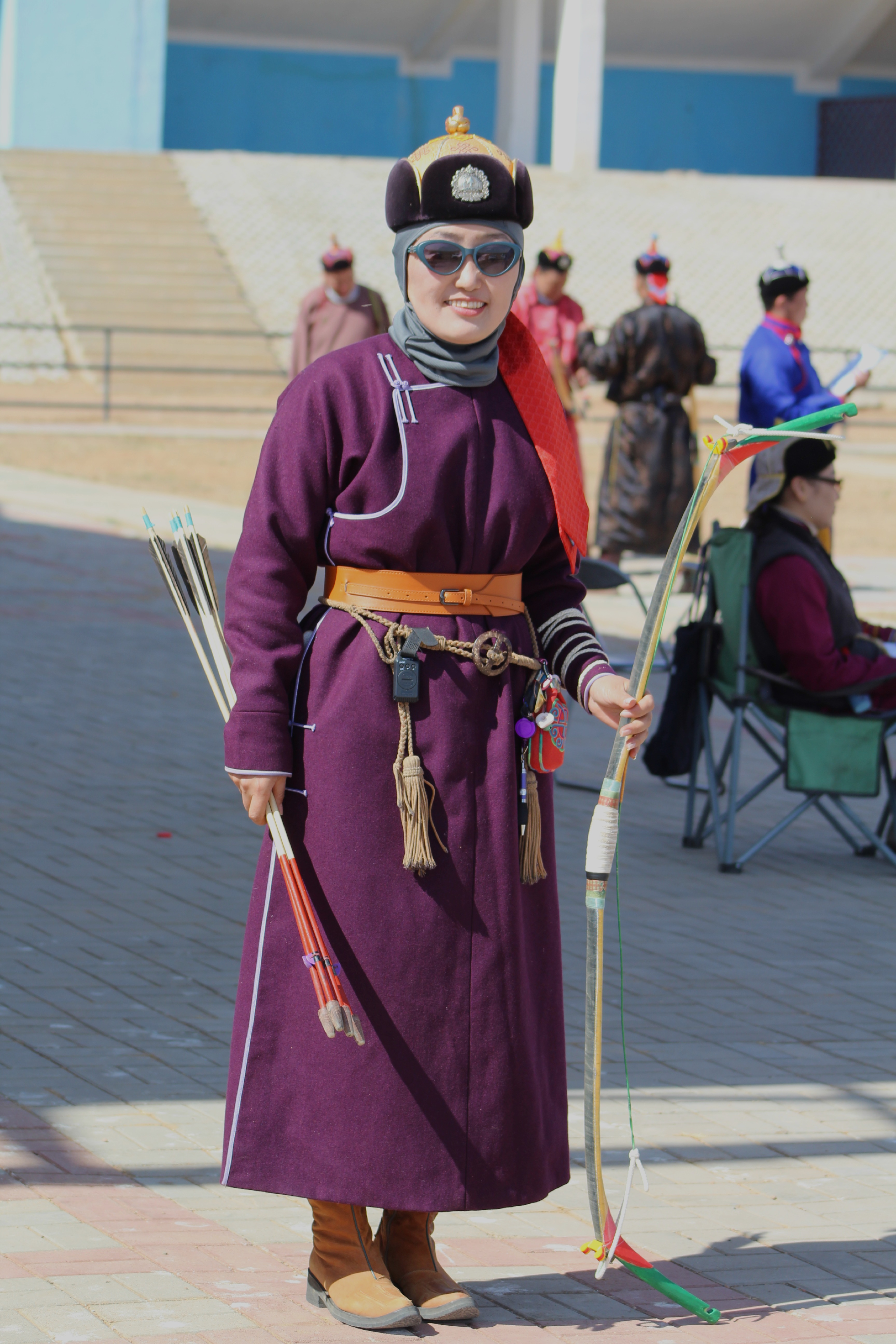 And back to the horse race. The horses have already started so we need to make our way to the finish line. Eric tells us that prize ribbons are given to the first 5 finishers and the last place rider. The last place rider is given a ribbon to encourage them to keep trying.
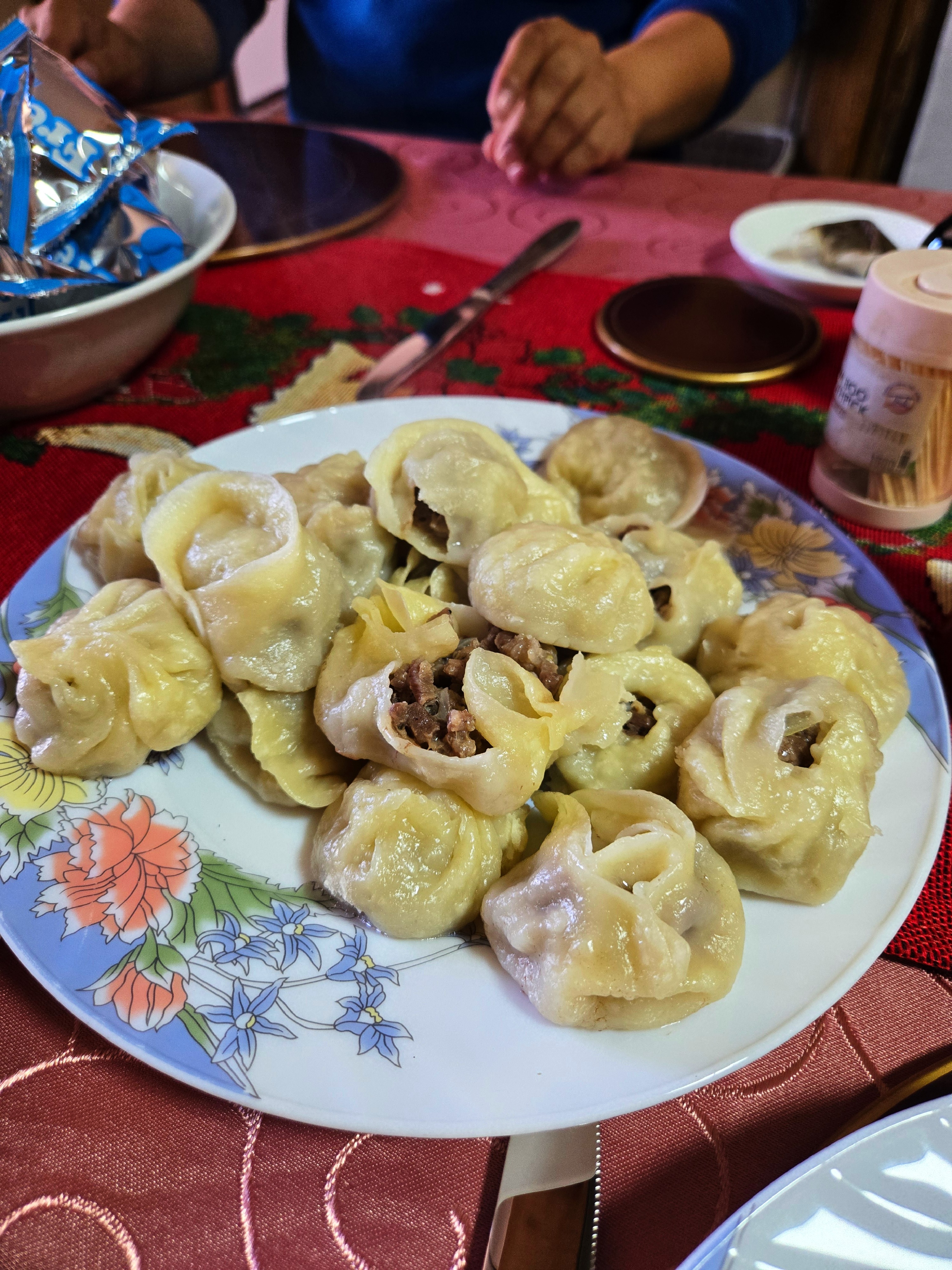
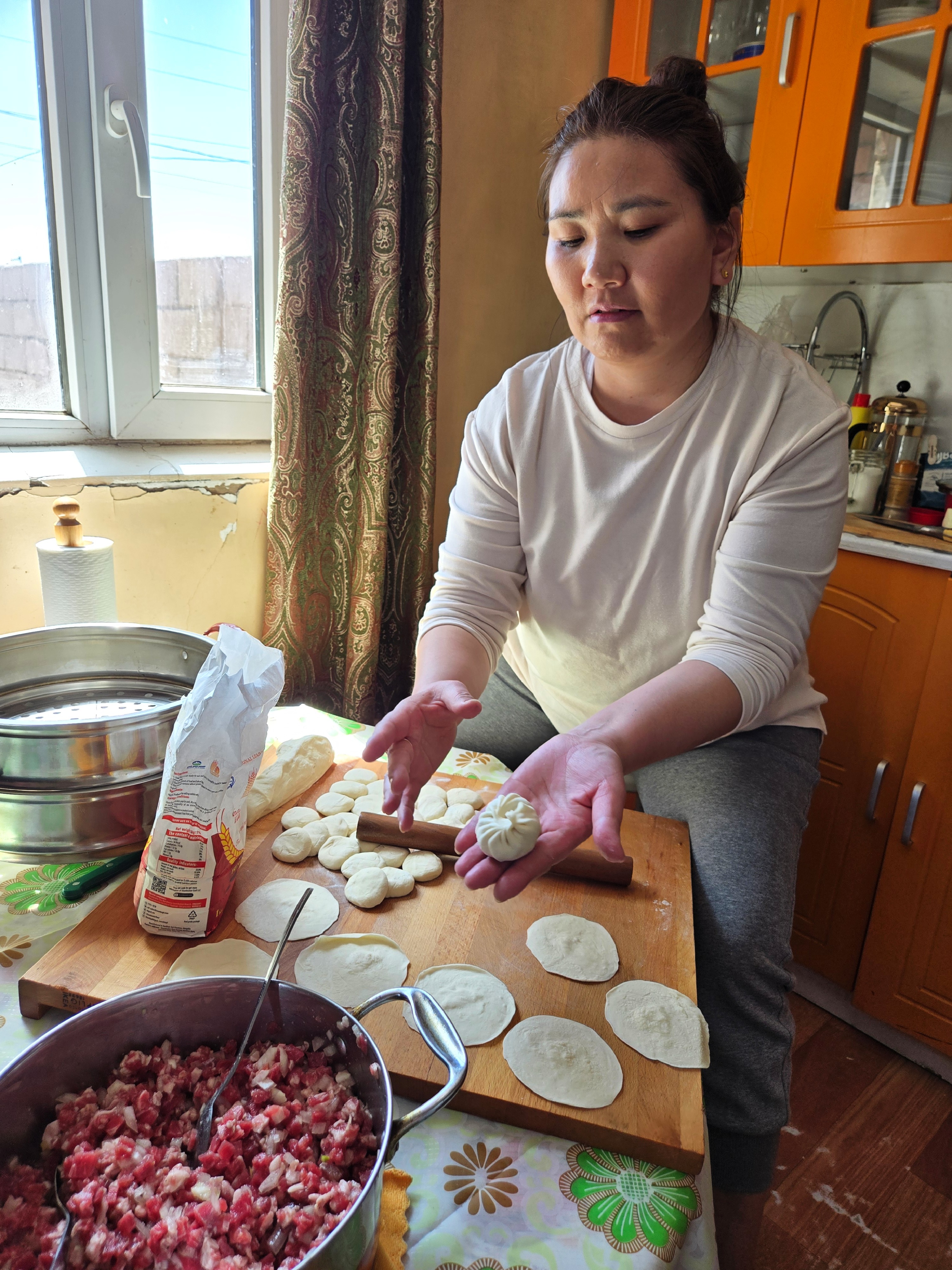
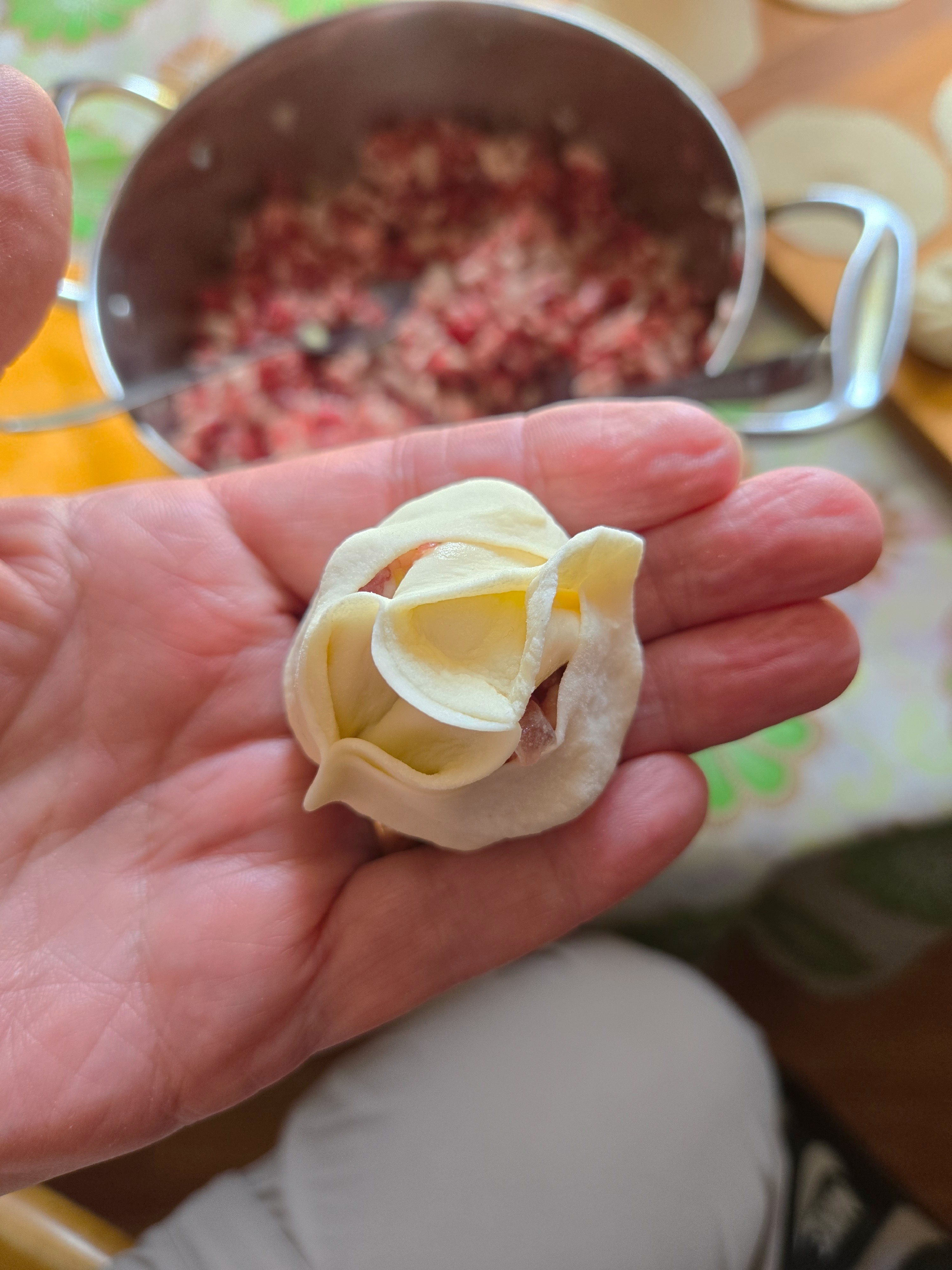
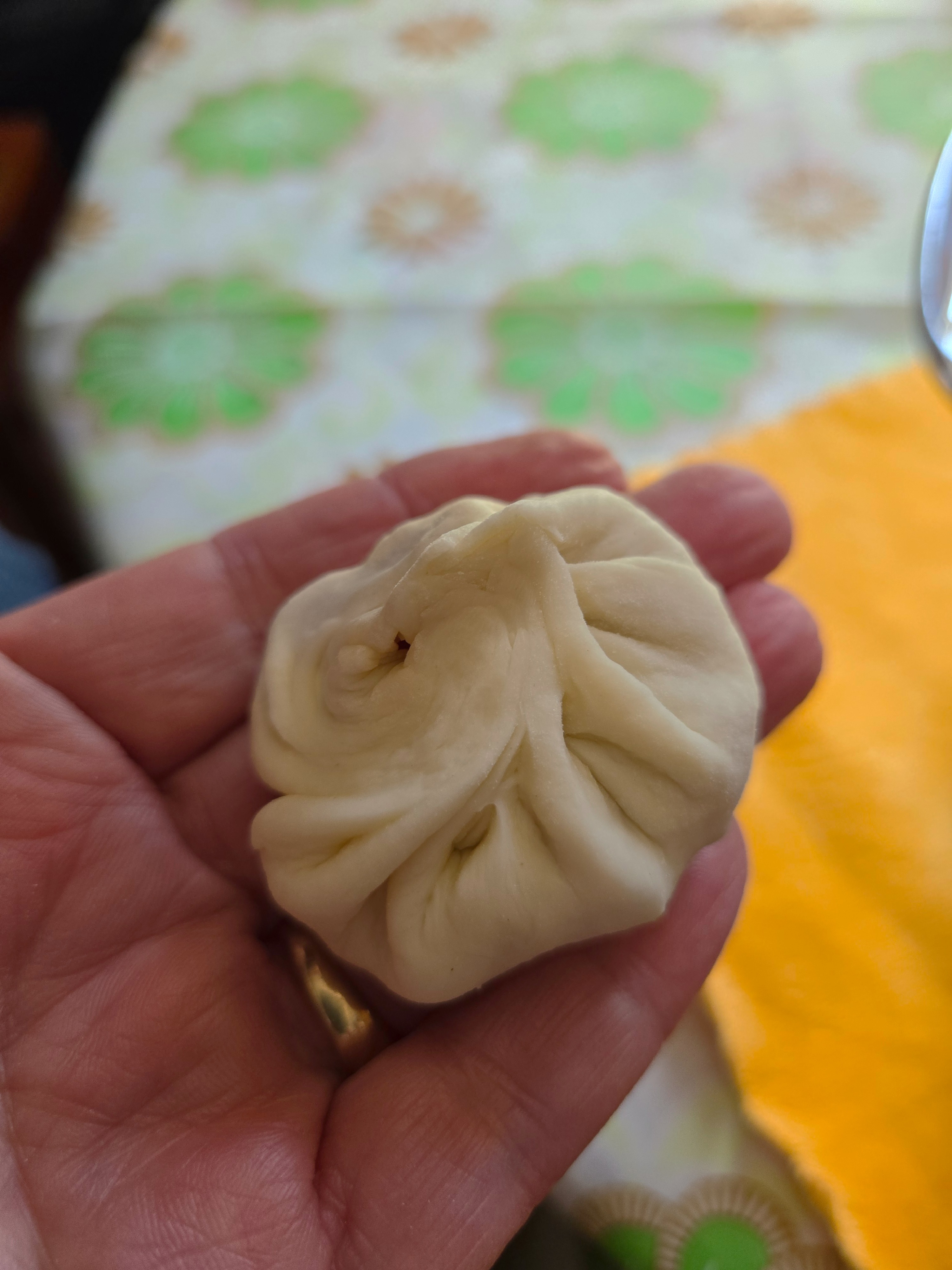
 Archery is done, race is done, now back to our home stay to learn how to make dumplings. As part of our indoctrination to Mandalgobi, we all learned how to make dumplings. OK, I’m not real good at it but Collette made up for my mistakes. Guess which ones I made.