Bruges (or Brugge in Dutch)
So the day begins at our B&B with the usual Dutch breakfast, 2 hard boiled eggs, meat, cheese, bread, yogurt, and coffee. Not bad but certainly not as filling as a good ole American breakfast.
No bad words about Belgium waffles, THE BEST!!!
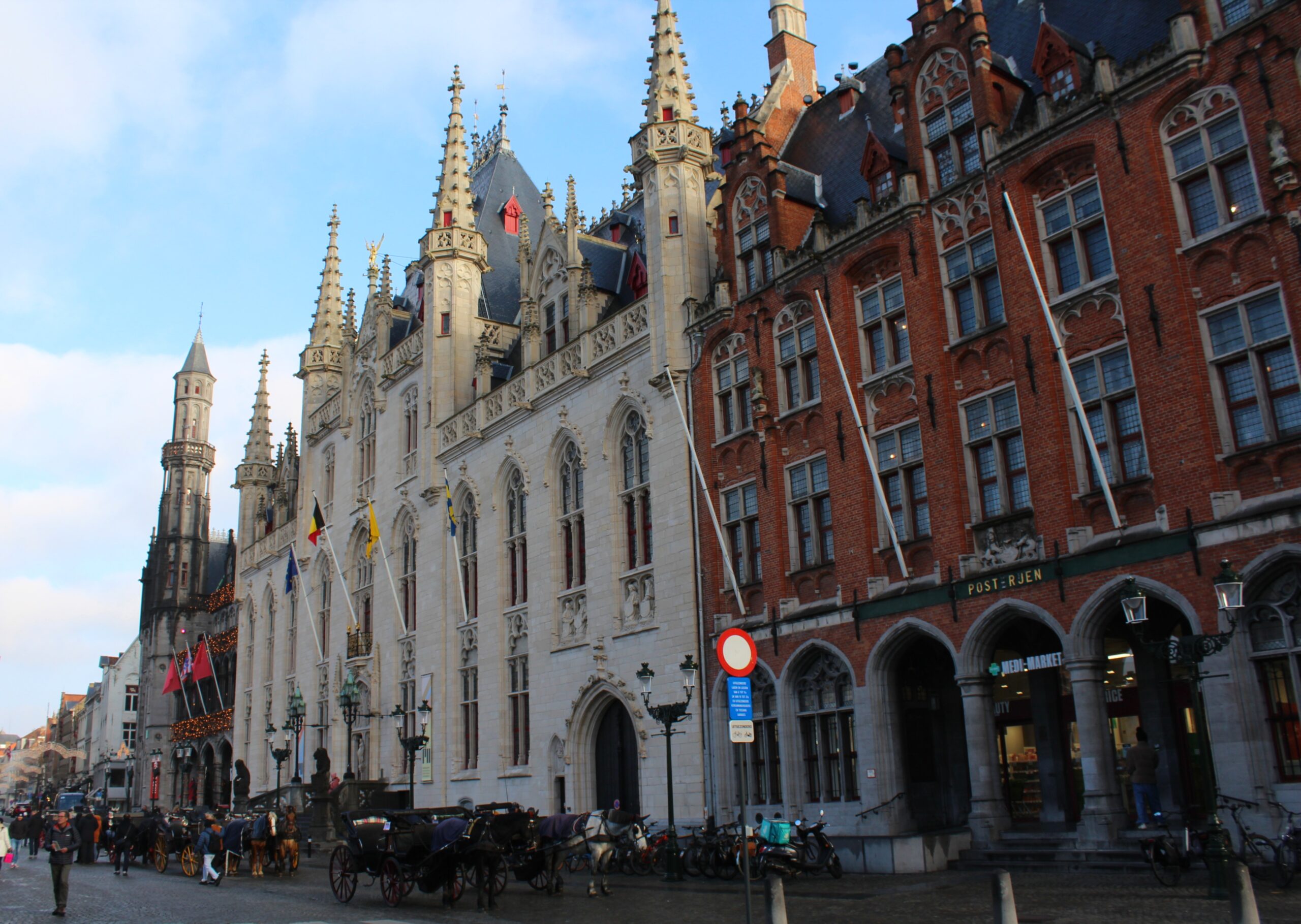
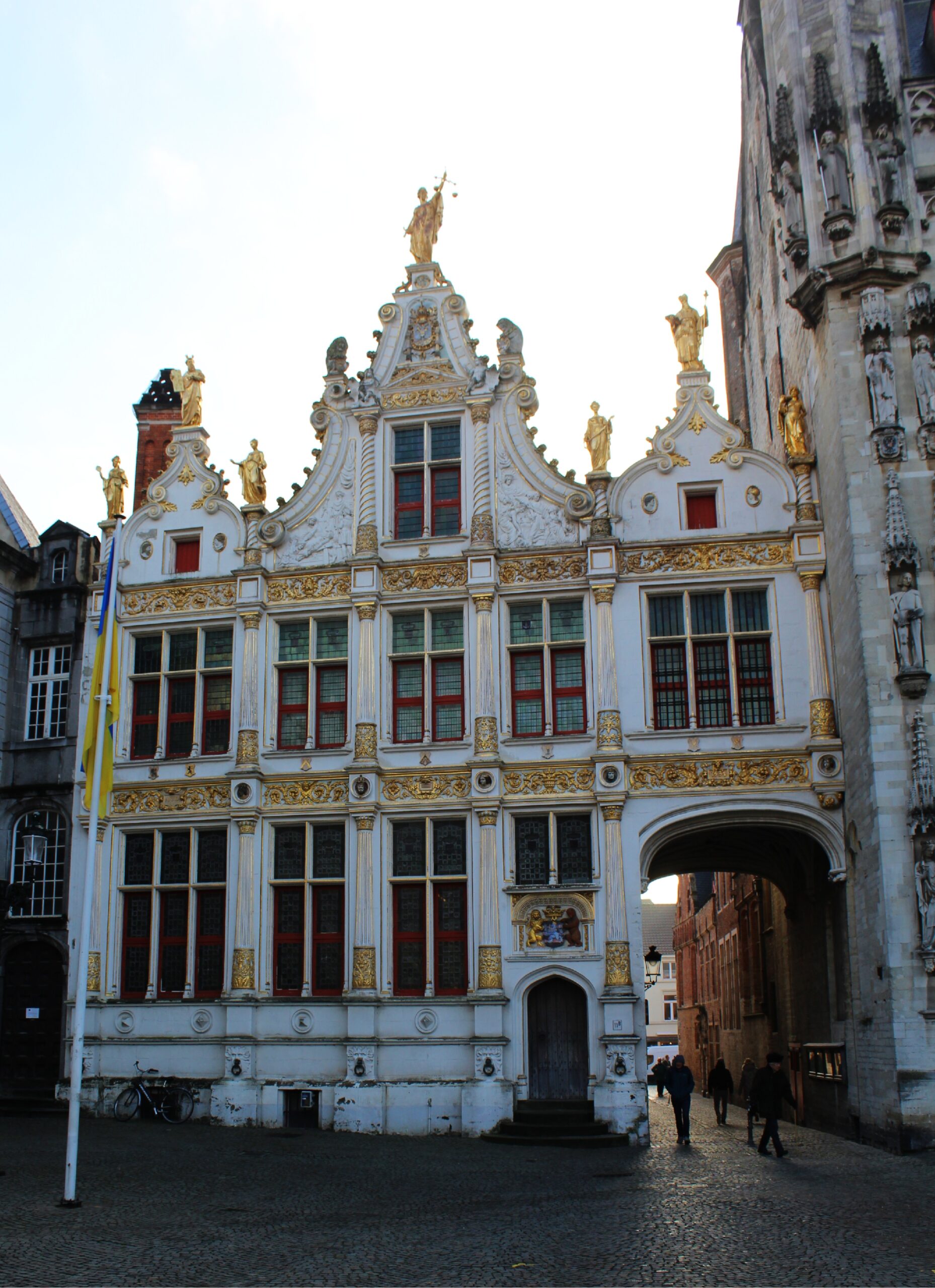
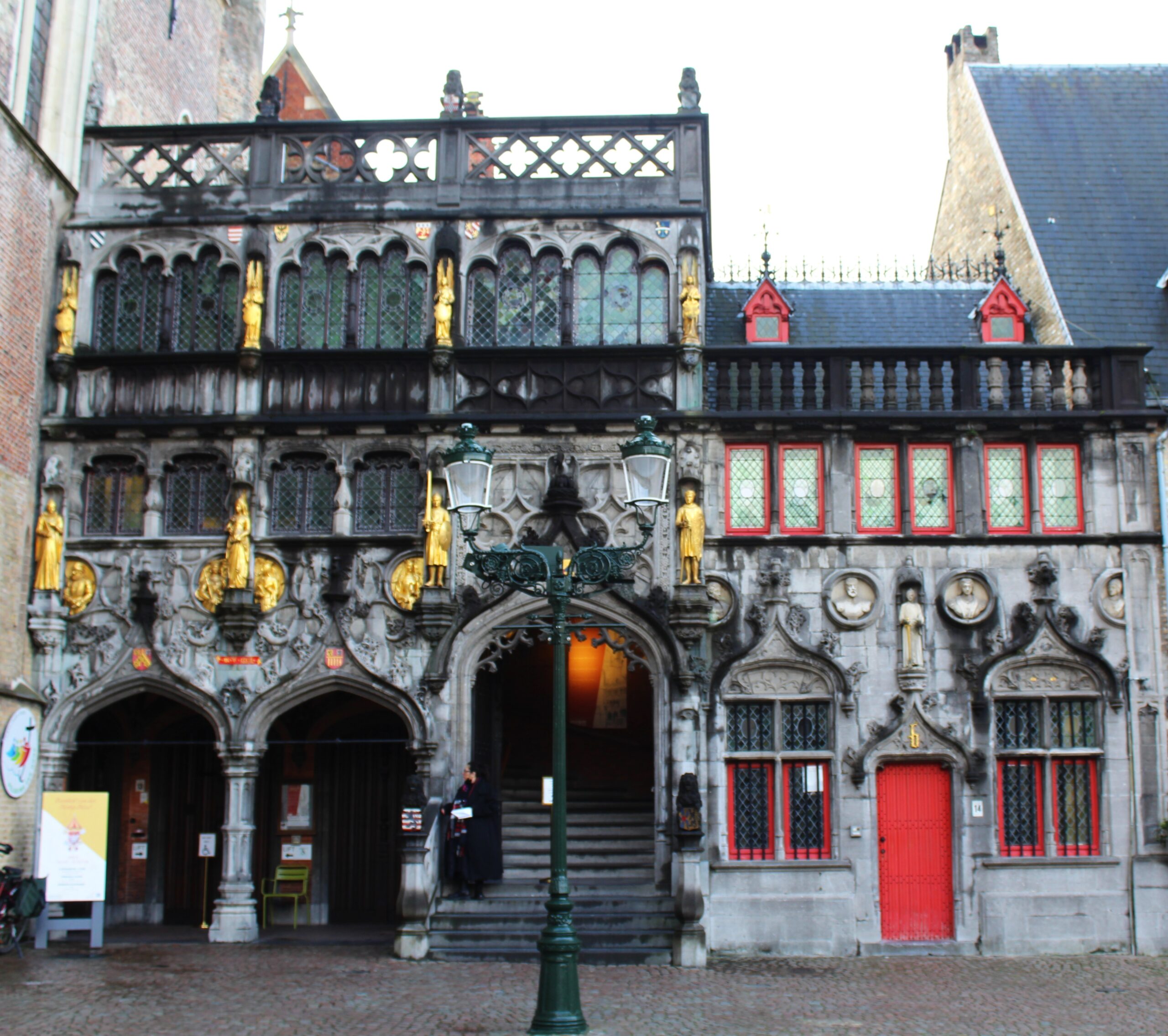
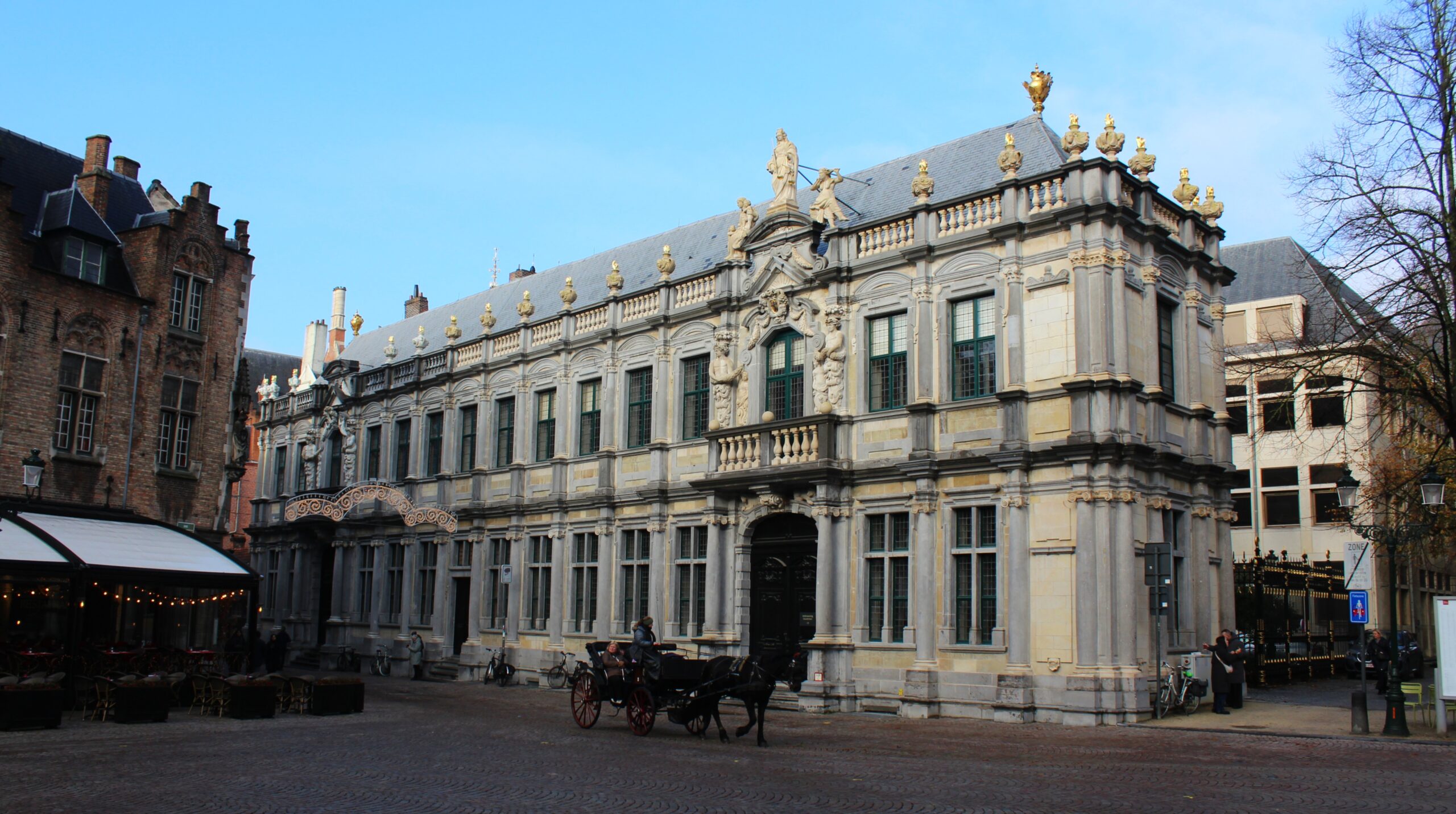
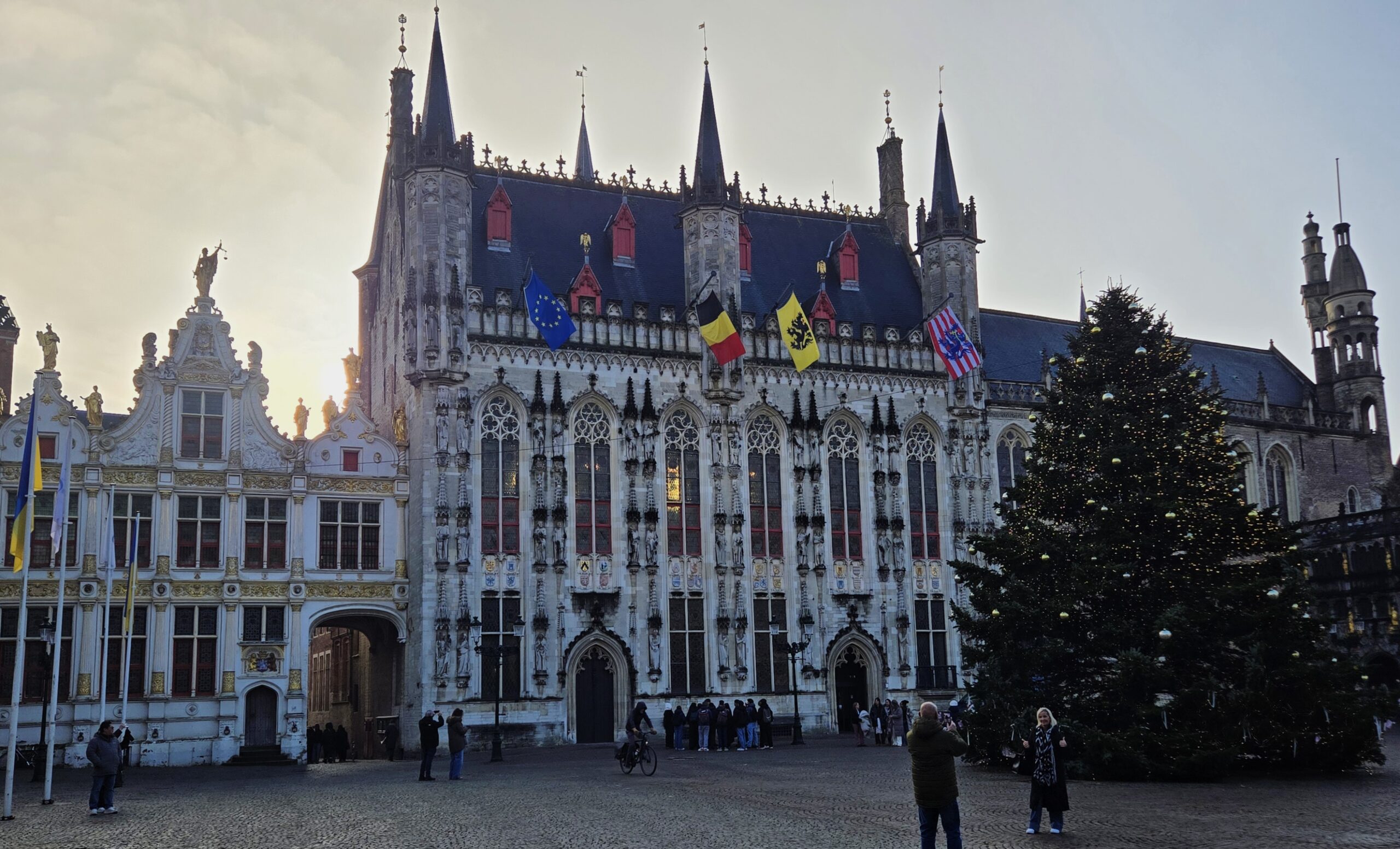 Out and about today, weather is holding for us, cloudy but no rain, temp around 35F (high). Not a lot of people around, guess some decided to go to work instead of walk around the square. I really don’t know how Europe gets anything done. There are hundreds of wanderers in every town we’ve been in, every day of the week. These aren’t tourists, these are locals strolling around window shopping, having a coffee, lunch, or a smoke. Collette and I often find ourselves in a mass of folks just circling the square. And the smokers, good God! They really haven’t gotten the message that cigarettes kill you. Nothing like a self-cleansing habit. Guess we don’t really need to worry about how we can feed the masses in the future. A good portion of Europeans won’t be around.
OK, back on track. Bruges has been an encampment since before history. (When is “before history”?) History officially began around 3300 years ago. No idea who said that was the cut off, but it is. It has been a coastal settlement of importance that has been ruled by almost everyone, the Franks (Oscar & Meyer), Julius Caesar (the guy Mark Anthony 86’ed), the Vikings, the French, yadi, yadi, yadi. Needless to say, Bruges was an important coastal area that was prized as a major crossroads for trade.
So, things settle down and Bruges becomes the capital of the County of Flanders in 1089. But the Lord giveth and the Lord taketh away. By 1150 AD silt had accumulated to the point that Bruges lost its direct access to the sea. Not a good thing for a seaport. BUT, 80+ years later, a storm swell reopened the access. Pays to sacrifice a few goats now and then.
Moving along, by the 14th century Bruges had grown to around 46,000 inhabitants. It was here that artists, bankers, and other prominent people in Europe decided to locate. Skilled weavers and spinners had made Bruges their home which became known as the center of some of the finest weavers in Europe. But the real accomplishment at this time was the printing of the first book in English. Recuyell of the Historyes of Troye: a translation of a French text. Recuyell basically means a “collection”, so this was a “collection” of stories about the Trojan War. Printed by William Claxton who, after publishing this text, promptly moved to England where people speak and read English.
During WW1, Bruges was occupied by Germany as a u-boat base but didn’t suffer major damage. The Second World War, the Germans again occupied Bruges and again, didn’t suffer major damage. Bruges was liberated on 12 September 1944 by the 12th Manitoba Dragoons – Canadian troops. Yea, let’s hear it for our northern neighbors!!! There is a bridge in Bruges that is now called, “Canada Bridge” in recognition of their bravery.
Today, Bruges is known for its lace and a few micro brews but it’s the tons of historic sites and landmarks that makes Bruges a major tourist attraction. For us it was Michelangelo’s Madonna and Child sculpture, St. Salvator’s cathedral, Church of our Lady, and House of Waffles.
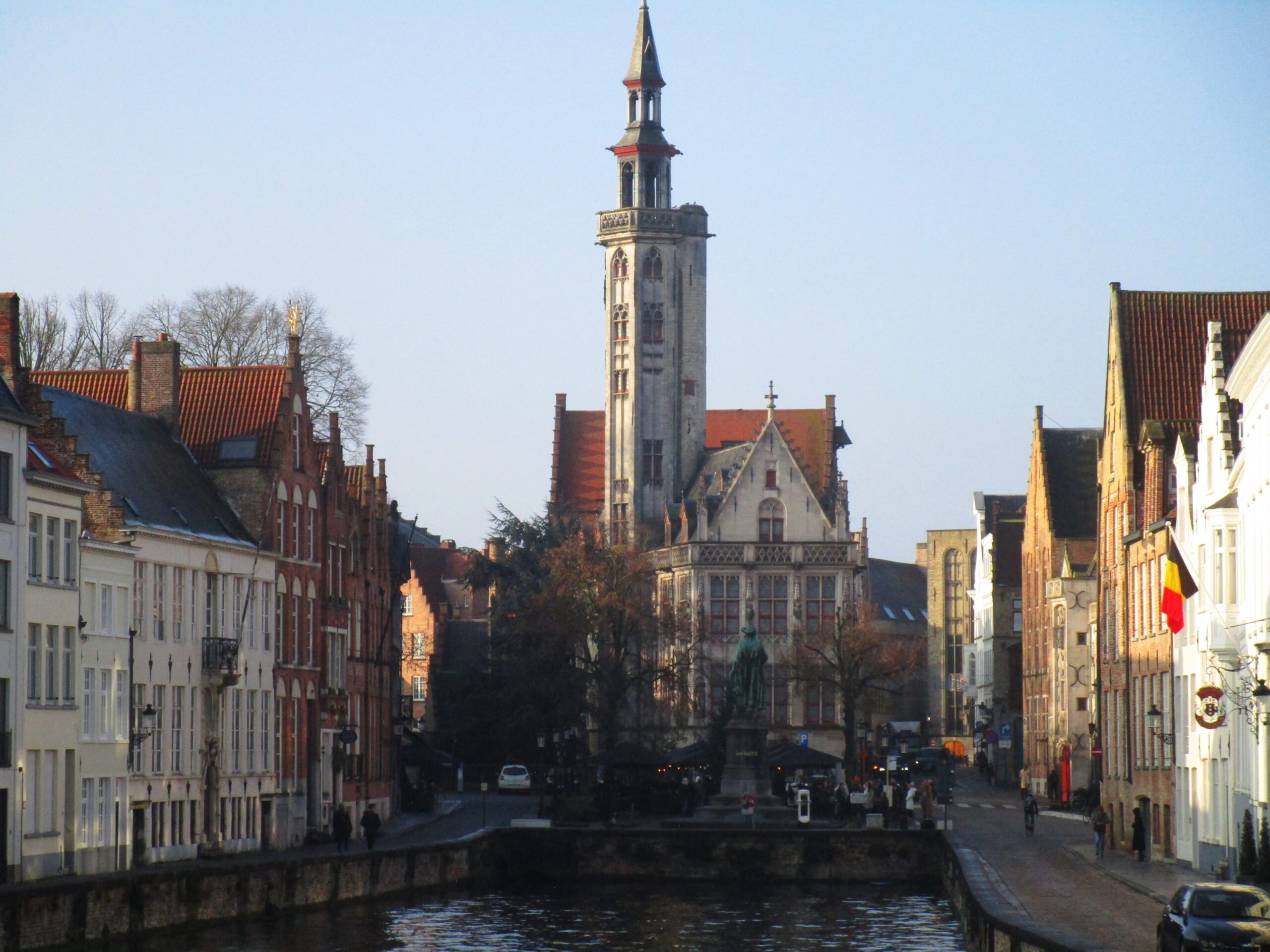
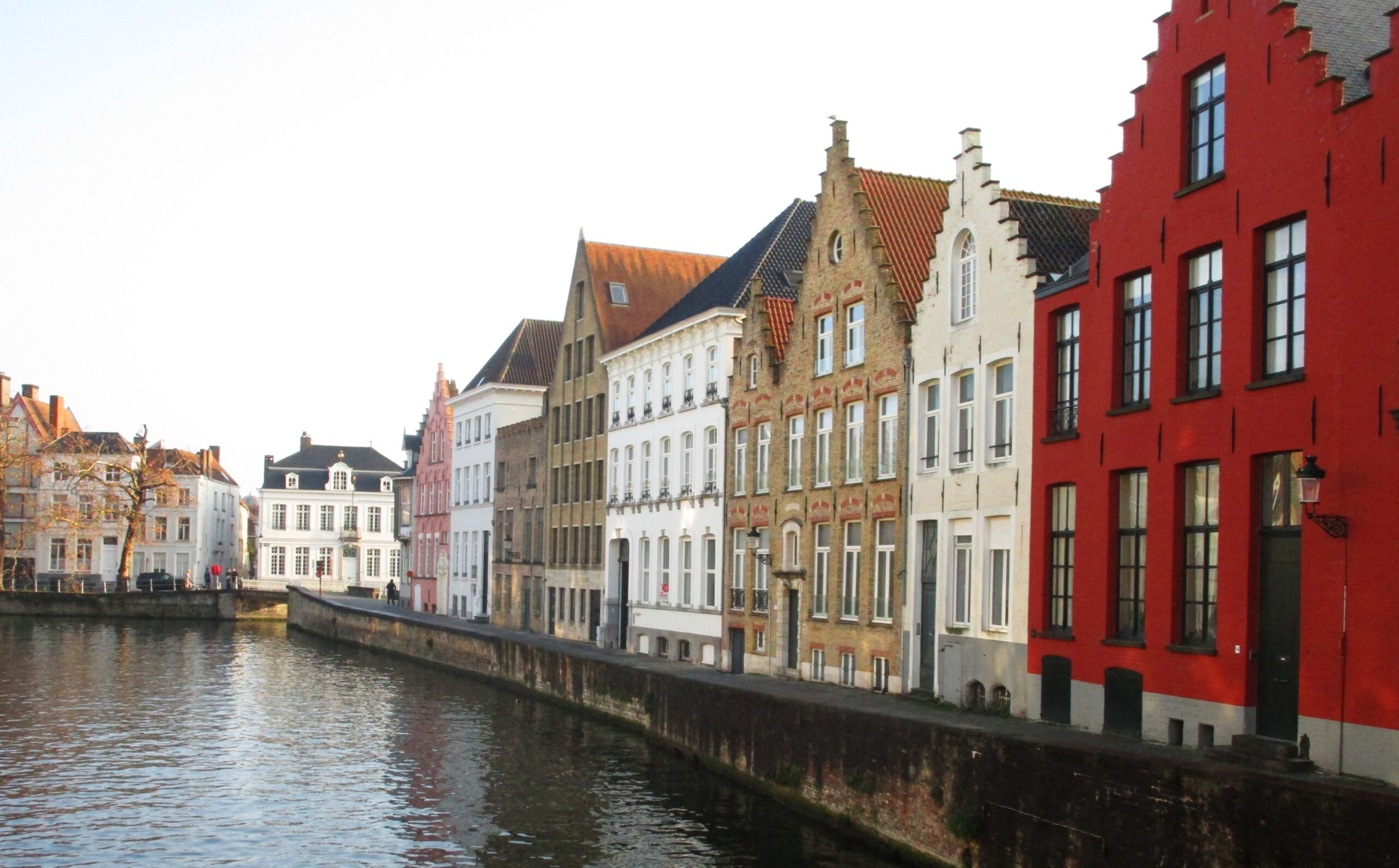
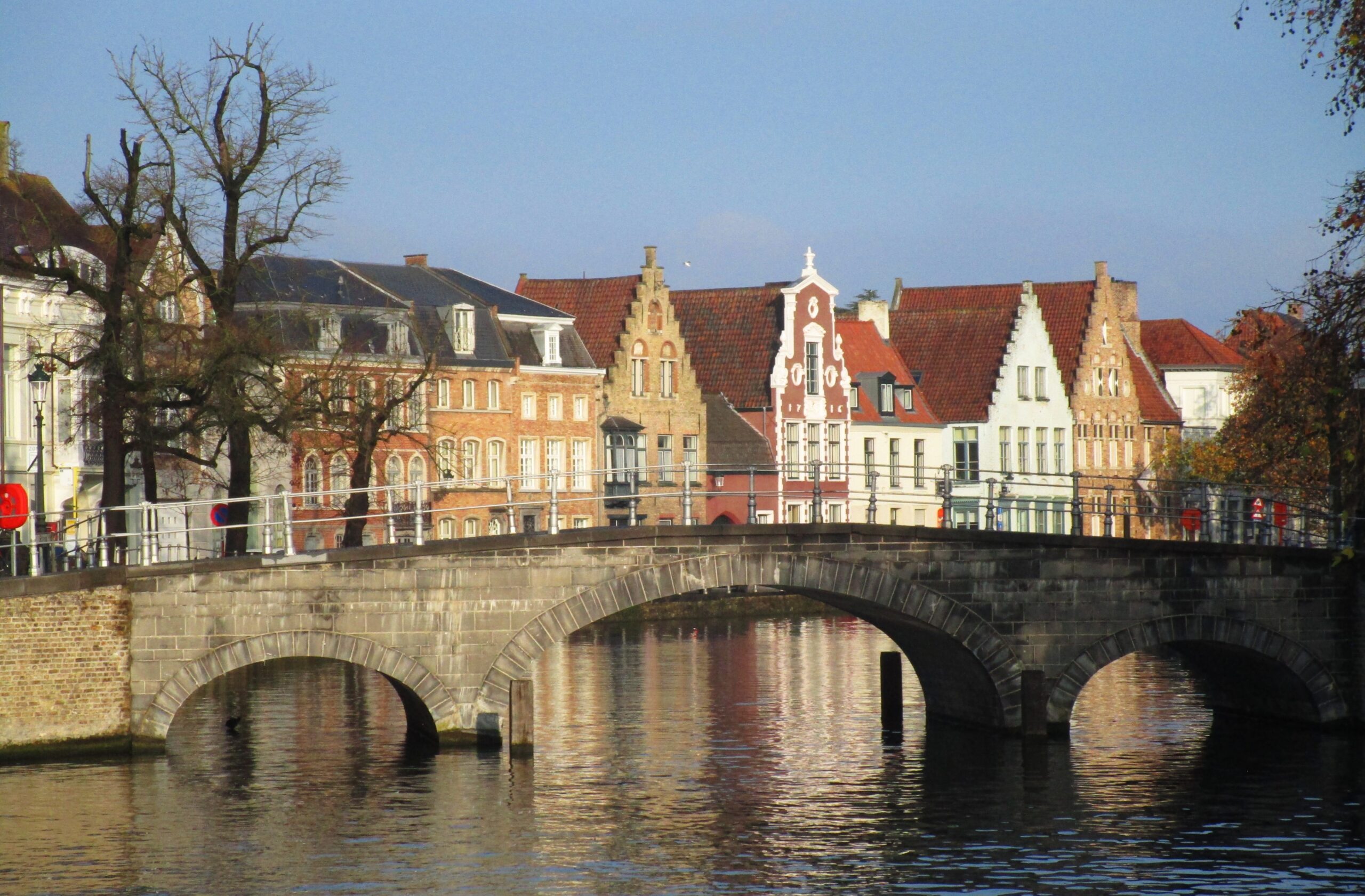
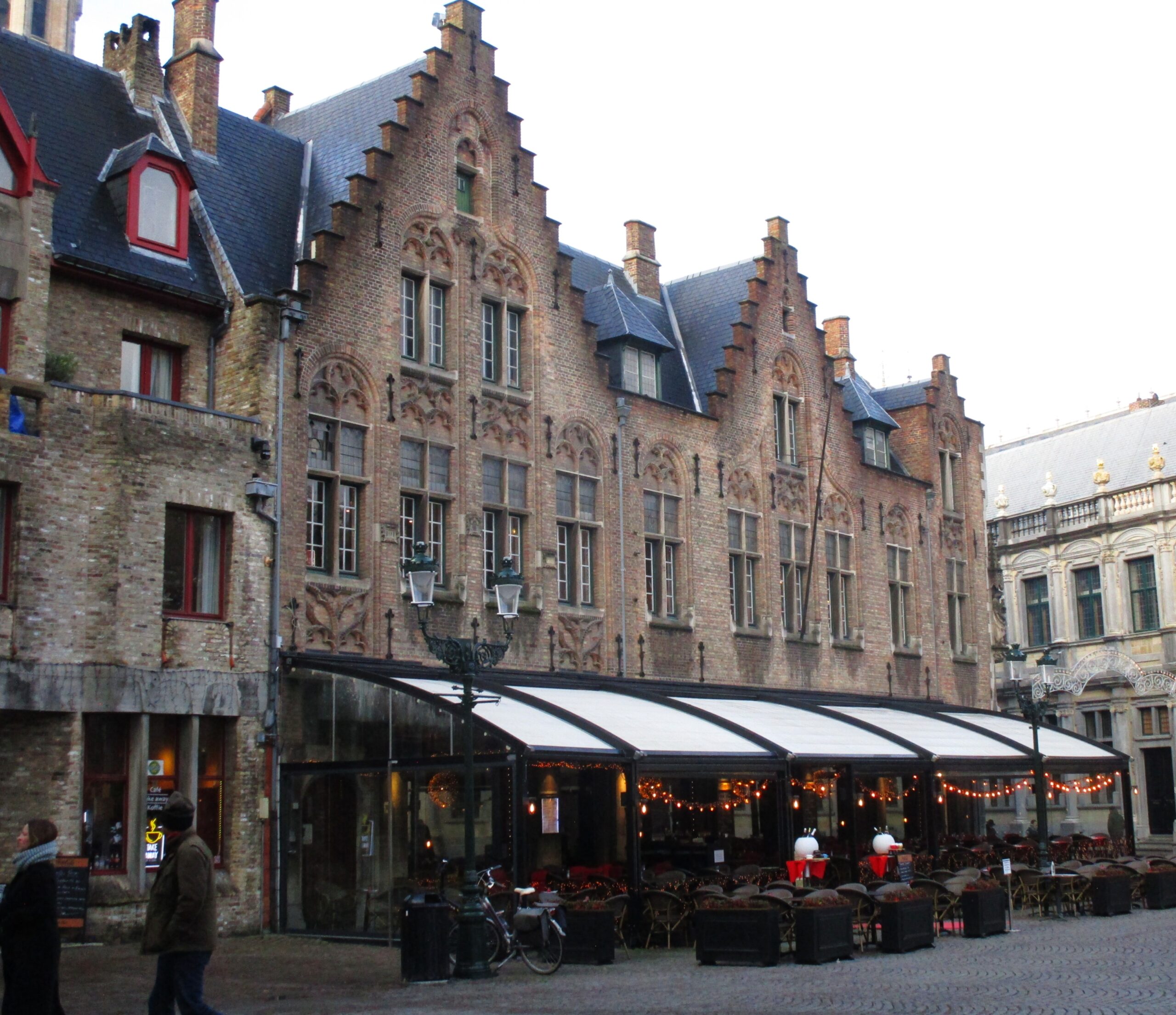
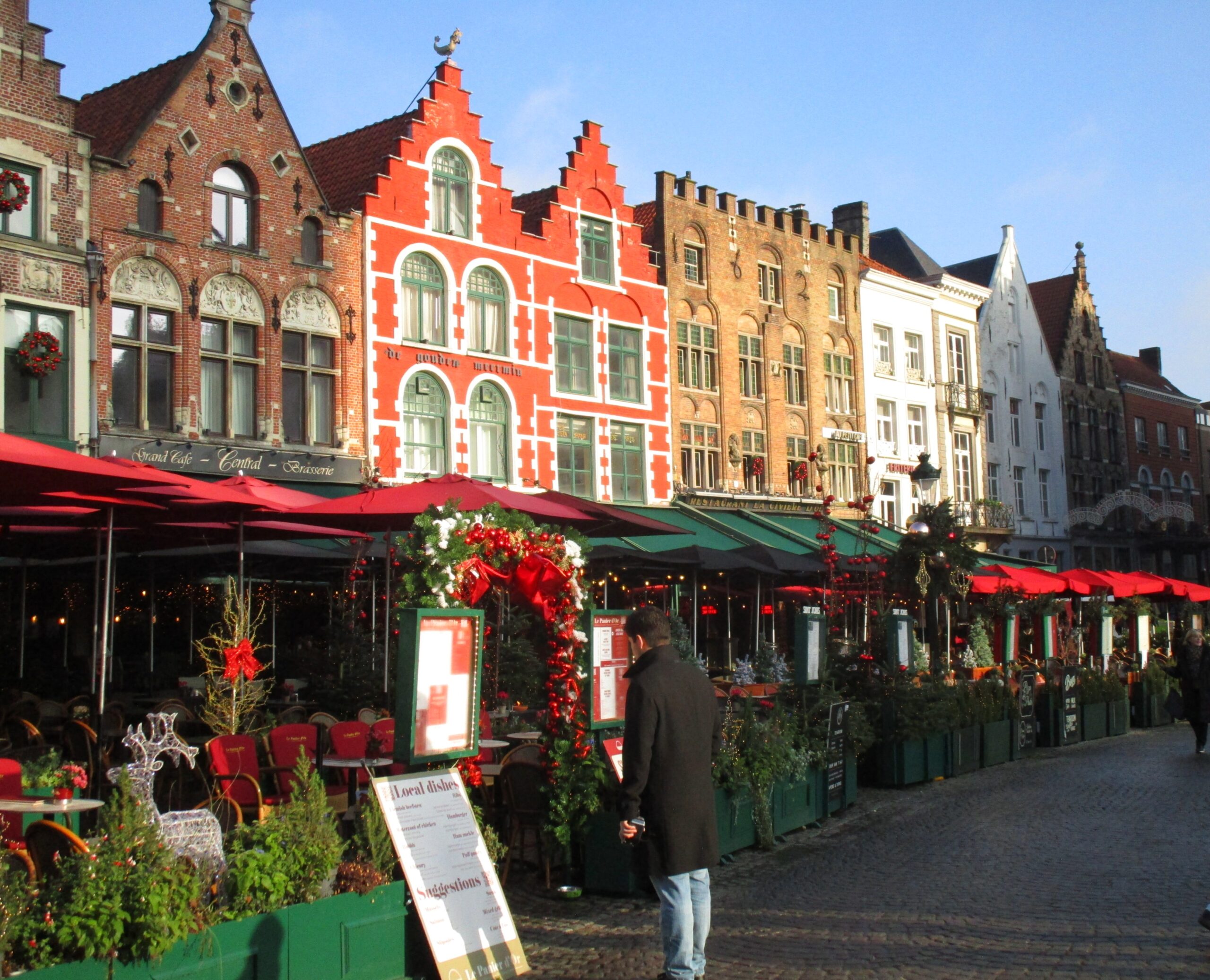
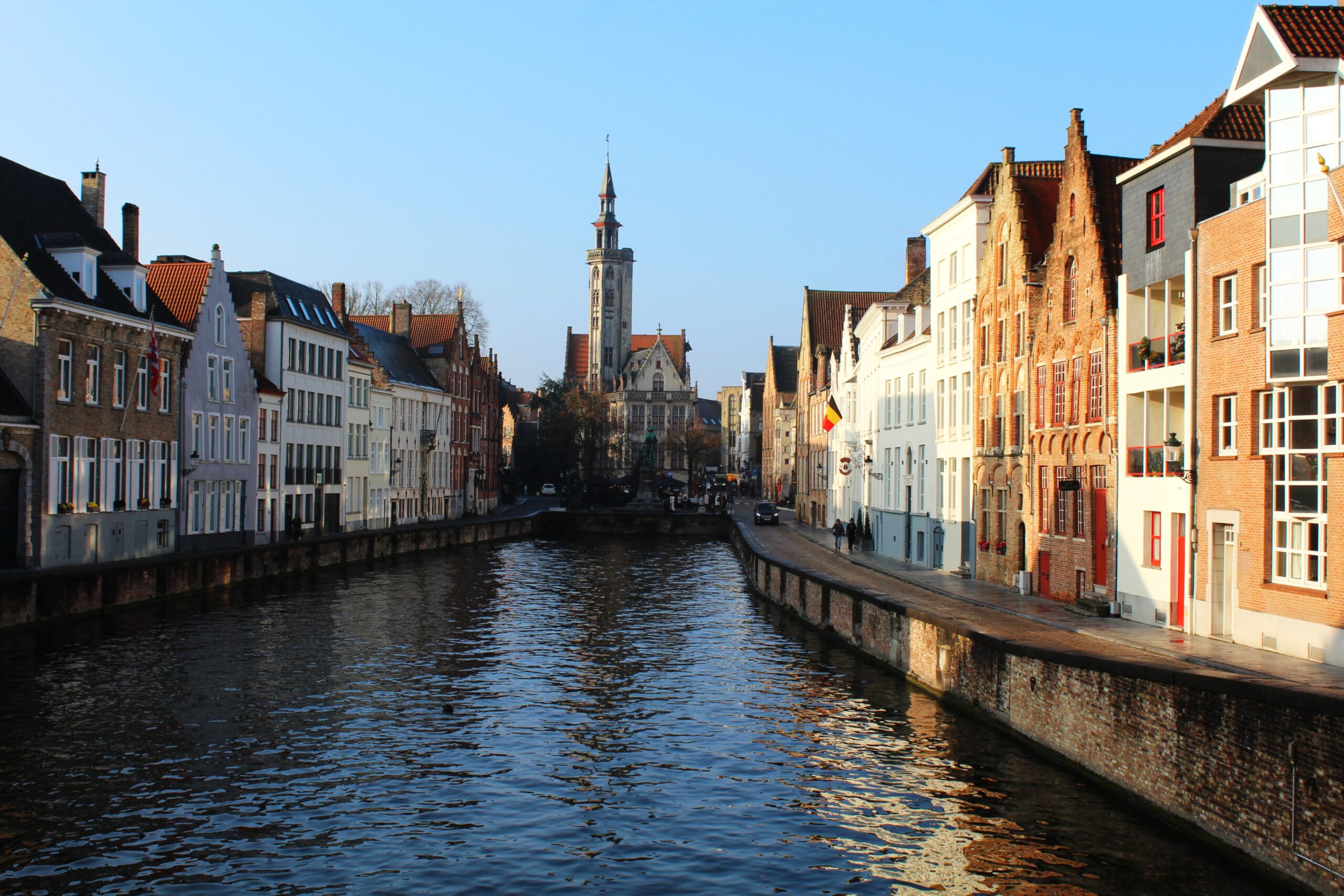 More info coming soon on all the sites. For now, cocktail hour and a bit of relaxing before dinner.
Doei… (pronounced, dough wee) See you later in Dutch.