Unterterzen, Switzerland
Where? Yep, we went to a very small town in Switzerland that is only known for 2 things, the lake and skiing. We rented a nice apartment with a good view of the lake and mountains for more R&R. Skiing isn’t quite ready here yet, besides, we don’t ski anymore. We were surprised to find that the town basically consists of a marina for the ferry service across the lake, a train station, 3 restaurants, a small grocery store, and a ski gondola that was shut down for repairs during our stay. This is really an R&R week.
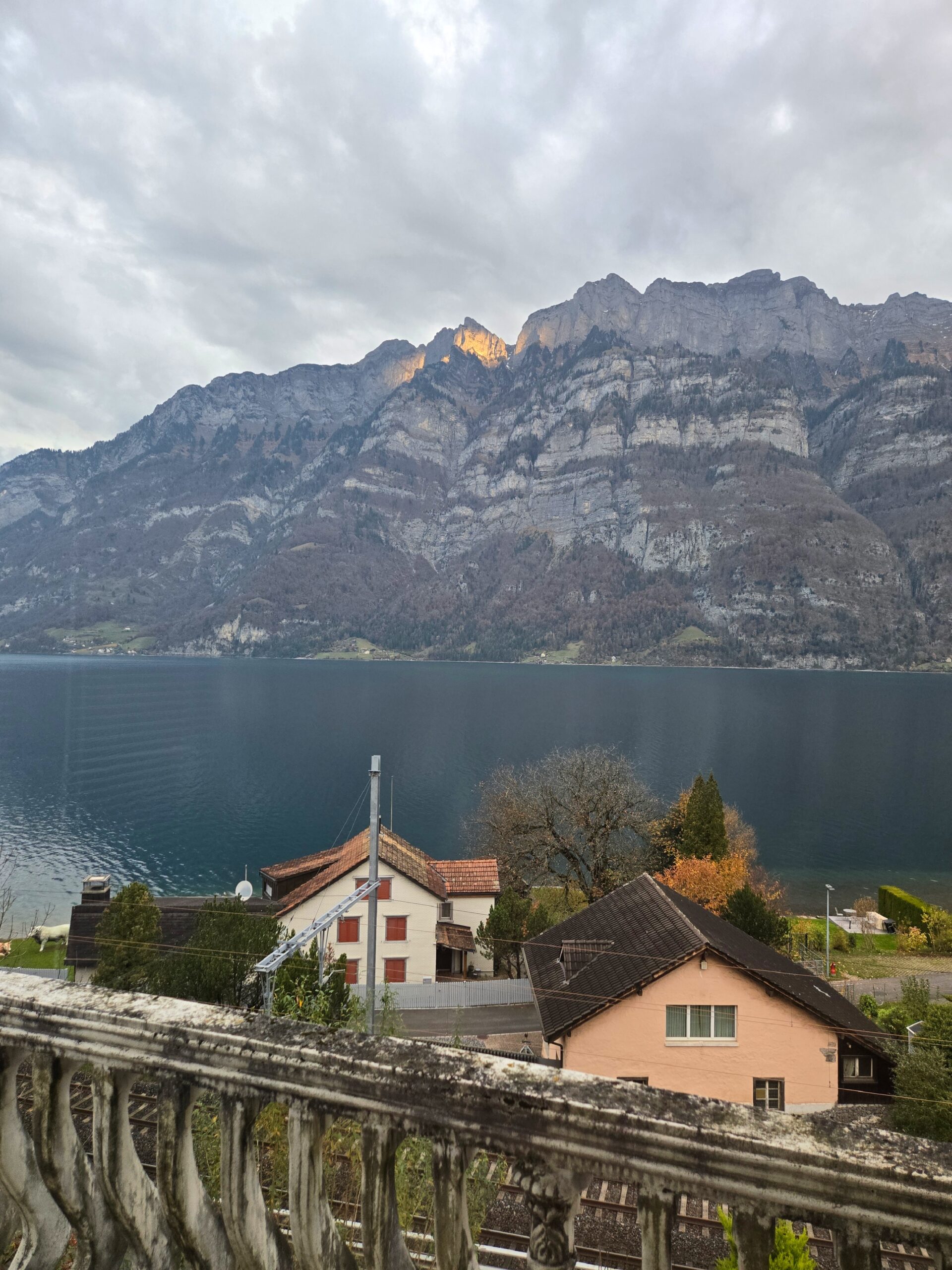
View from the apartment
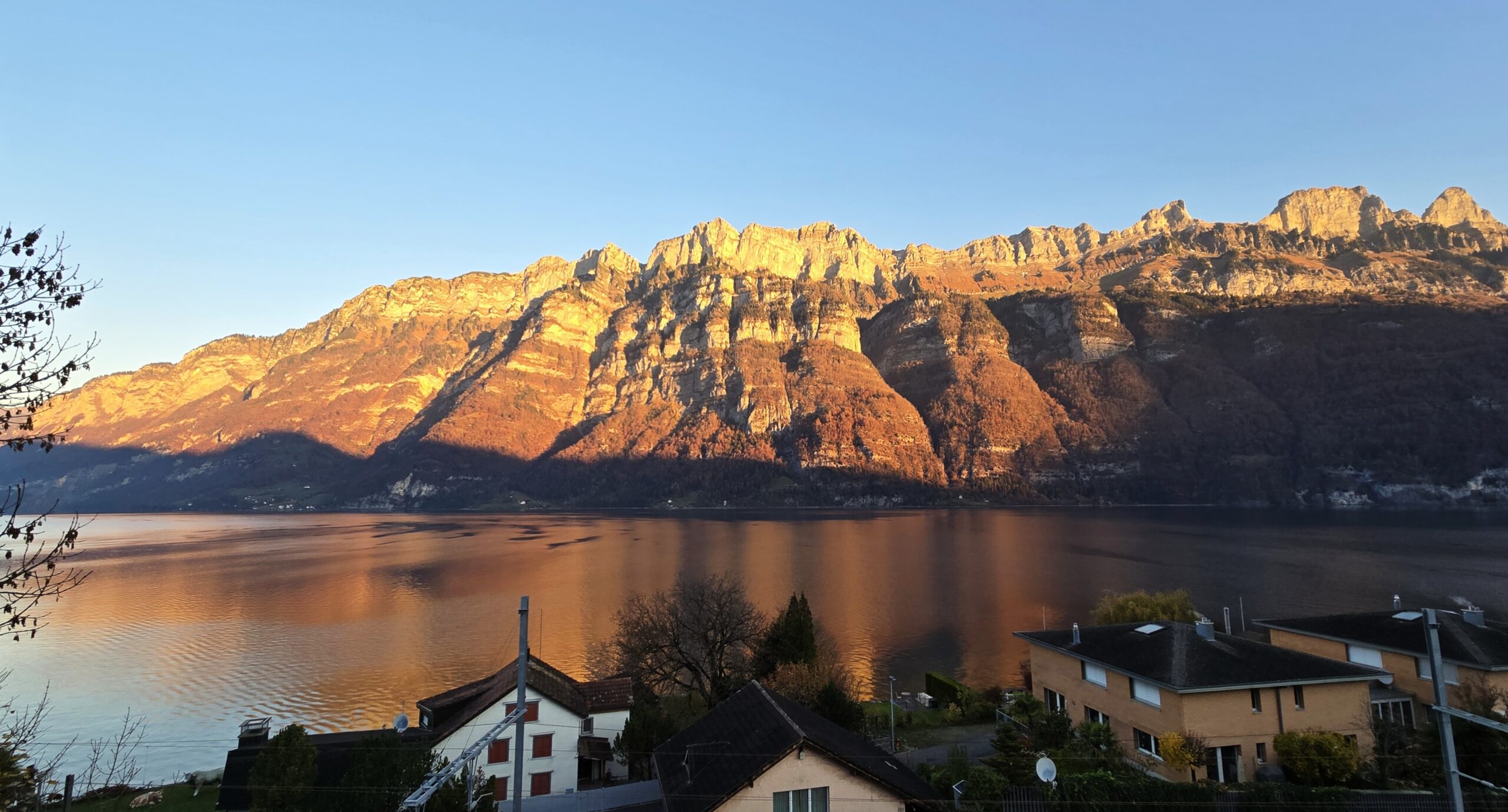
Sunrise on Lake Walensee
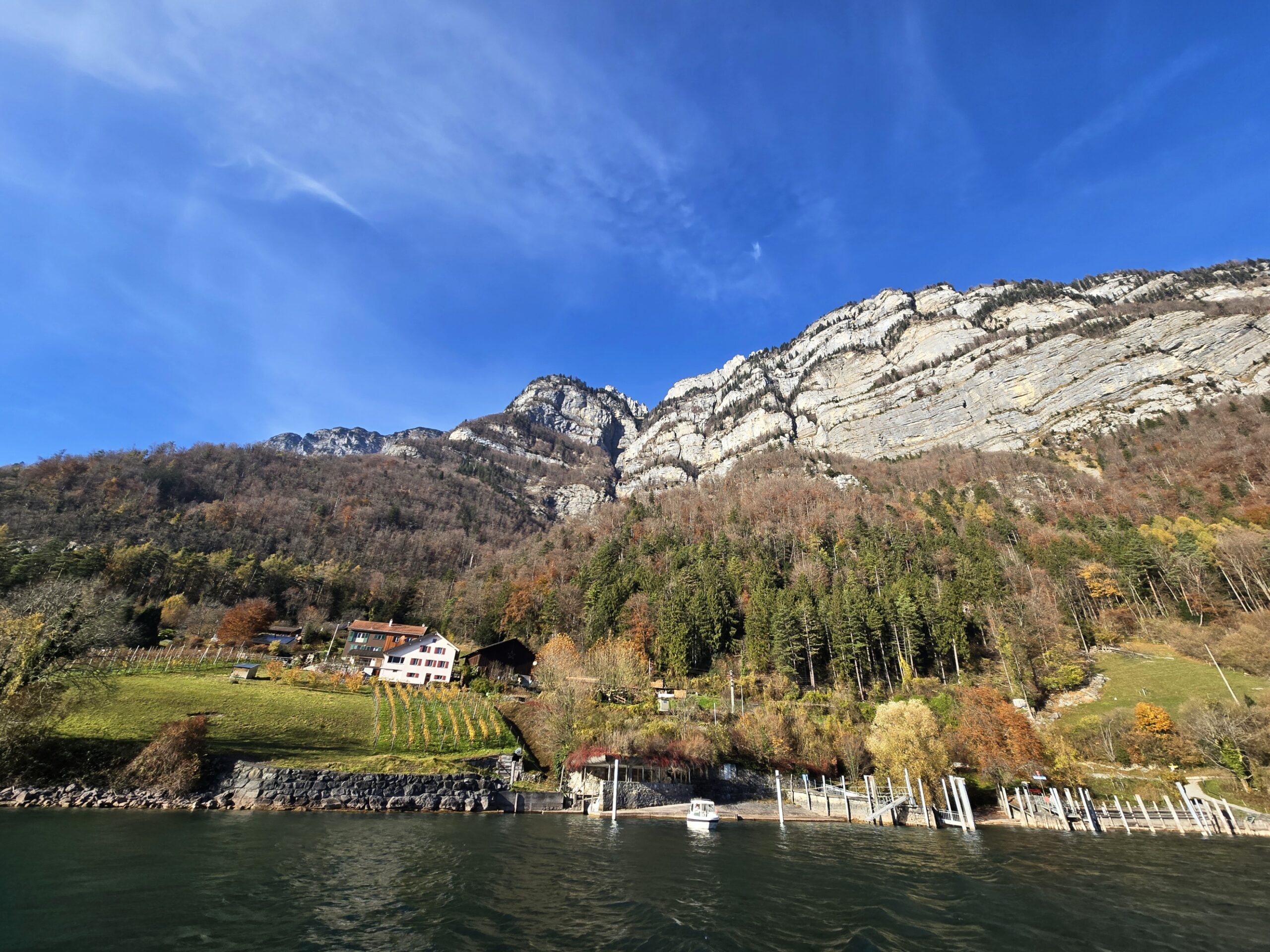
Wine vineyard on the lake
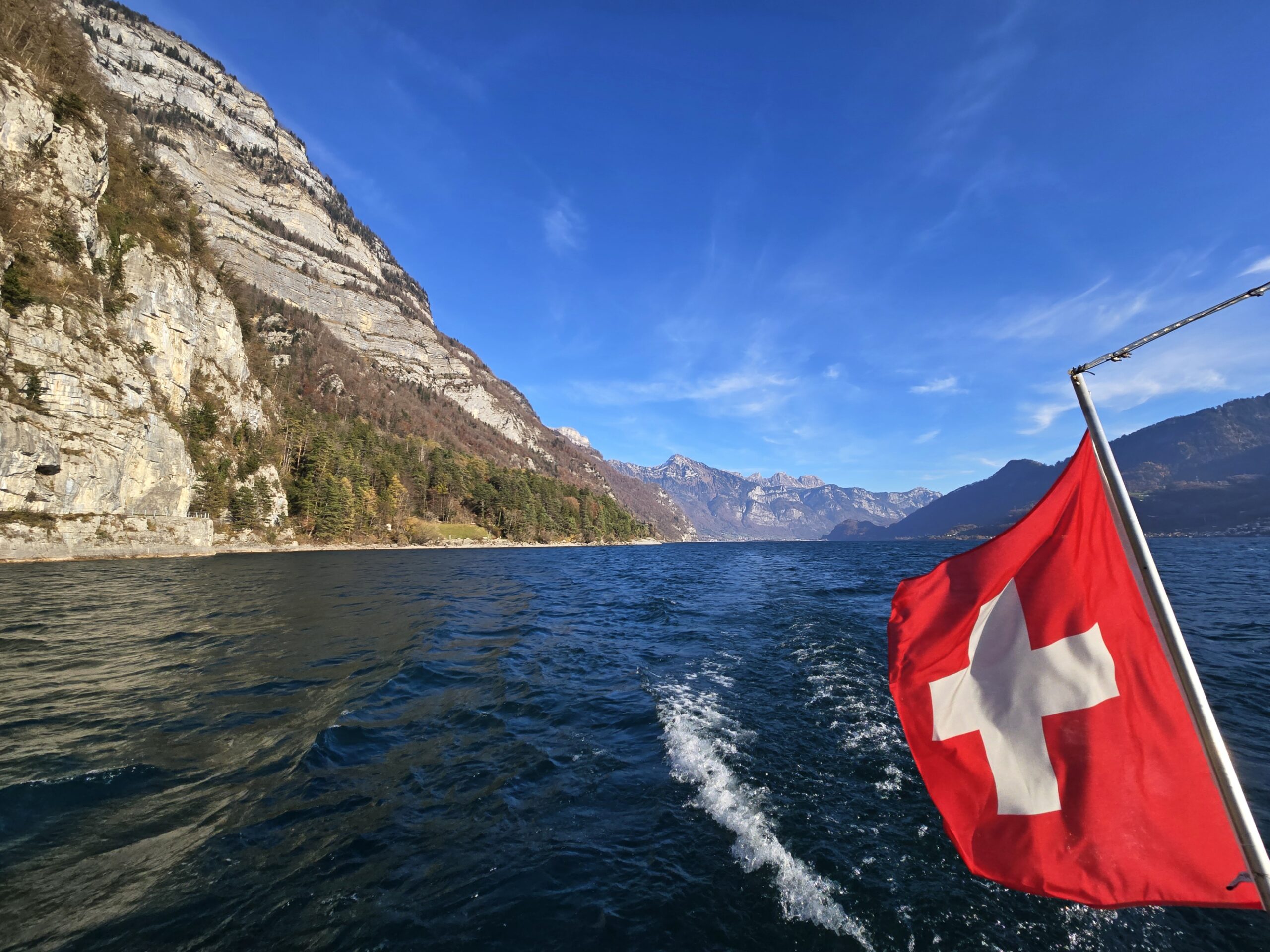
Ferry ride
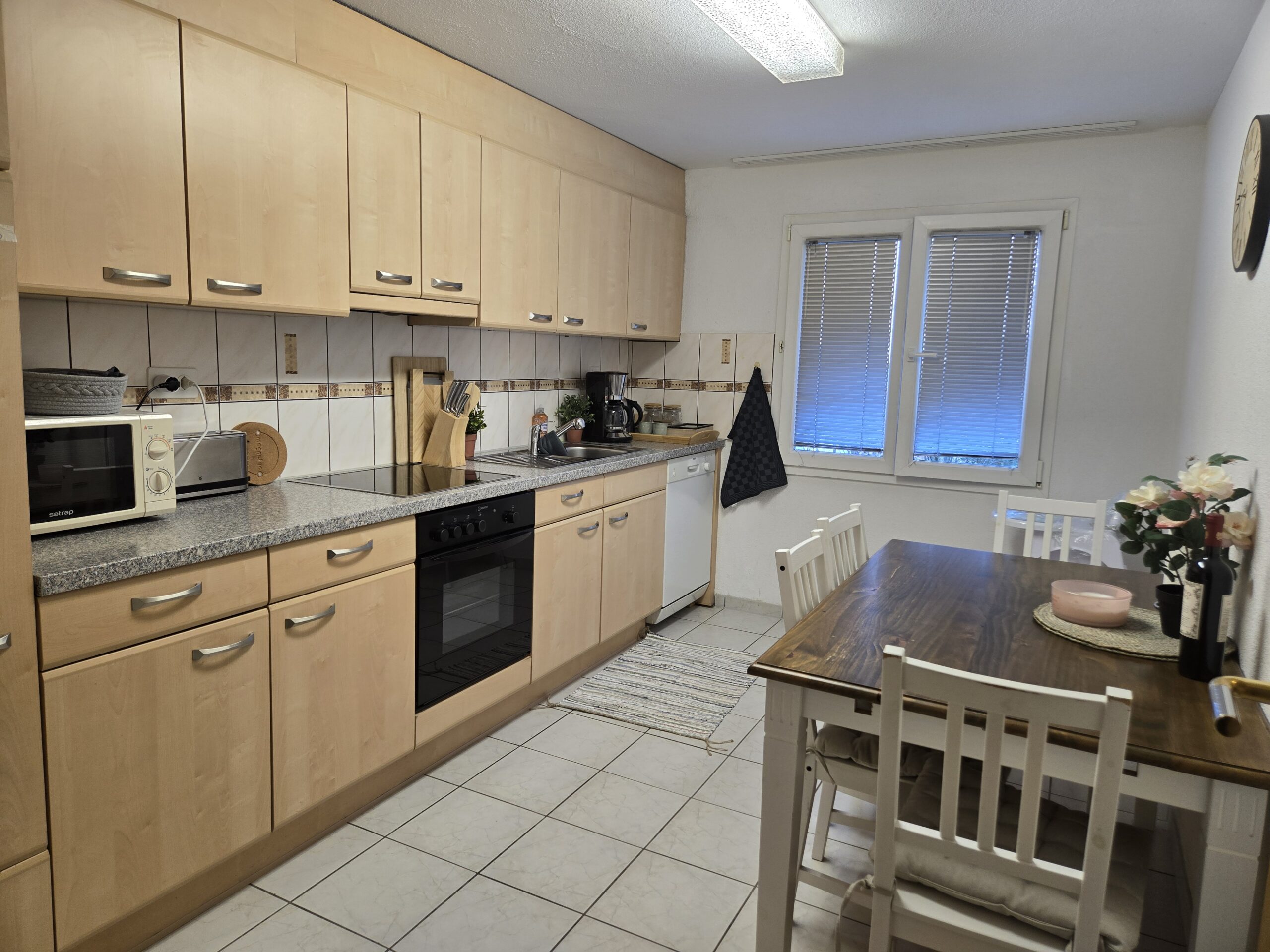
Kitchen
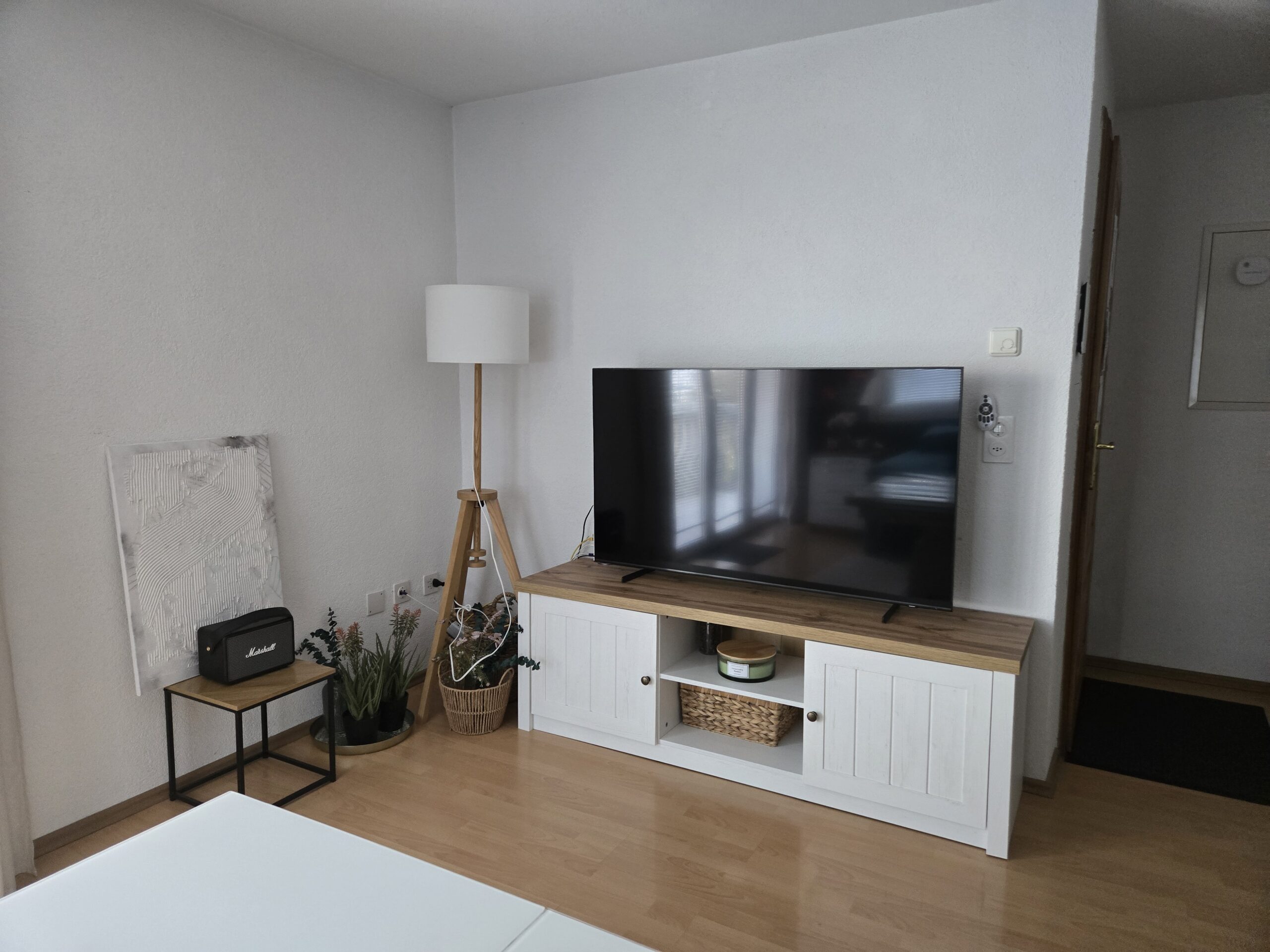
Living room
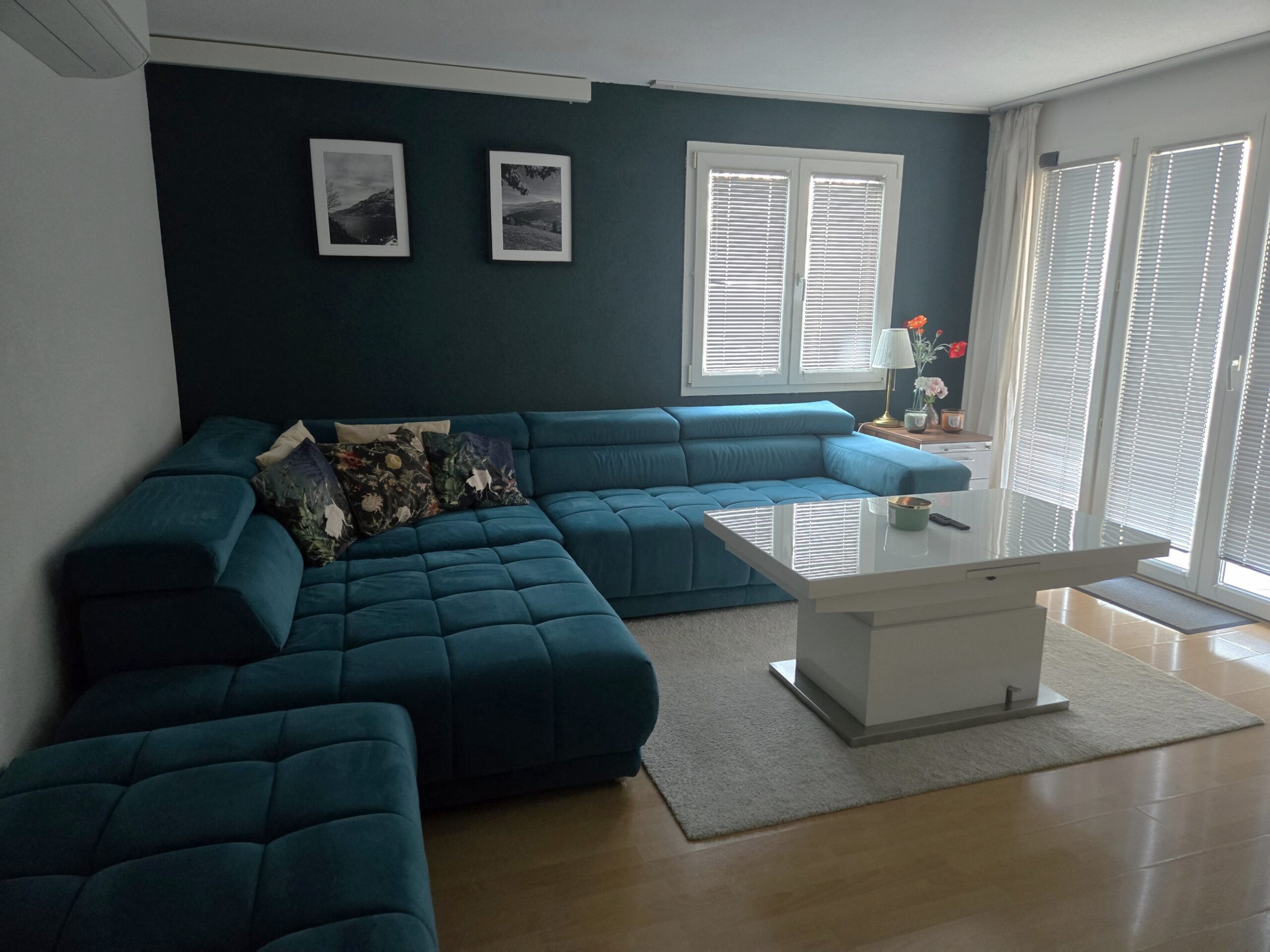
Living room
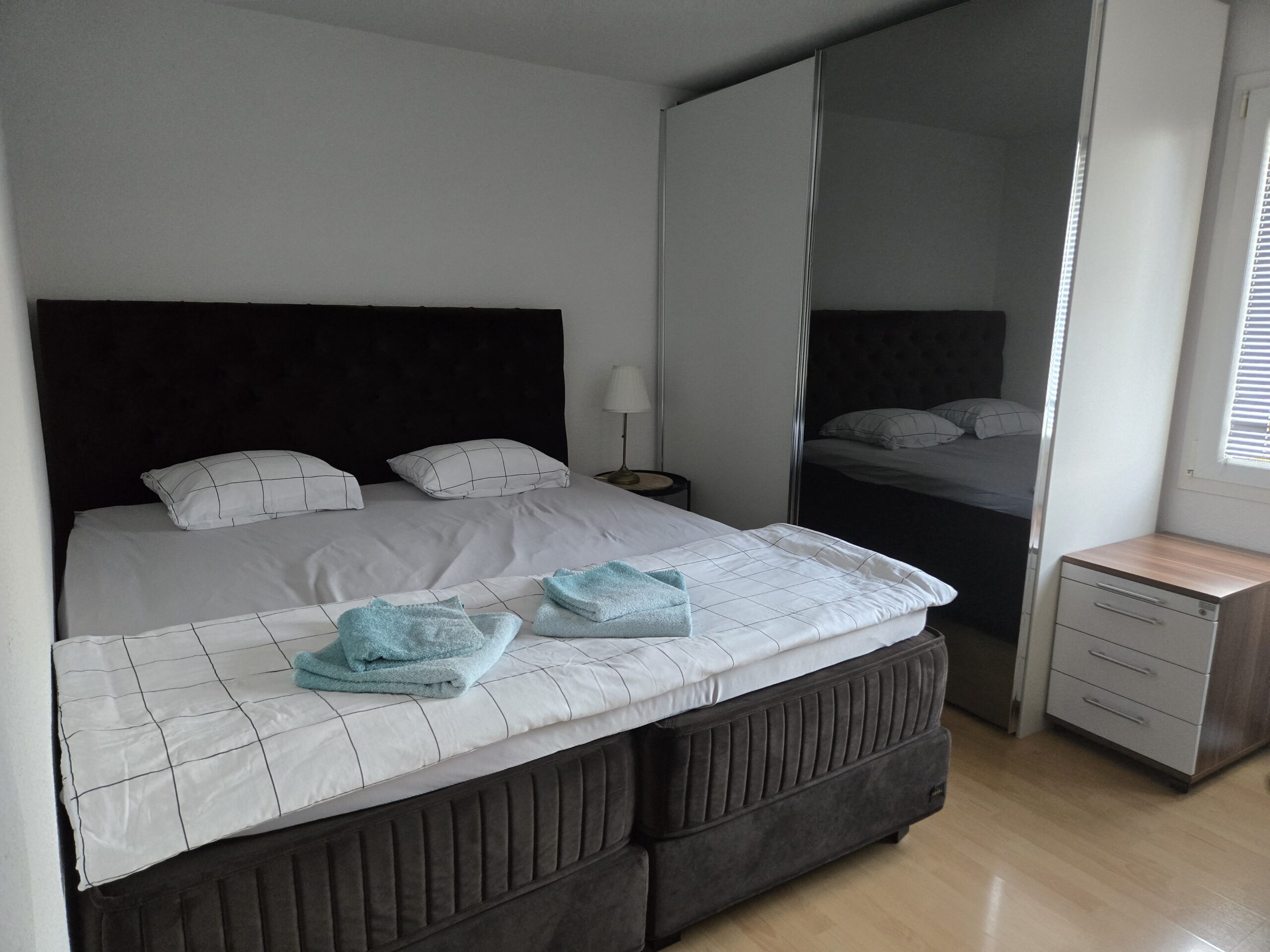
Master bedroom
But we did manage to get out and do a day trip to Lucerne, Switzerland. Just a short 1hr15min drive and we’re in the Jewel of Lake Lucerne. Collette had researched a few sites to see so our day won’t be wasted wandering around. First up, the Lion Monument.
The Lion Monument was unveiled in 1821 in honor of the fallen Swiss soldiers who were killed in the French Insurrection of 1792. What were the Swiss doing in France? From the early 17th century, a regiment of Swiss Guards had served as part of the Royal Household of France. When the revolution started, the king and his family took refuge in Tuileries Palace in Paris. On 10 August 1792, the revolutionaries stormed the palace. The Swiss guards defending the palace were soon overwhelmed. Around 760 guards were killed in the battle or executed as prisoners. Approximately 50 soldiers survived the assault.
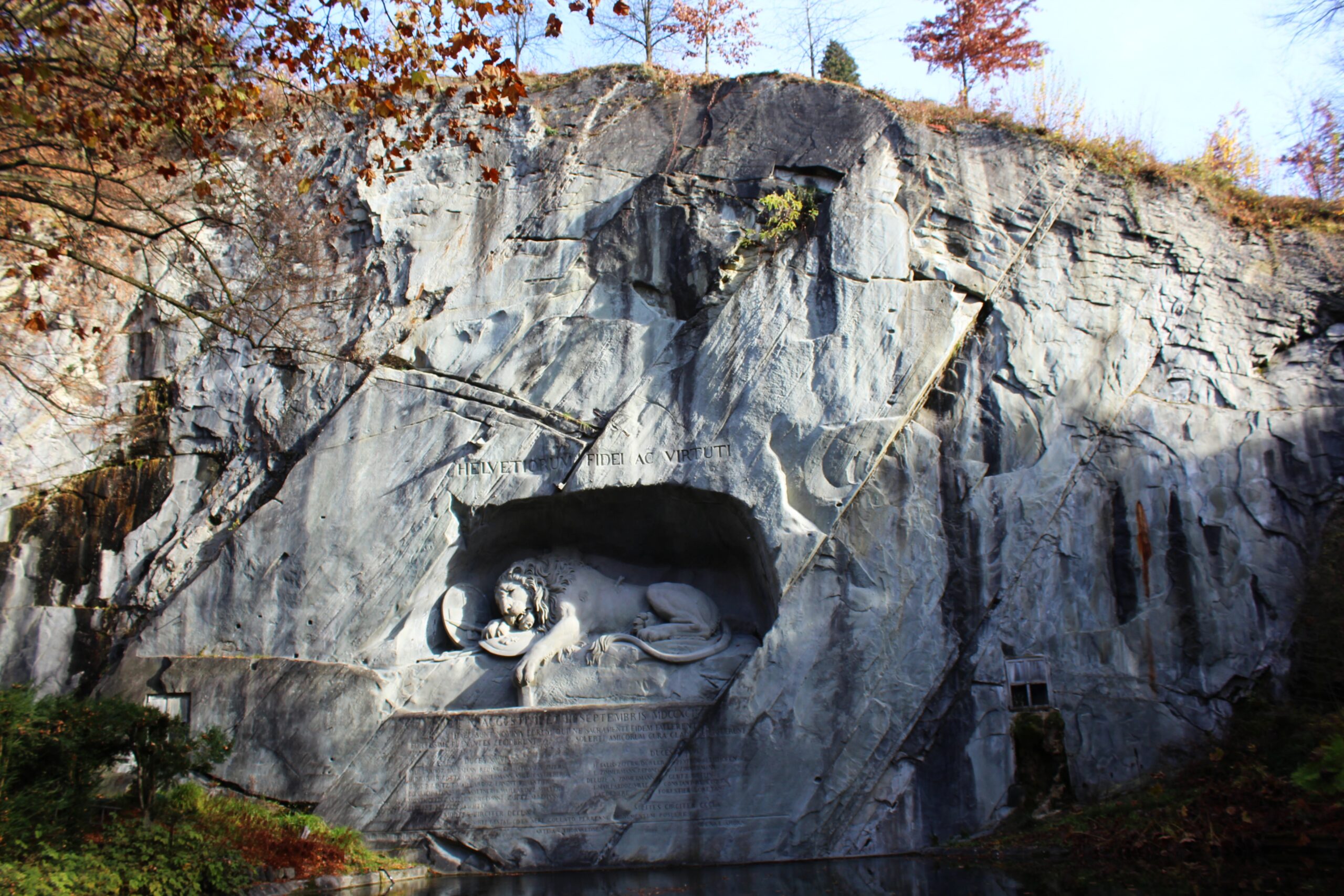
Lion Monument
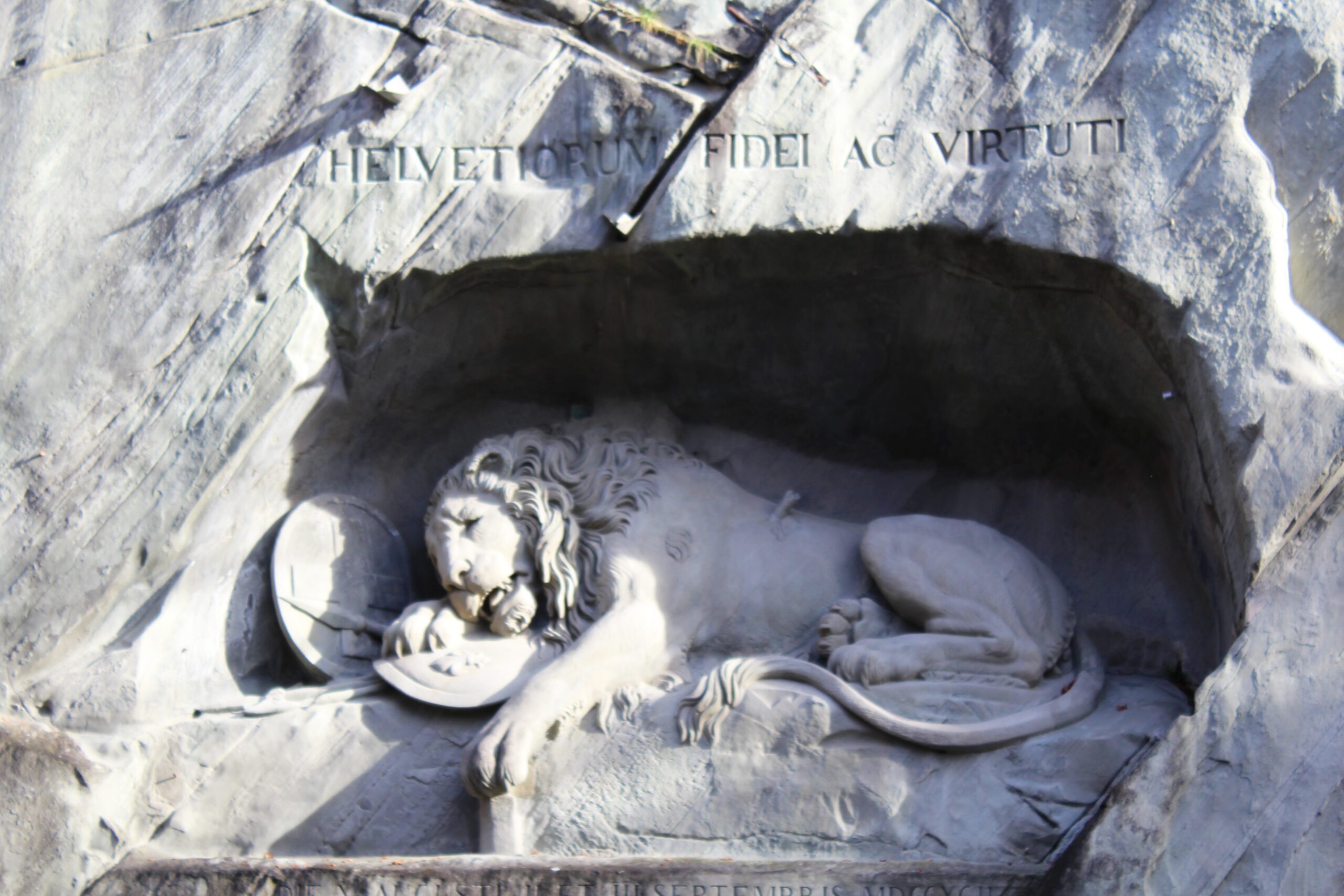 A surviving officer of the Guard wrote a book about the revolution and later sought donations for a monument to the fallen. He commissioned Danish sculptor Bertel Thorvadsen to design the image, and then contracted with a stonemason, Lucas Ahorn, to carve the monument in the wall of a quarry in Lucerne.
The monument is of a dying lion, impaled by a spear and covering a shield bearing the fleur-de-lis of the French monarchy. Beside the lion is another shield bearing the coat of arms of Switzerland. This monument is visited by more than 1.4 million people each year.
Now on to Old Town. If you’ve never been to Europe, here’s a tip, everything revolves around Old Town. If you’re looking for restaurants, pubs, cafes, shops, cathedrals, go to Old Town (sometimes referred to as “Centrum”). Lucerne is no exception.
Parked the hot rod and started off to the covered bridge. Amazingly enough, when we came out of the parking garage, there was the Picasso Museum, right there! We’ll check that out on our way back. About 5 minutes later, we arrived at the covered bridge, the Chapel Bridge and Water Tower.
Stretching from New Town to medieval Old Town, this bridge is considered one of the oldest covered bridges in Europe. OK, got to take a moment here. Yes, the original bridge was built in 1365 over the River Reuss. It connected the south bank of Lucerne to the north bank where St. Peter’s Chapel is located, hence the name “Chapel Bridge”. But, once again, the bridge was destroyed, except for the two ends, by fire in 1993. The new bridge was built and reopened in 1994 with only the two ends being original. So, I ask you, is this the oldest covered bridge in Europe?
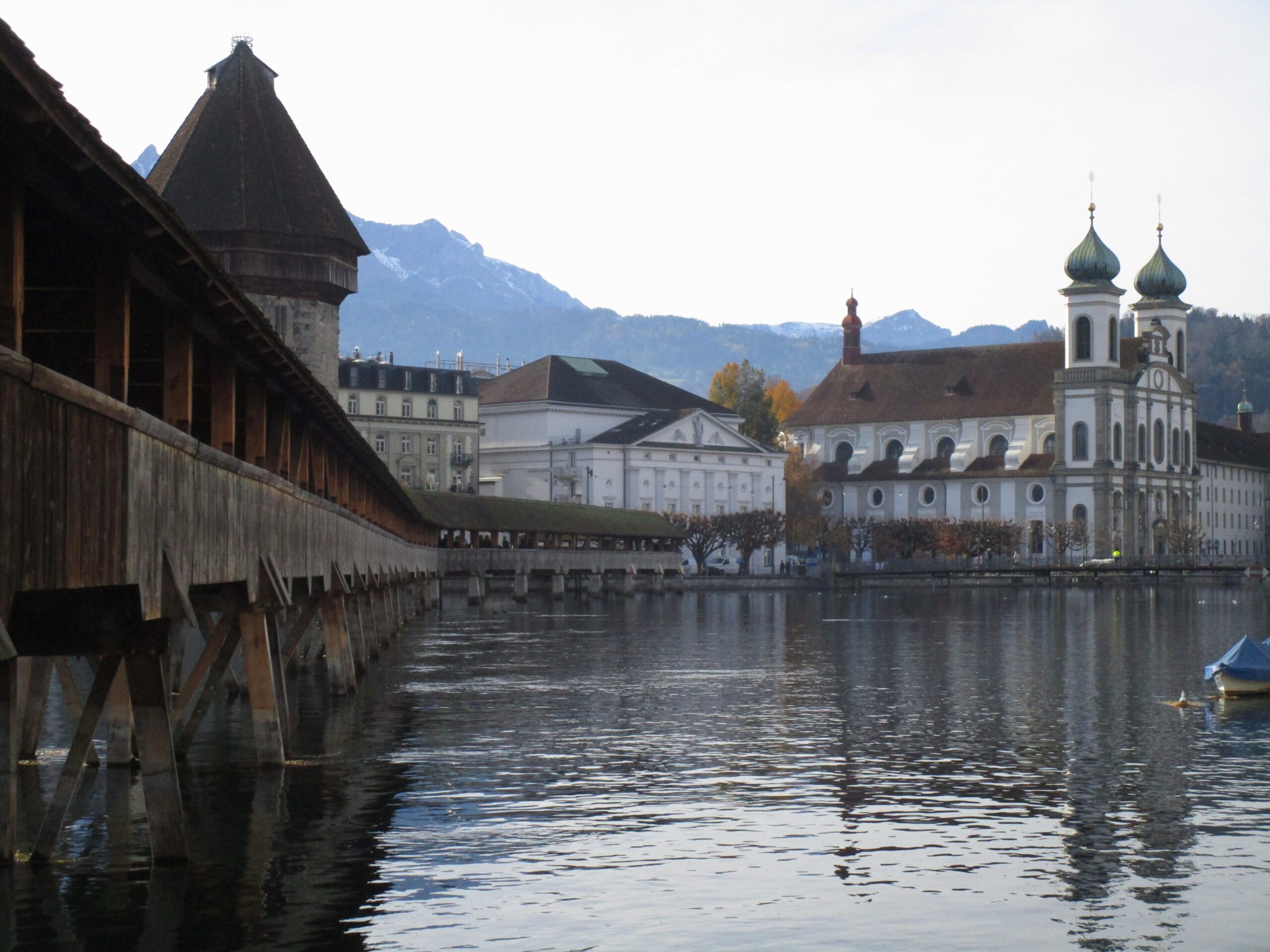
Chapel Bridge
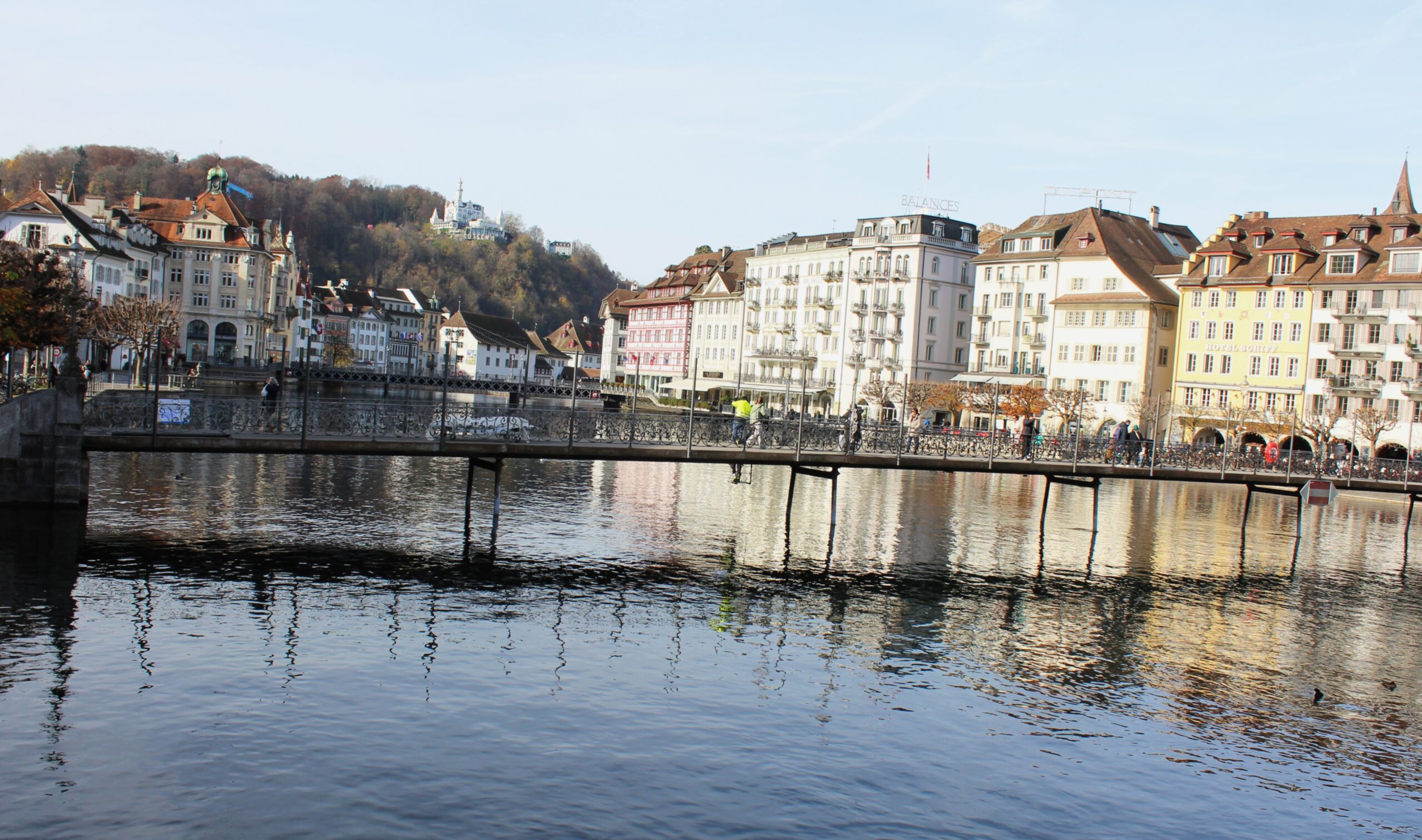
View from Chapel Bridge. Old Town on the right.
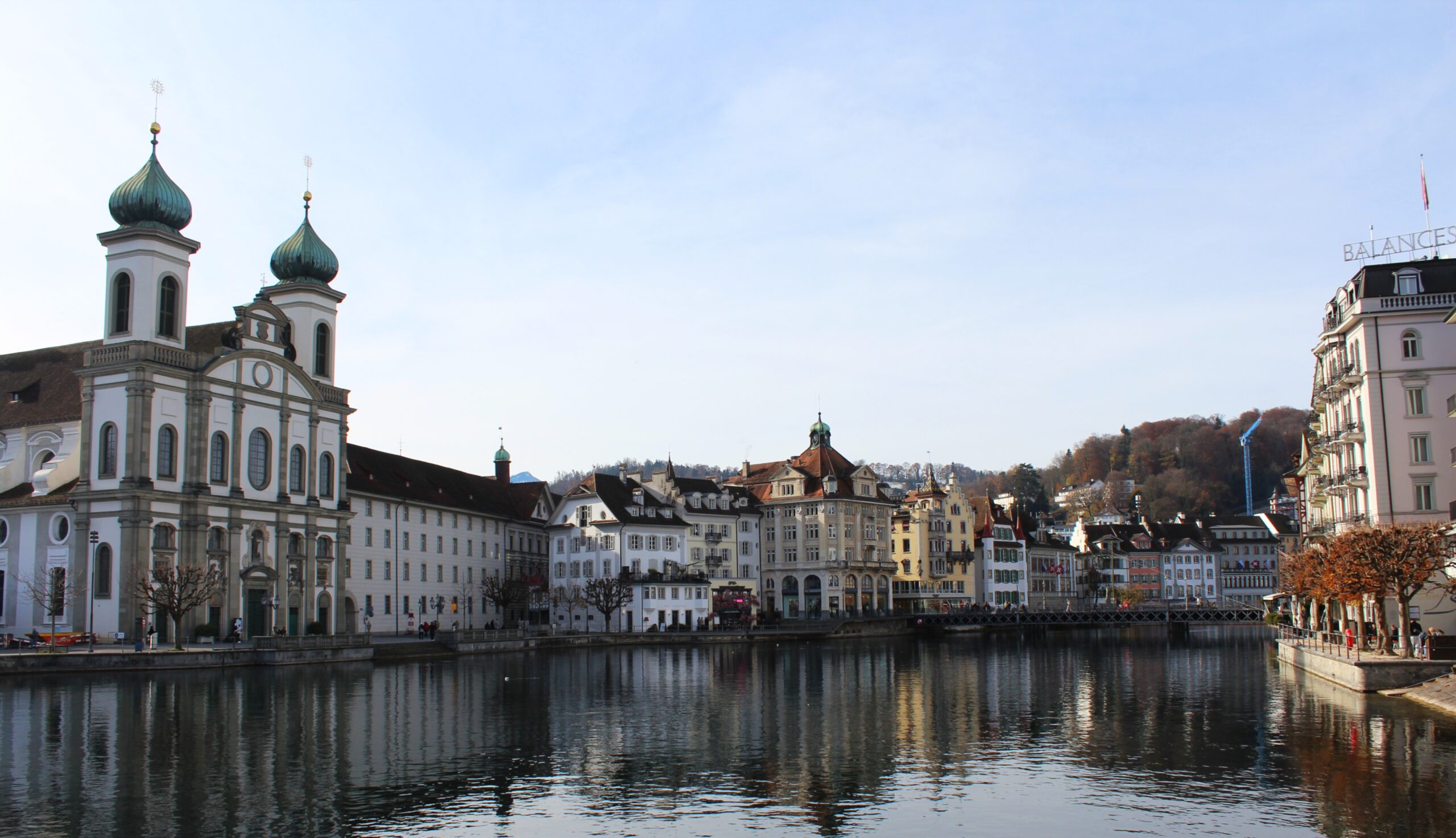
Jesuit church on left
We’ll get back to that someday. What is unique about this bridge are the paintings installed on the interior pediments. (A pediment is the triangle formed over a doorway or, in this case, a roofline) Only one of Europe’s other wooden footbridges have this feature, and it’s located here in Lucerne. The paintings, dating back to the 17th century and created by local Catholic painter Hans Heinrich Wägmann, depict events from Lucerne’s history. Of the original 158 paintings, 147 existed before the 1993 fire. After the fire, the remains of 47 paintings were collected, but ultimately only 30 were fully restored.
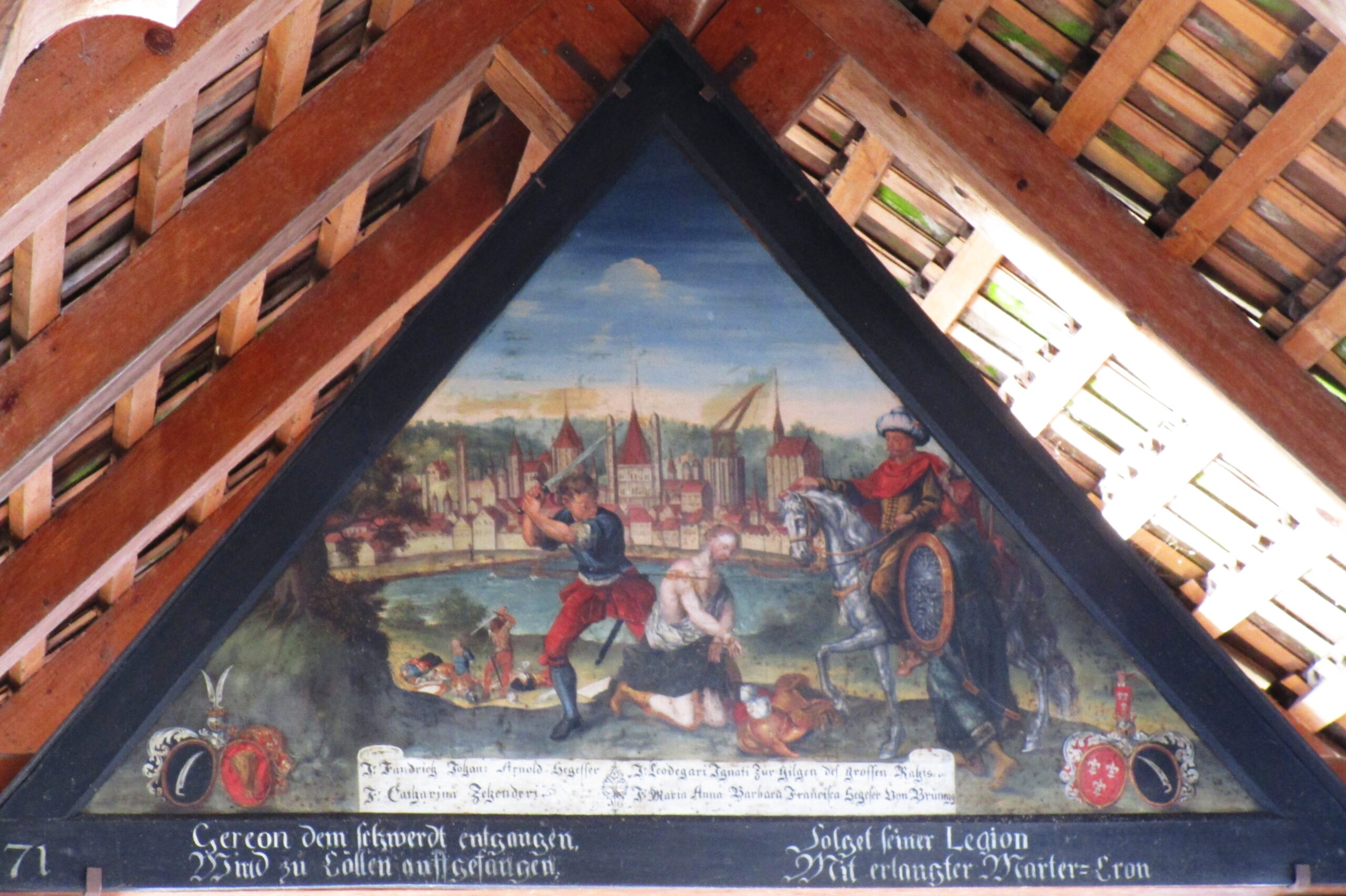
Pediment with motivational painting
The second footbridge in Lucerne’s Old Town is the Speuer bridge which also has paintings on the inside pediments. (Speu in German means, chaff. In medieval days it was allowed for the people to throw chaff and leaves off this bridge because it was farthest downstream.) These paintings compose what the artist called, “Dance of Death”, or “Danse Macabre”. The images and texts of the Danse Macabre are intended to highlight that there’s no place in the city, in the country or at sea where death isn’t present.
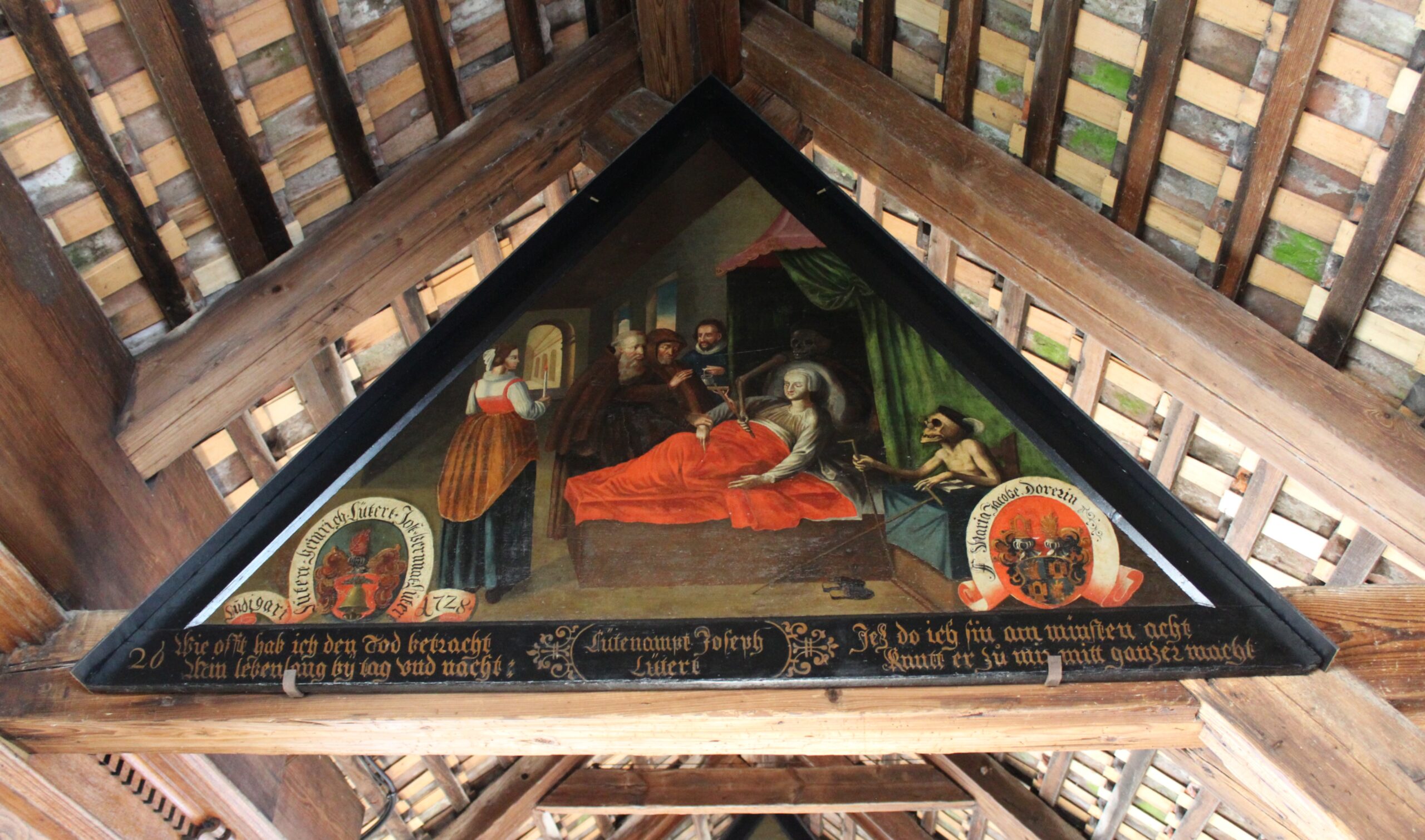
Pediment on Speur Bridge with Danse Macabre painting
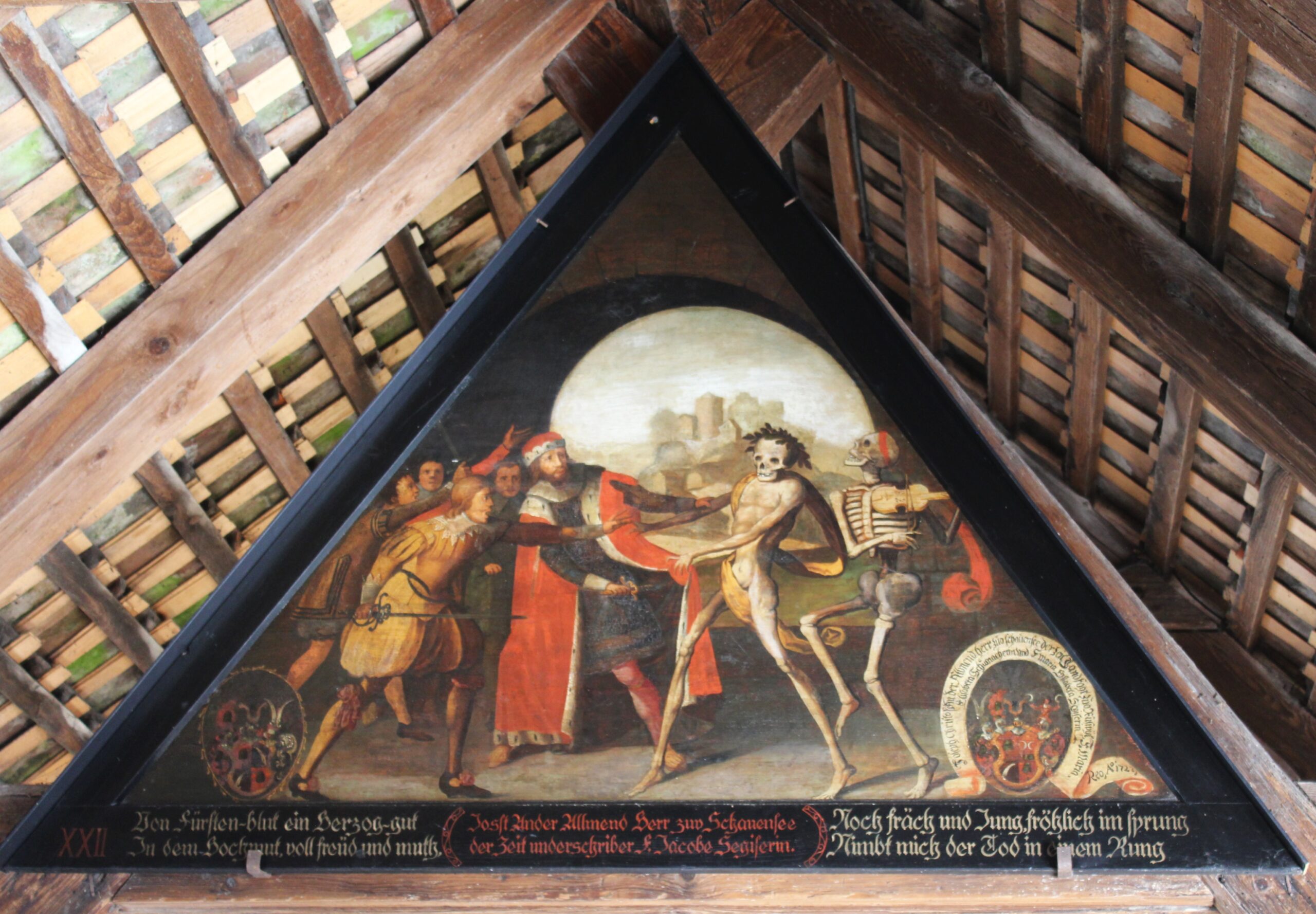
Danse macabre painting
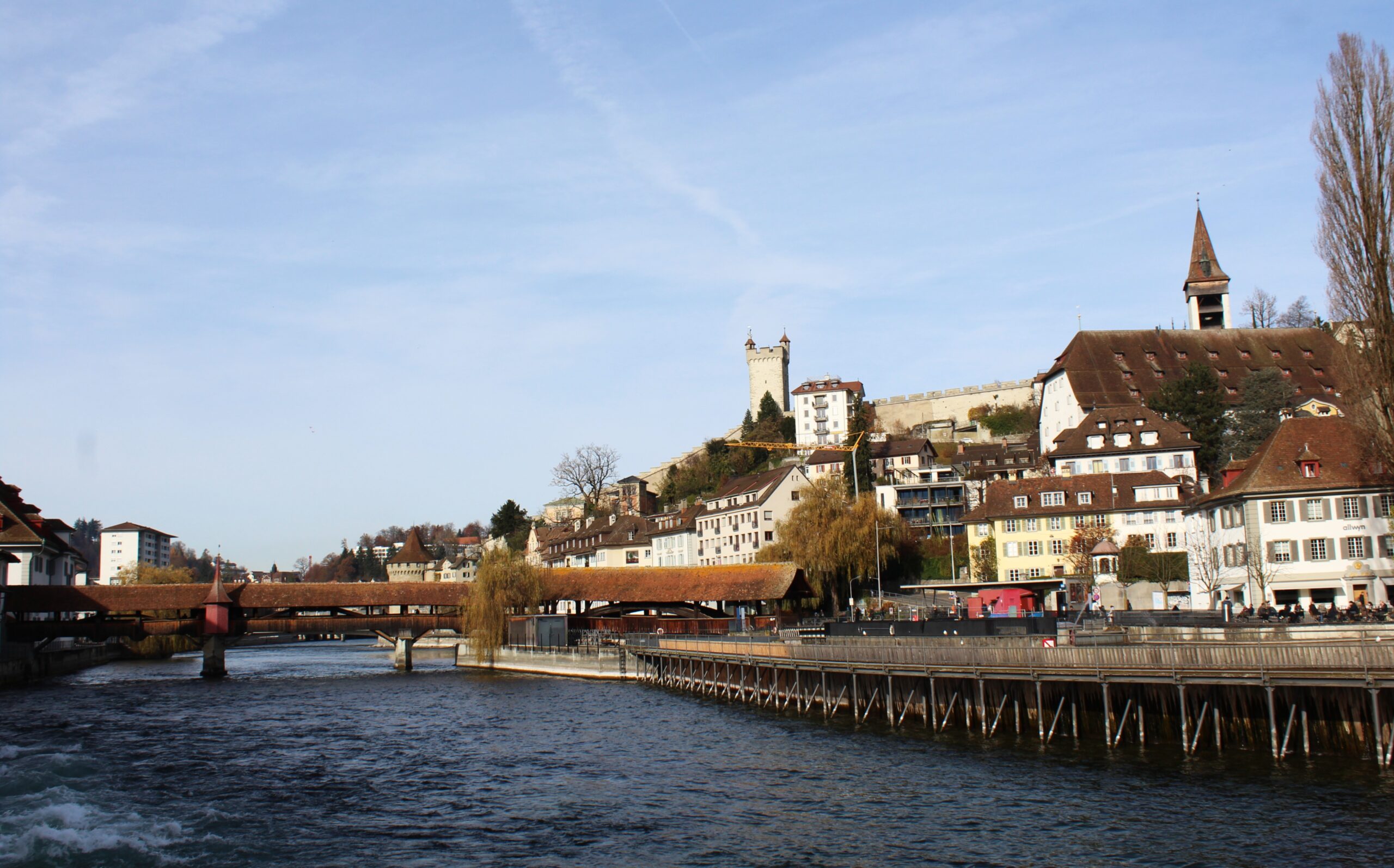
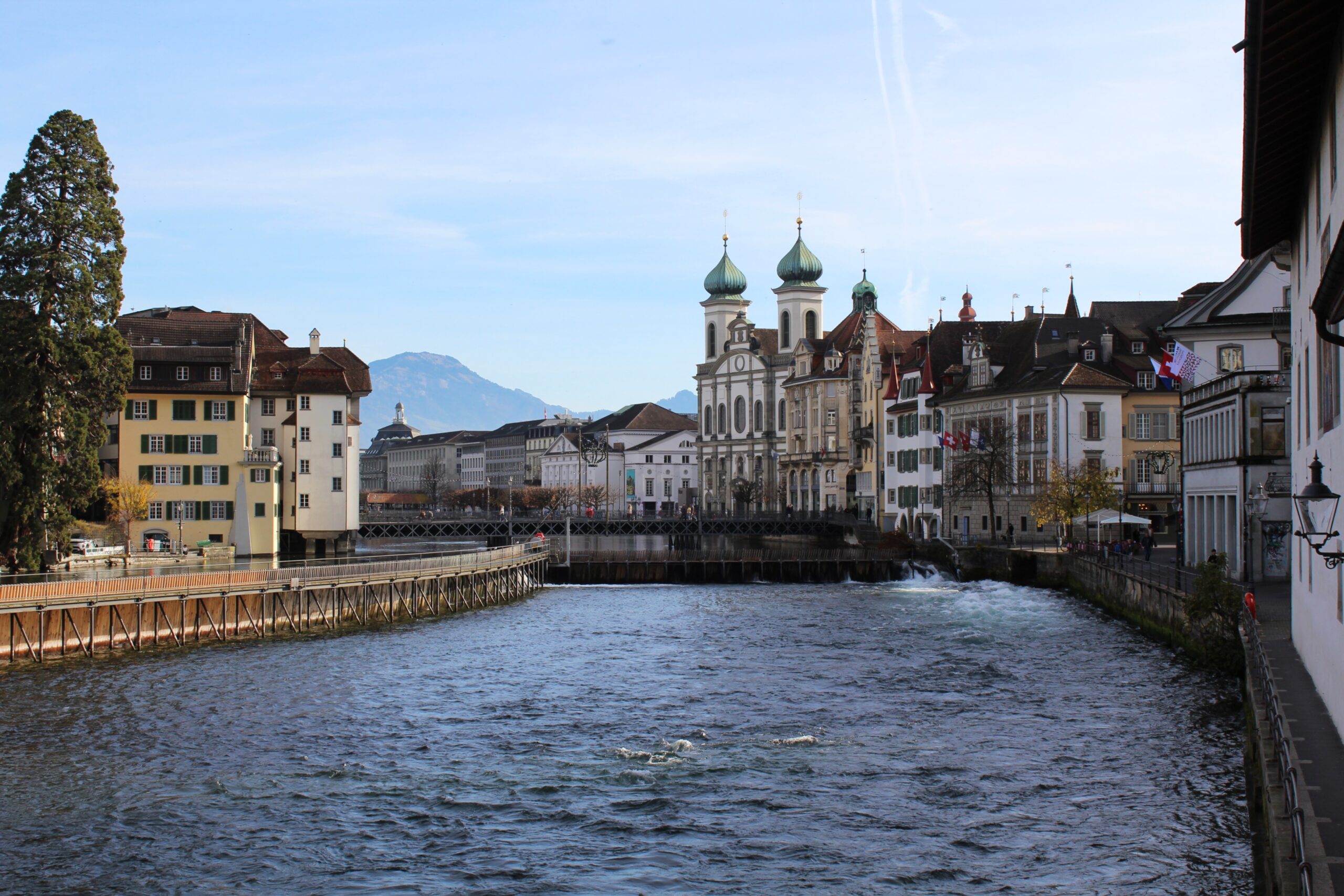 Originally built in 13th century, the bridge was destroyed by a flood in 1566 and rebuilt. Now why isn’t this bridge considered one of the oldest in Europe?
Next up, lunch! In Old Town, along the River Reuss, there are many restaurants and cafes to choose from. We found one that advertised fondue, so we thought that would be a nice lunch, until we saw the price. For a bowl of hot cheese with bacon bits and mushrooms, 36.50EUR ($42.33US) per person! No way! Instead, we went for a salad, soup, charcuterie, and wine. Still an expensive lunch but not as much as the cheese bowl!
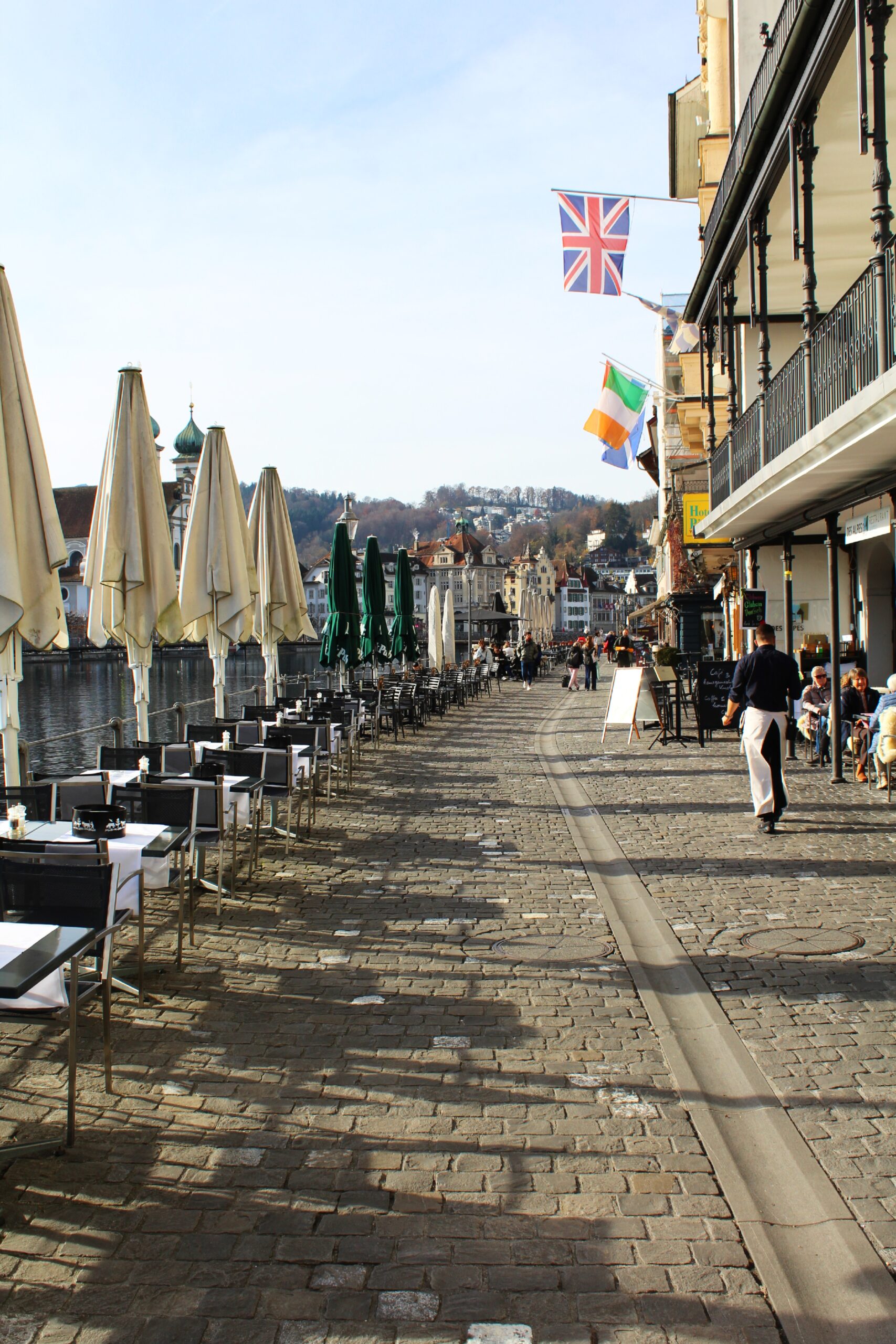
Restaurant row along the Reuss river.
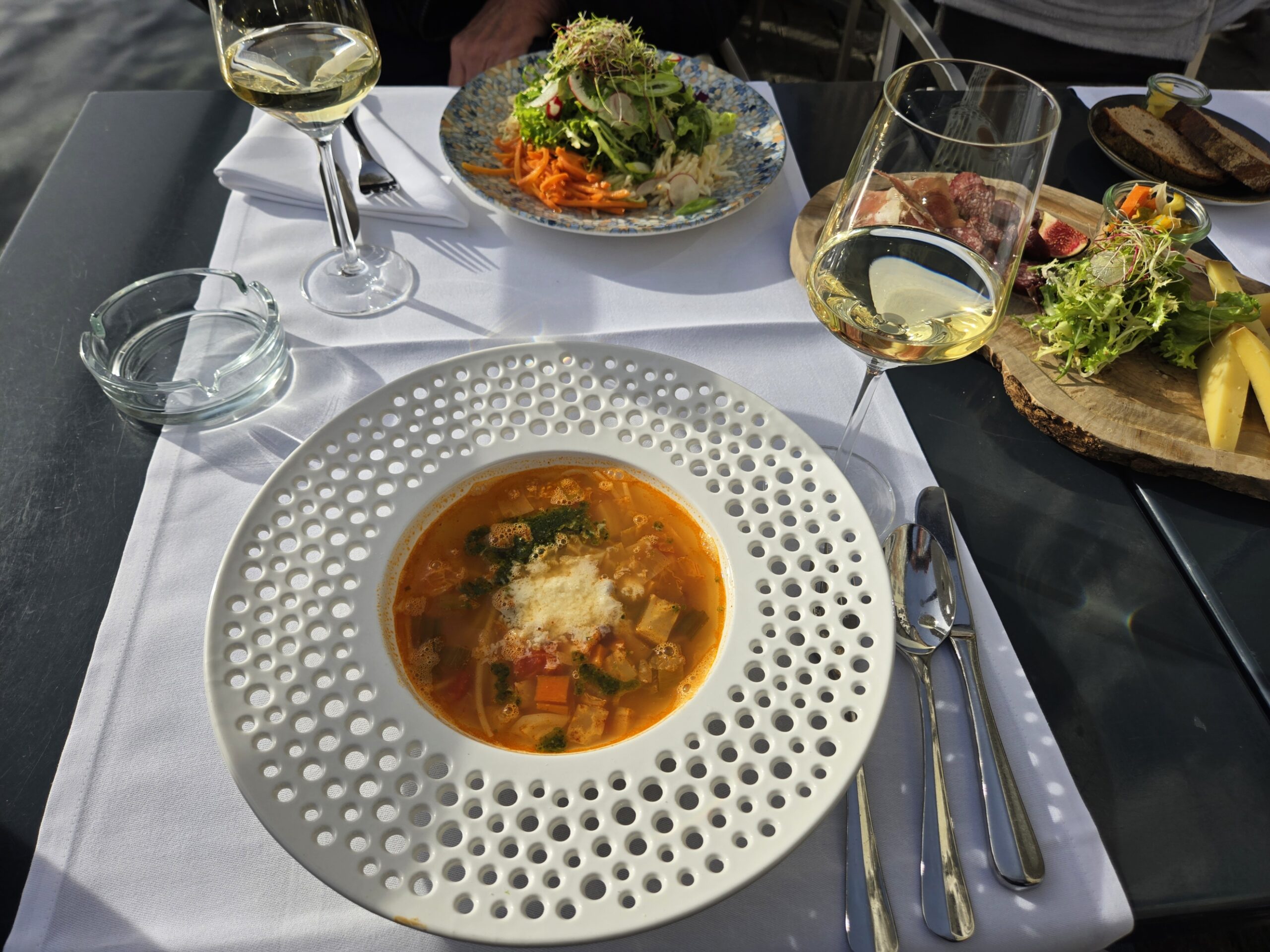
Lunch
Time to checkout the two churches, the clocktower in the square, and Picasso’s Museum.
First, St. Peter’s Church. St. Peter’s church is the oldest church in Lucerne, built in the 19th century on top of a church that was built in the 12th century. I’m sure that how they get away with the claim. A rather “stark” church, not much in the way of elaborate design or architecture. The interior is painted white with only a couple of frescoes from the previous church still exposed. But this church does have a secret, a very unusual secret.
Starting in June and continuing to the end of October, on the first Friday of each month, the interior of the church is transformed into a jazz bar. On these Fridays, from 8pm to 11pm, one can come to the church, enjoy a glass of wine and listen to a local jazz band. To help with the ambiance, the entire interior is bathed in blue lights. Nice that they give you a day in between to sober up and ask for forgiveness. And you thought the Catholics were out of control!
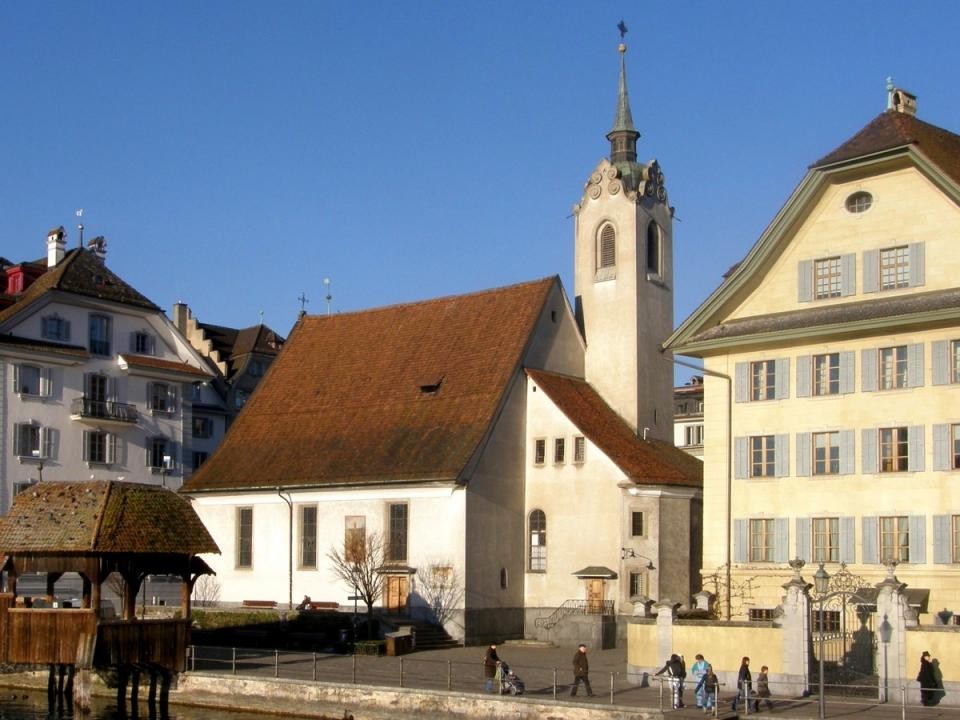
St. Peter’s church
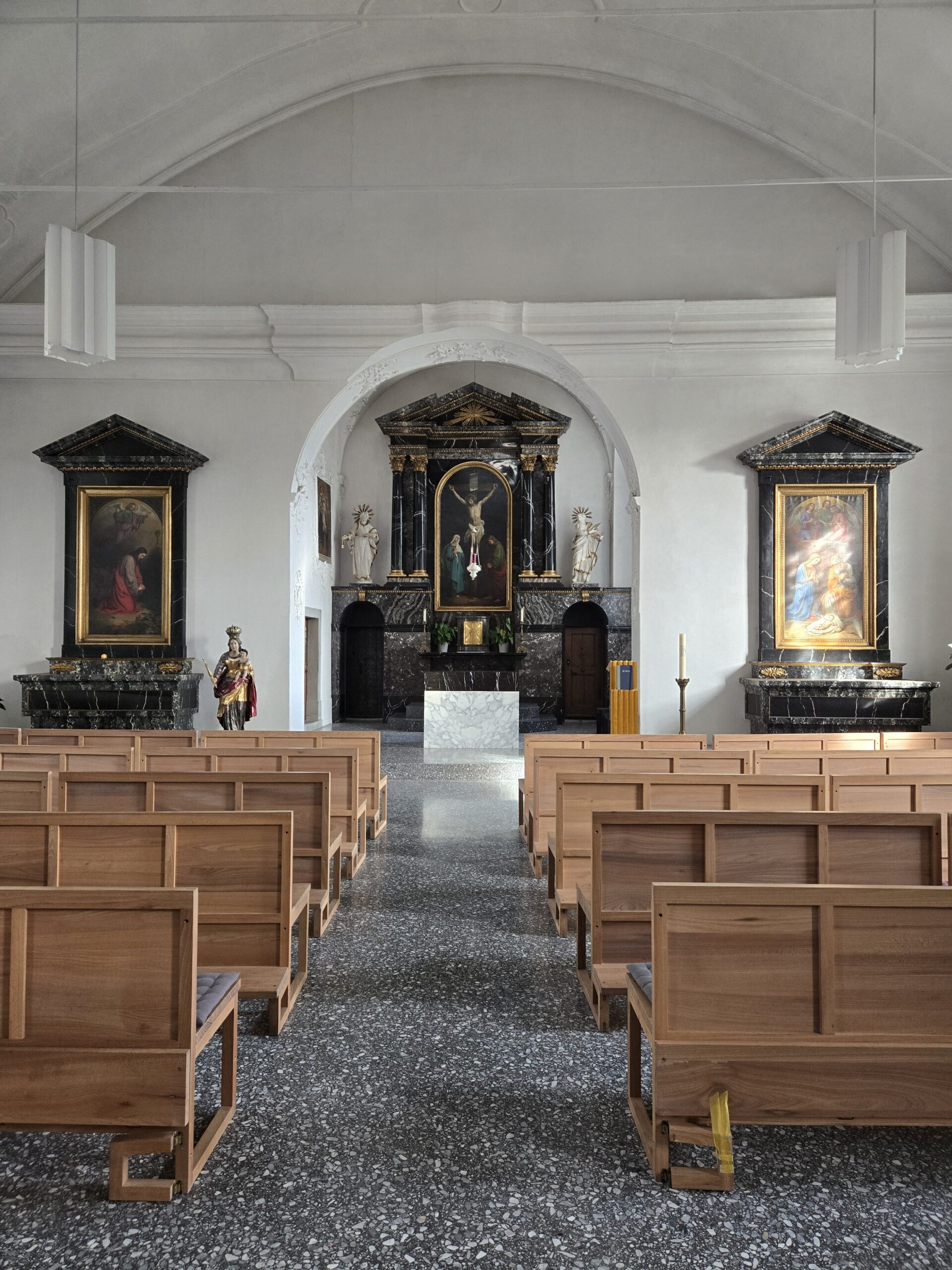
Altar and bandstand
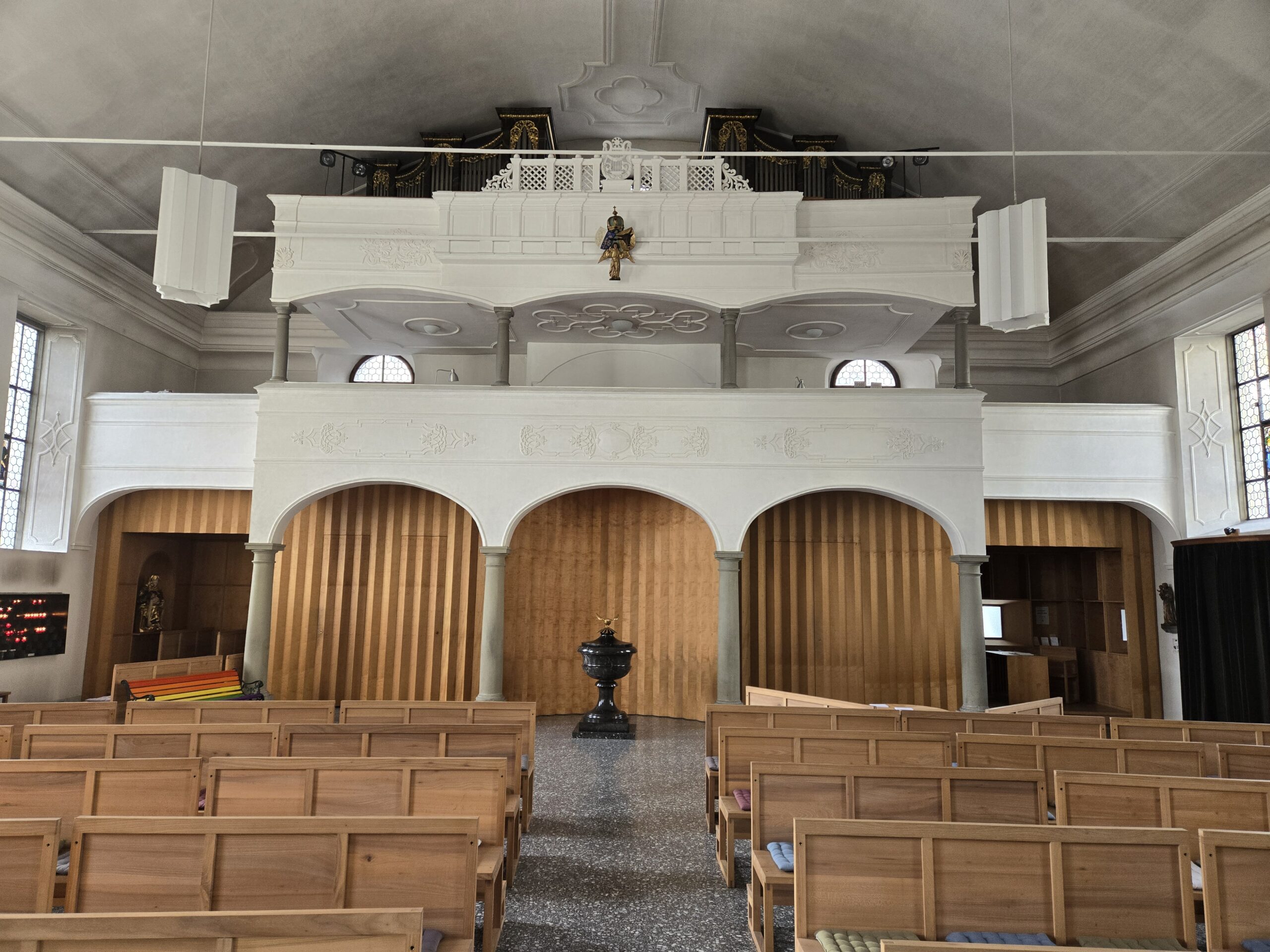 Trying to top that will be difficult but on to the next church / cathedral. This is the Jesuit church built from 1667 to 1893. In 1573, the Jesuits were asked by the mayor of Lucerne to come to his town and open a college. With the promise of annual financial support, the Jesuits agreed and opened their first college in Lucerne in 1577.
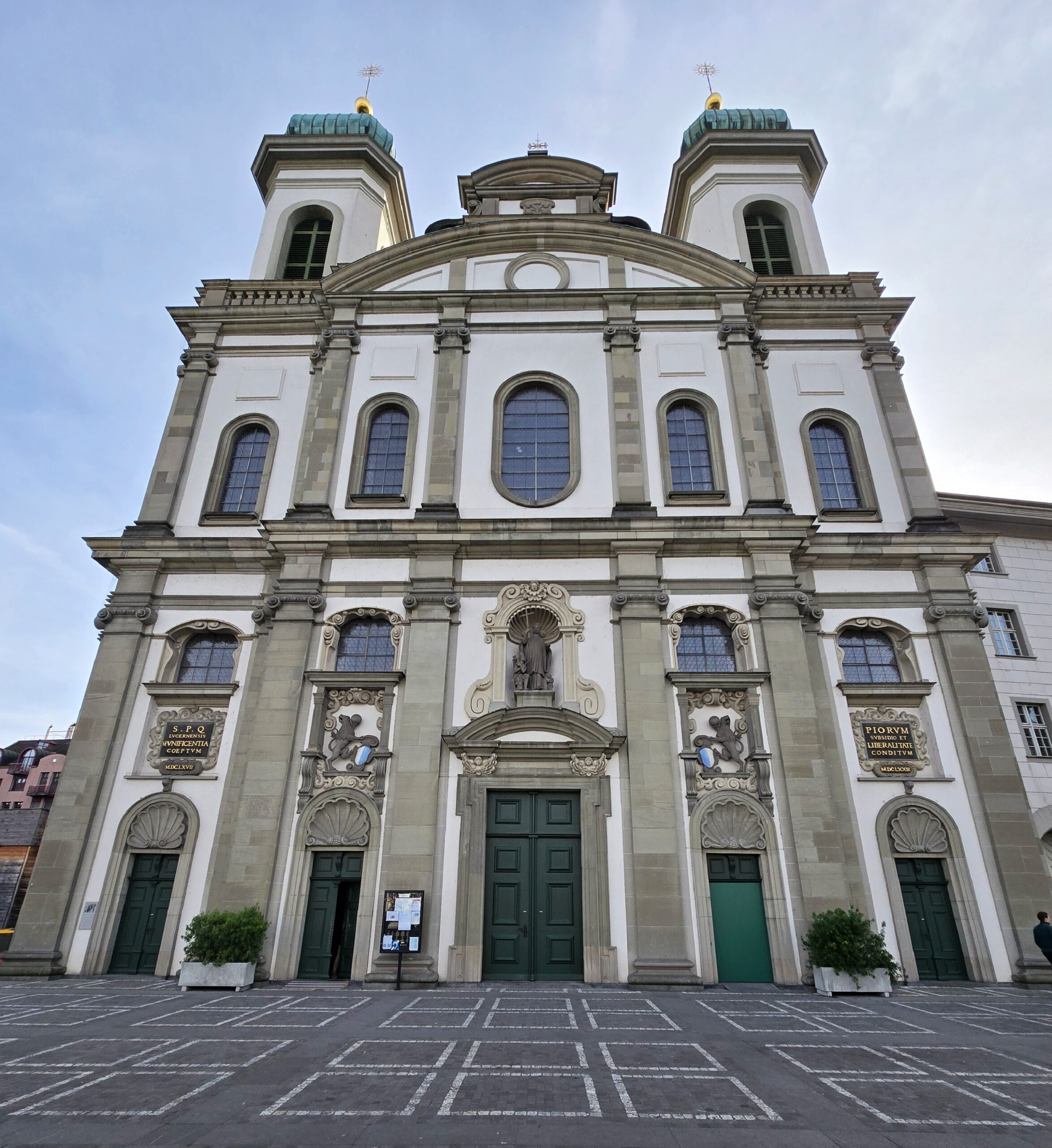
Jesuit church dedicated to Saint Francis Cavier
The interior of this church is quite different from St. Peters. Built in traditional Baroque style, this church is much more elaborate. Dedicated to Saint Francis Cavier, the church showcases the grandeur and dramatic artistry characteristic of the Baroque period. The ceiling is adorned with vivid frescoes depicting scenes from the life of St. Francis Xavier and other biblical stories.
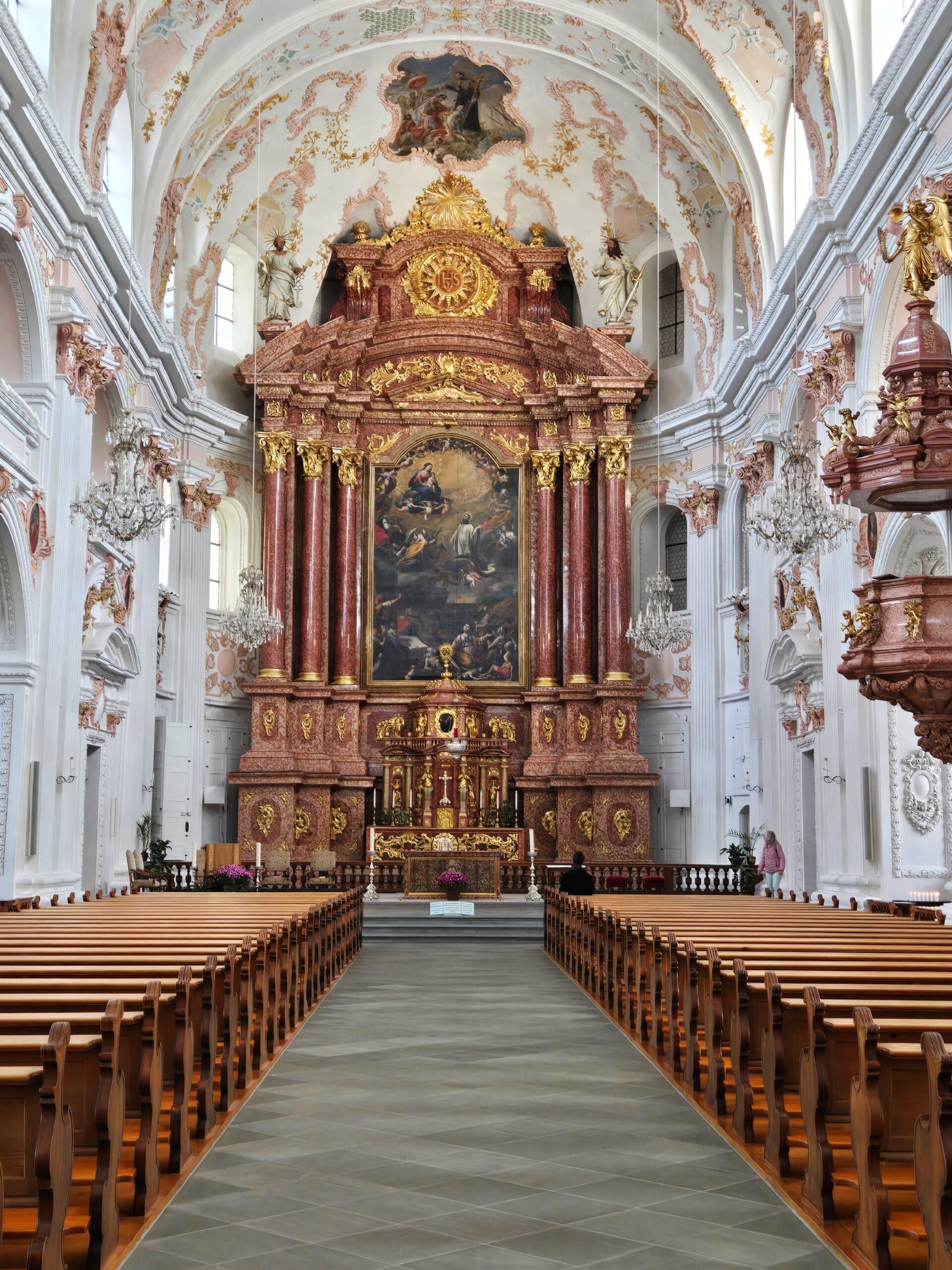
Alar, just a bit more ornate than St. Peter’s church
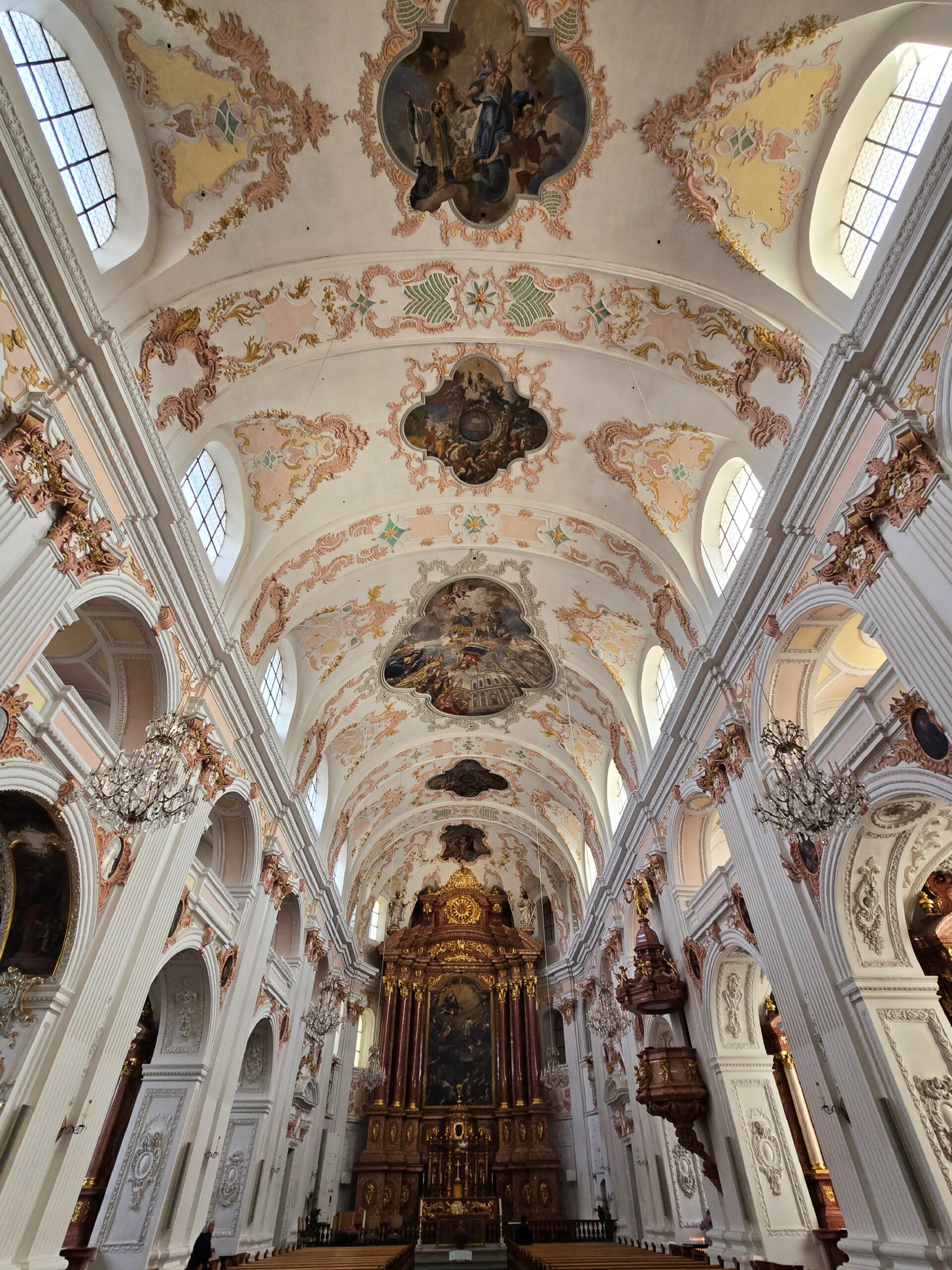
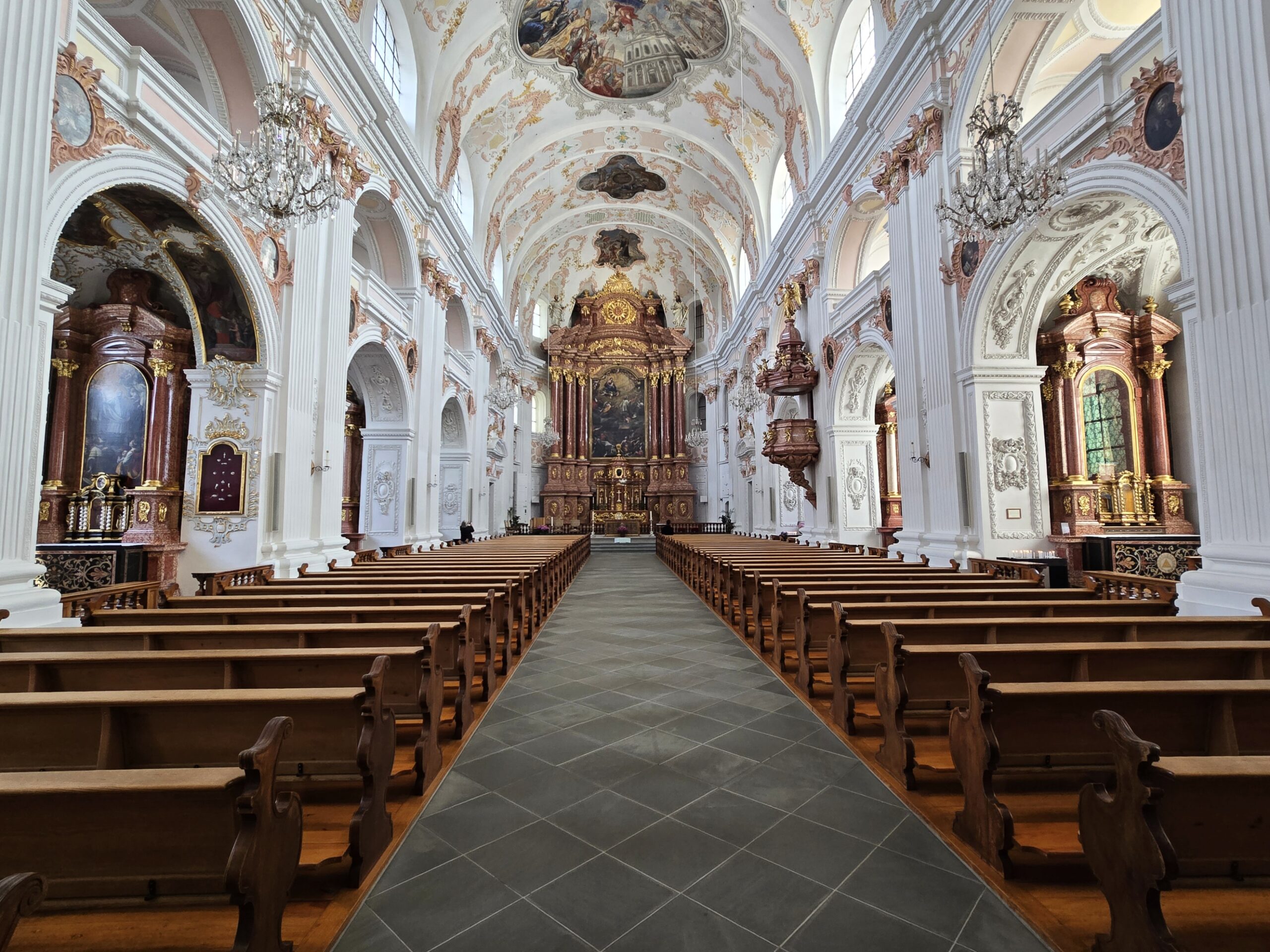 Since St. Peter’s church has the jazz night, we left a suggestion with the clergy that they might want to consider opening the church to alternative events and make a little extra cash. Female mud wrestling and marijuana joint night came to mind. Probably hold it on Thursday night to not conflict with the Friday jazz night, and give the participants 2 days to recover before confession. Still waiting to here back but we did get a thumbs up from one of the brothers.
The clocktower square. We’ll just start off with no one knows for sure how old the clocktower is, but we do know it started out as a clocktower. The earliest writing of the clocktower identify it as a being built sometime in the 15th century. Dating of the timbers inside the structure found that they were from around 1403, so we’re close.
The big clock face allowed people in the city and the boat crews out on the lake to read the accurate time. The clock bell strikes one minute before the chime of the church bells in Lucerne. In 1385 the city council decreed the “privilege of first stroke” for the public clock.
Still today the stroke of the clocktower clock is one minute before the chime of the church bells.
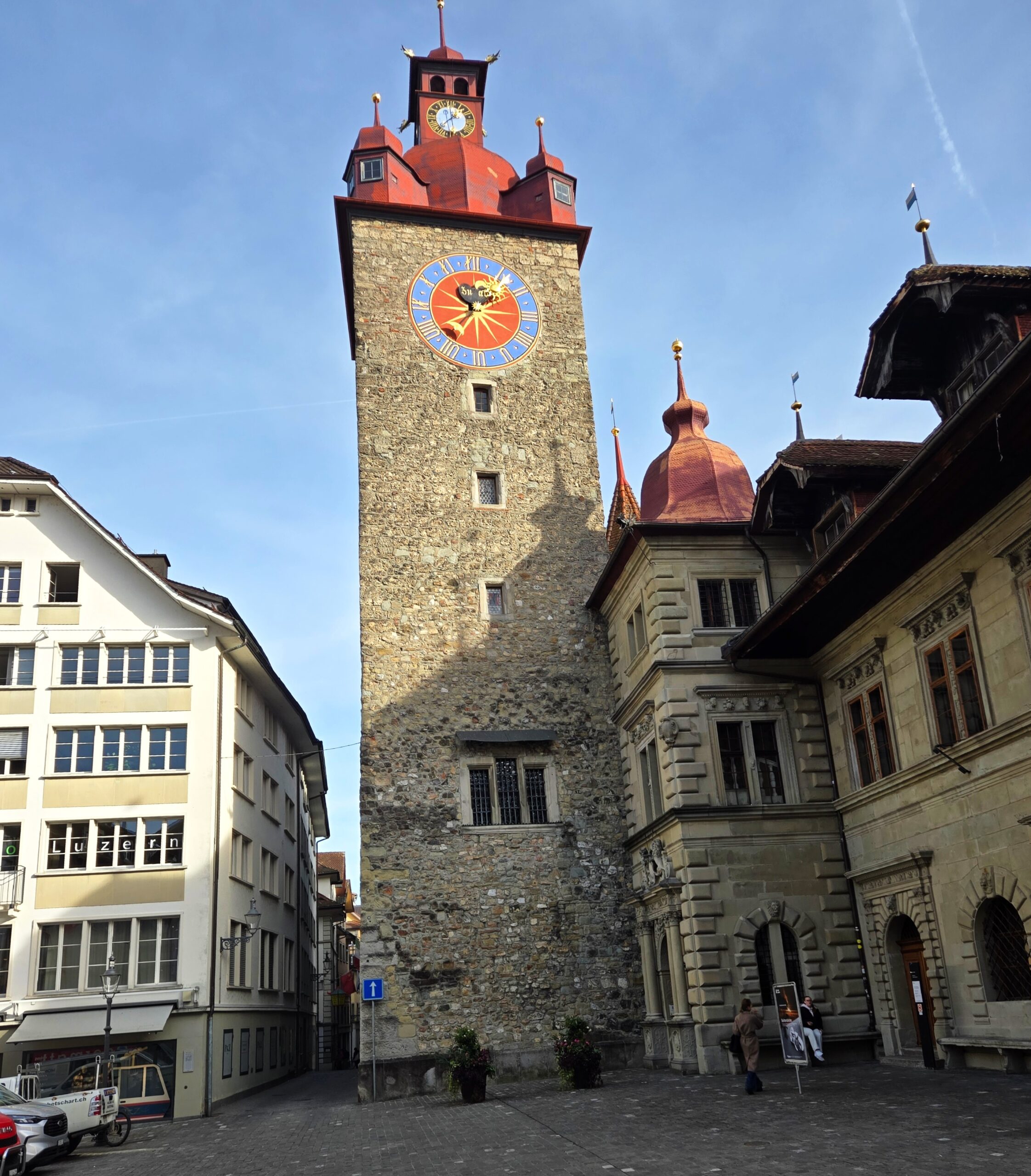
Clock-tower (with 2 clocks)
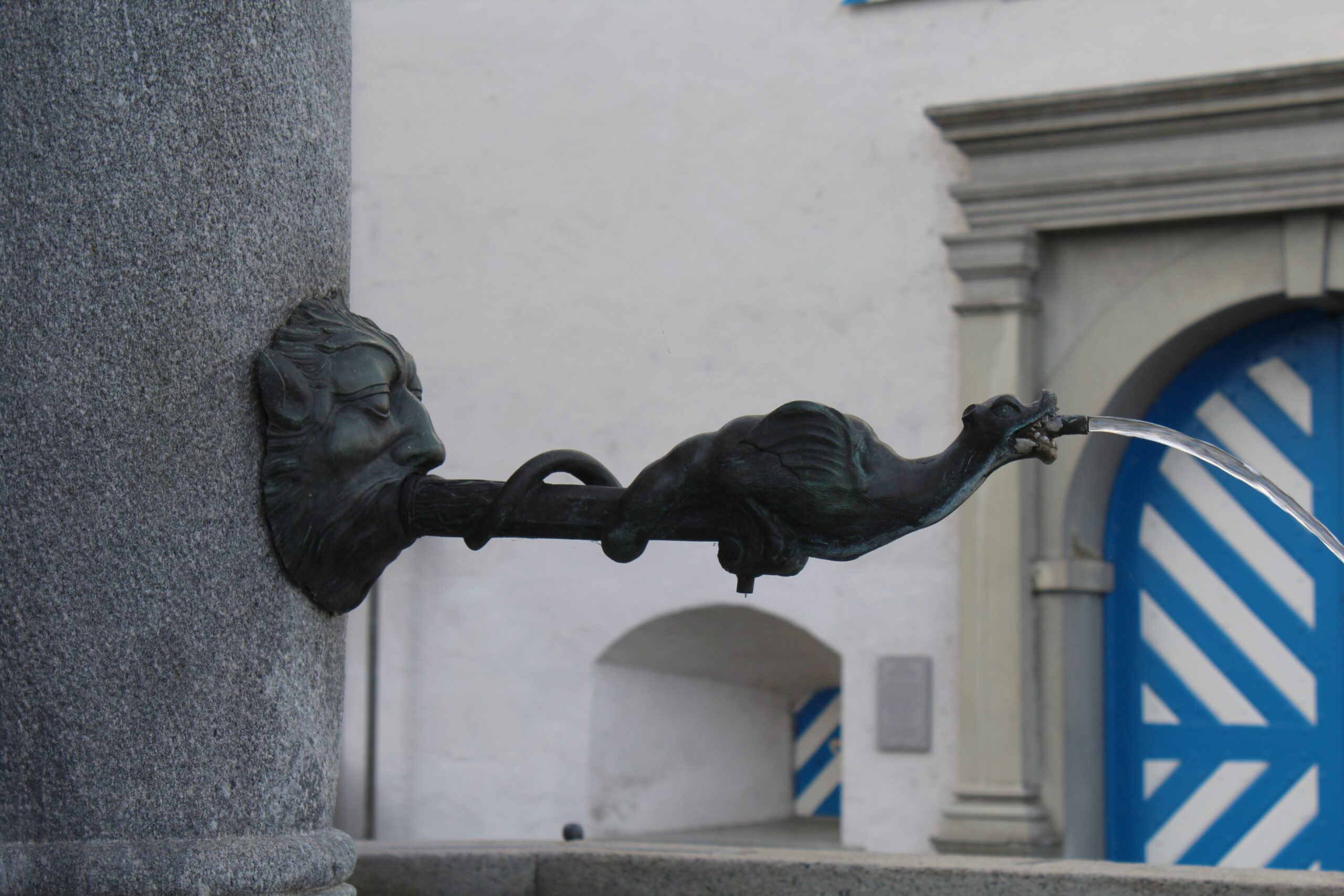
Again, not sure.
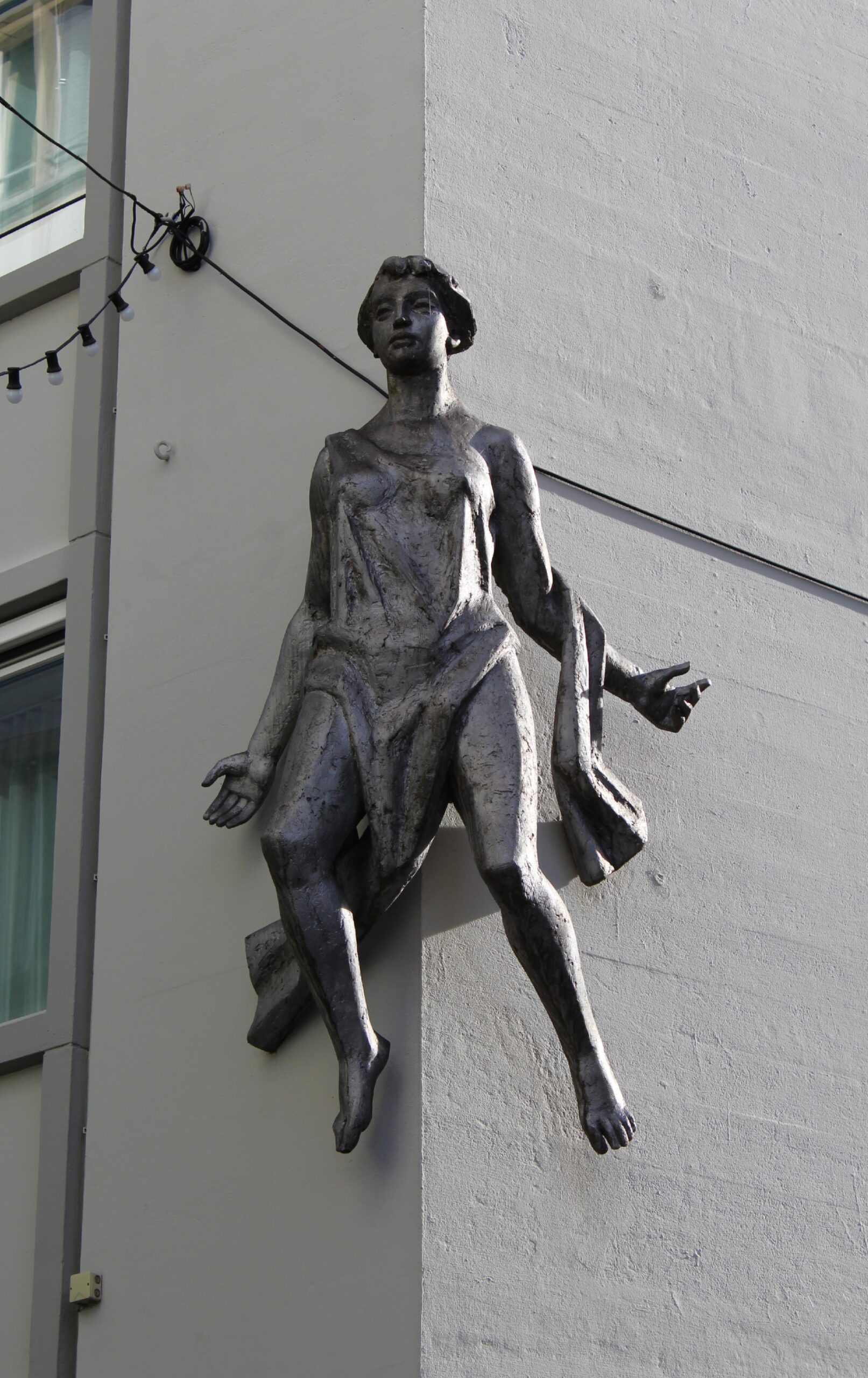
Uh, no idea.
OK, last stop before heading back to Unterterzen, the Picasso Museum. Paid our senior rate of 18EUR per elder and began wandering the 3-story museum. The museum not only has Picasso works, but Monet, Cezanne, Seurat, Renoir, and others. It would take better than 3 hours to give these paintings and art works appropriate time to enjoy, but we only have about 1.5hrs so our viewing will be quick. I won’t try to describe each piece of art work, or the meaning so just enjoy and draw (no pun intended) your own conclusions. Picasso – surrealist, cubist; Monet – impressionism; Cezanne – post-impressionist; Seurat – neo-impressionist; Renoir – impressionist.
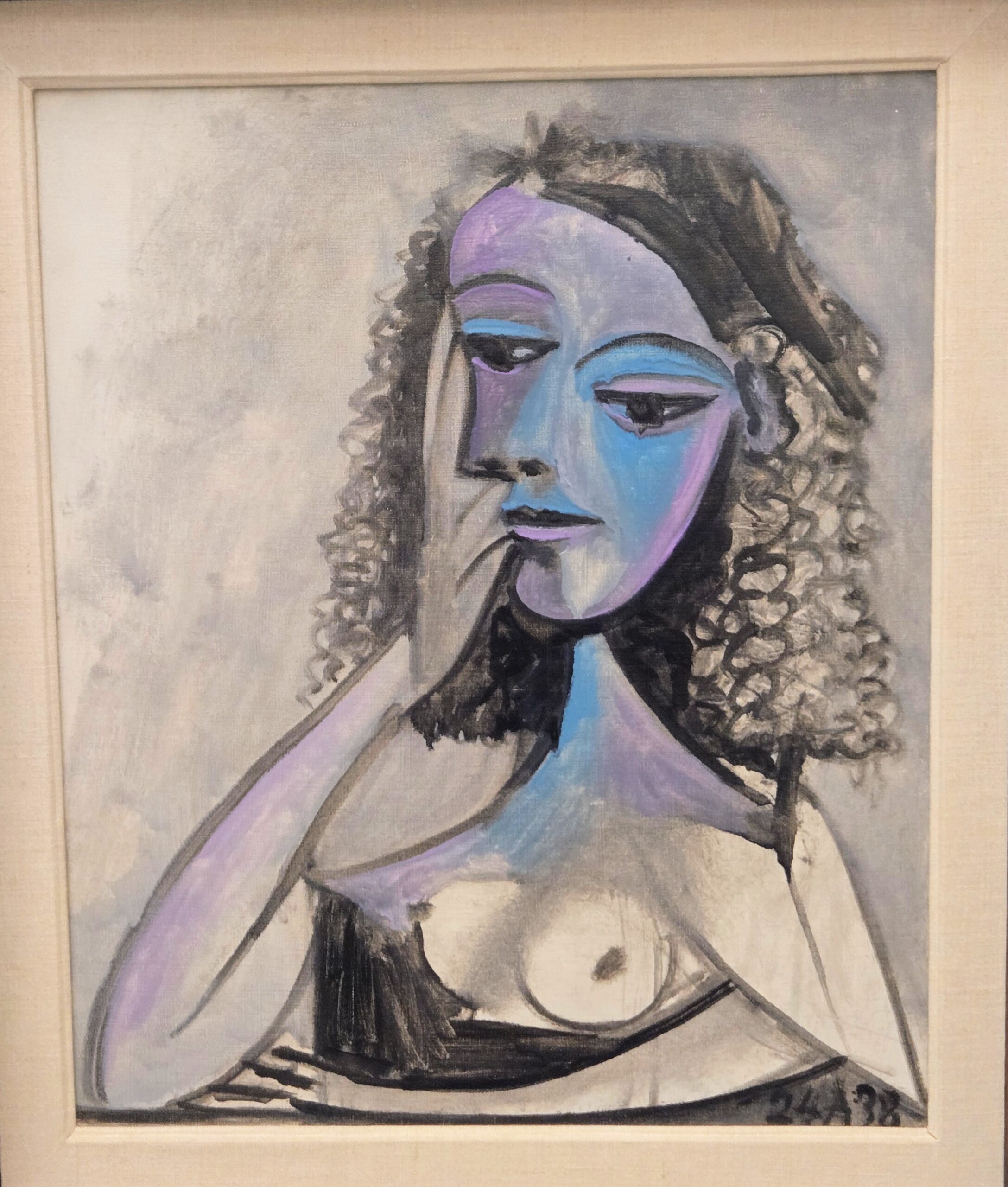
Buste de Femme (Jacqueline), 1963 Picasso
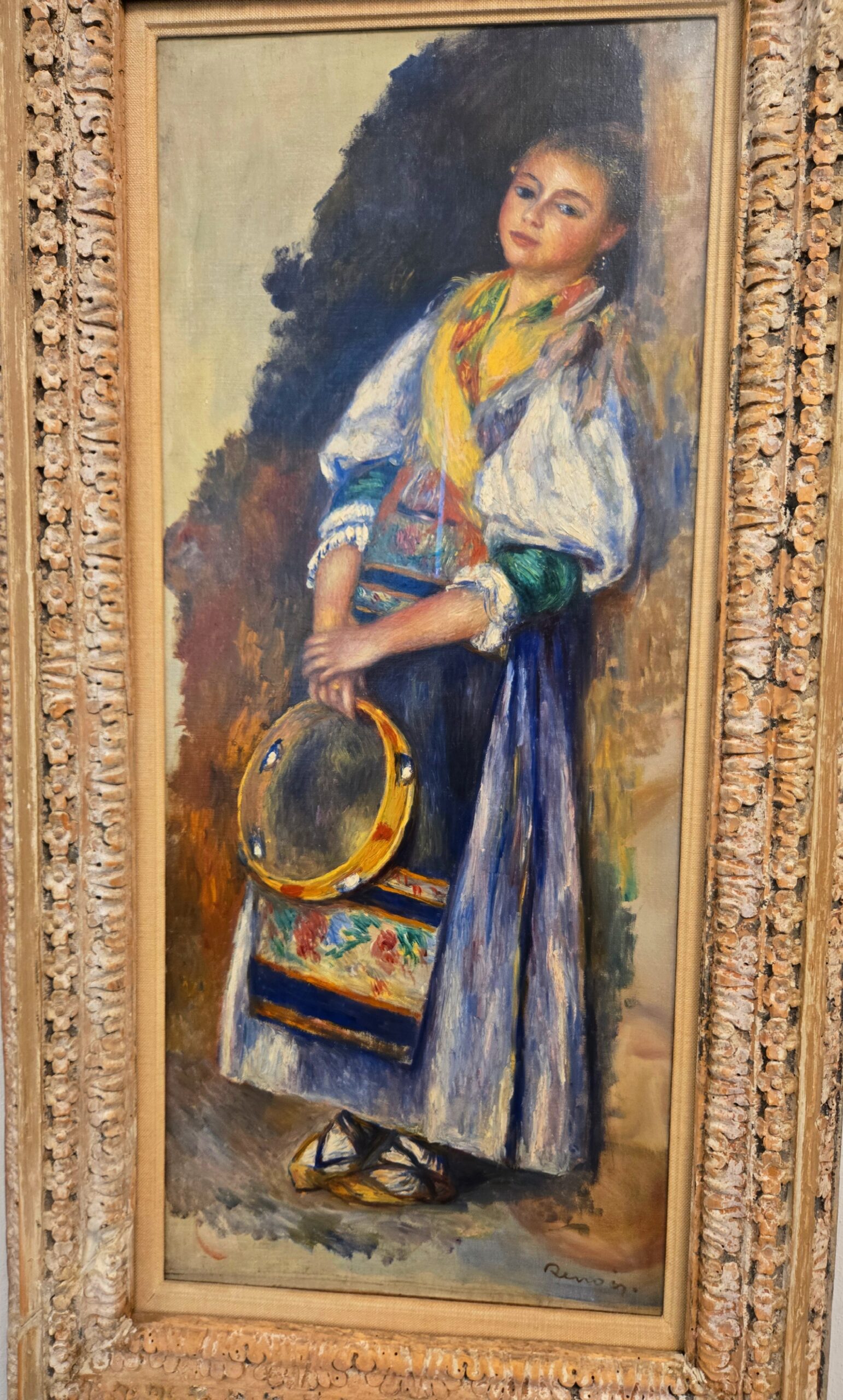
Girl and tambourine – Renoir
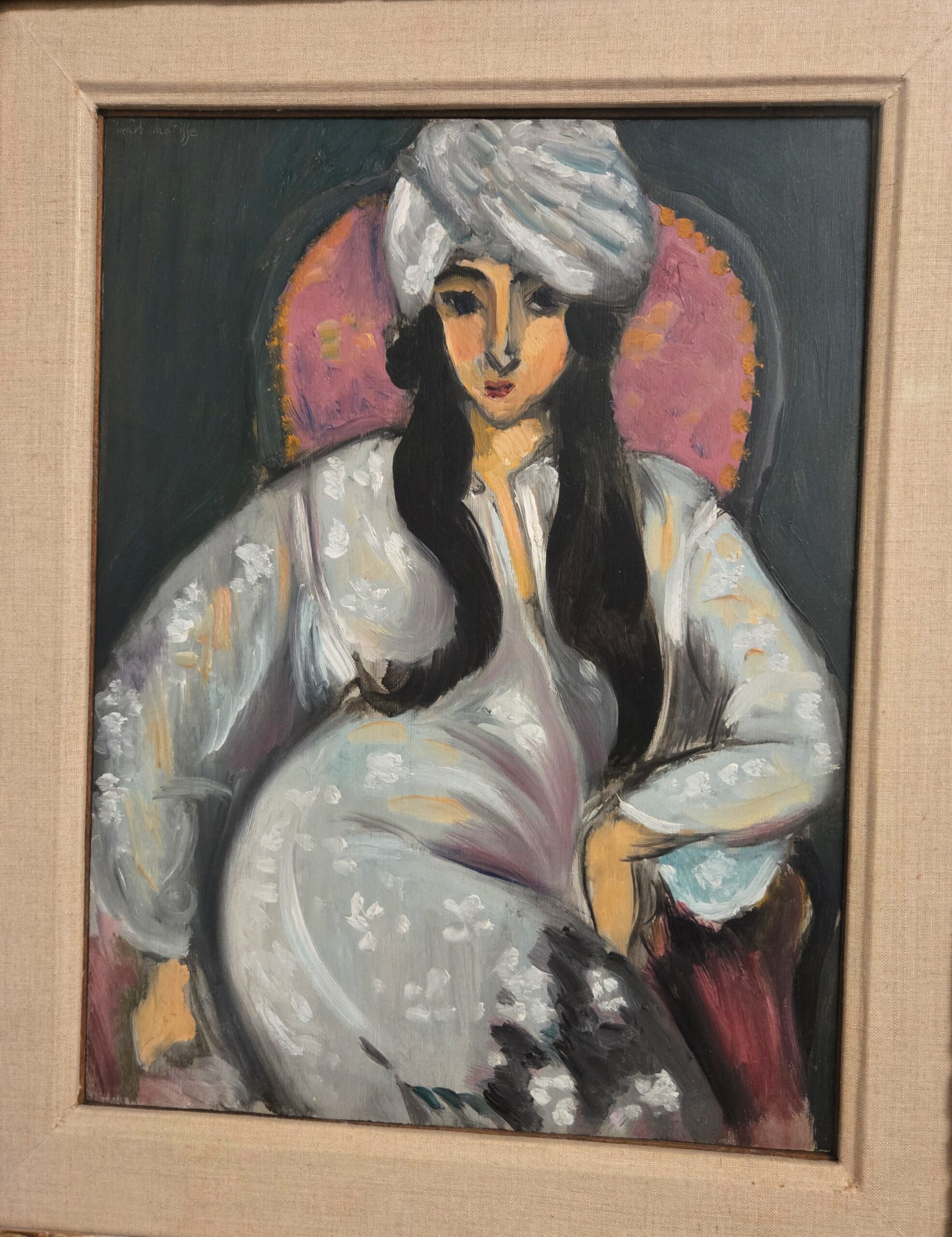
Laurette with white turban – Matisse
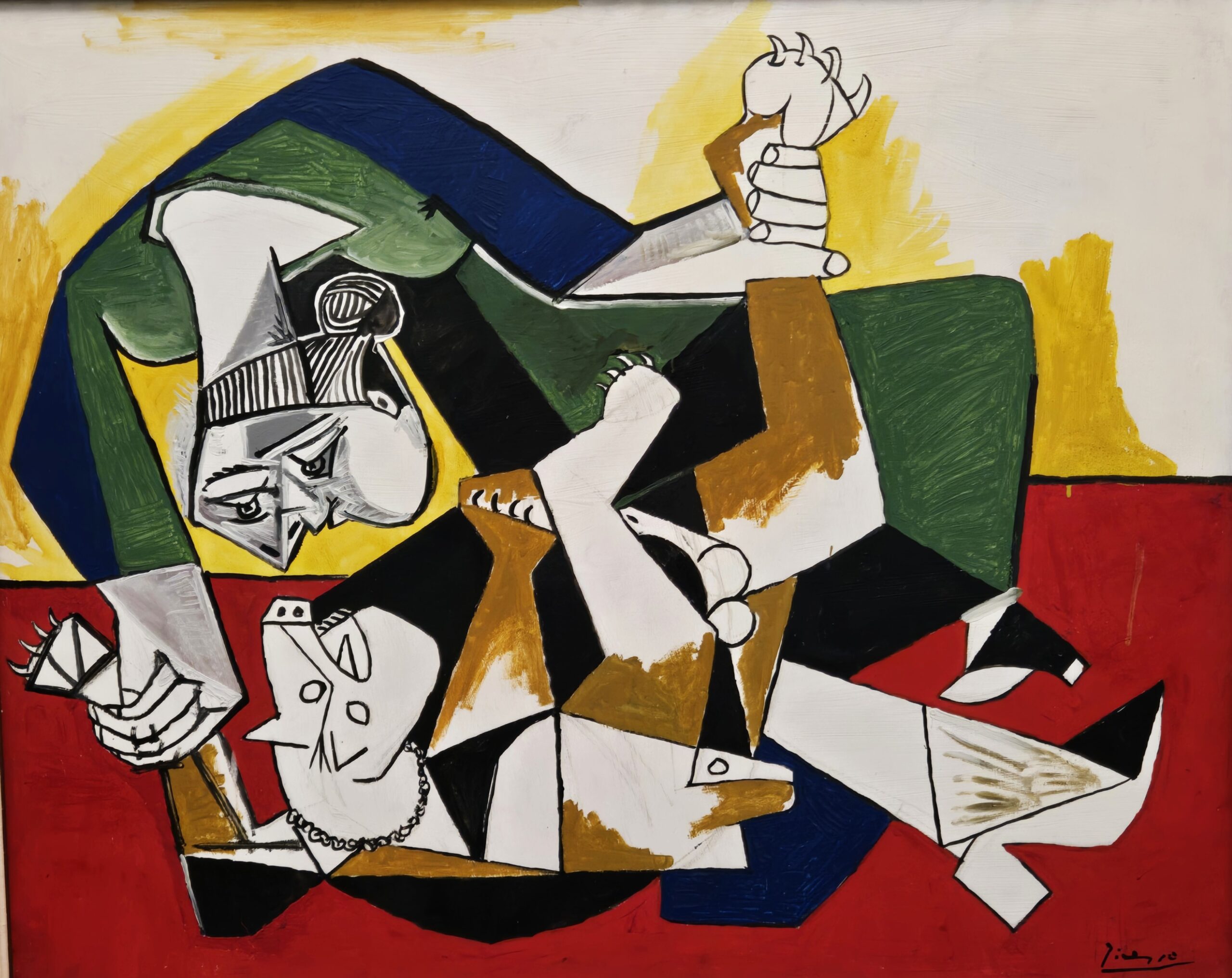
Leo playing with Link – Picasso
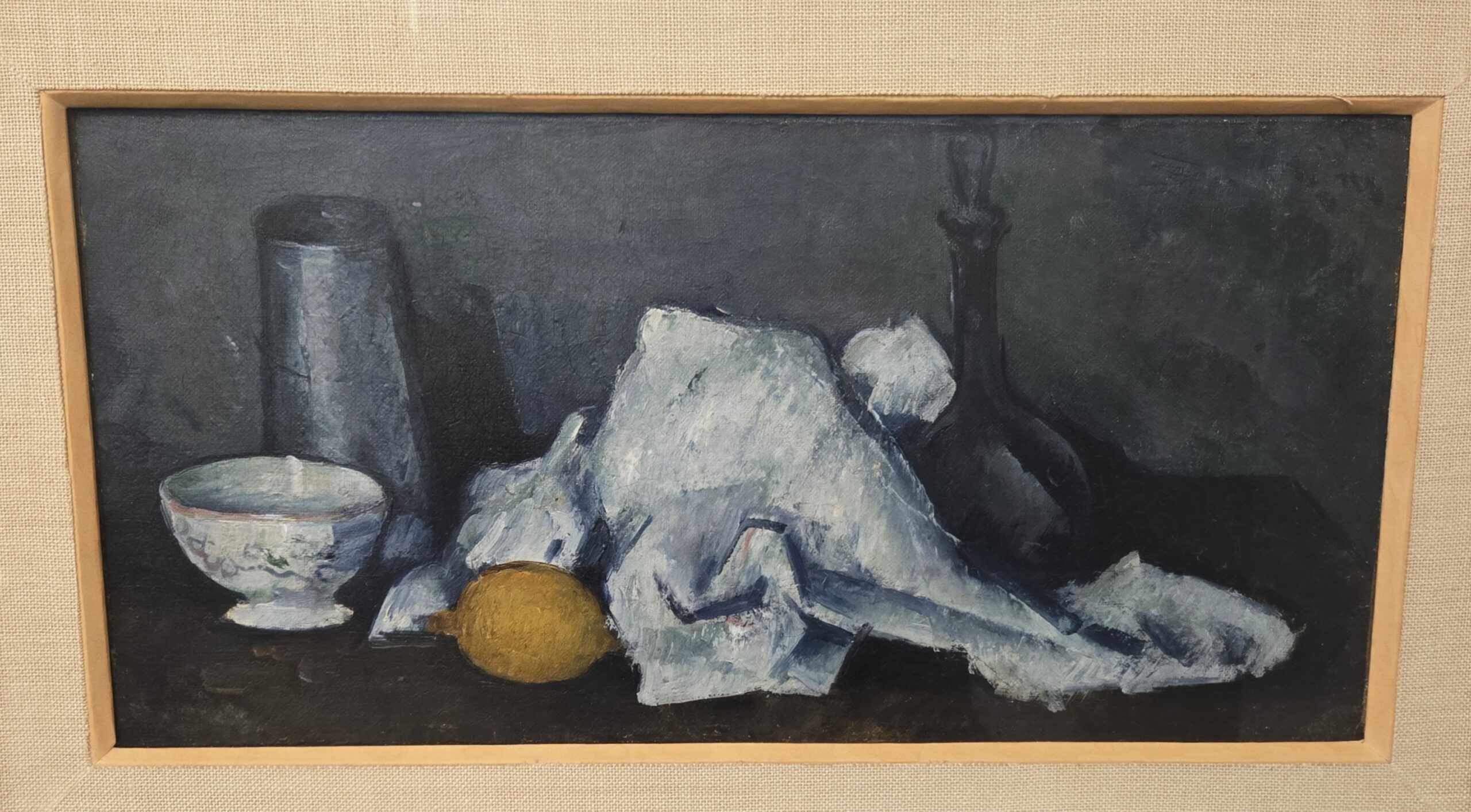
Milk carton and lemon – Cezanne
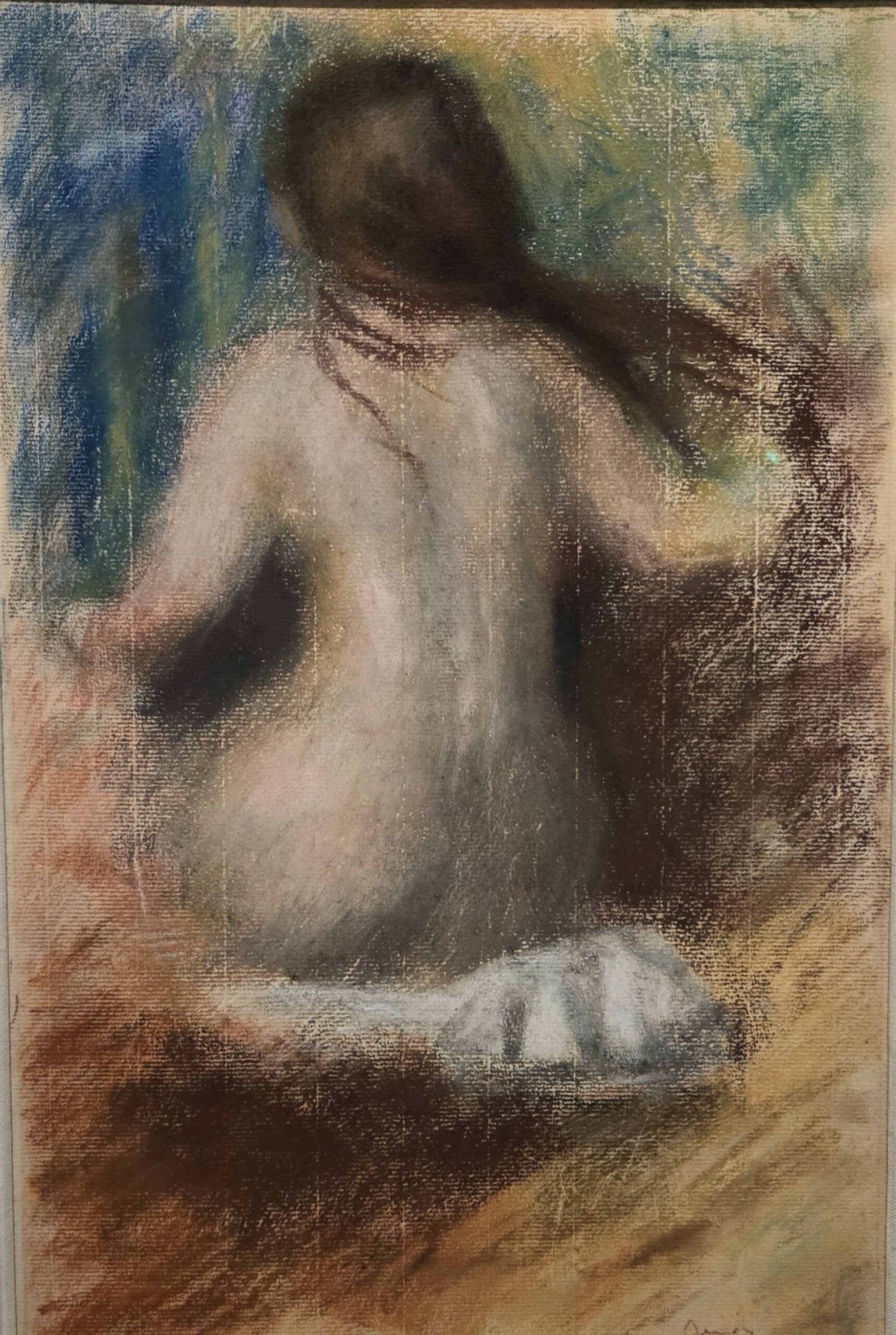
Nude from behind – Renoir
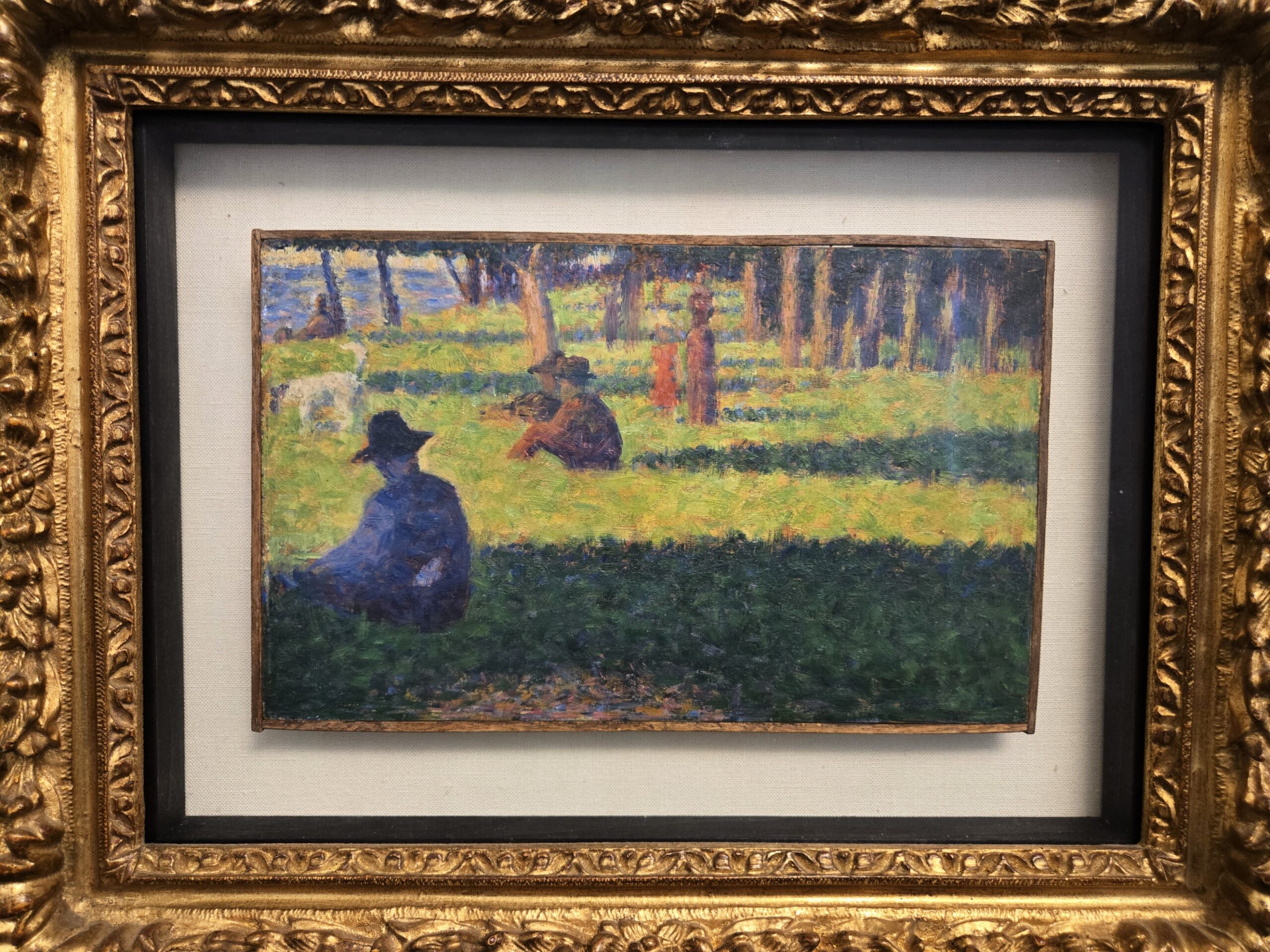
White dog – Seurat
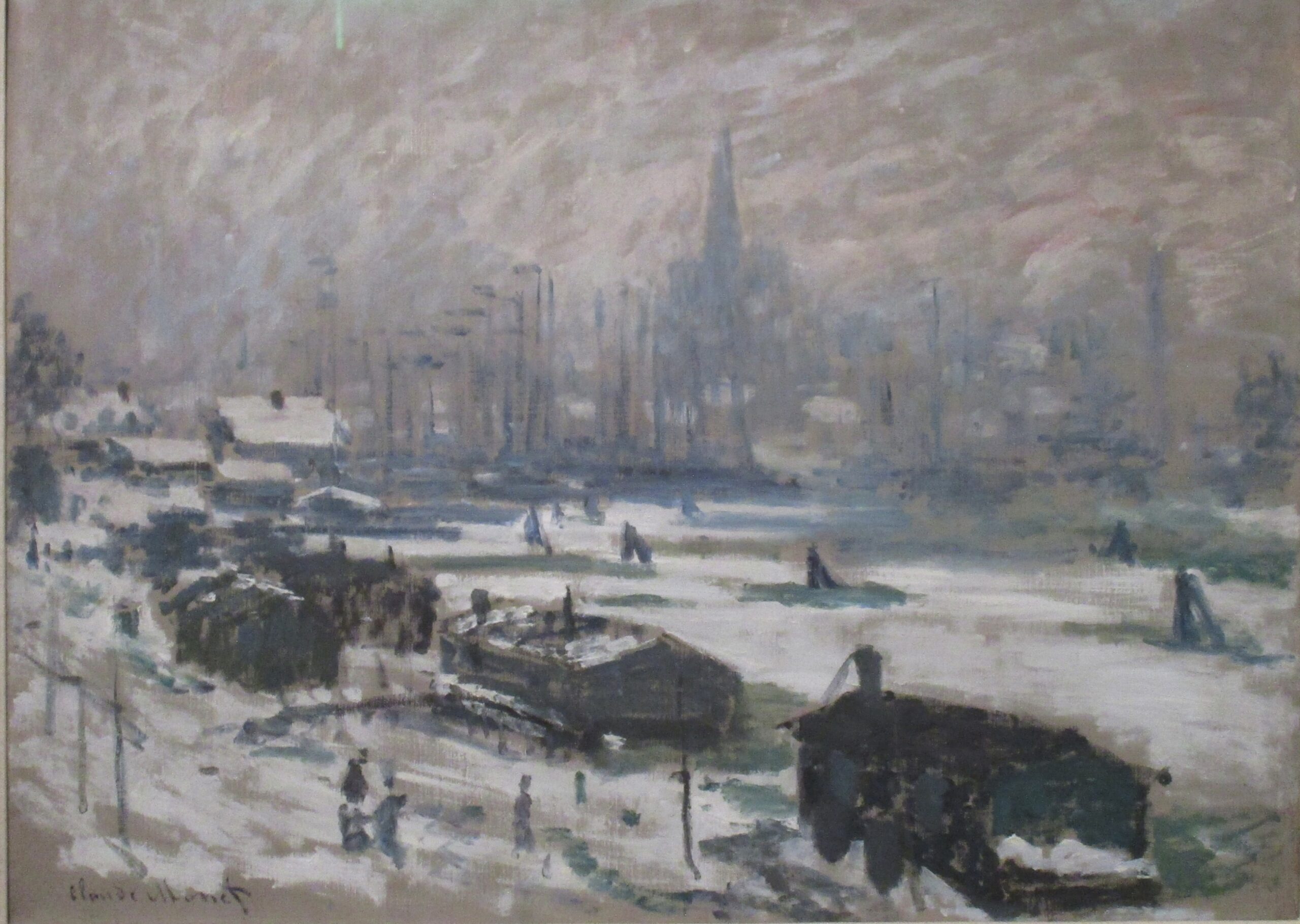
Snow in Amsterdam – Monet