Krakow – Schindler’s Factory
Beautiful day today, clear, cool, no rain forecast and high of ~60F, so much better than yesterday! Dinner last night was in a nice restaurant called, “Nines”. We both had sandwiches, burger for me, chicken for the misses, and a glass of wine. Really needed it after the fiasco of driving around the town last night.
We drove over to Oskar Schindler’s factory since walking was going to take about 35 minutes, that is if GPS cooperated. Parking, as with most large cities, is at a premium but we were lucky enough to find a spot that was free and only a 10 -walk to the factory. Perfect. Hope the car is here when we return.
We signed up for the English tour to get a better understanding of the museum. You can do a self-guided tour but there is no audio guide so you’re on your own.
The museum is housed in the administration buildings of the factory. The factory buildings have long been destroyed and replaced with new apartment buildings. So how did Schindler manage to do what he did?
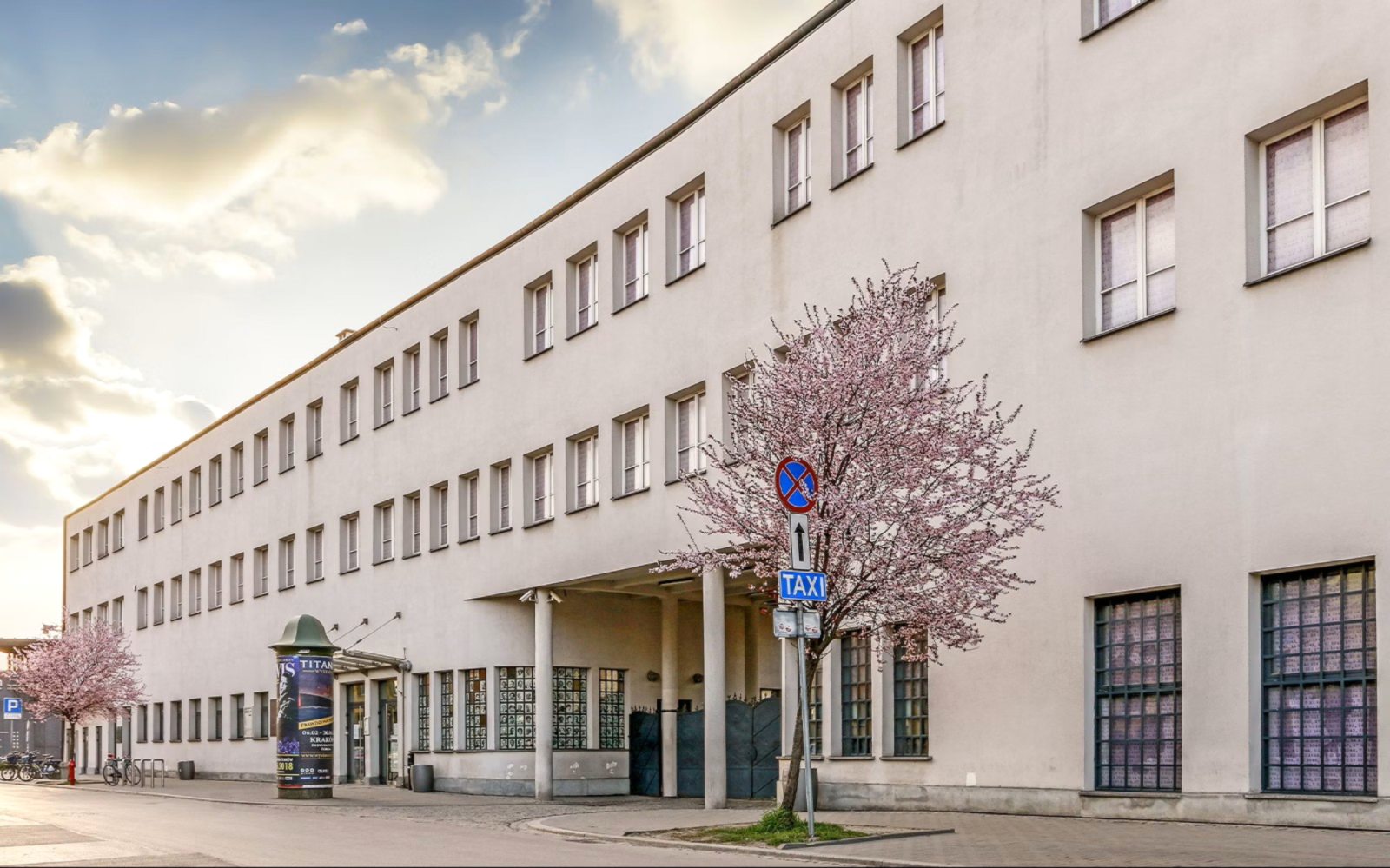
Schindler’s Factory
The factory was opened two years before the start of WW2. In the autumn of 1939 it was confiscated from three Jewish owners and taken over by a Sudeten German, Oskar Schindler, a member of the NDSAP (National Socialist German Worker’s Party). Schindler had an extensive network of connections which he used to get contracts for civilian (pots, spoons, etc) and military (including mess kits, ammunition shells) metal works for his company, Emailwarenfabrik, commonly known as Emalia.
Re-created office for the movie Schindler’s List
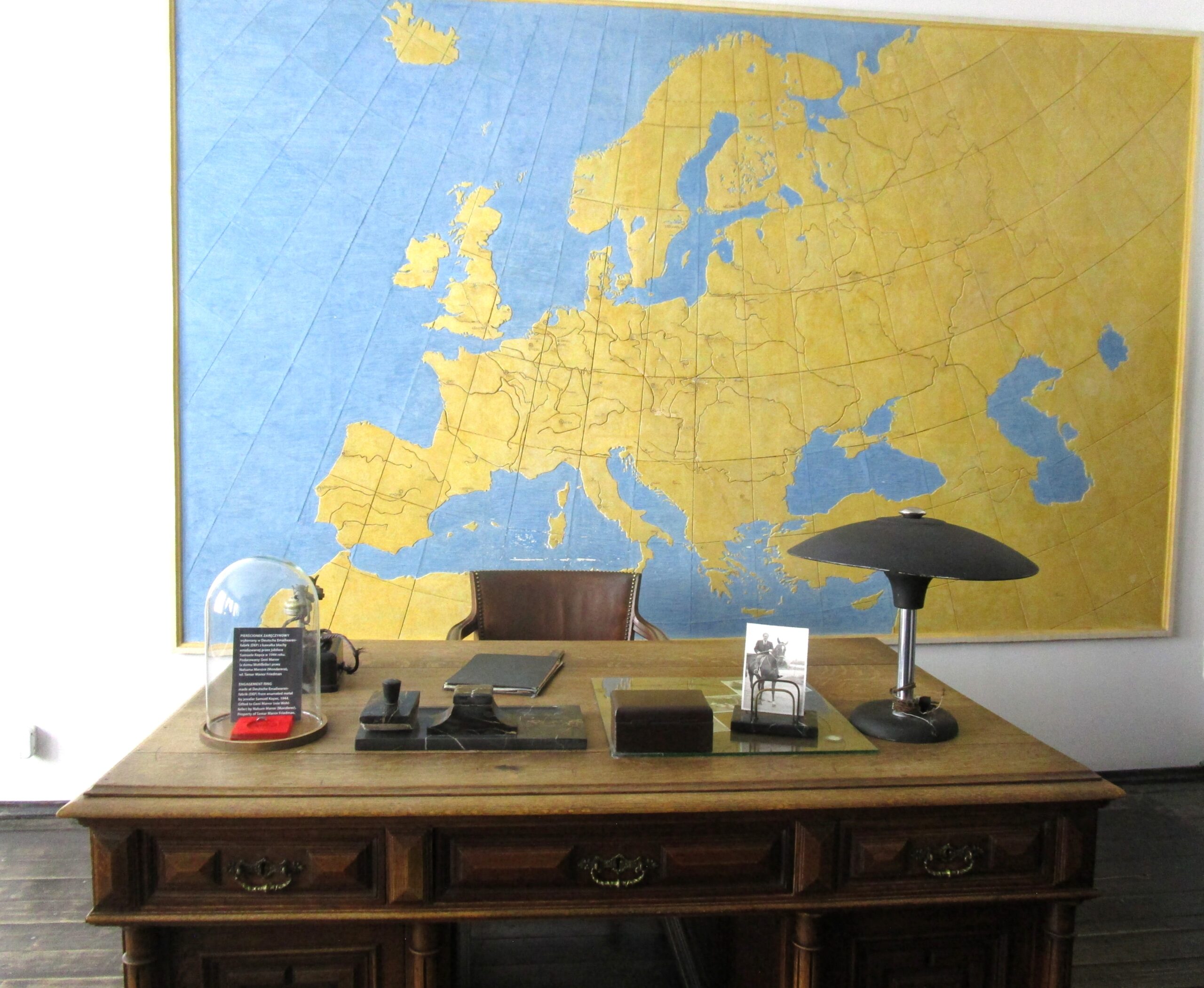
Schindler’s desk
Schindler employed Jews initially for economic reasons as they provided a cheap labor force and with the ghetto located close to the factory, a good supply of replacements. The IDs issued to Jewish staff protected them against displacement and transport to the extermination camps.
After the liquidation of the ghetto in March 1943, Schindler resorted to contacts and bribes to obtain a permit to set up a sub-camp of Płaszów labor camp on the premises of his factory. His staff now lived in barracks built around the factory. The factory became a safe haven for around 1000 souls, including elderly and sick Jews, as well as children, who all lived in conditions that were much better than in the camp.
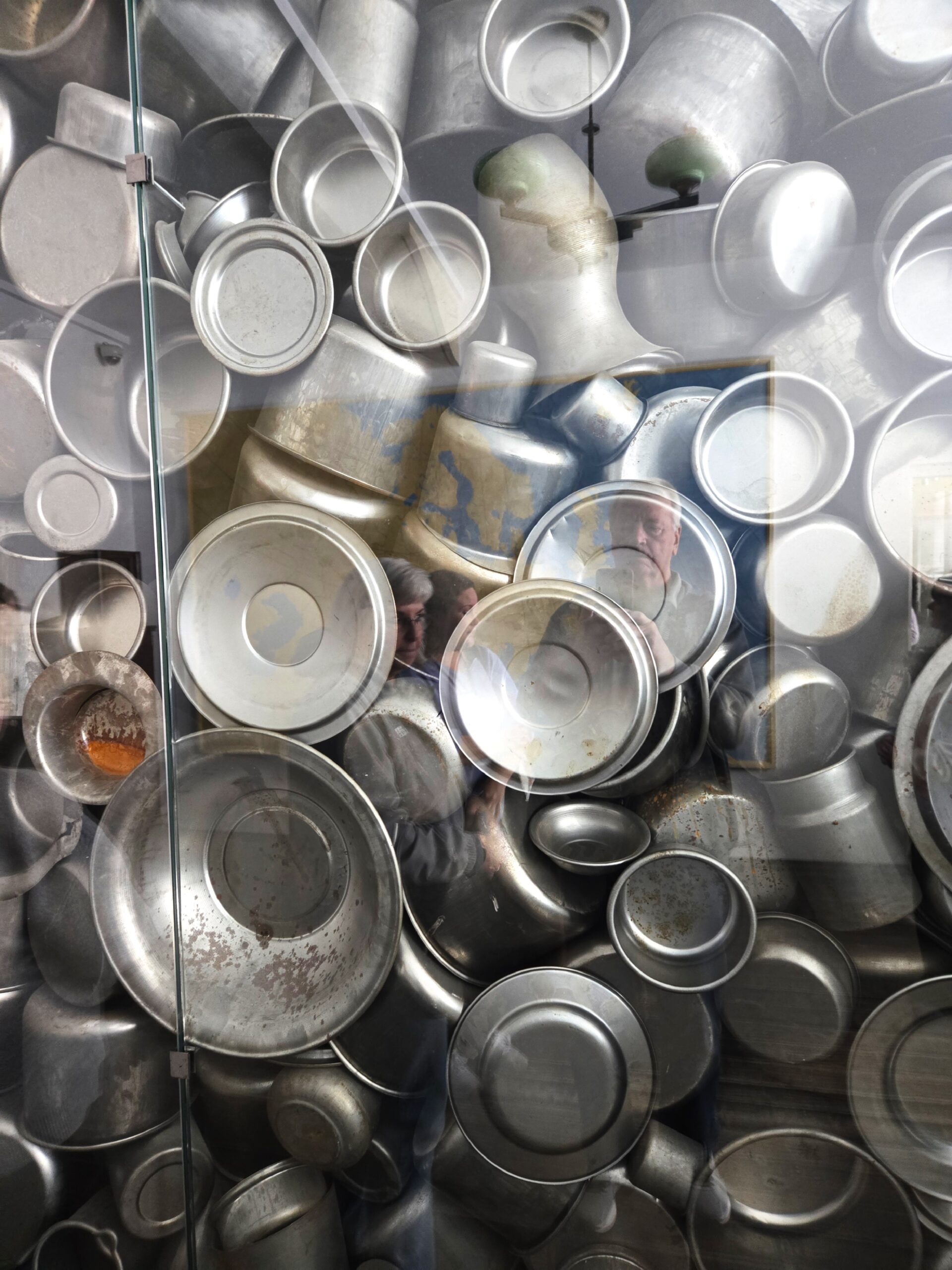
Pots and bowls made by the workers
Early 1945, with the Nazi’s facing defeat, the sub-camp in Emalia was closed. Schindler wanted to save his workers so he propositioned the Nazi’s to let him open a munitions factory in Brünnlitz (Nazi-occupied Czechoslovakia). They agreed and allowed him to take his workers and open the new factory. Before leaving Krakow, Schindler heard of a train that was loaded with Jews for extermination but was stranded on a rail siding in Poland. He approached the Nazi’s and asked to include the people on this train, and was again allowed to add more Jews to his company. This is how he saved the lives of around 1200 people.
If you’ve never seen Spielberg’s movie, “Schindler’s List”, it is well worth a viewing. It is brutal, and I believe that it depicts the environment and sadistic treatment suffered by the Jews during Nazi occupation fairly accurately. No human should have to endure such treatment, ever.
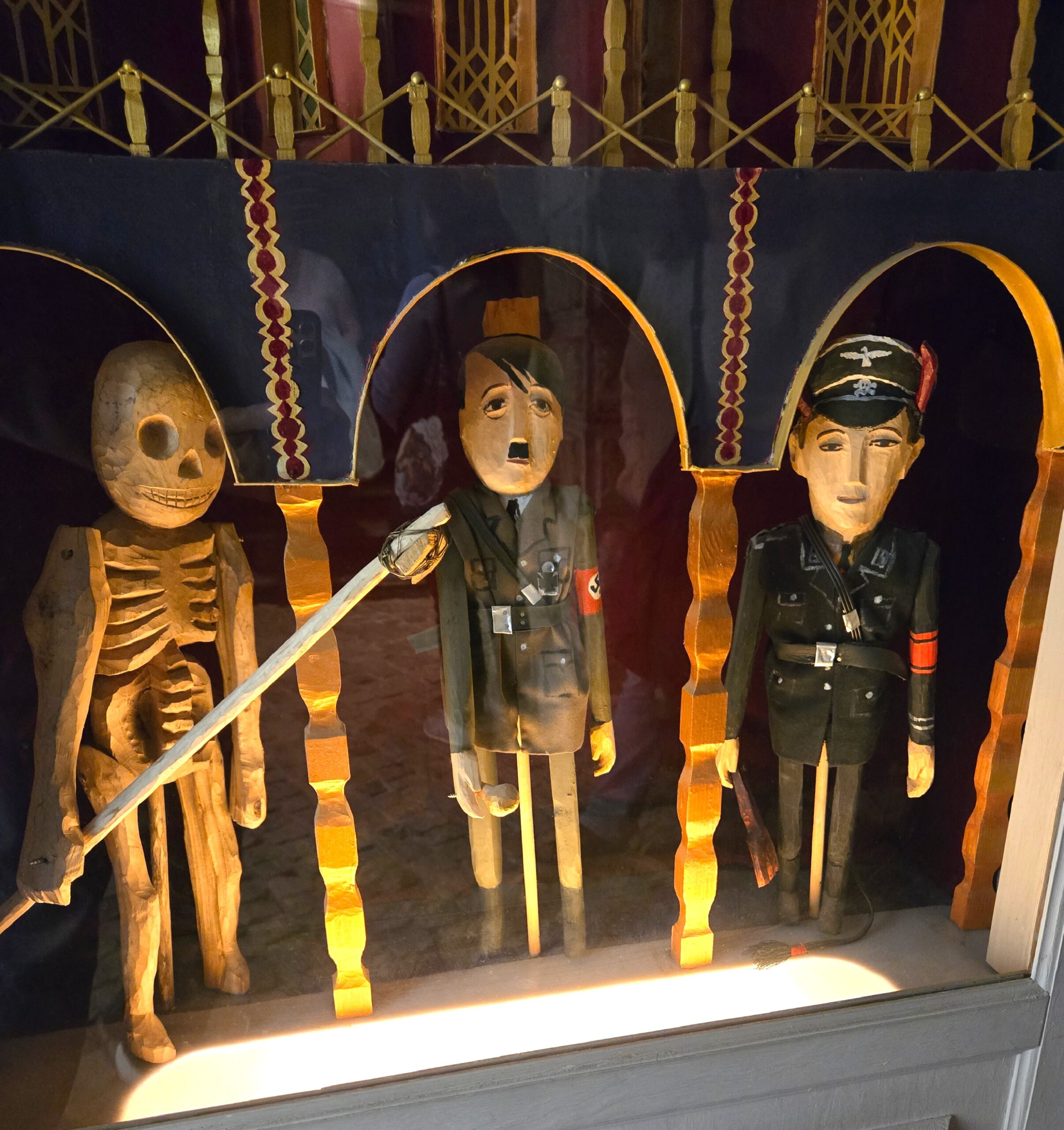
Toys fro 1940’s
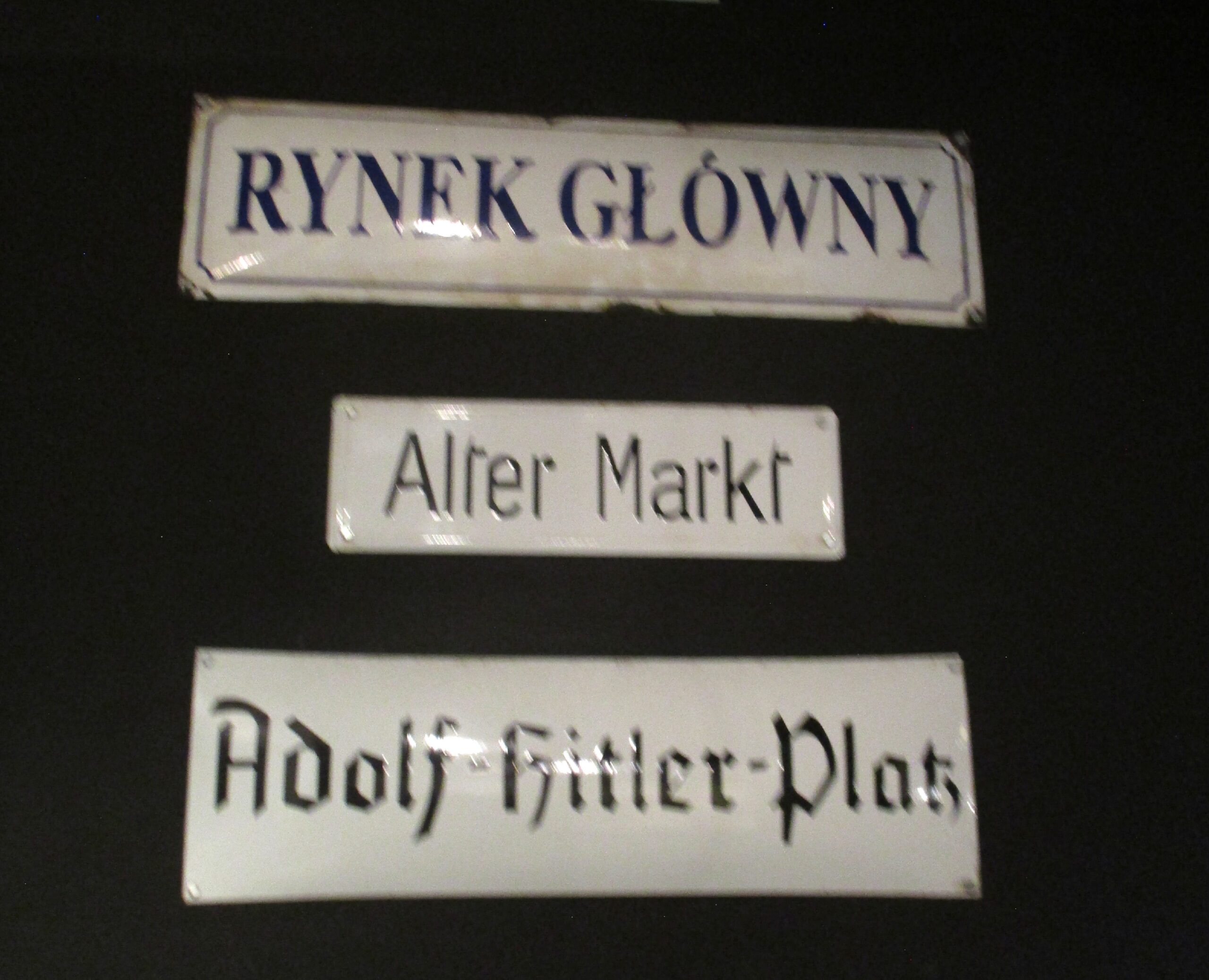
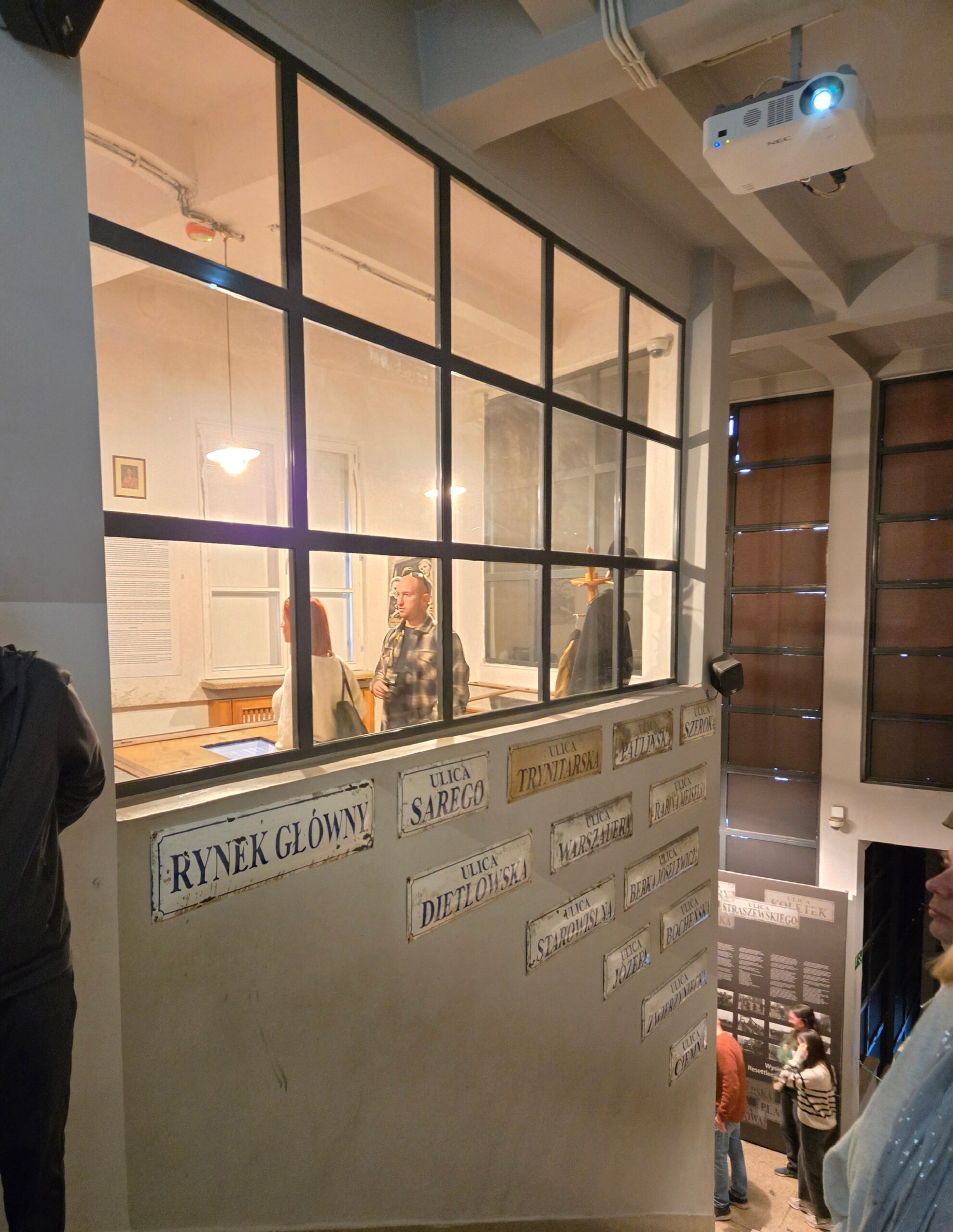
Street signs from the Nazi occupation
This ends our WW, Too portion of our adventure. Well, the war part anyway, the wine part will continue so don’t worry. Krakow is our last stop in Poland. Next, we’re off to Austria and a bit slower pace.
Poland has been a nice, welcoming country so I hope these posts haven’t left you with the idea that it is all about the War. A drive through Poland is like a drive through the mid-West, lots of farms and small towns. Enjoyable, with the exception of 1-way streets and constant speed limit changes. Krakow was spared (partially) during WW2. They surrendered at the beginning of hostilities so the town was not razed by the Nazis. A few pics from around town.
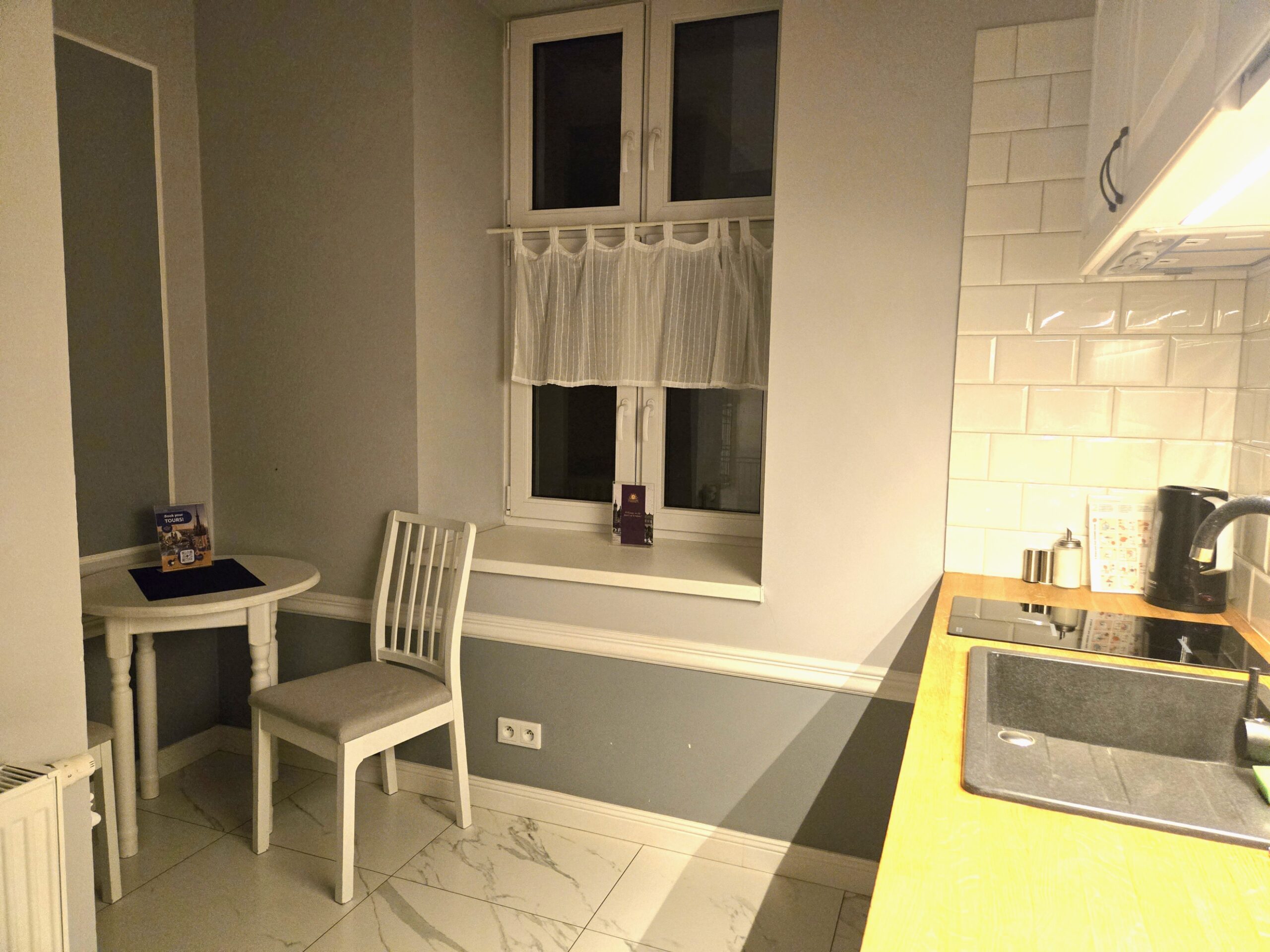
The apartment
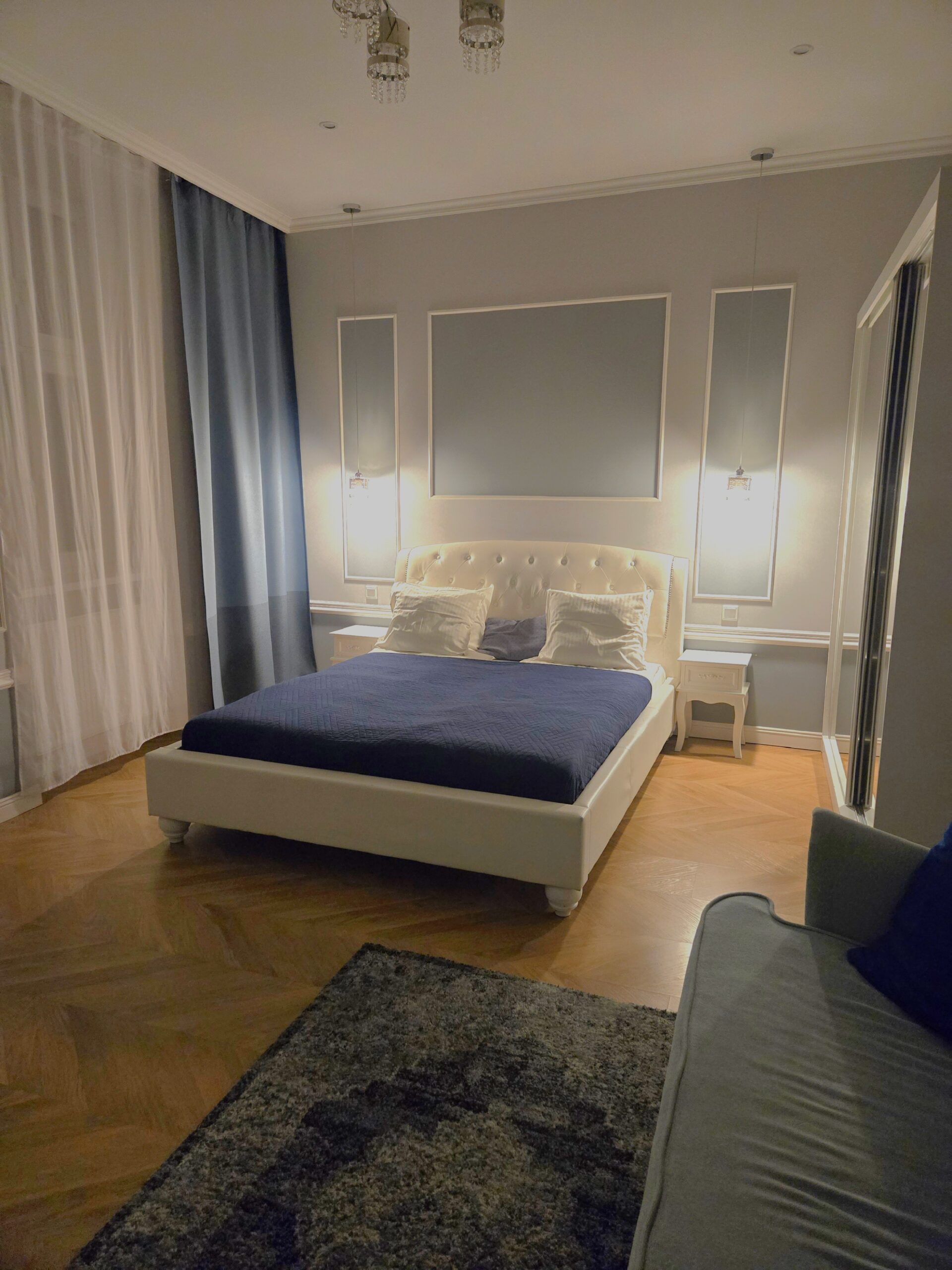
Mi casa in Krakow
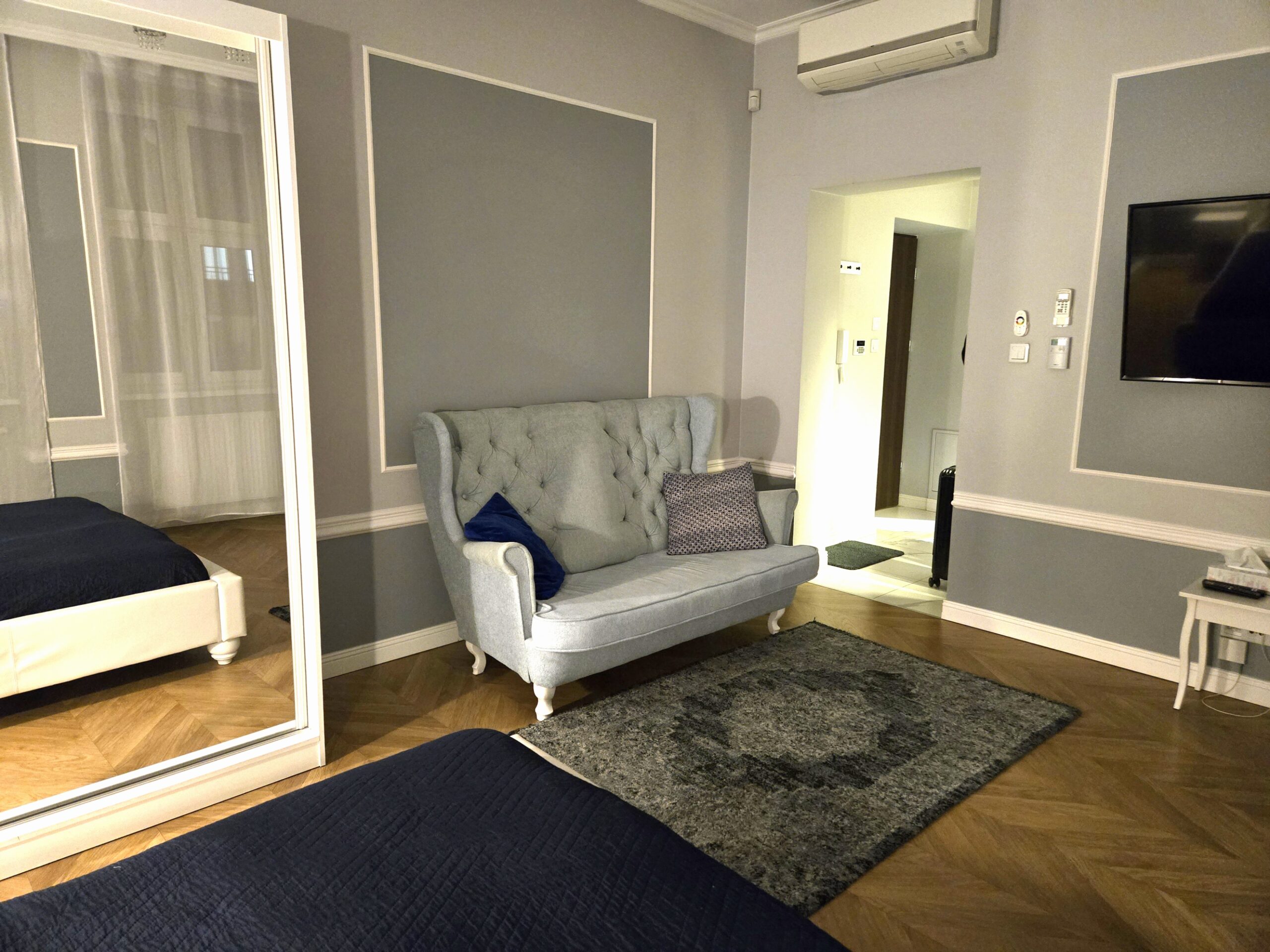
 Pastry (of course!)
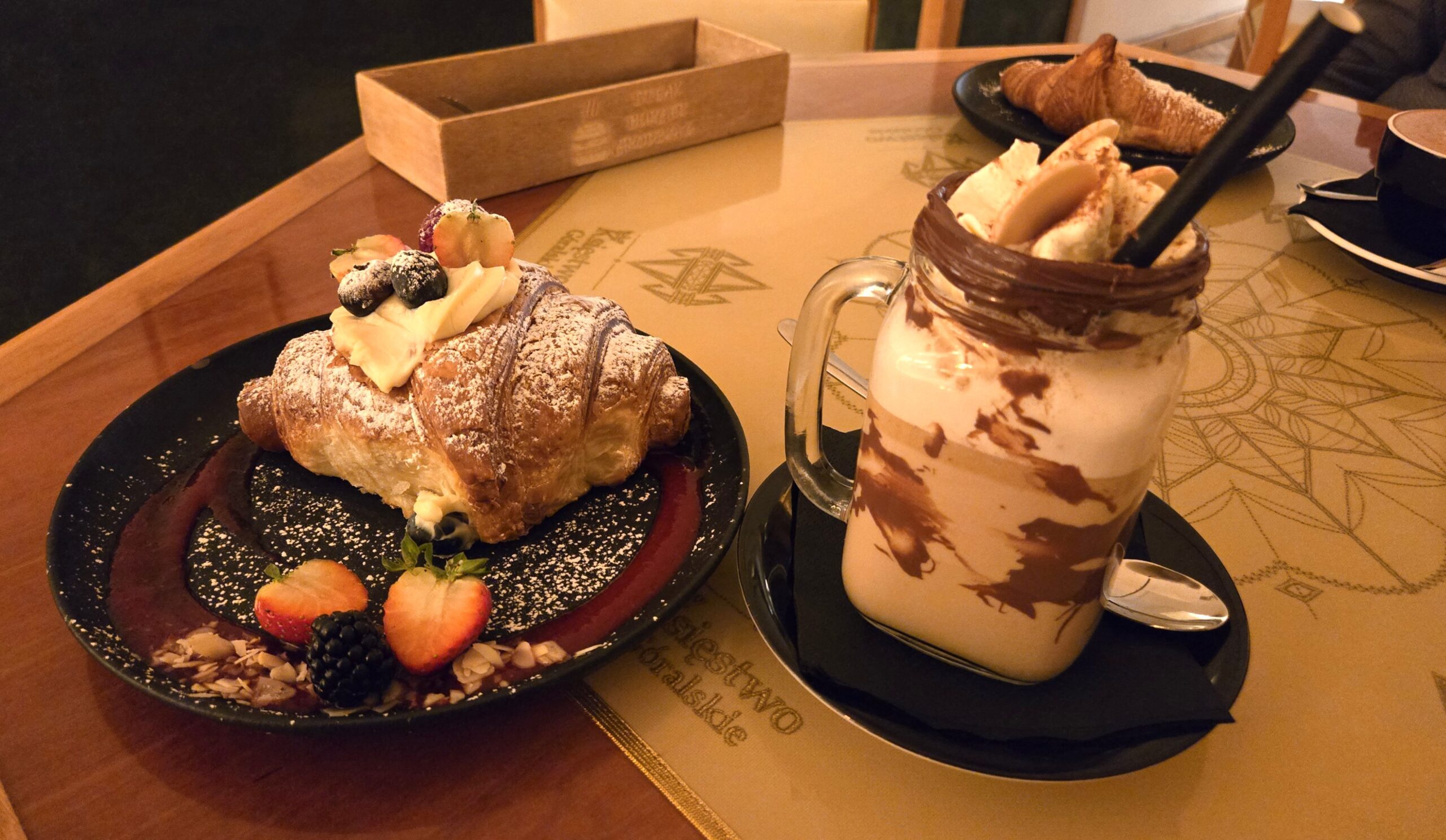
Croissant and hot chocolate
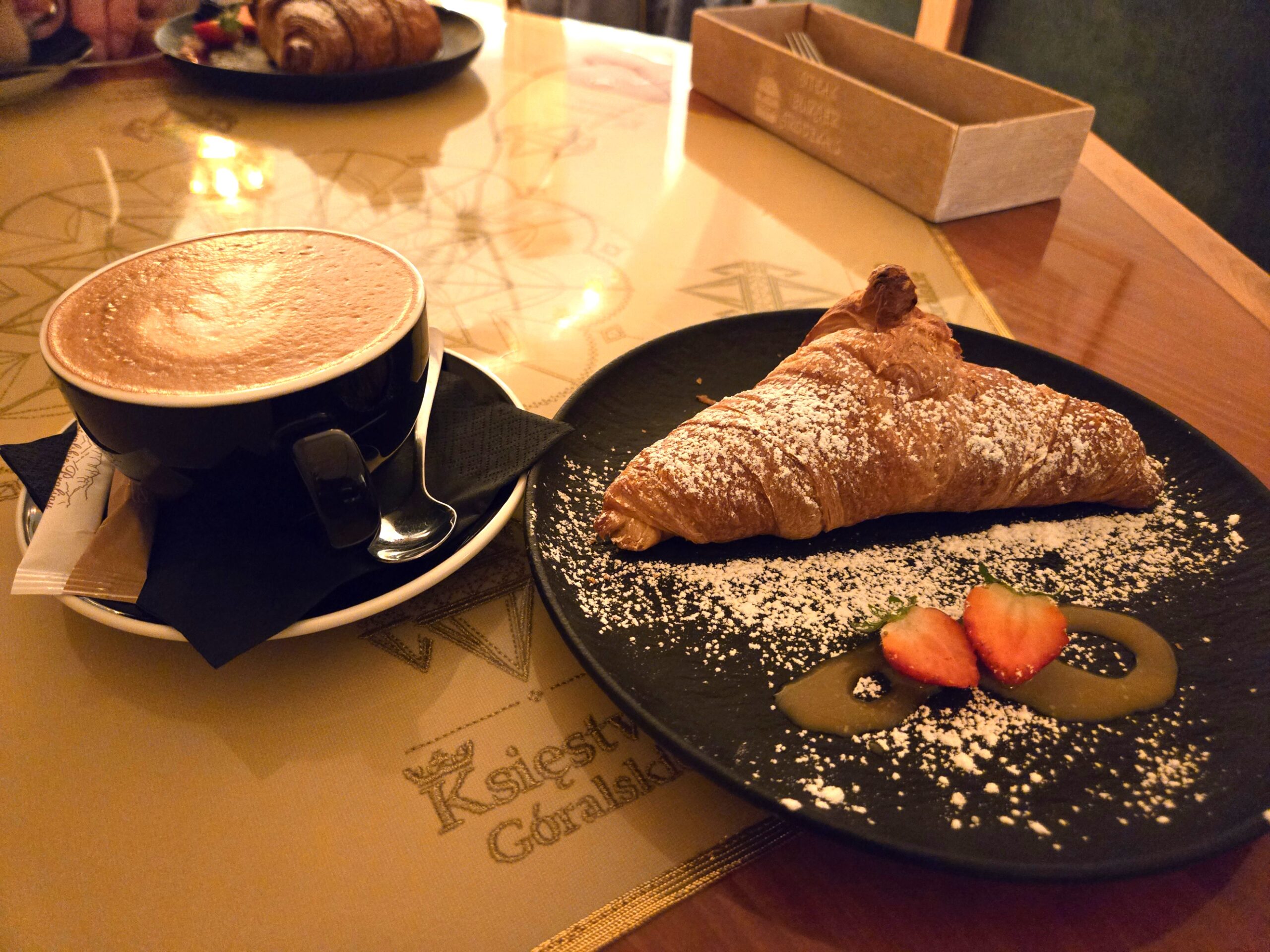
Croissant and cappuccino
Old Town
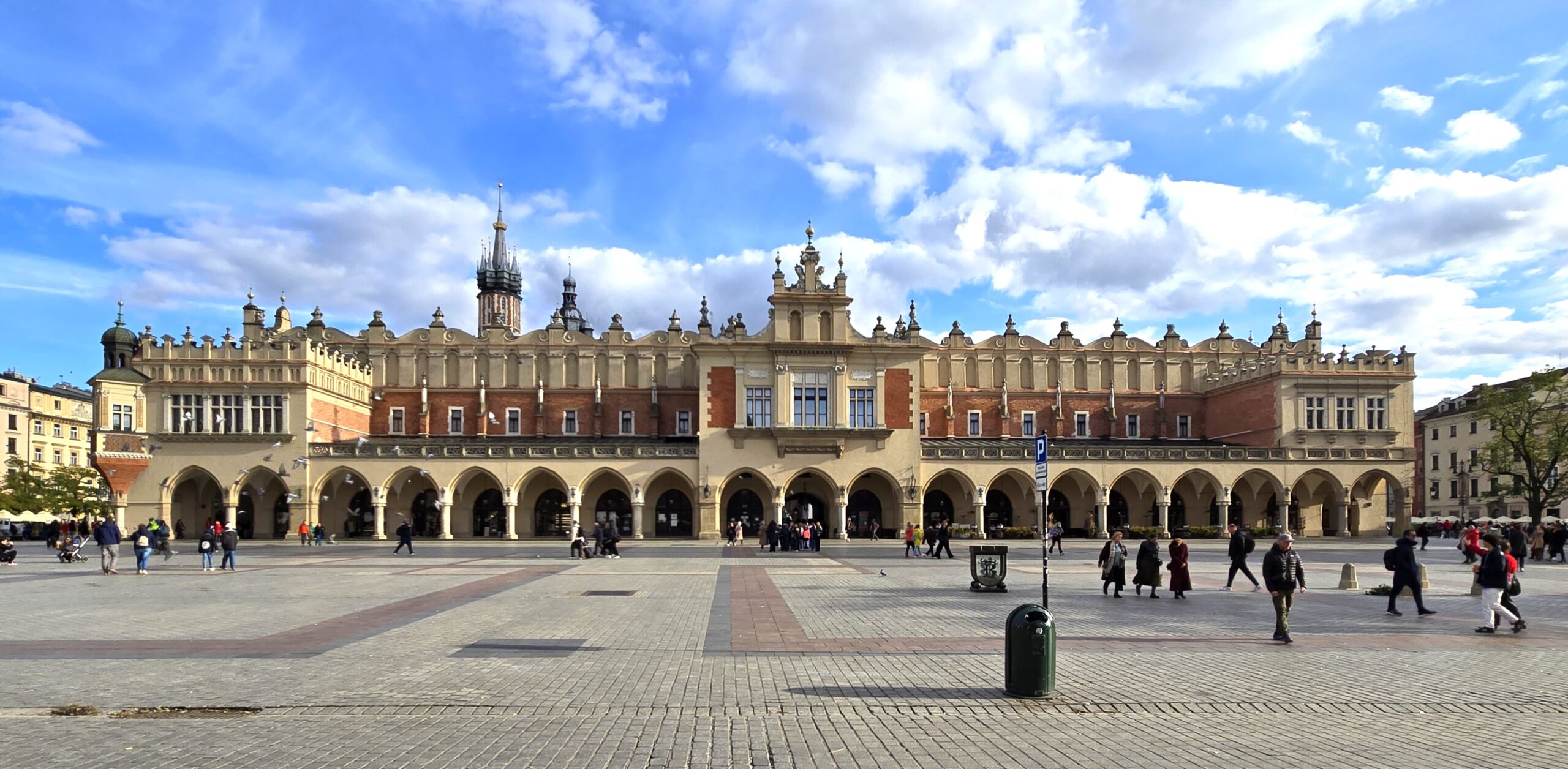
Rynek Główny or Main Square
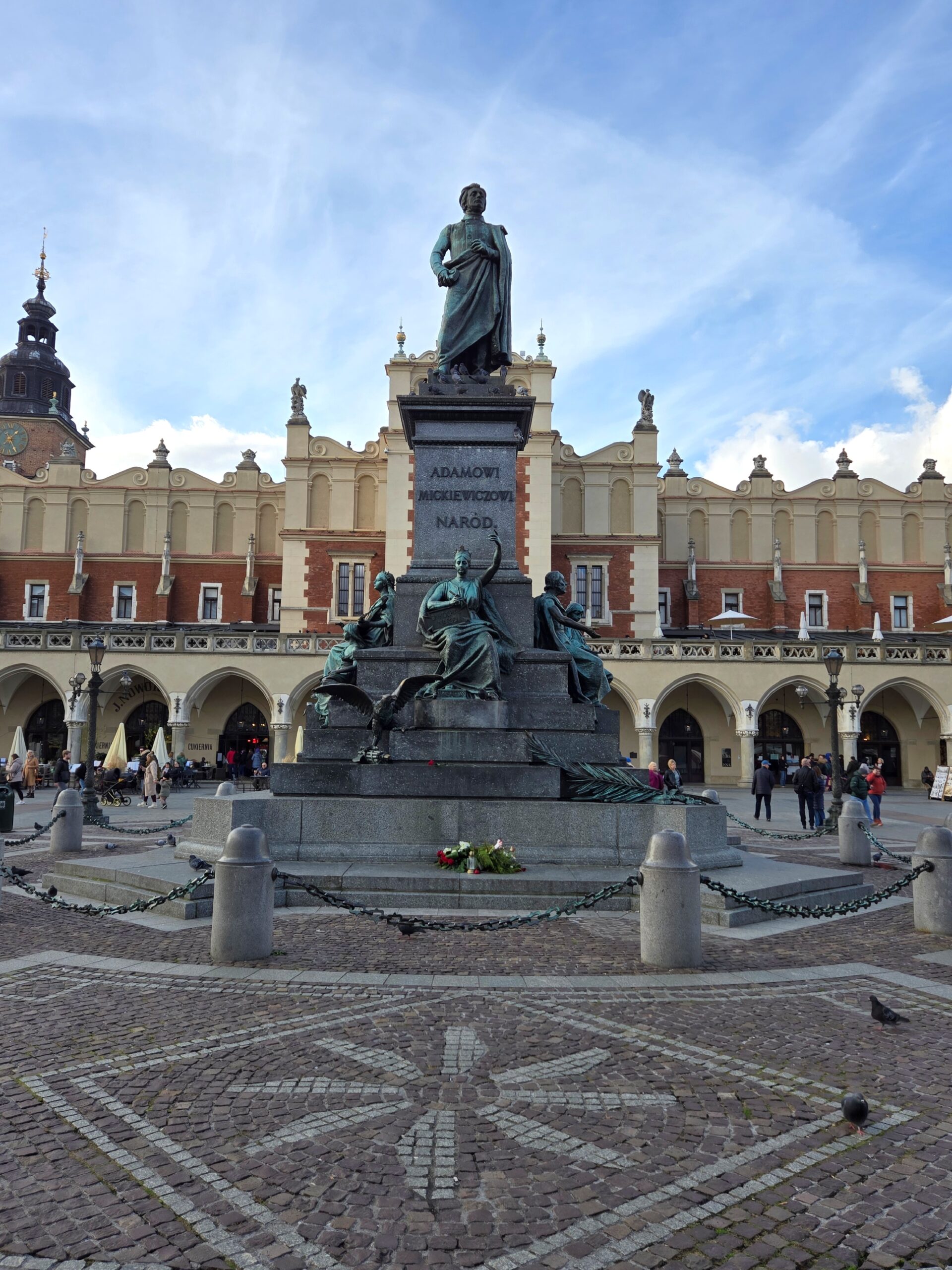
Adam Mickiewicz, poet, writer Unveiled 1898
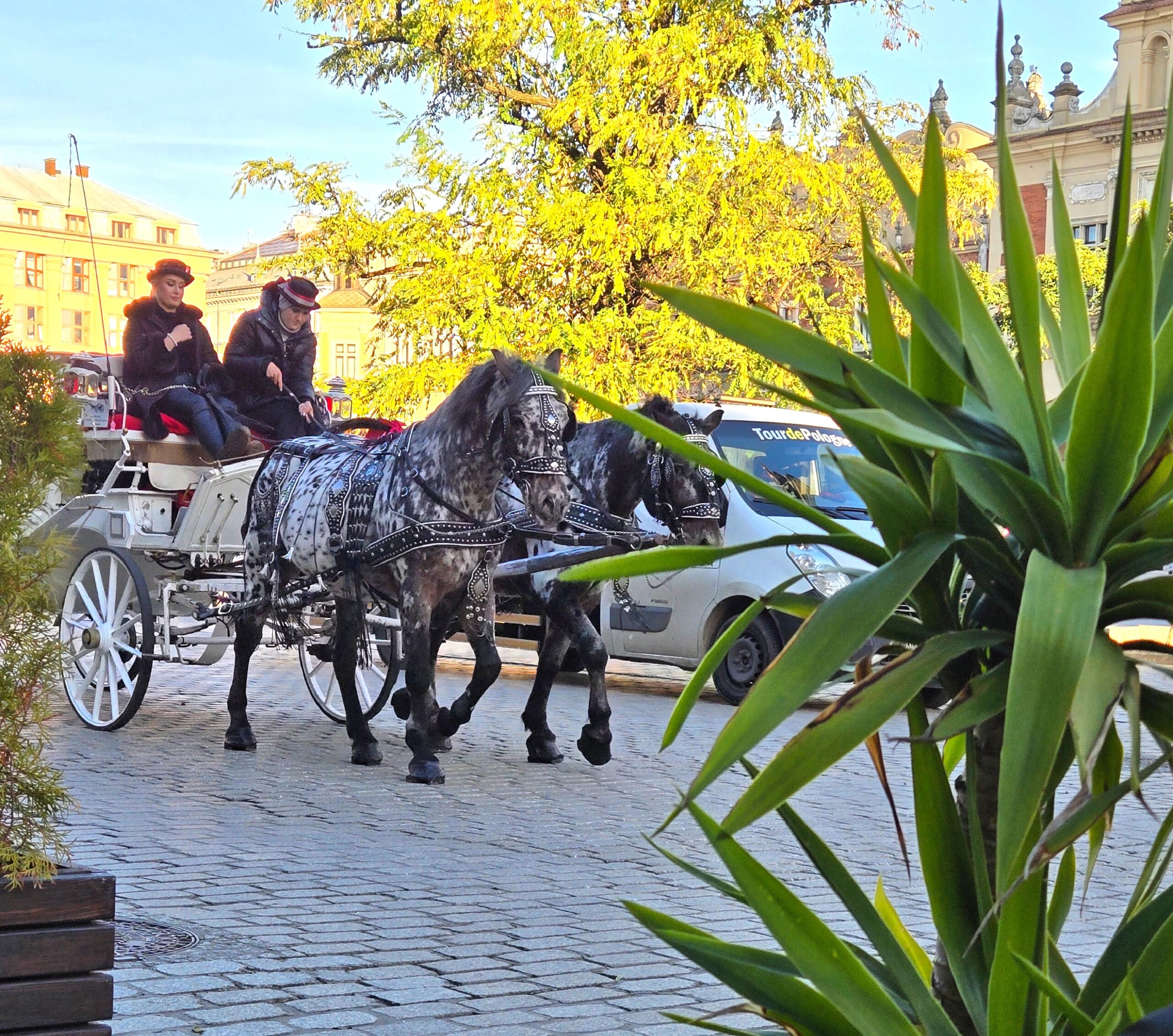
Take a ride around the square in a horse-drawn buggy. Dalmatian horses?
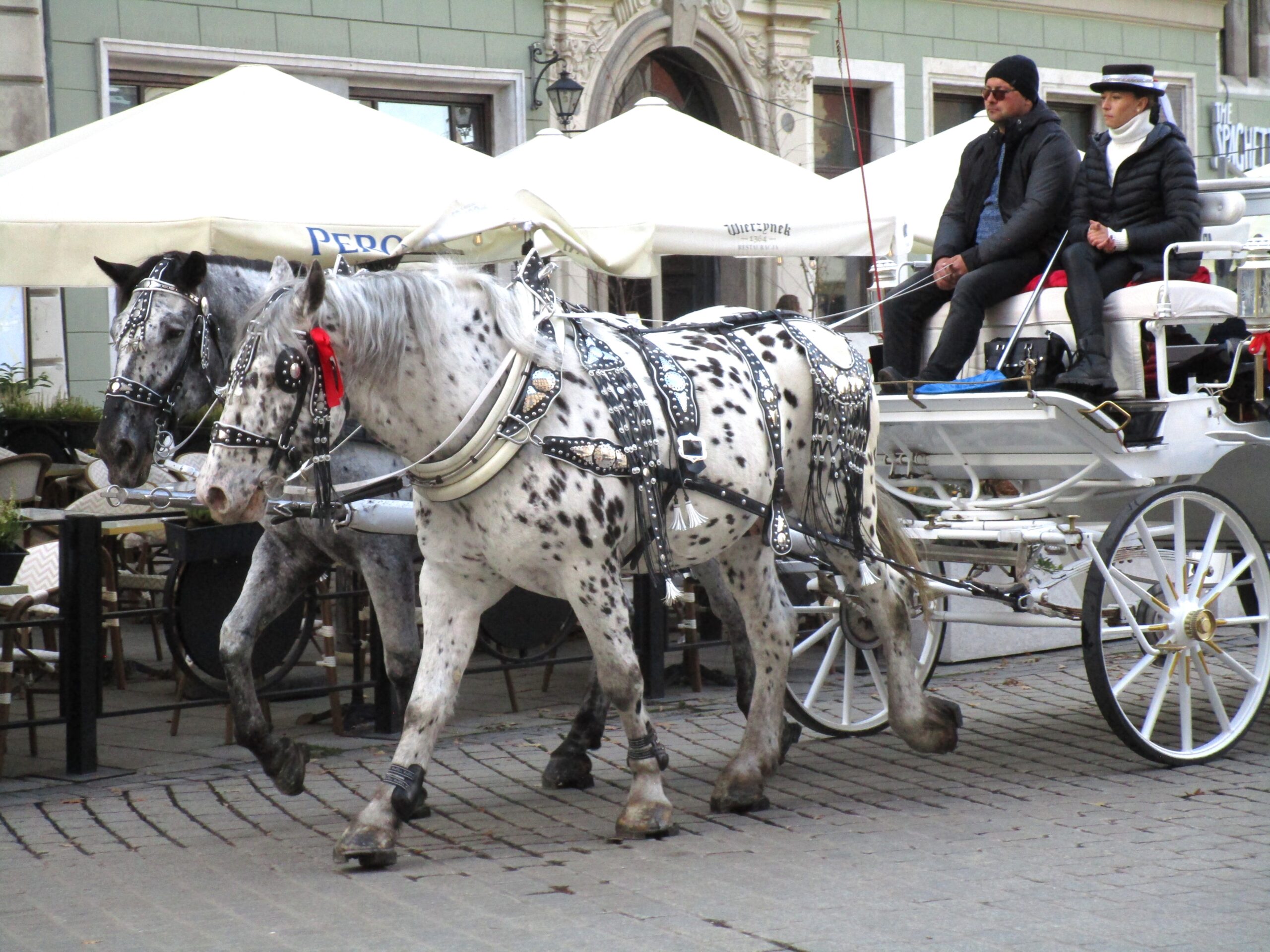
More Dalmatian horses. No, these horses are “knobstruppers” a Danish breed with spots
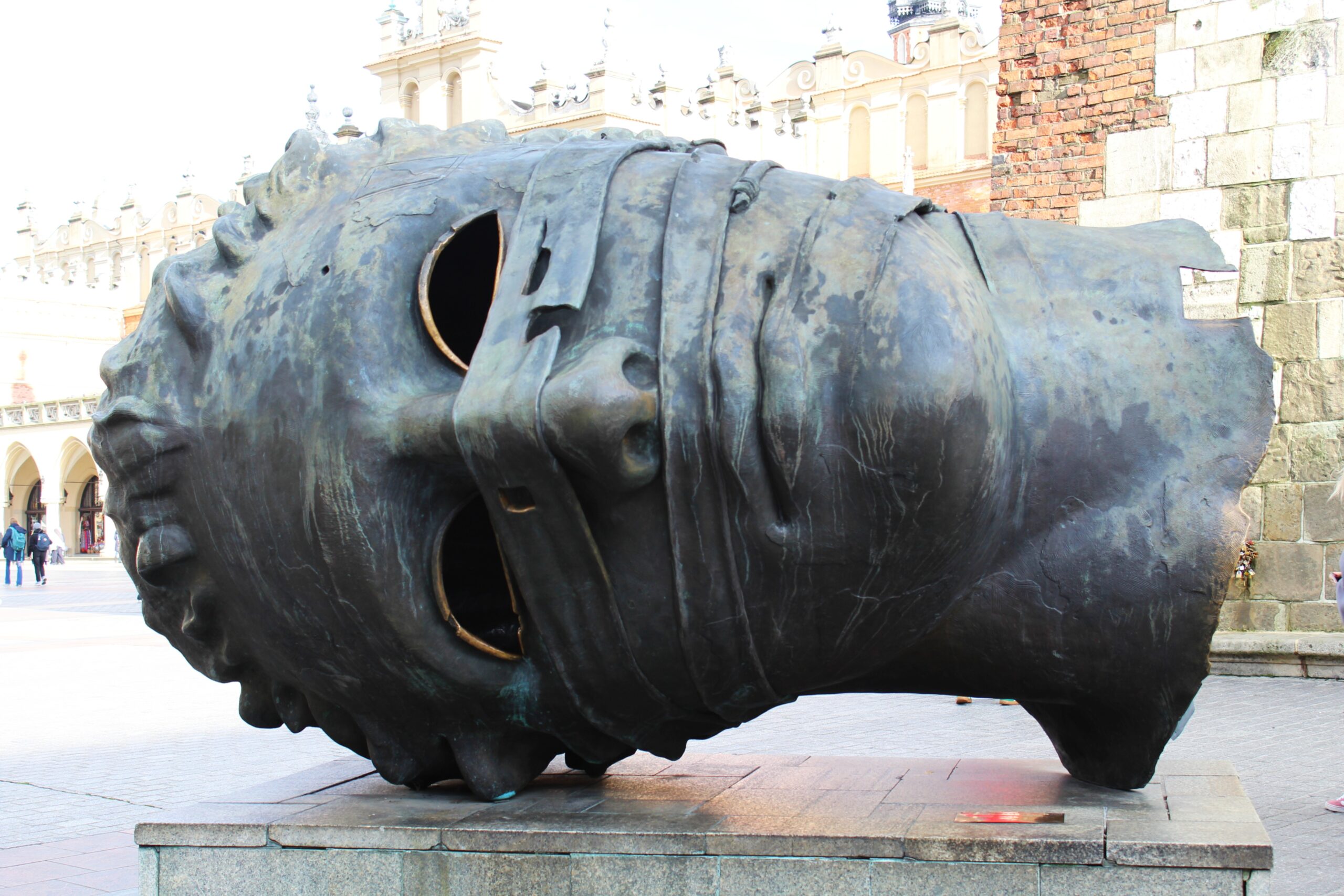
Statue by Eros Bendato – Love is blind. Huh? More like “I pissed off the King”
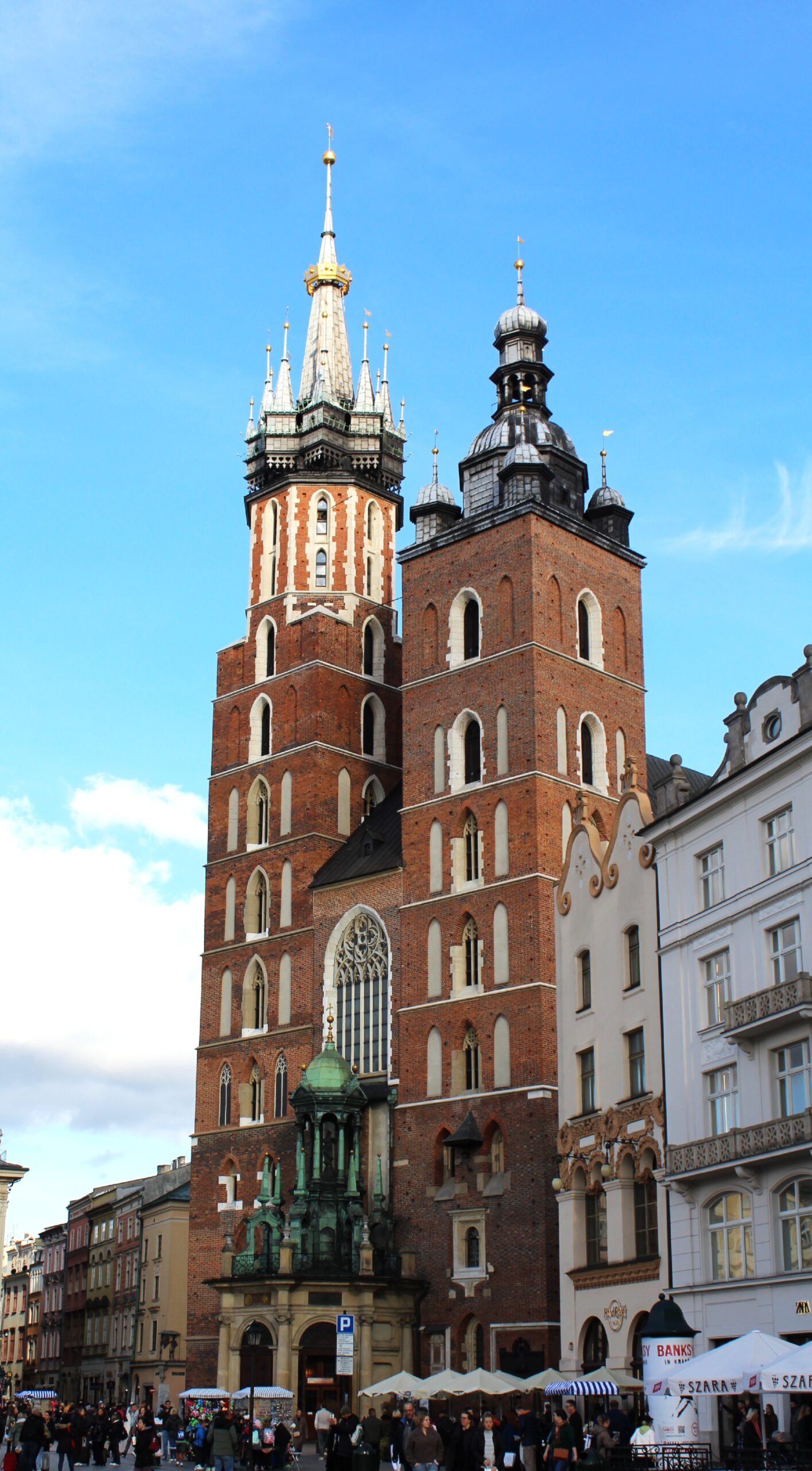
St. Mary’s basilica. 13th century Gothic
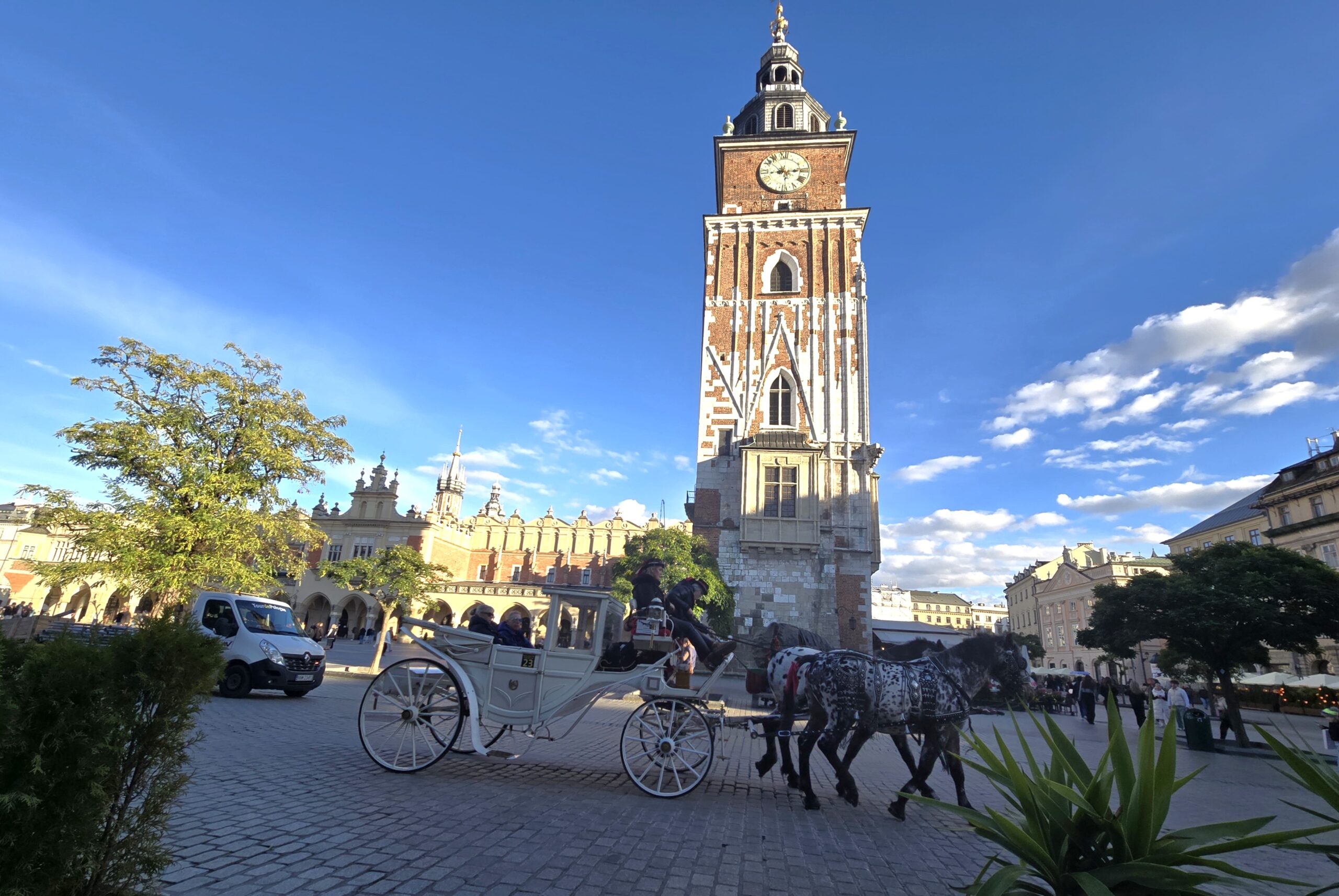
The only remaining part of the 14th century Town Hall. The Town Tower.
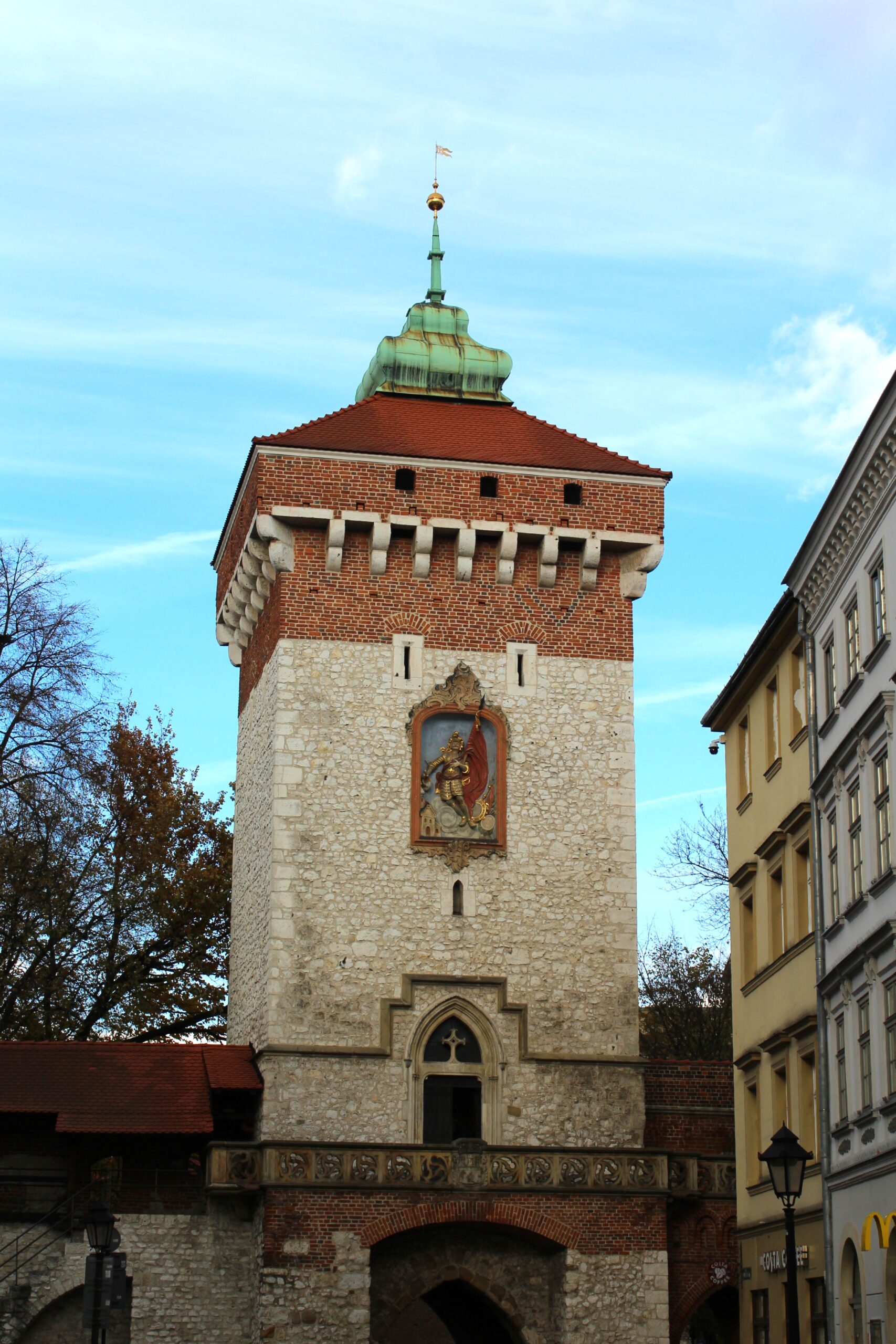
St. Florian’s Gate. Last surviving gate from the 14th century.
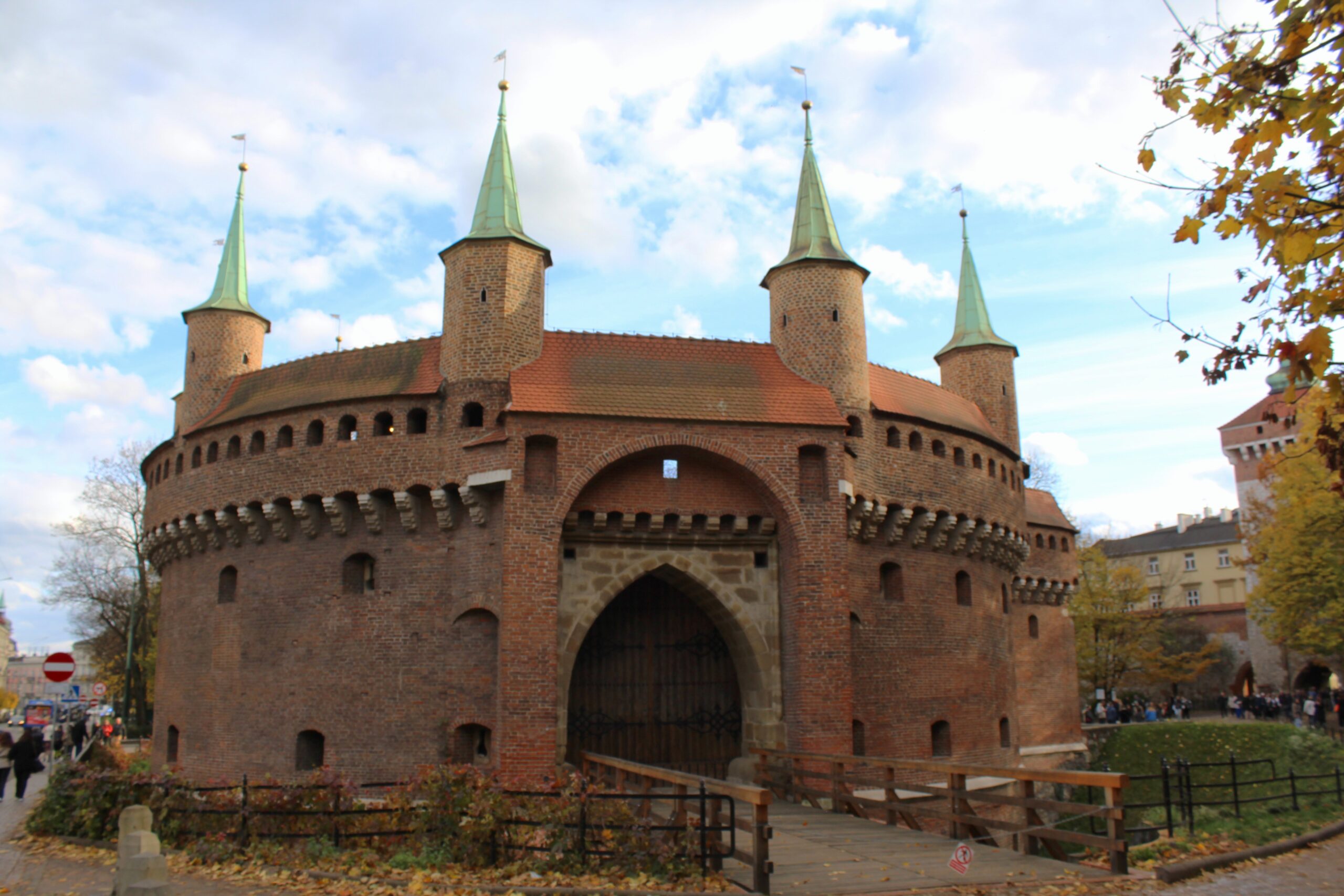
Barbican built 15th century
Off to Austria!