Treblinka II
Today is Sunday and many things in Poland are closed, stores, shops, some restaurants, museums, etc. We decided earlier that this would be the day to drive to Treblinka II since most other sites are closed and our time is limited. Good day for a drive, clear weather, little on the chilly side with a high expected around 60F.
Fired up the Citroen (I looked it up and that does translate to “lemon”) and headed out on our 1.5-hour drive. We arrived at the parking lot which didn’t seem big enough to hold tour buses and cars but maybe there are other lots. Parked the hot rod and made our way to the museum, good place to start before touring the grounds.
This site is just starting to build up for tourists. The parking lot was dirt (mud), and the walkways were gravel awaiting their cement. The museum was small, had a couple of rooms and was obviously in the midst of being built. Lots of personal artifacts of the prisoners were on display but as usual, no photos allowed.
Finished with the museum, now time to see the camp. What we didn’t know at the time was that the actual camp was 2.5 kilometers from the parking lot. At one time they allowed cars to drive there, but as luck would have it, now you can only walk there. Good thing we have our hiking boots on!
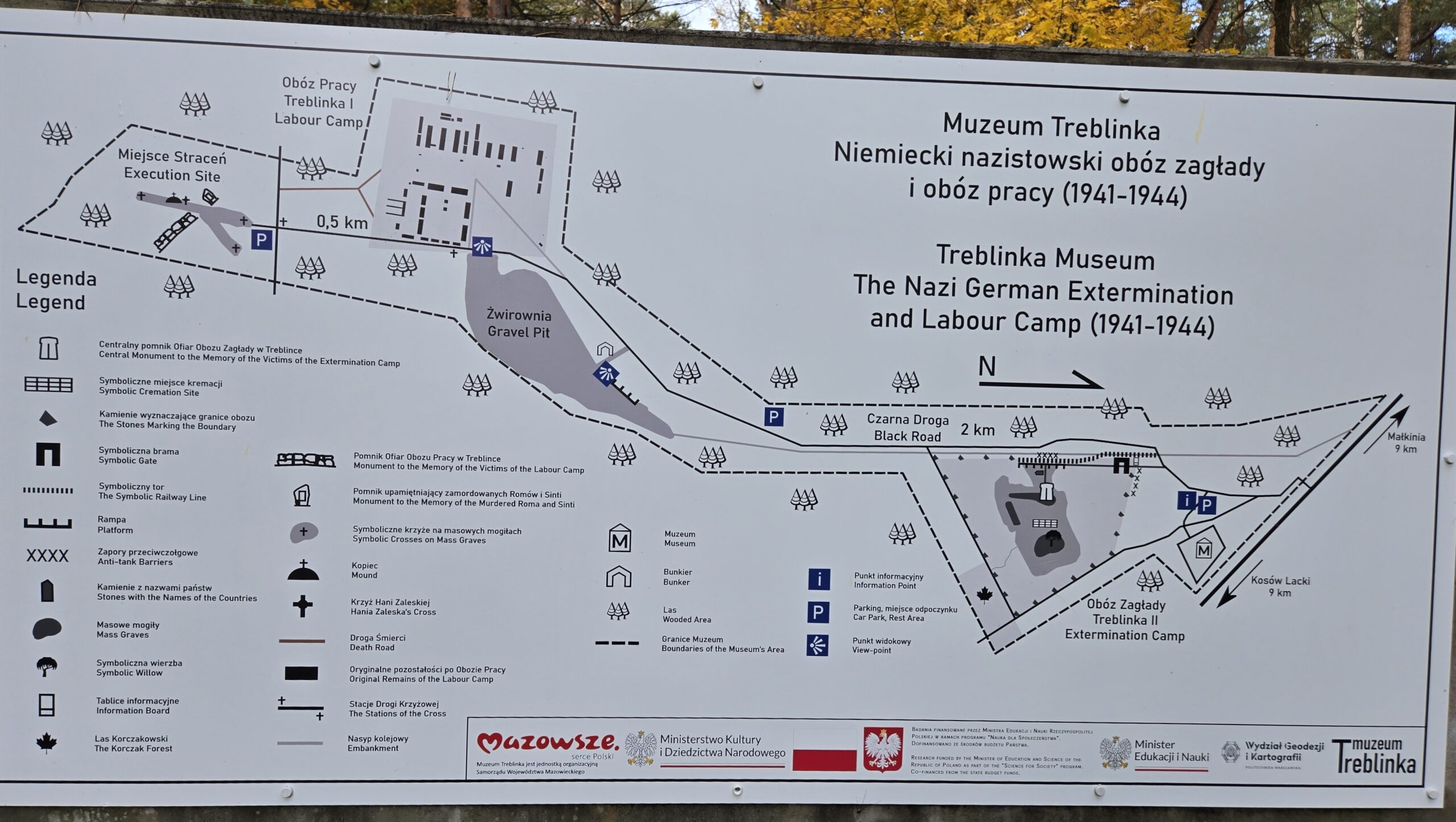
Map of Treblinka I and Treblinka II
The road leading to the camp was called “Black Road” by the prisoners. The name comes from the emotion that was felt as prisoners were transported to the camp entrance. The transportation to the camp was primarily done via train that paralleled the road. The road was built by prisoners and was made of rocks from a nearby quarry, and broken Jewish headstones. The broken headstone pieces were just recently found so that’s why you can no longer drive on the road to the camp entrance.
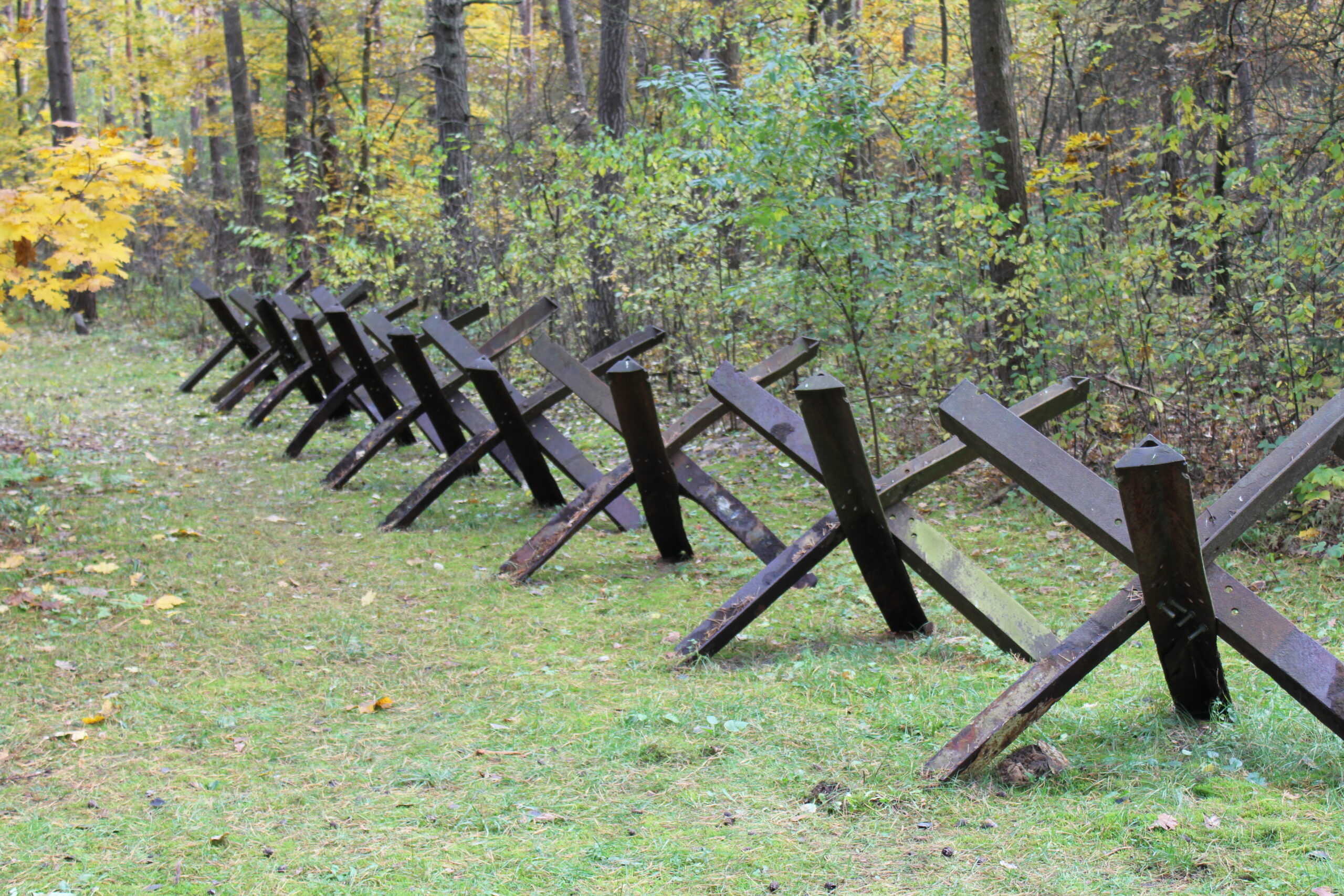
Czech hedgehogs
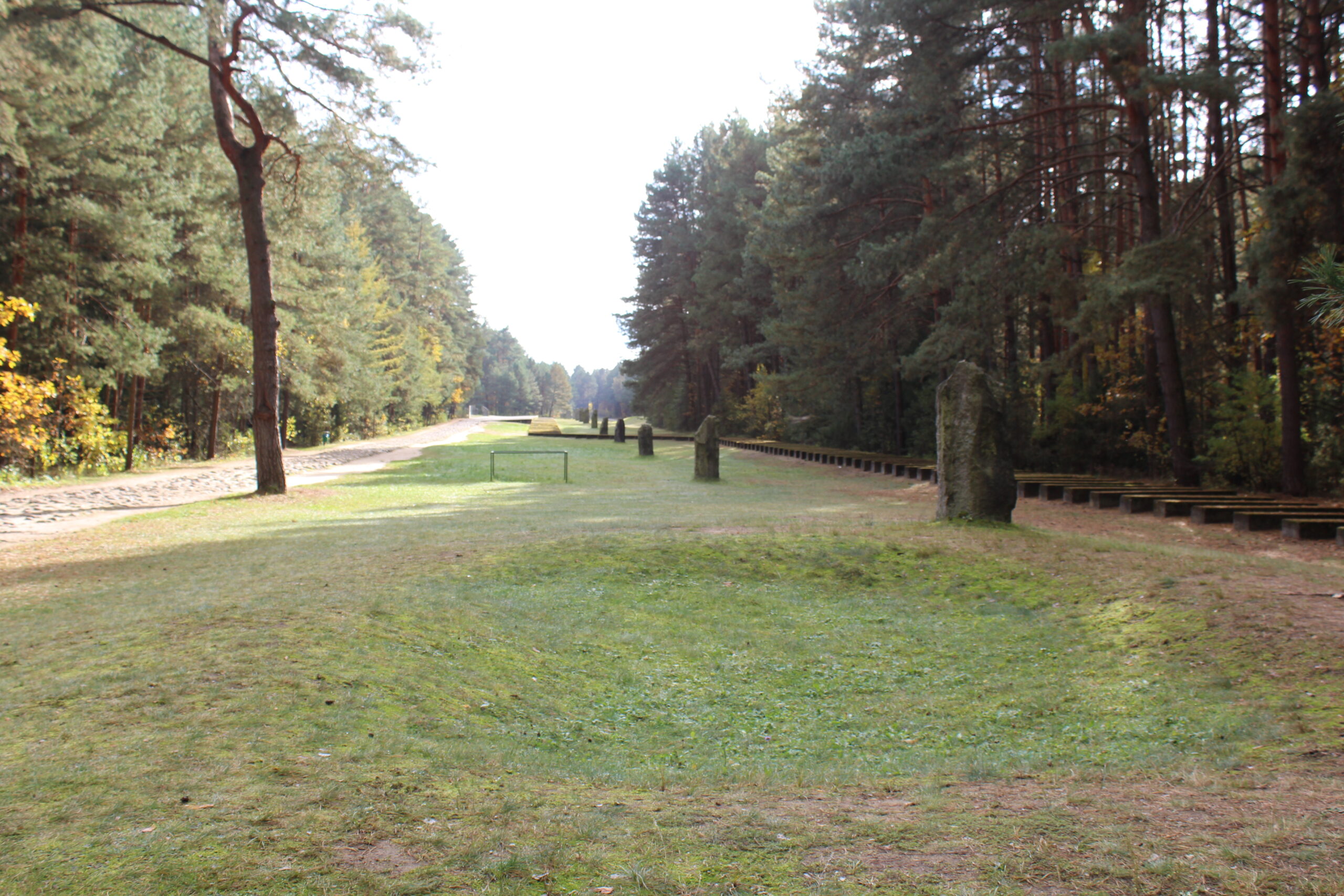
Black Road (prisoner built road on left)
The quarry that was near Treblinka II mined sand. Fortunate prisoners would be sent to the quarry during the entrance examination if they were deemed fit enough to work. Very few ever went to the mine and those that did died of malnutrition or from other means inflicted by their captures.
The work at the quarry was exhausting. Crews shoveled, by hand, sand from the quarry into carts that were then pushed up to train cars on a rail siding where the load was transferred. The workers account of the conditions stated that death was imminent, no one was able to work fast enough, long enough or hard enough to satisfy their captures. Everyone would be dead soon with new prisoners brought in almost daily to replace the lost ones. The account of these conditions was written on pieces of scrap paper that somehow were smuggled out of camp.
But the worst was at the camp. As we walked further down the Black Road, came to a fork in the road that had a sign identifying the other road as the “Death Road”. The Death Road led to a place next to the quarry where in 1942-1943 a crane was used to dig mass graves. Remember the prisoners that couldn’t work fast enough, hard enough. This is where they were brought to be murdered. Hundreds of laborers met their death at the side of these large pits, but some survived. Amazing stories of prisoners holding hands with another prisoner while that one was shot in the head. As the first prisoner fell, they pulled the second prisoner with them. Sometimes the second prisoner would fall under the first and be covered in blood and brain matter so no one would know they were still alive. Several survivors stated they were either shot in the leg, arm, or even the neck but were able to lie still until dark and make their escape. Others, not so lucky. It is estimated that more than 10,000 people were executed and buried in these mass graves.
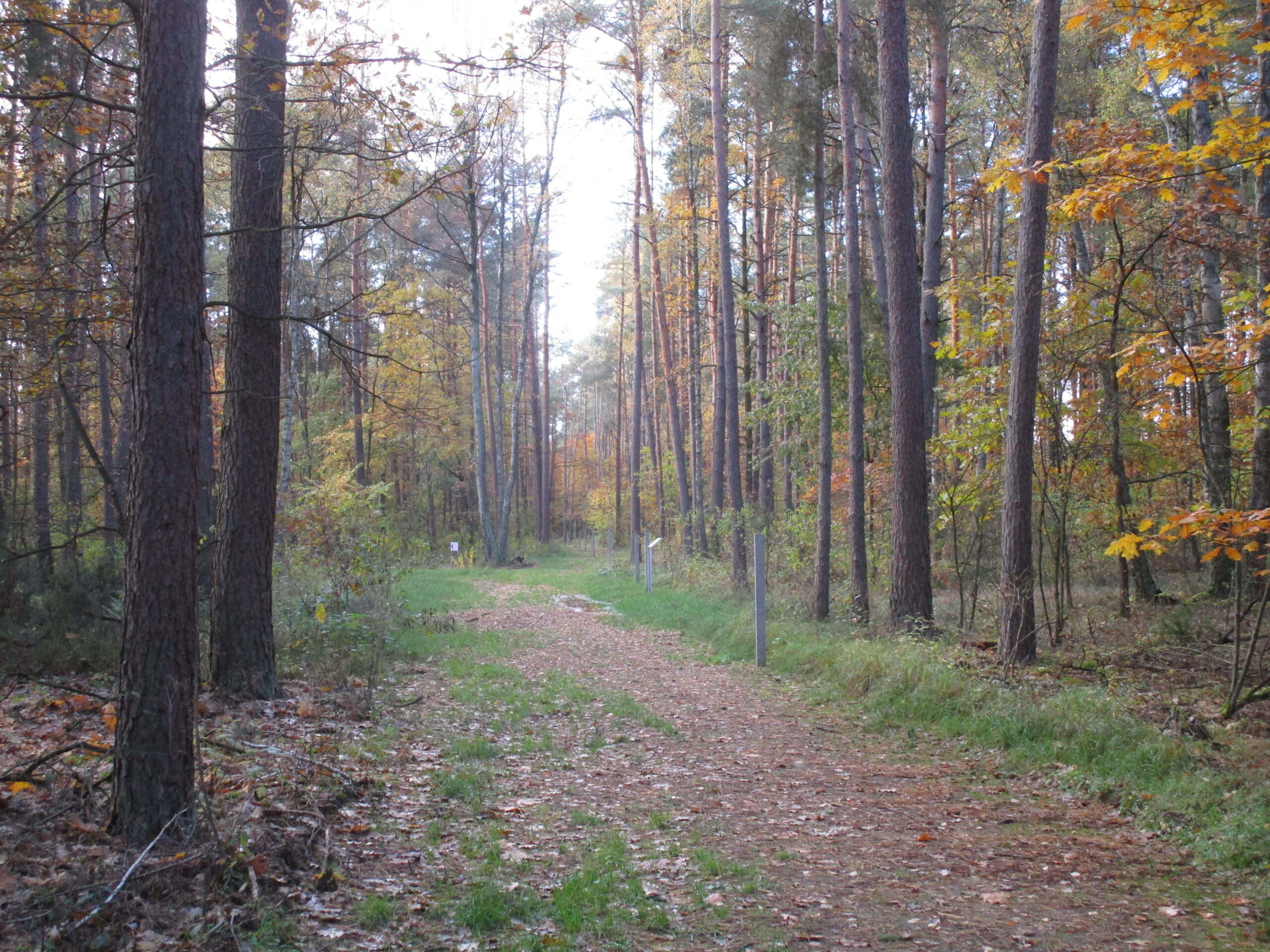
Death Road
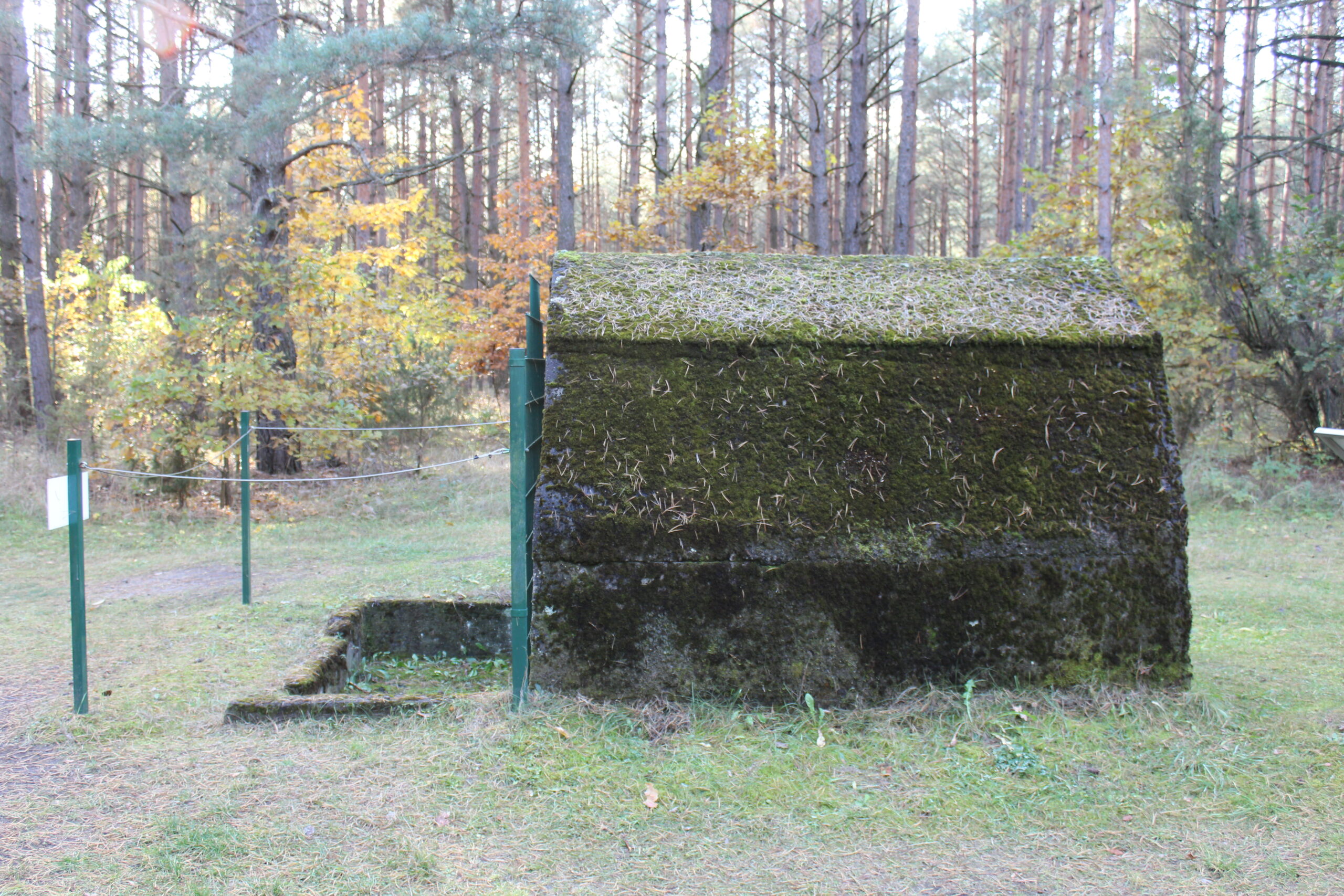
Quarry guard shelter
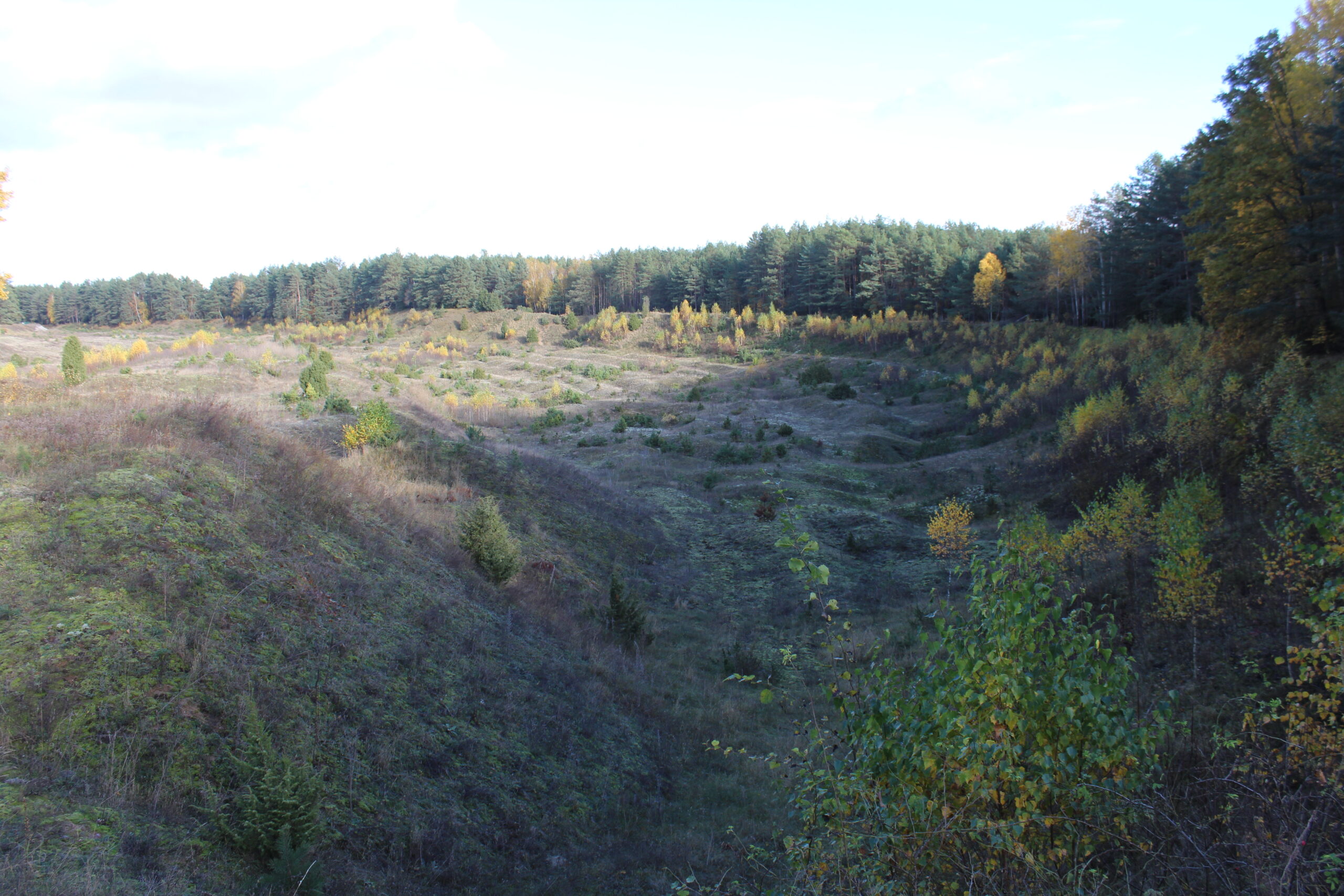
Sand quarry
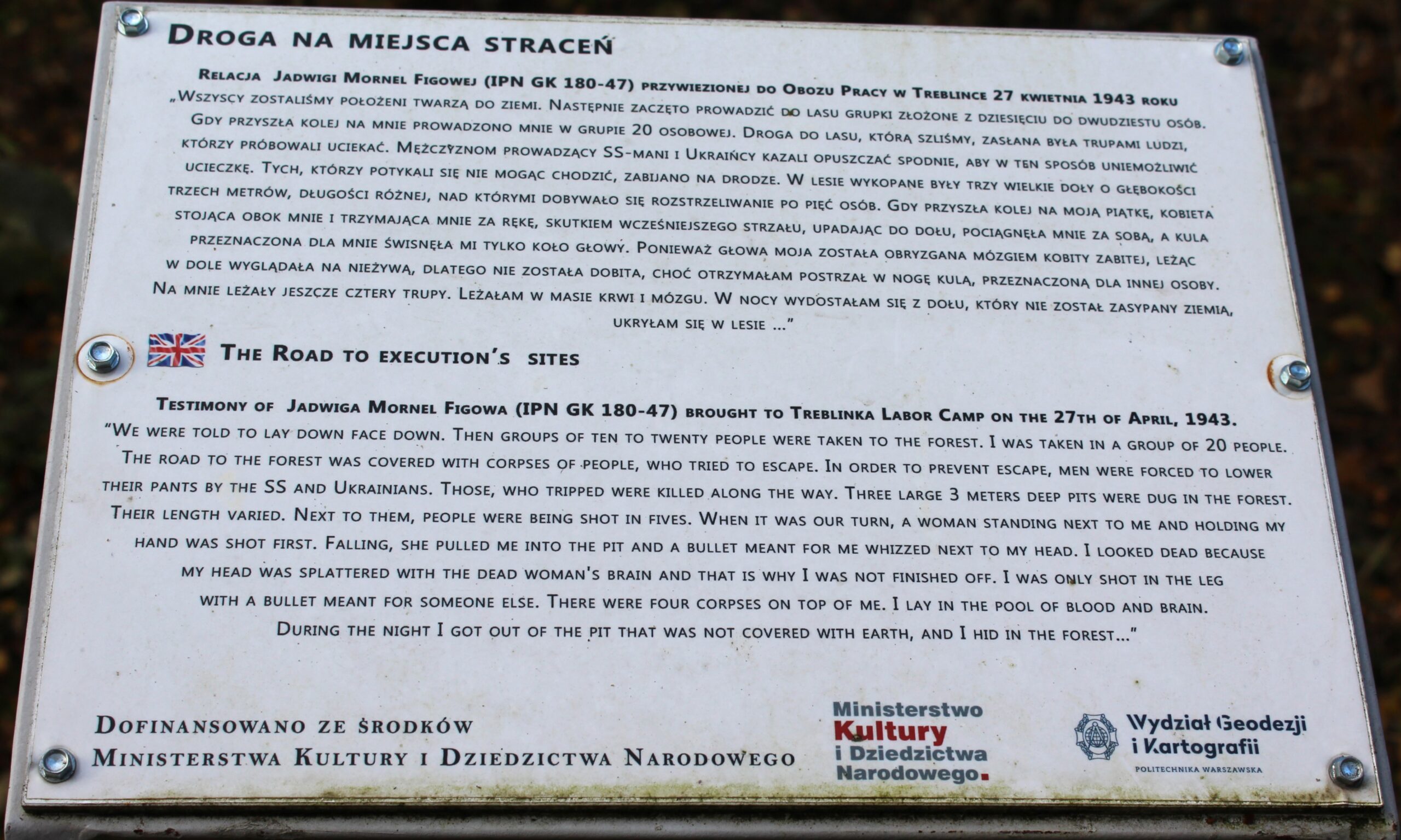
Testimonial
But we still were not at Treblinka II. Along the way on Death Road, there were foundations of buildings, remains of administrative and support buildings. Also, some farm buildings as the camp was mostly self-sufficient so as not to interface with the nearby towns. The secret needed to be well kept.
The actual camp buildings were all destroyed by the Nazi’s in 1943 to cover their actions. All that remains now are markers or foundations of buildings where the housing and killings took place. One thing is obvious; there certainly were not very many barracks to keep prisoners. Those arriving here were sorted out immediately and either sent to work the quarry, the farm, or to their death.
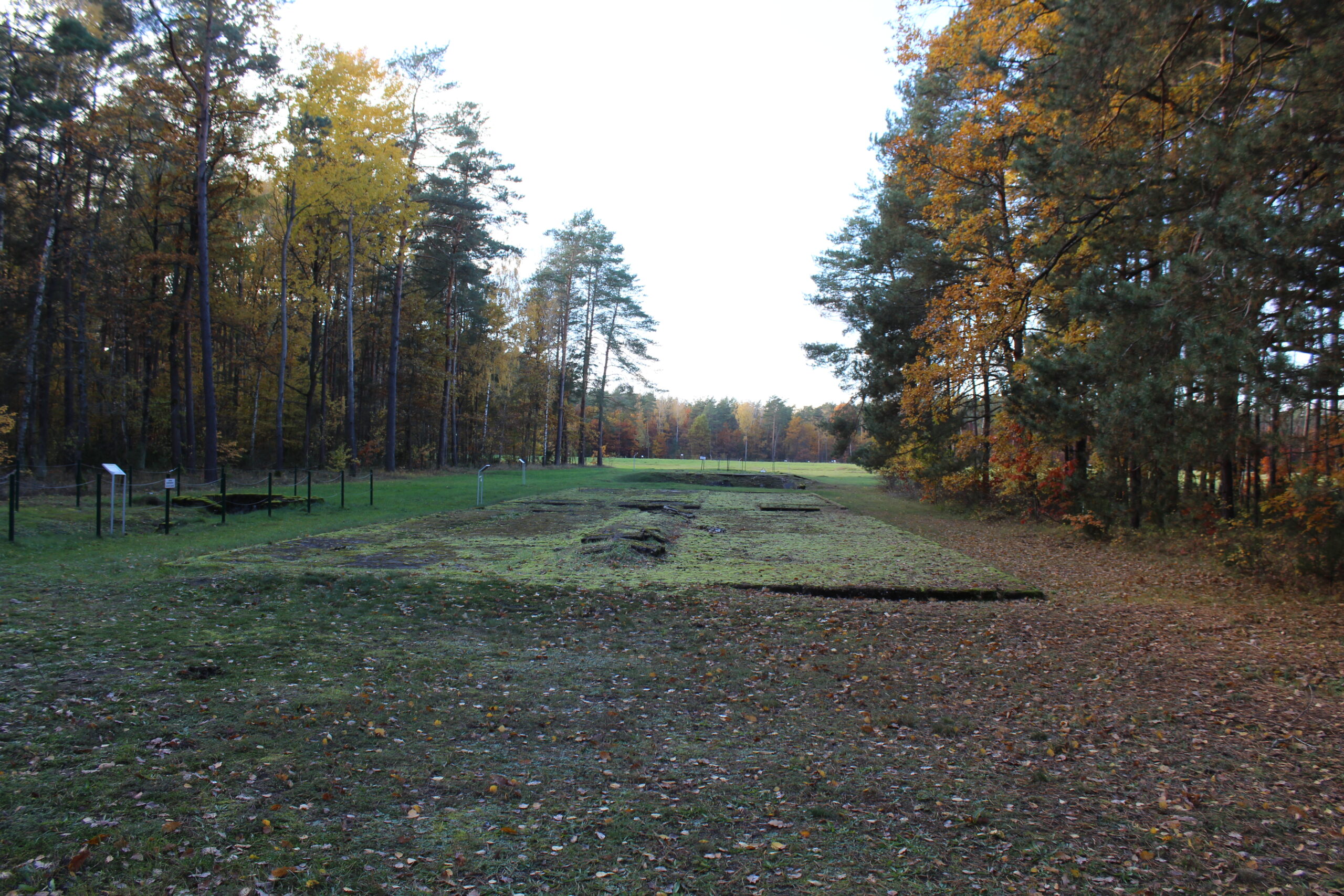
Admin and farm building foundations
Treblinka II received their first train load of prisoners on July 23, 1942. The trains consisted of 50-60 cars; each train loaded with 6,00-7,000 people. 20 cars at a time were sent down the track to Treblinka II clearing area where they were assessed for work or extermination. All women and children were sent to the barracks to disrobe, have their hair cut, then marched to the gas chambers. Most men were also killed.
Side note: The Nazi’s used the hair from their prisoners to make socks for submariners, rope, fuses, cords for ships, and even stuffing for mattresses.
Treblinka II operated from 1942 to late summer 1943. At that time the order was sent to dismantle and destroy everything at Treblinka II. All buildings were destroyed; the remaining prisoners were shot or gassed, mass graves were plowed over. The grounds where human ashes were buried was ploughed and planted with lupine. The camp bakery was rebuilt into a house for a Ukrainian family whose task was to protect the ground, which now resembled a farm. The farmhouse was built from the bricks of the demolished gas chambers. In the second half of July 1944, before the arrival of the Red Army, the family set fire to the house and farm buildings and evacuated towards Warsaw.
Treblinka II murdered over 900,000 people in approximately 18 months. That’s 50,000 people per month, 1,667 every day. This was a killing camp, not a penal or concentration camp.
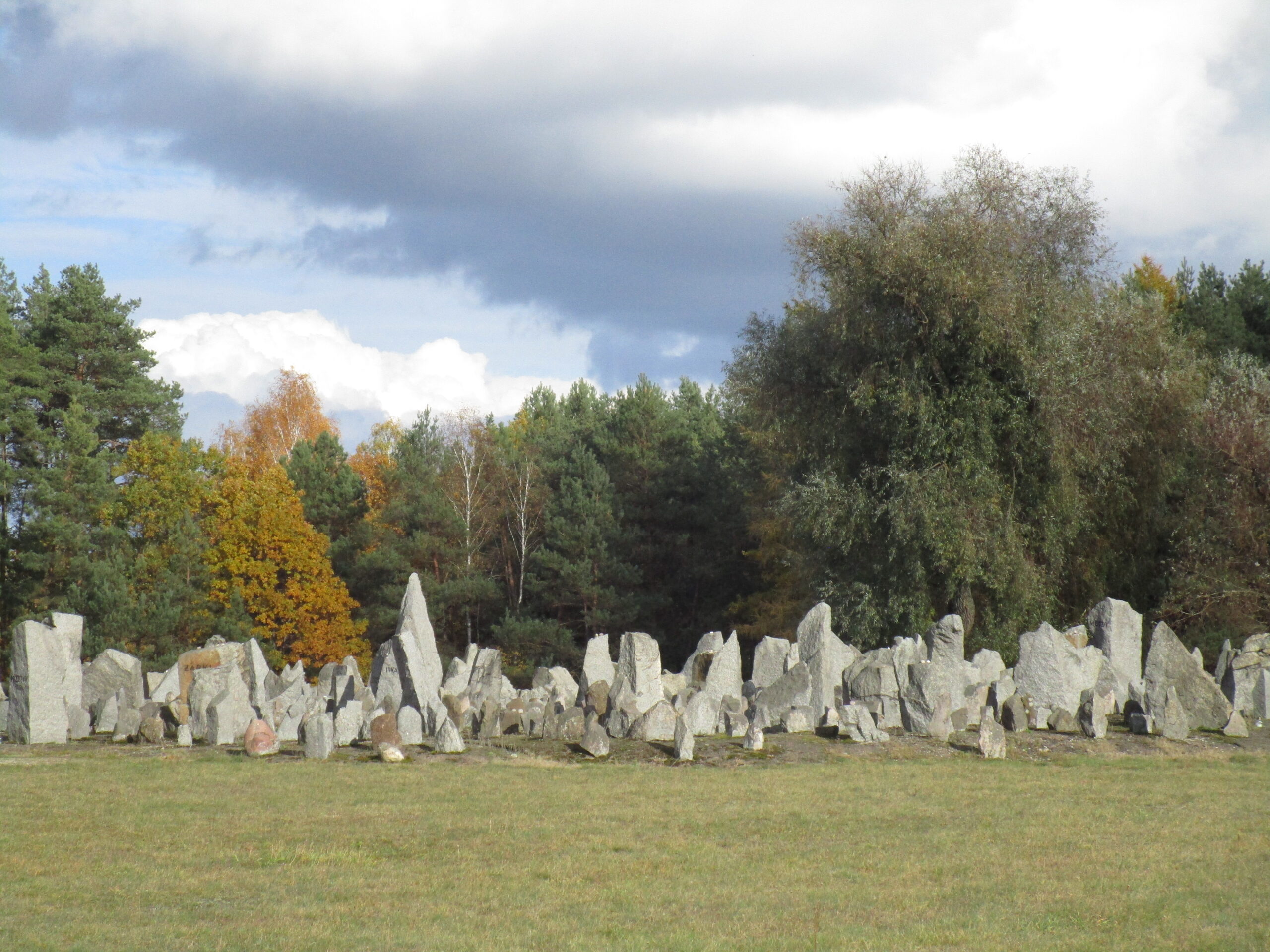
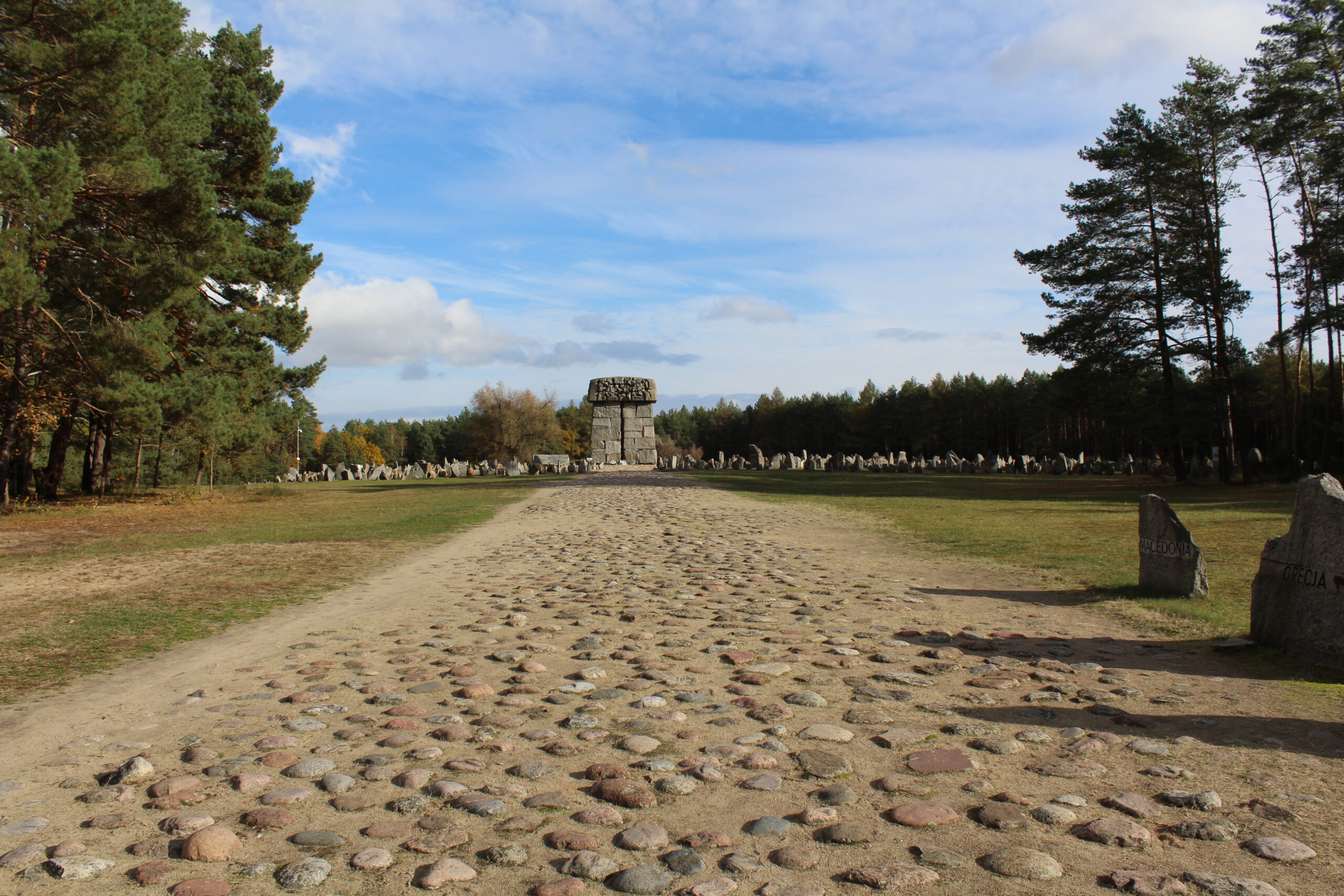
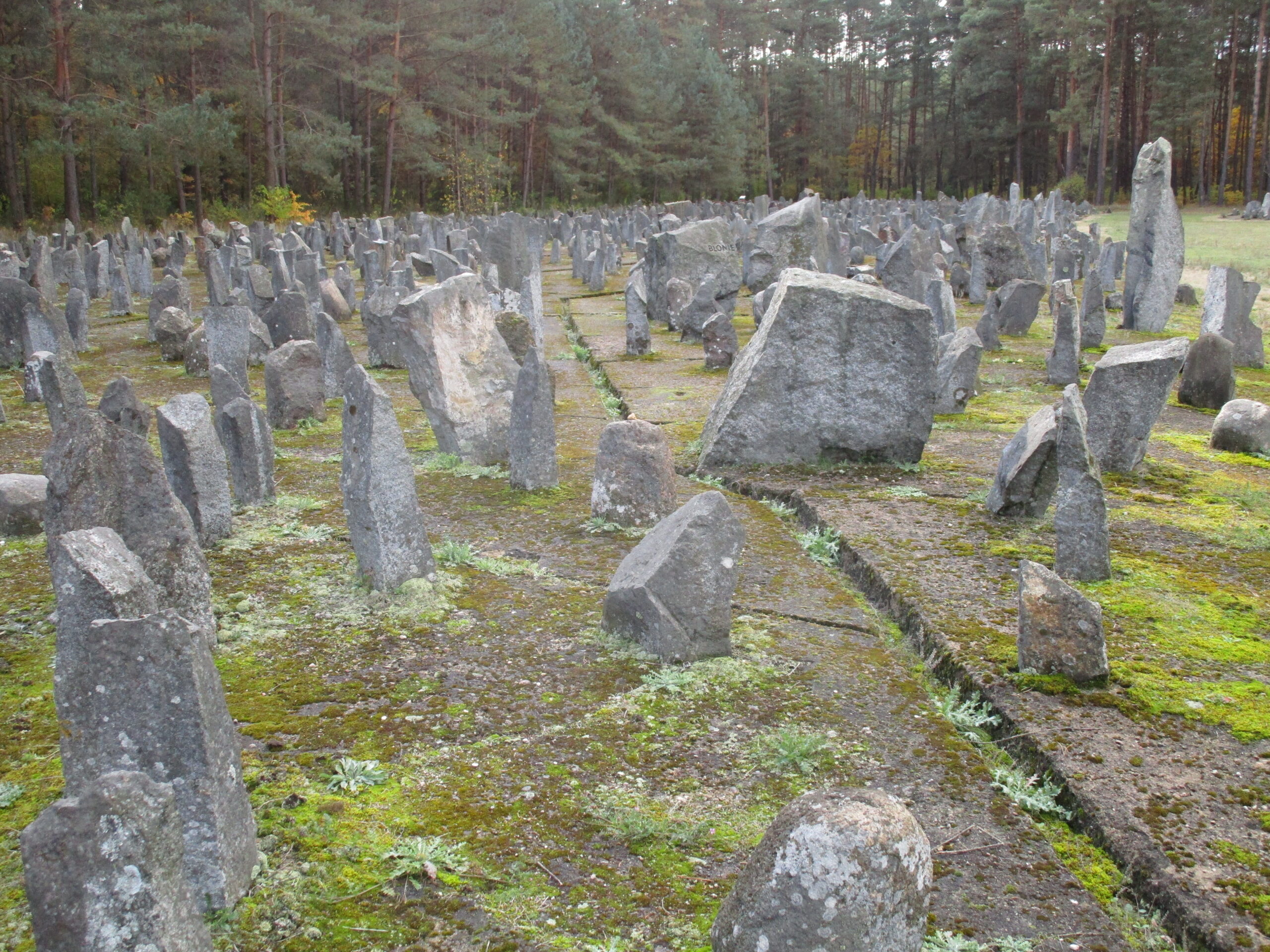
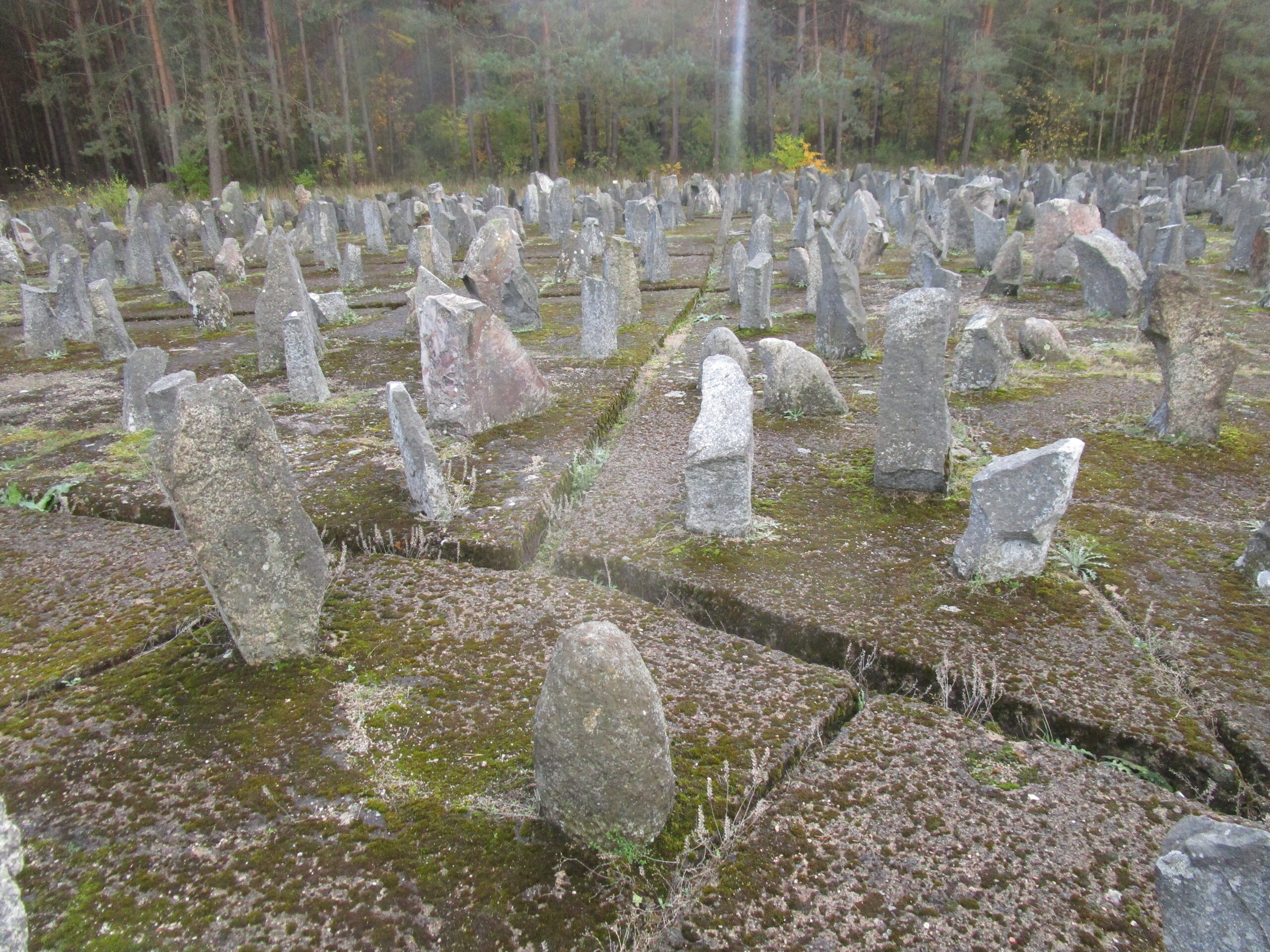
Mass grave memorial
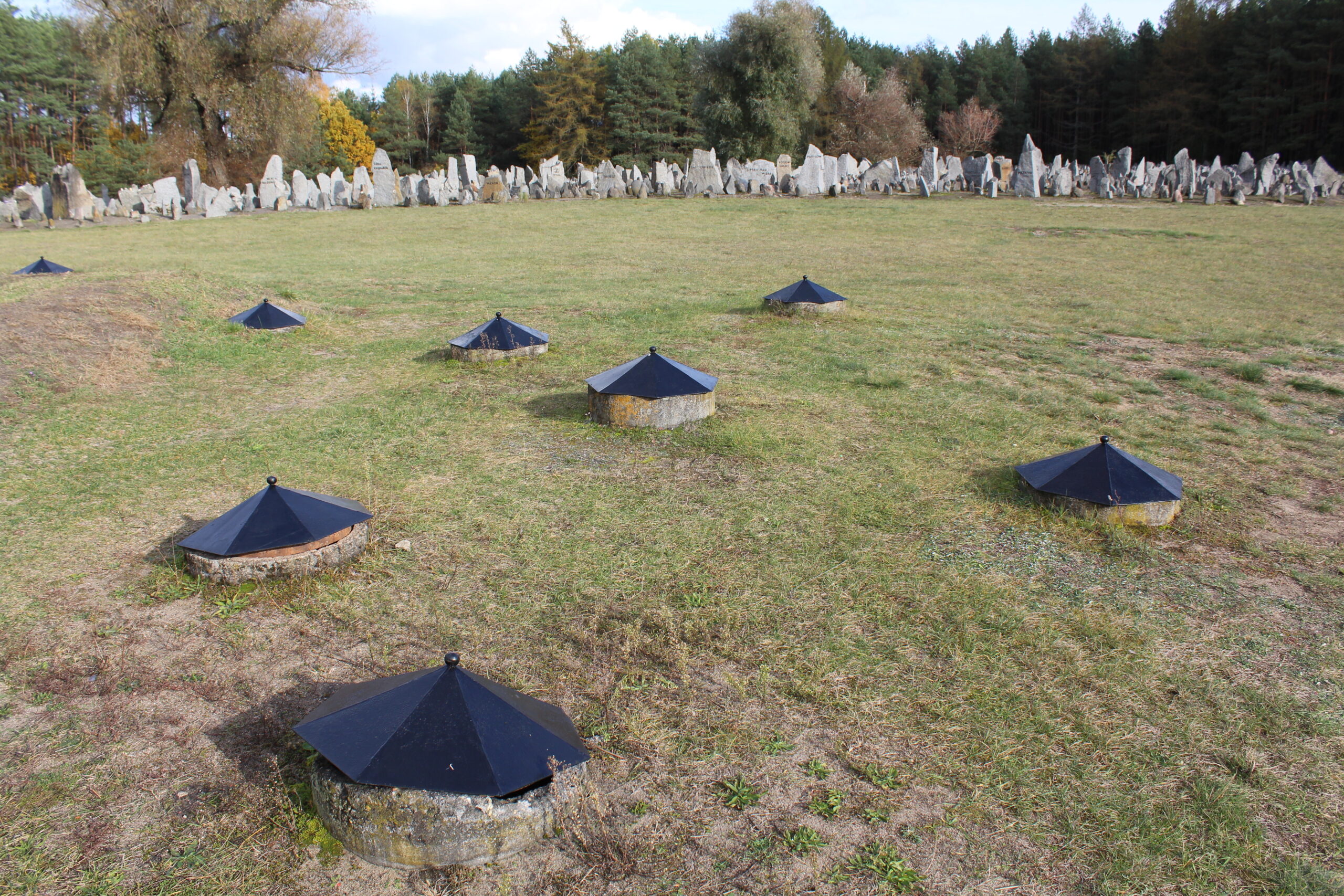
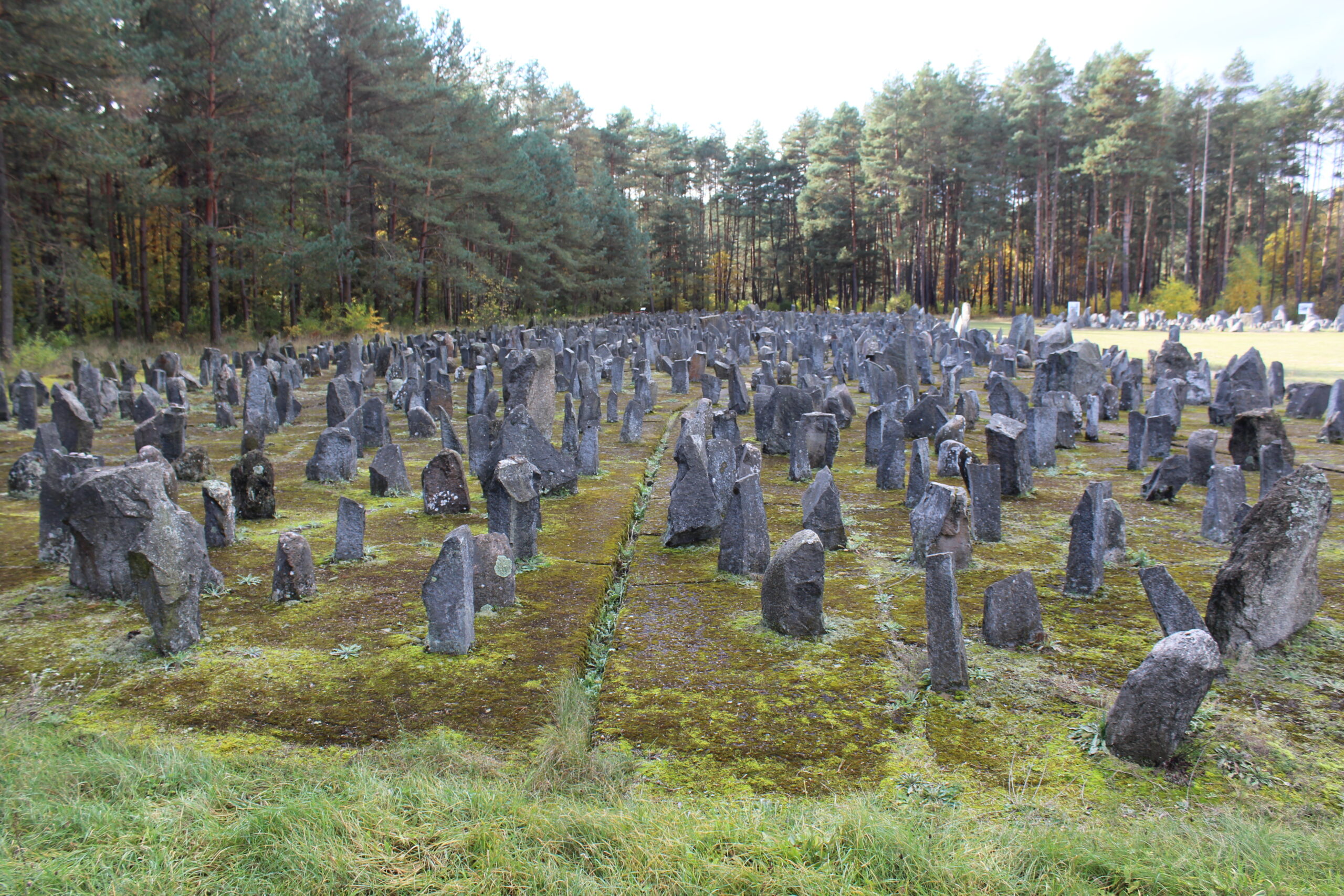 As we were leaving, 16 buses arrived in the small parking lot, each bus was loaded to capacity with Israeli students. Apparently, a visit to Poland and the death camps is part of an educational program in Israel.
“First they came for the socialists, and I did not speak out—because I was not a socialist. Then they came for the trade unionists, and I did not speak out—because I was not a trade unionist. Then they came for the Jews, and I did not speak out—because I was not a Jew. Then they came for me—and there was no one left to speak for me.”
Martin Niemöller, a Lutheran pastor from Germany
Those who cannot remember the past are condemned to repeat it” – George Santayana
Amen brother!