World War II begins…
Back on the road early, around 9:15am, to start our long days drive. Everything was fine until Google sent us down a closed road but no big deal, turn around and drive the other way for an added 15 minutes. Driving here is a true experience. It’s been a long time since I’ve been on the same track as the hundreds of stock car drivers here in Europe. These people are so impatient and in such a hurry! If the speed limit is 120km/h, they are doing 140-150km/h (87-93mph!). I know, just as bad in the US. Not really. Here they drive inches off the rear bumper of your car so they can pass you immediately as you pull over. The saving grace is that trucks stay in the right hand lane unless passing, then get back in the lane immediately. Must be a law because no one violates that rule. As for me and the Misses, 120km/h is plenty fast.
We arrive, unhurried, in Grudziadz (pronounced: Grewed Jaws) tired but not stressed out. Checked into our hotel, the Ibis Styles, and relaxed. Tomorrow, we start touring, beginning with the castle ruins and tower, then possibly the grainery, depending on time. We need to be in Westerplatte by 12:30pm to do our touring there. Nuff said. Time to call this one and get to bed. Mo’ tomorrow.
The next day…
Slept well last night. Got up a bit refreshed and headed down for the usual included breakfast, scrambled powdered eggs, yogurt, partially cooked bacon, etc. Today we start with a walking tour of the wharf area and the castle ruins. Not a lot left of the ole castle, mostly foundations and the well, but worth the trip. There is also a reconstructed tower that is said to have a pretty good view of the city. Hope it clears a bit, raining today and not very warm, around 50F.
The Teutonic castle was from the late 13th century. Built on a hill over looking the river Vistula, it was considered one of the safest castles of the Order. (Teutonic Knights) The tower, called Klimek, was added in 1300.
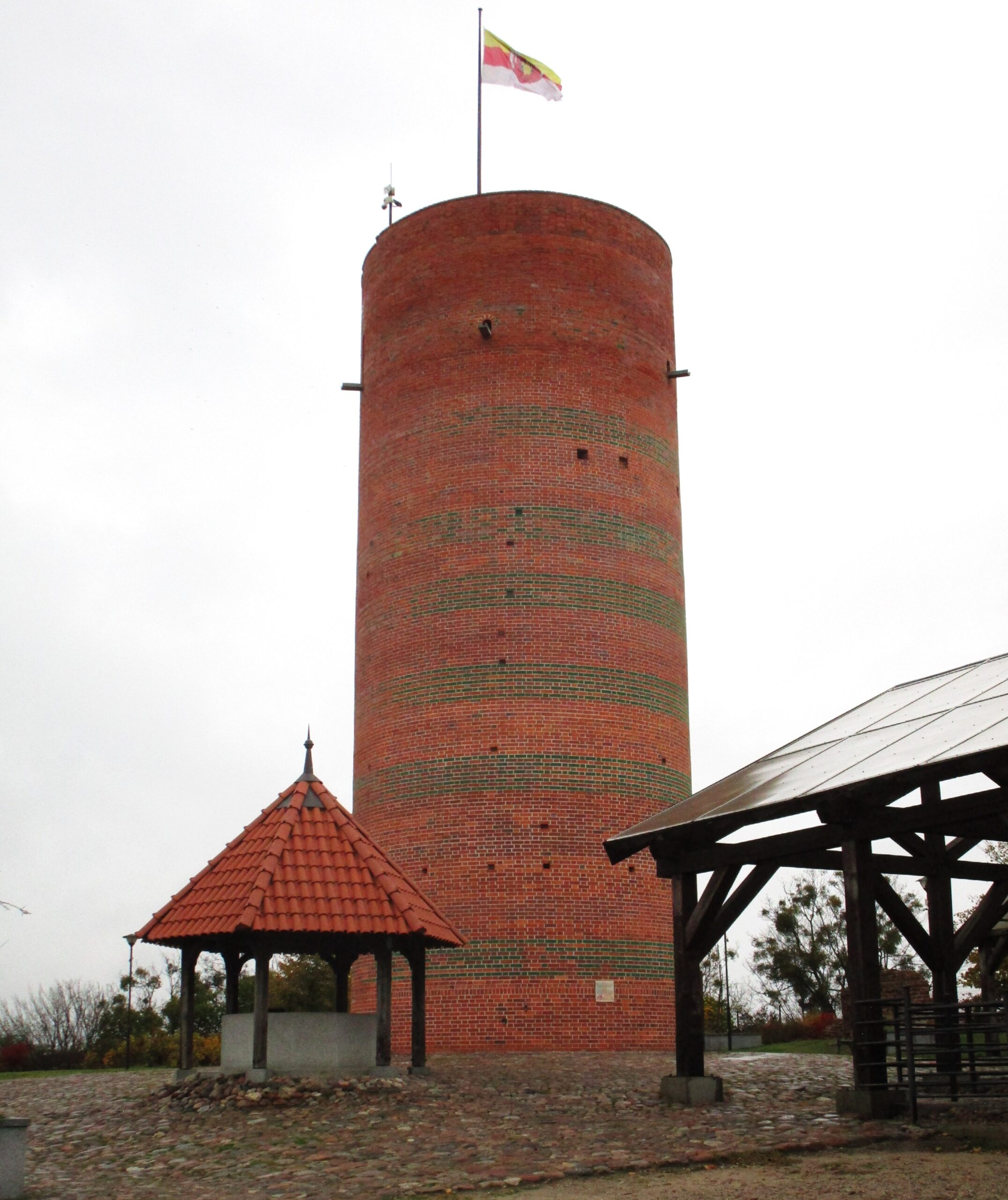
Klimek Tower 2.0
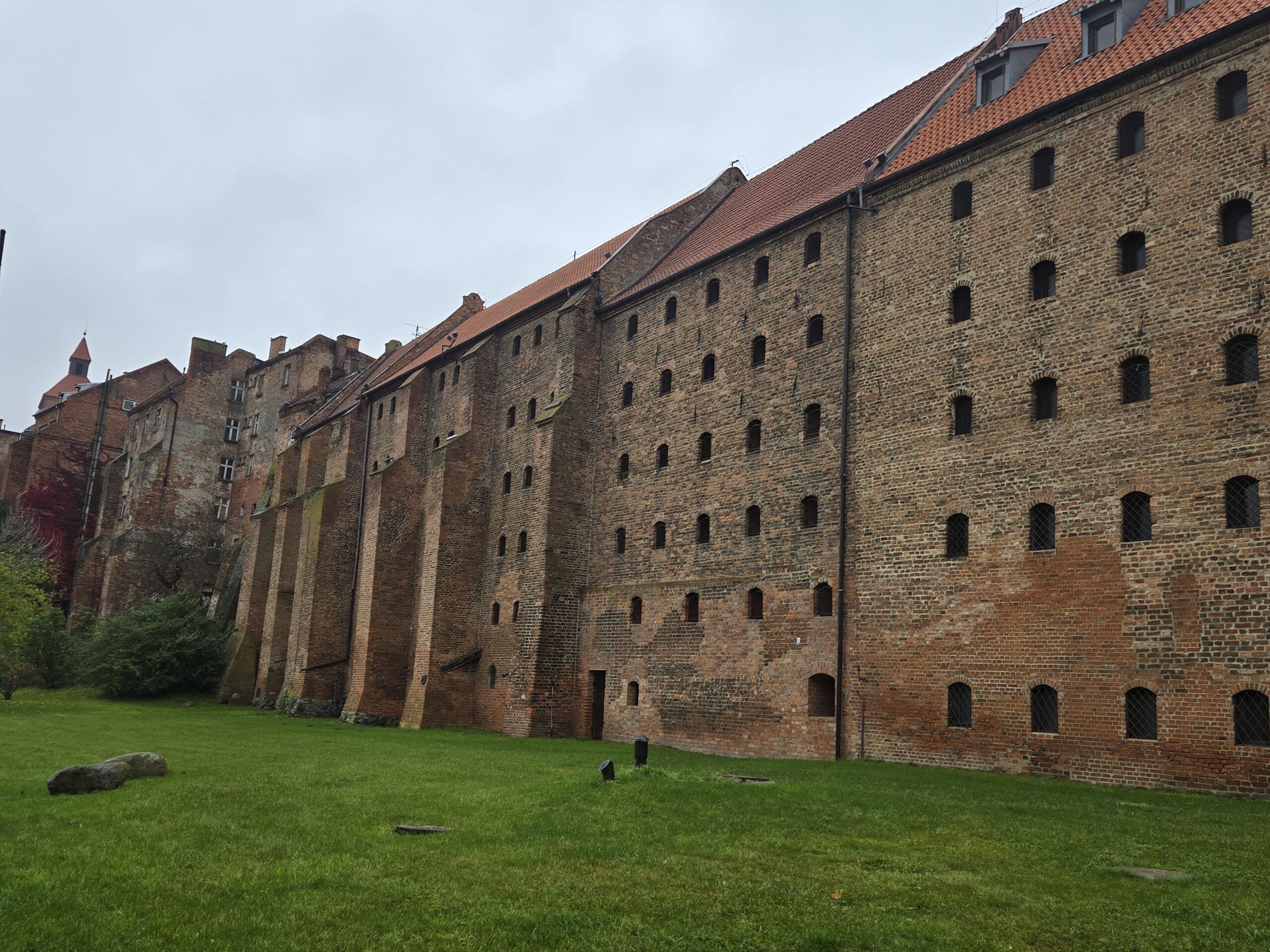
The Grainery
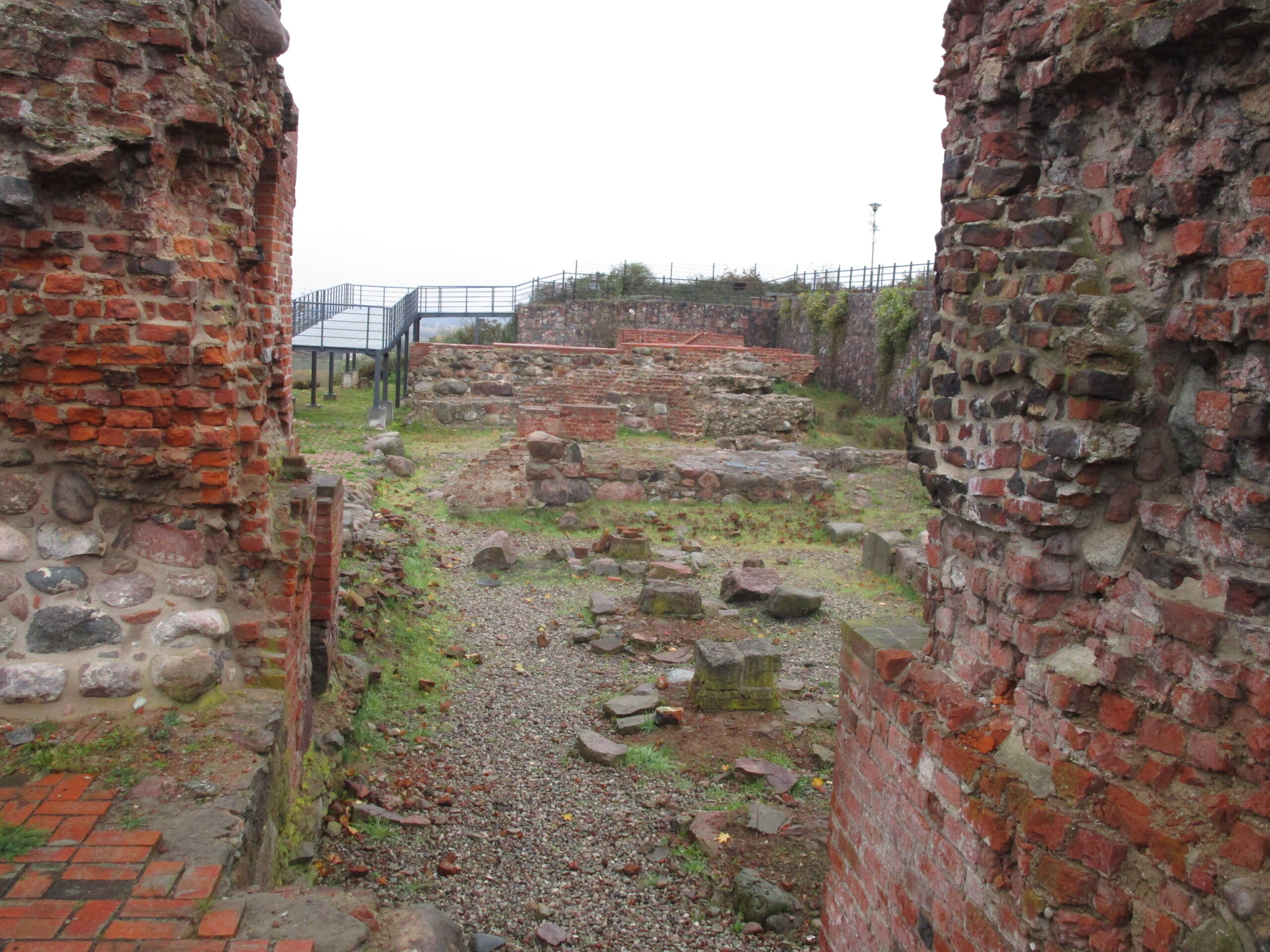
Castle ruins
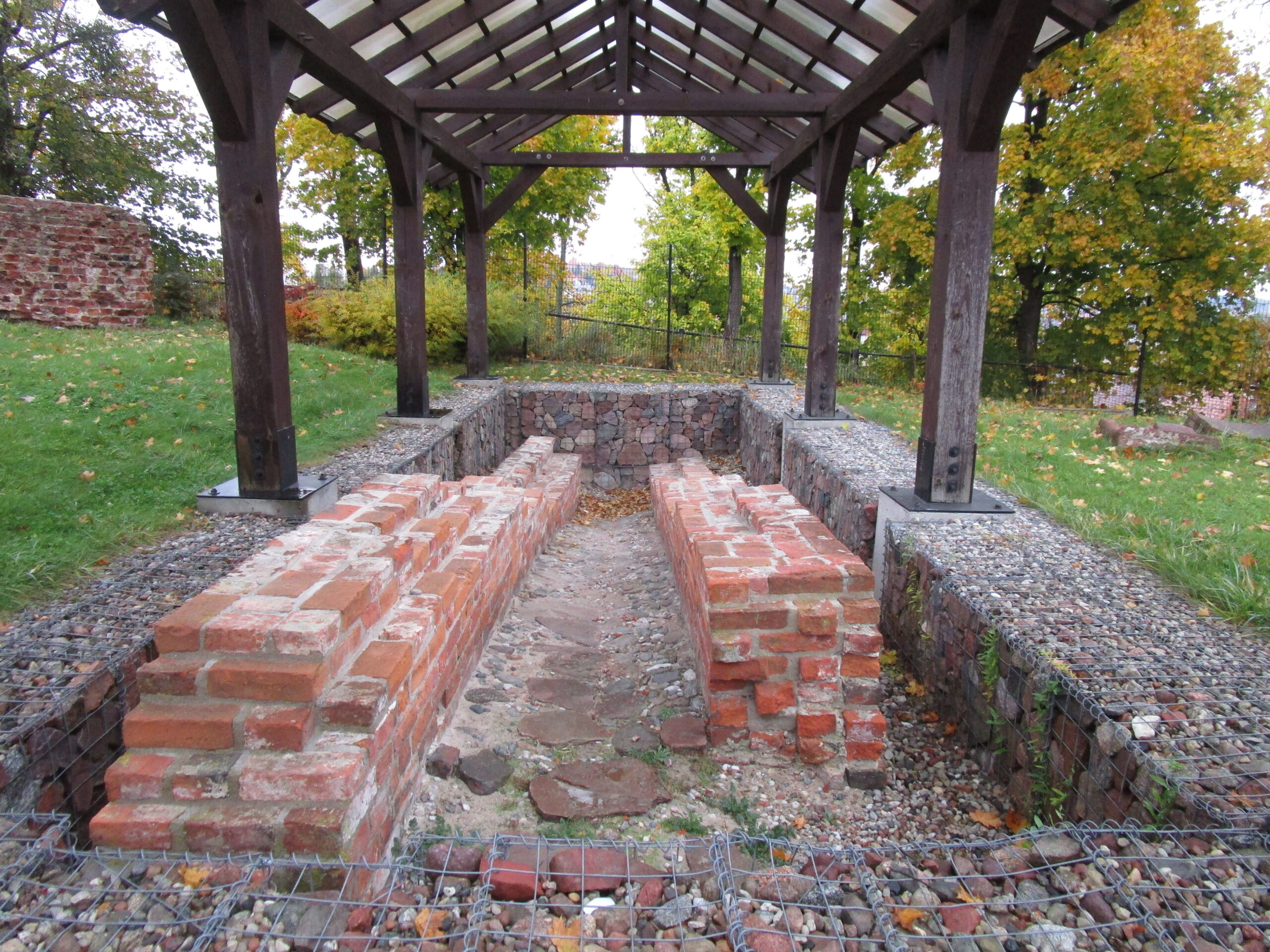 In 1801, King Frederick William II gave the order to dismantle the castle and tower to use the brick to build a new, modern fortress and prison. The work was stopped by Queen Louise in 1806 with only half of the tower remaining. The remaining tower was destroyed in 1945 by the Nazi’s during their raid on Poland. As if there weren’t enough things to blow up.
Fast forward to 2014 and the people of Grudziadz decided to rebuild the Klimek tower. Not for defensive purposes, but to serve as a viewing tower. We had to give it a try.
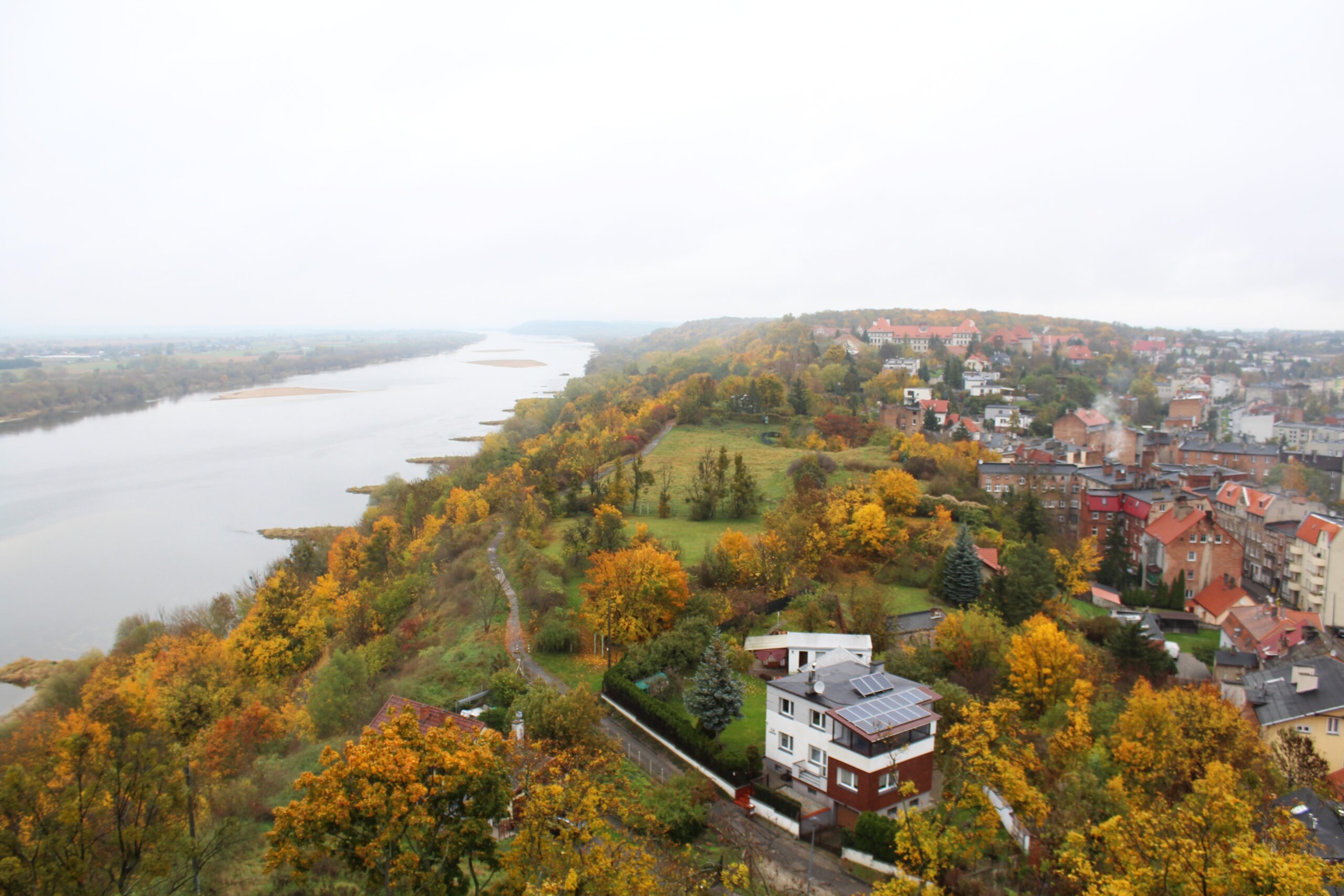
View from the tower
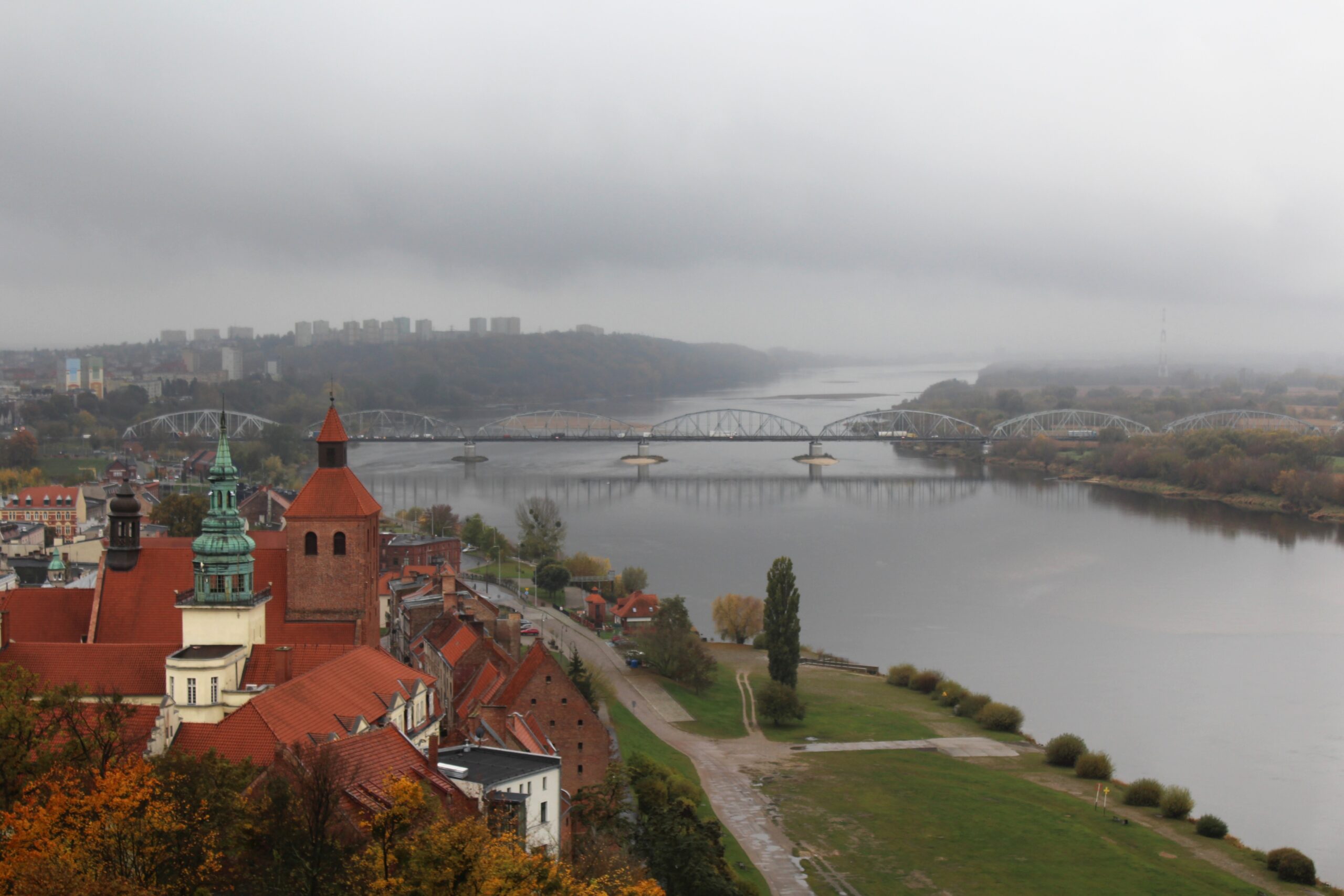
After the cool views of the city Grudziadz, off to Westerplatte and the start of World War II.
Westerplatte is forever etched in history as the place where the first shots of World War II were fired. On September 1, 1939, German battleship Schleswig-Holstein unleashed its firepower on the Polish Military Transit Depot located on the peninsula. This marked the beginning of the war that would engulf the world for the next six years.
The battleship Schleswig-Holstein was billed as a “training” vessel docked at Westerplatte on a peace mission to Poland. Hidden below deck were 200 German soldiers awaiting the call to start the invasion. But first, Germany couldn’t just invade Poland, that would make them the bad guys, so something had to force them to attack the friendly Polish harbor.
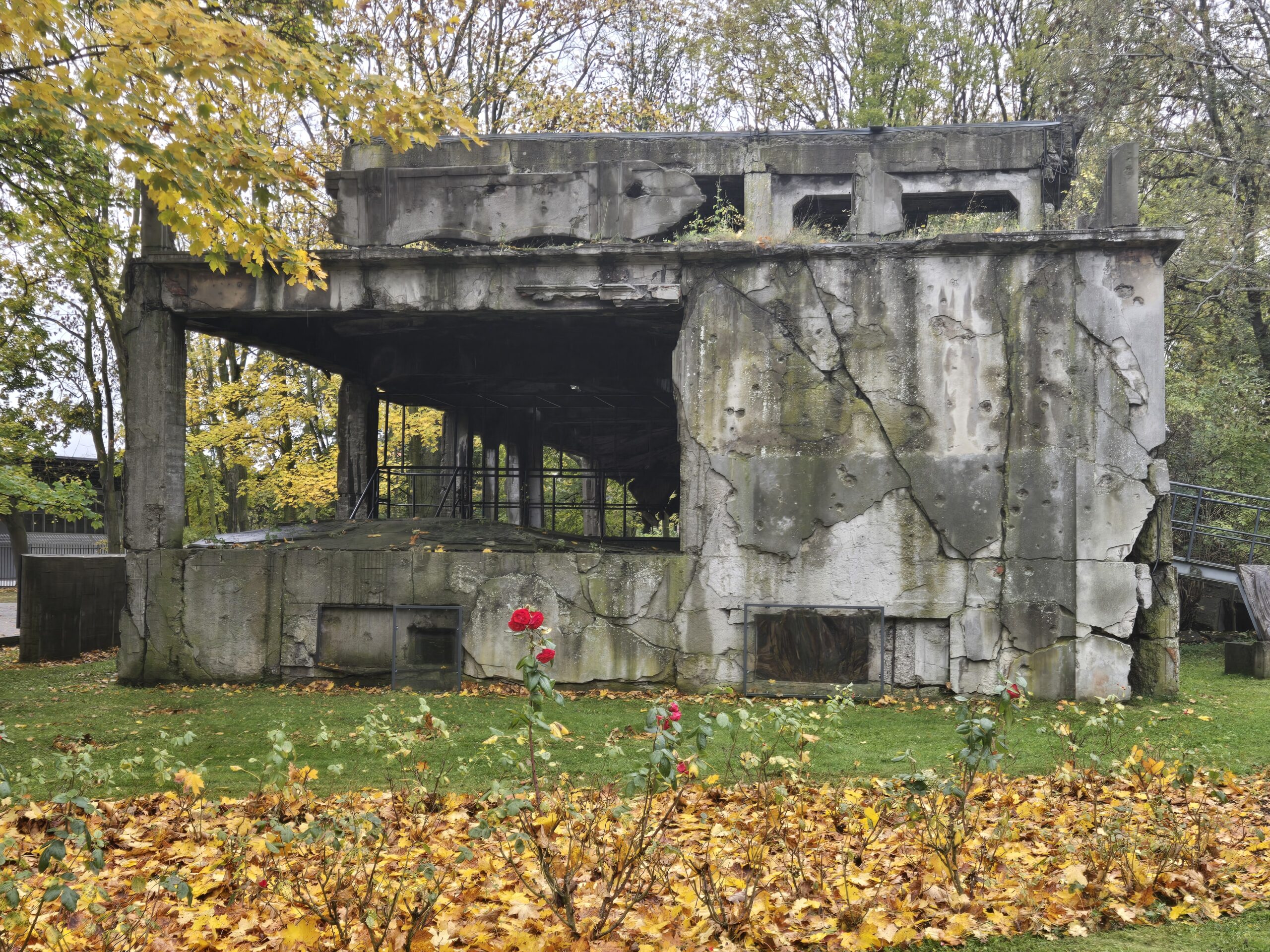
Guards Barracks with bullet and artillery damage
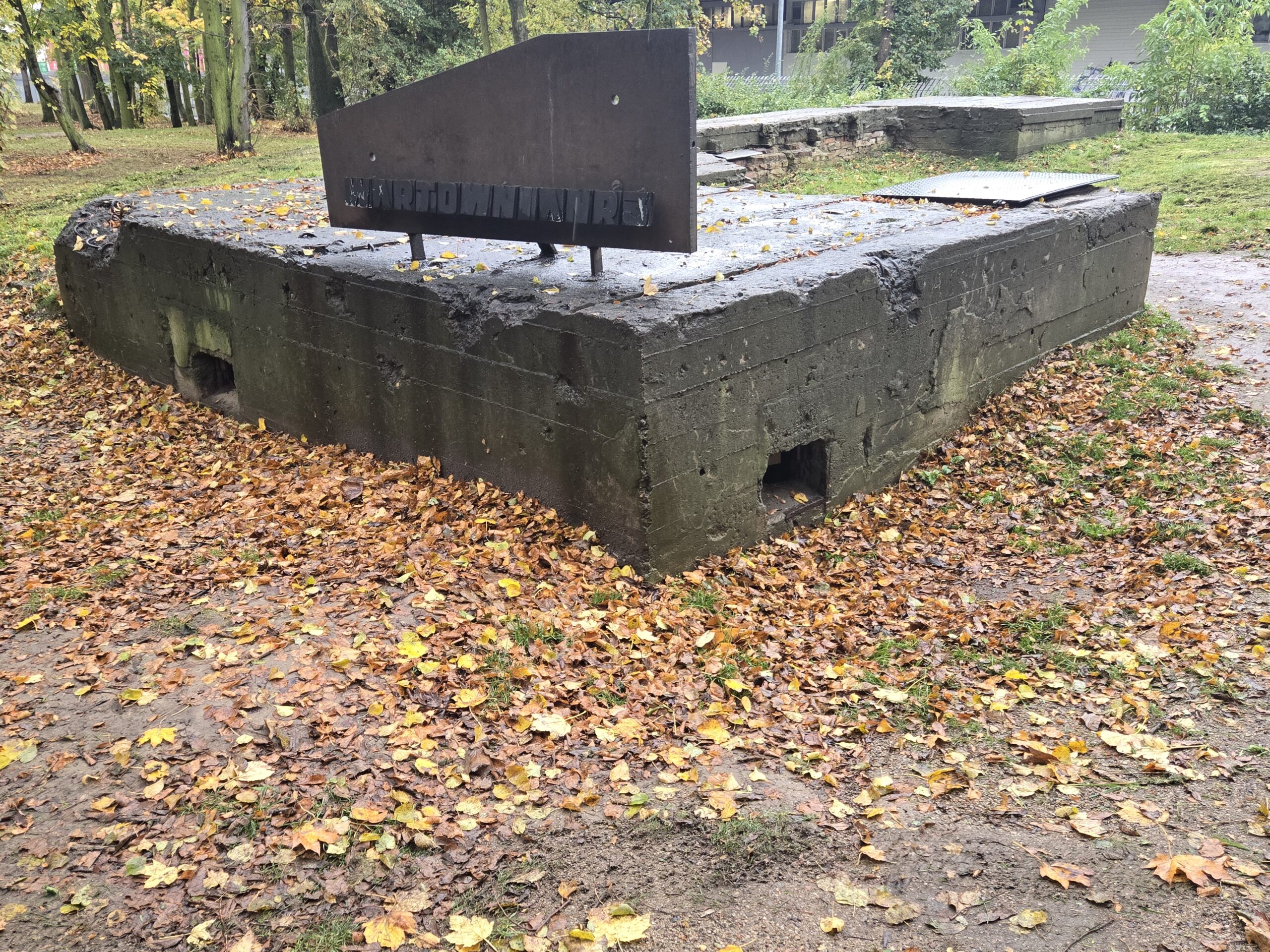
Guard house with basement bunker
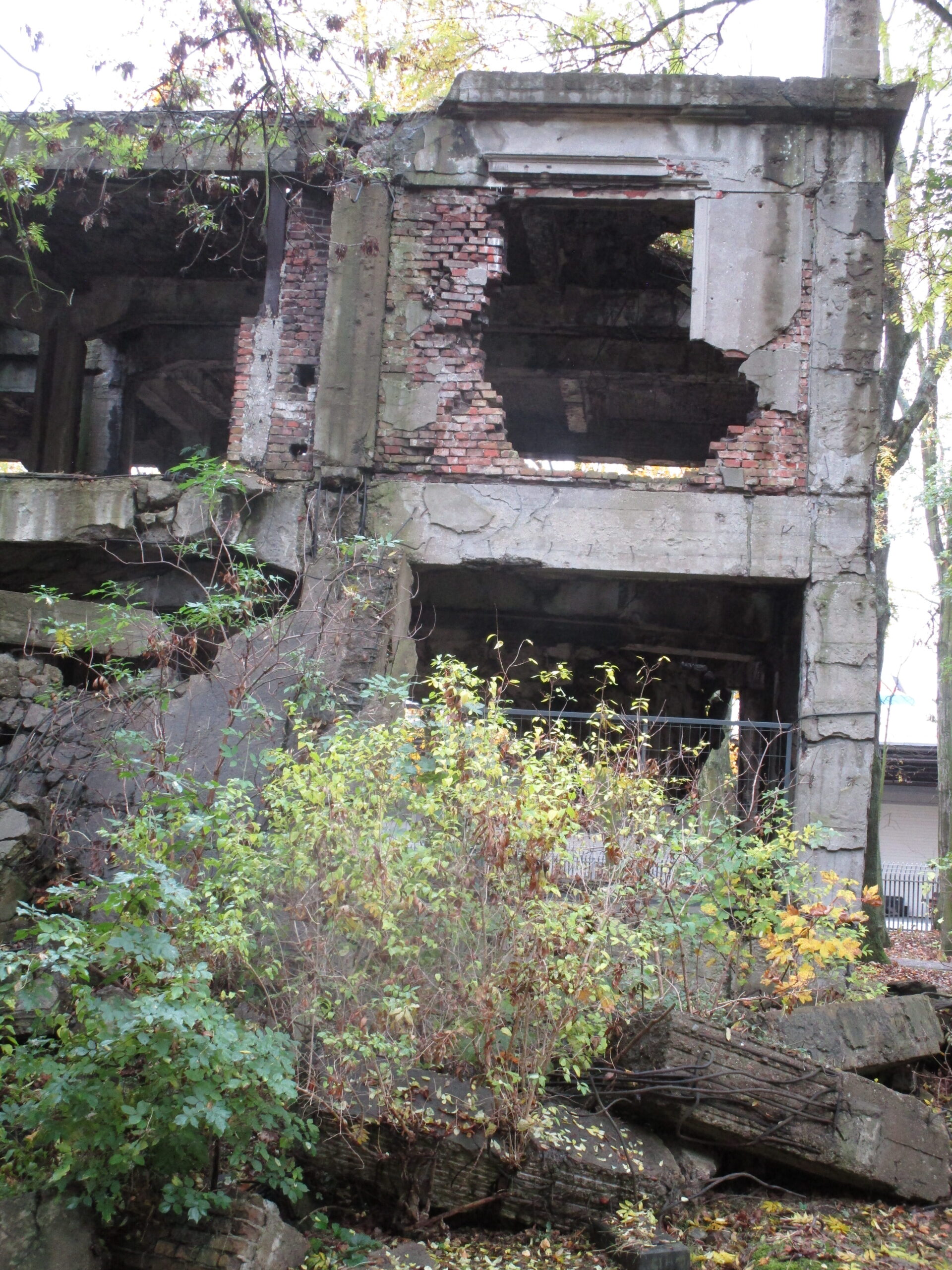
Barracks with damage
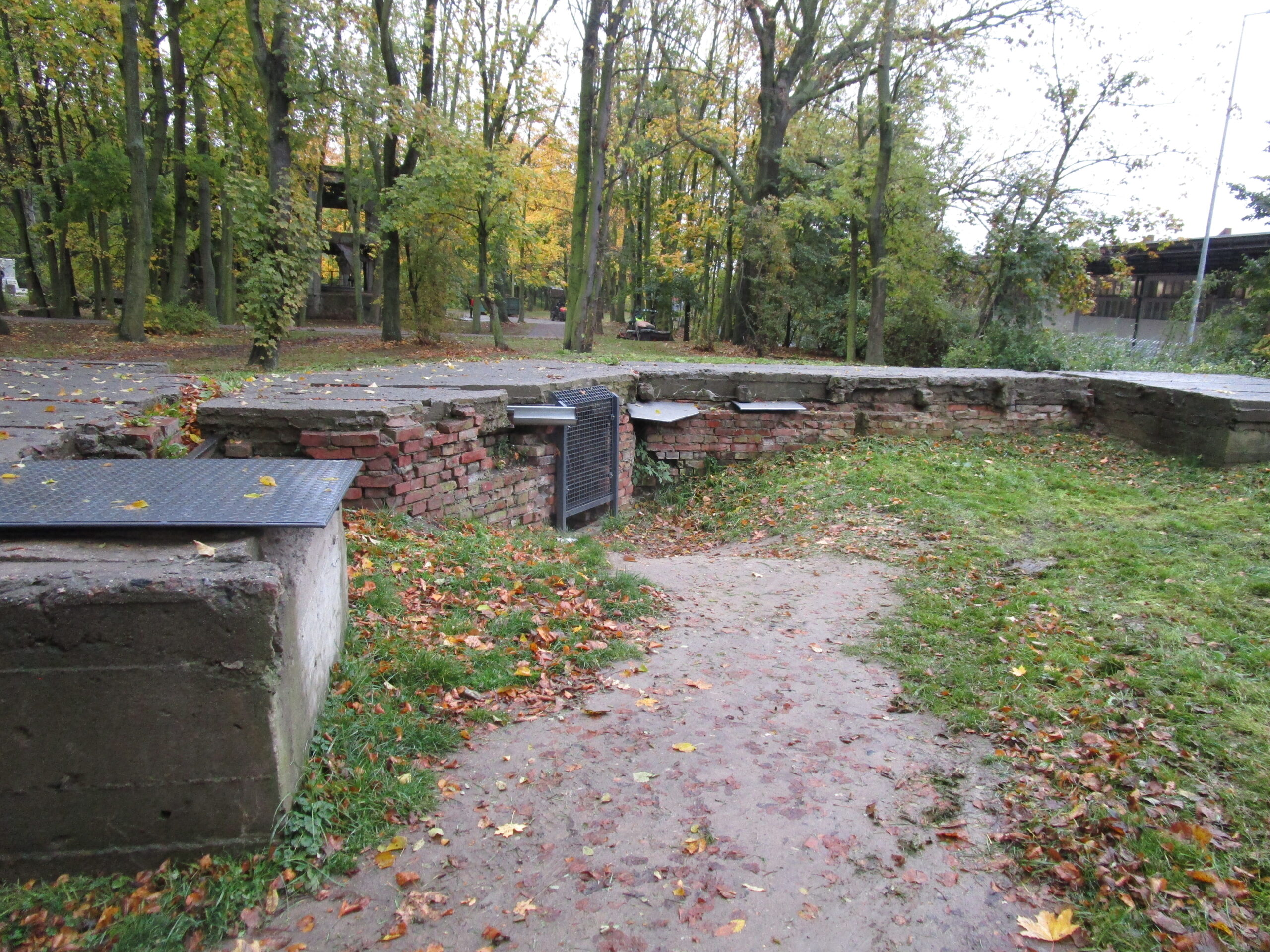
Remains of guard house #3
Someone got the brilliant idea that if the Poles were to invade Germany or maybe incite unrest, Hitler and the boys could just react, save face for Germany. But how??? The scheme was devised that Germany would claim Polish insurgents raided a German radio station to broadcast propaganda. German police and troops would overwhelm the insurgents and counter attack the Poles with the battleship that just happened to be in their harbor. Perfect, except when the insurgents were overwhelmed at the radio station, it appears they were already dead. Dead people don’t bleed when you shoot them. It also appeared that these insurgents resembled political prisoners that were being held in a concentration camp. The ruse soon fell apart but not before Germany invaded Poland and started WW2. That was September 1, 1939. Six years and 75,000,000 casualties later, WW2 would end with the defeat of Germany and the Axis powers.
Little did Poland know at the beginning of all the fighting that the Soviet Union had agreed to a “non-aggression” act (called the Molotov-Ribbentrop Pact) with Germany that set the stage for both countries to divide Poland. On September 17, 1939, Russia invaded Poland to secure the Eastern half for themselves. On October 6, 1939, 35 days after the first shot was fired, Poland capitulates to Nazi Germany. On that day, Poland ceased to exist and was completely removed from world maps. Other European nations did nothing to intervene or support the Polish defense.
What made this even more confusing was the fact that Russia encouraged the Polish people to resist German occupation, fight back and not let Germany take their land. All the time, Russia advanced further into Poland. While advancing, the Russian army invited the Polish resistance to join them, come to meetings with the Russian leaders and formulate a defense. The majority of Resistance leaders accepted the offer; most were tried as traitors and either killed or sentenced to hard labor in Russian camps. That’s how you stop resistance before it even begins.
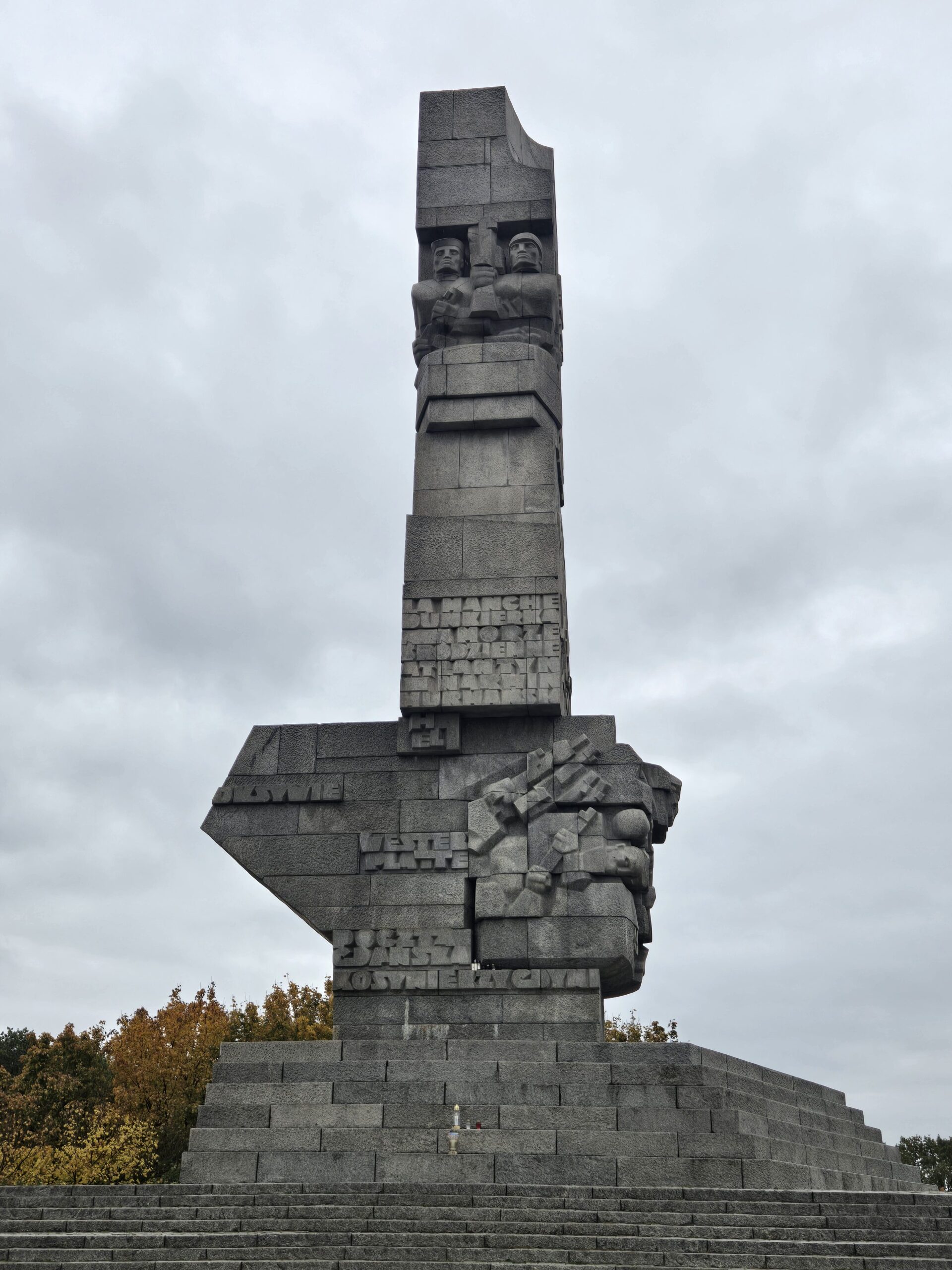
Monument to Polish soldiers
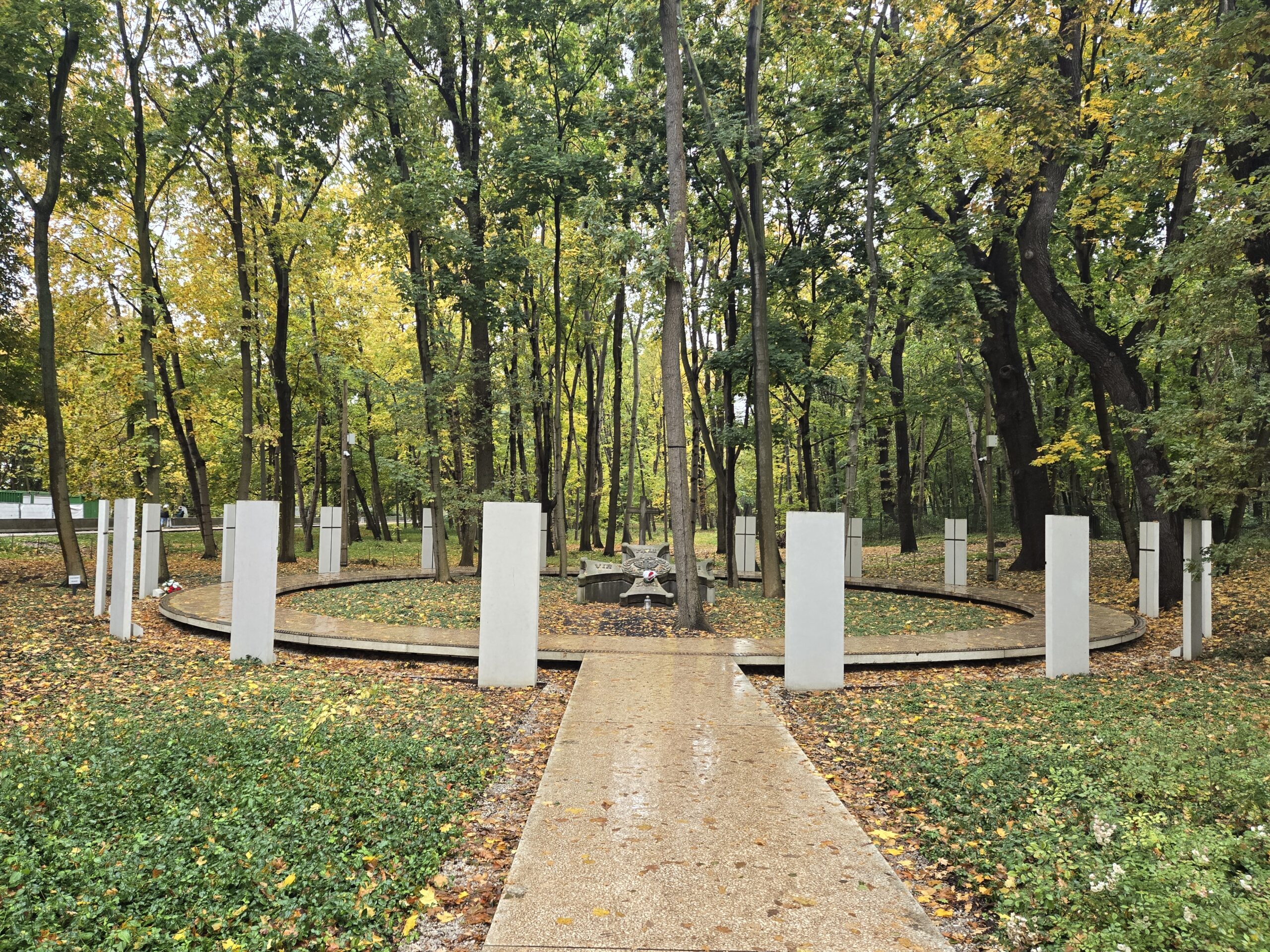
War memorial
Done with touring here so now off to our next WW,Too location, Mragowo, Poland. (Pronounced: Merah Goh Vo) This little town has the unfortunate honor of hosting the “Wolf’s Lair”, Hitler’s secret compound where he spent over 800 days during WW2 screwing things up.