Nagasaki – The bomb no one talks about
I know this is going backwards but I need to catch up. I’ll fill in the tour cities as I go along.
Finally on our own to explore Japan! The tour was fun and we met 9 wonderful people from Australia and the UK. Good conversation, fun times and a few laughs but it is good to just be me and the little woman.
We stayed in Osaka for a couple of days before heading out to Nagasaki. We purchased Japan Rail train passes good for 14 days before we arrived that pretty much gives us access to hundreds of trains all throughout Japan. All we have to do is decide where we want to go and what trains to take. The JR website has an interactive map that works really well for figuring out which trains go where, then we just have to look up the schedules. Simple.
Took most of the day to travel from Osaka to Nagasaki, departing at 10am and arriving in Nagasaki around 3:00pm. Our hotel is the Hilton Nagasaki just about a 3 minute walk from the train station. They have great travel agent rates so hard to pass up.
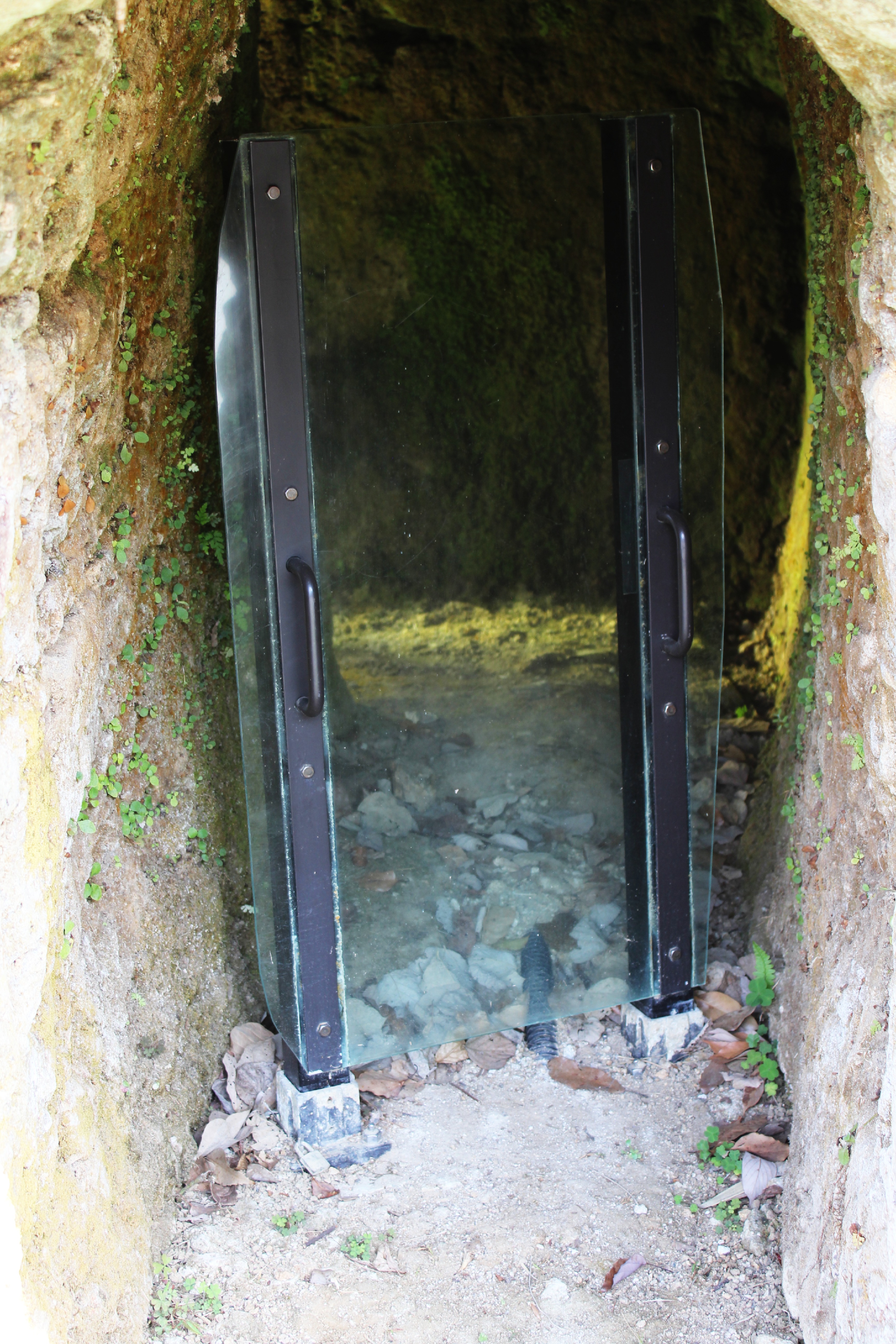
Air raid shelter dug into the side of a hill
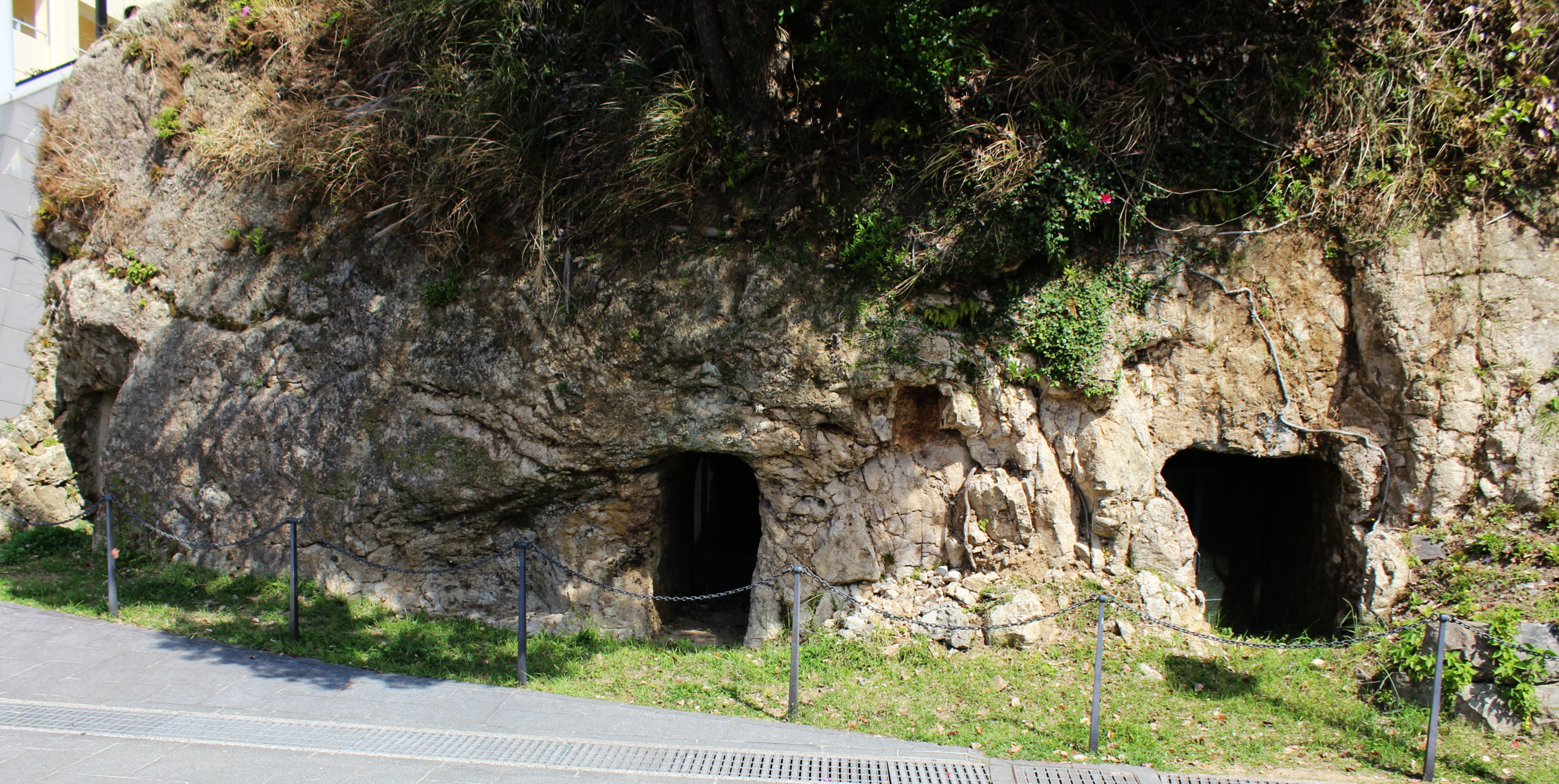
Air raid shelters
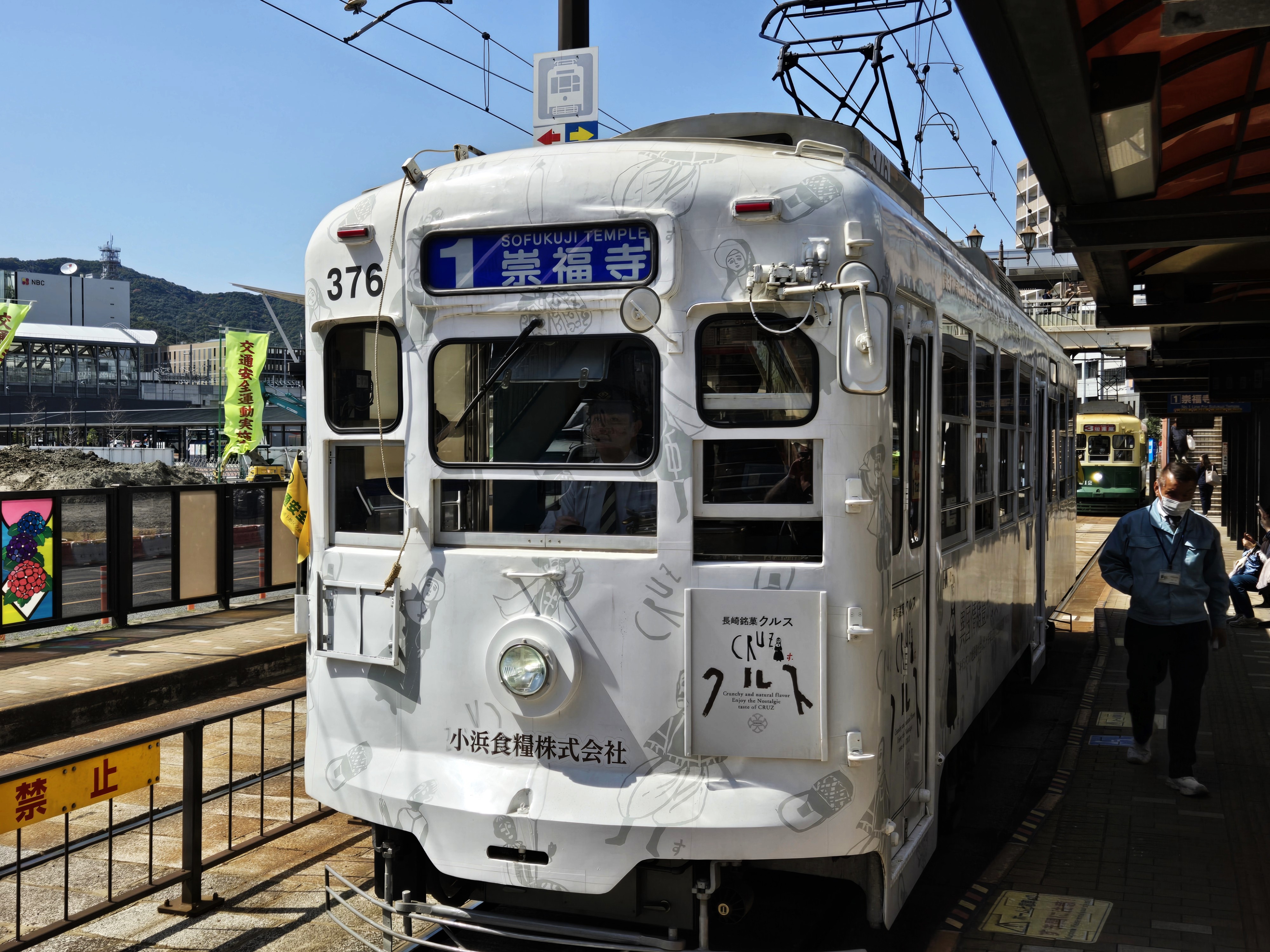
Our transportation
Rewind – the day is August 6, 1945, 8:15am. As a result of 6 years of research and over $2 Billion (in 1945 dollars) the United States developed the world’s first atomic bomb. The technology was demonstrated in Alamogordo, New Mexico and the go ahead was given for use of the bomb against the Japanese Imperial Armed Forces. The Manhattan Project was a success.
The new president of the US, Harry Truman, had no idea this project even existed. He was only made aware of the bomb after the death of President Roosevelt. As part of the Potsdam Agreement, the US had to have the concurrence from the UK to use the bomb. But why use it?
General Douglas MacArthur and others had lobbied for a land invasion of Japan with close to 3 million troops. Of these invading troops, it was estimated that 1/3, or close to 1 million troops would be casualties of the invasion. MacArthur thought that was acceptable, Truman did not. MacArthur so wanted to have the glory that Eisenhower had as Supreme Commander, but that was not to be, thank God!
The Enola Gay, a B29 Superfortress bomber piloted by, at that time, Colonel Paul Tibbets, took off from Tinian Island, part of the Mariana Islands. The B29 was the technology that allowed for the United States to reach air superiority over Japan. This aircraft was pressurized so it could fly at altitudes unreachable by fighter aircraft and AA fire, over 30,000 feet. It was also heated, so no need for electric suits. Now the US could bomb Japan at their will. On August 6, 1945, “Little Boy” an enriched uranium gun-type fission weapon was dropped and exploded 600 meters above the target, over 100,000 people died instantly. The Japanese Imperial Armed Forces did not surrender.
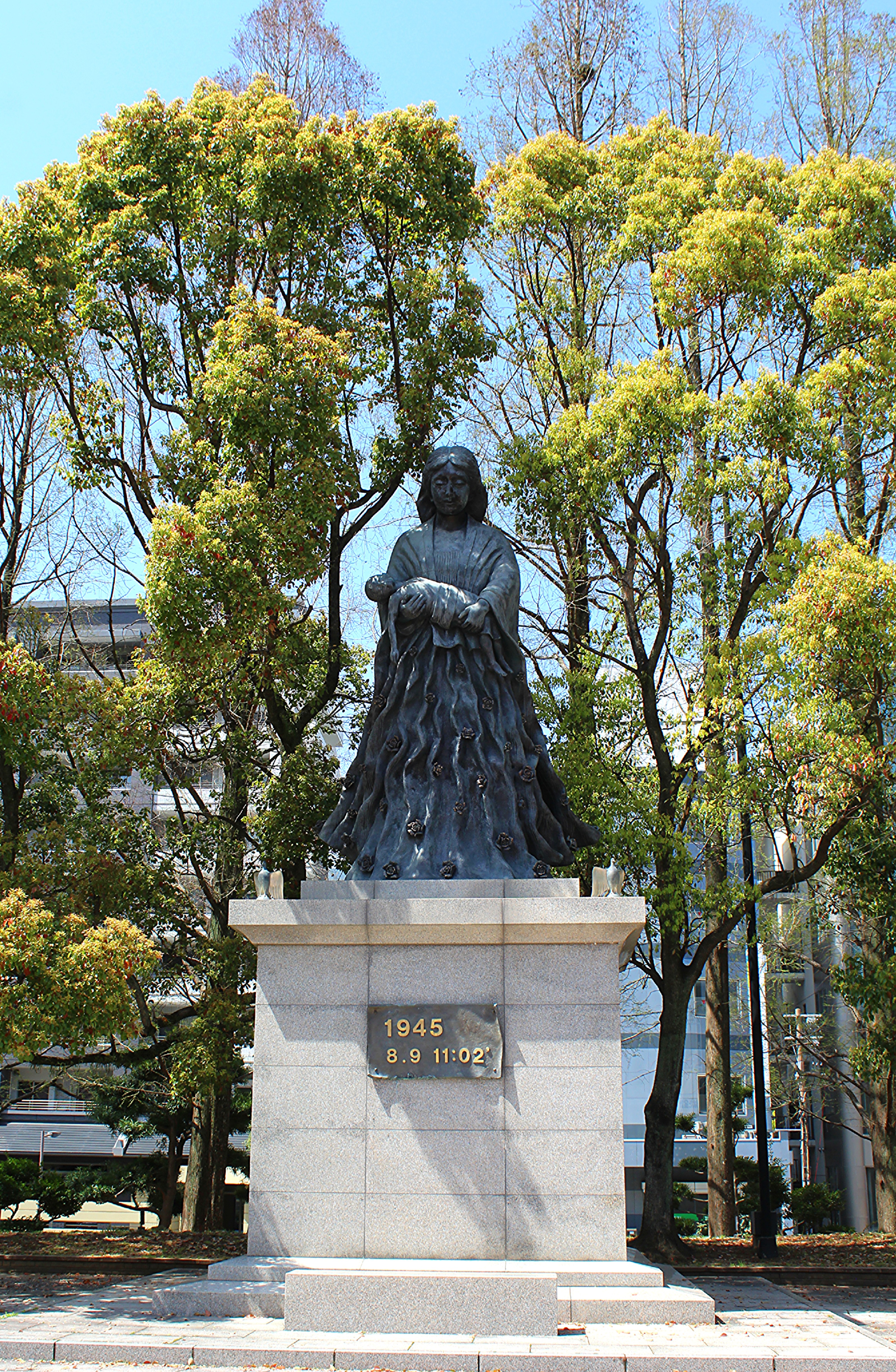
Three days later, 9 August 1945, 11:02am, another B29 Superfortress, Bockscar, piloted by Major Charles Sweeney dropped the second atomic weapon on the city of Nagasaki. This bomb, “Fat Man” so named due to its shape, was a plutonium implosion-type nuclear bomb using U-239 instead of U-235 to achieve critical mass by imploding explosives around the nuclear core. “Fat Man” exploded 500 meters above the ground and 70,000-80,000 people died instantly. 6 days later, Japan unconditionally surrendered.
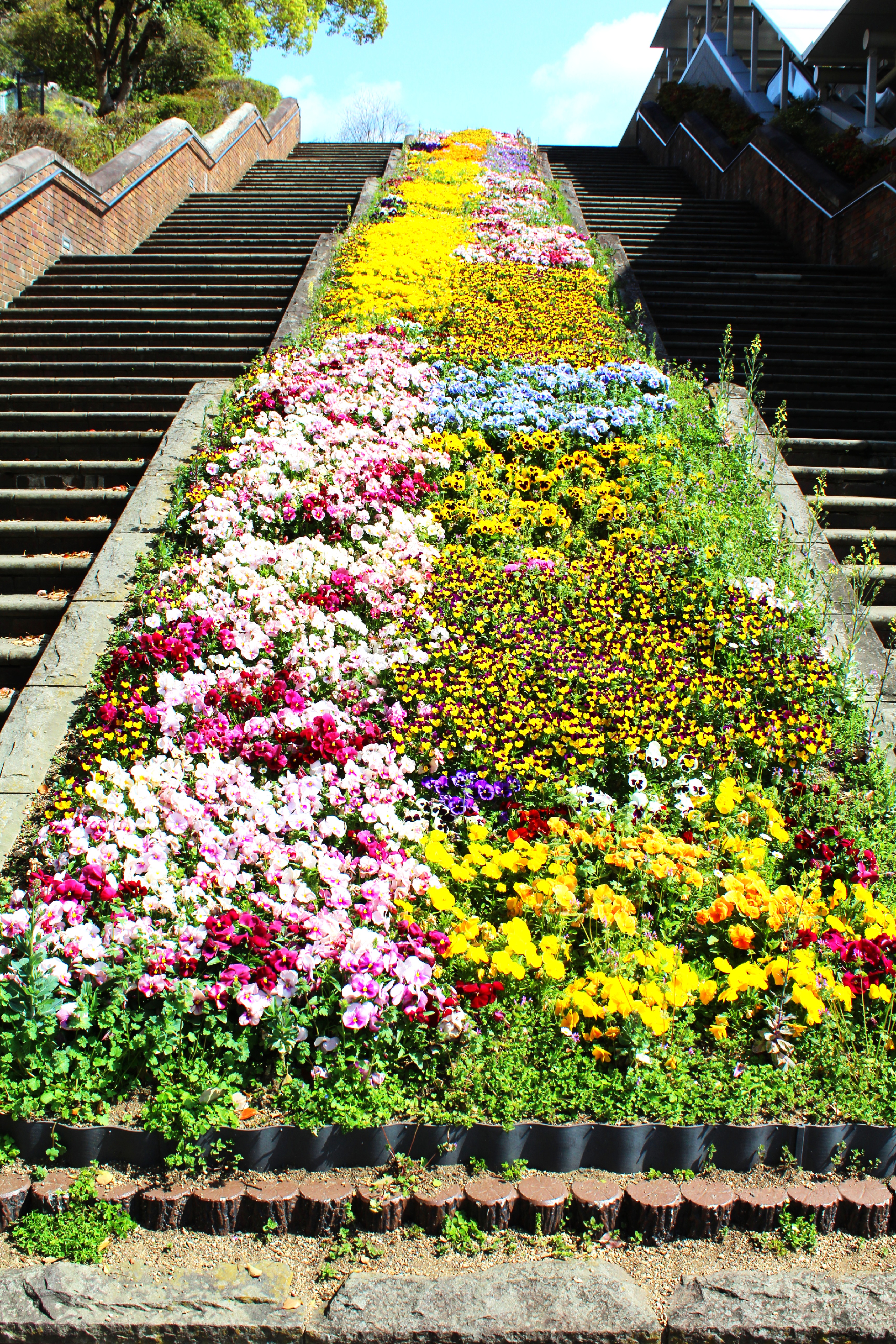
Stairway to…
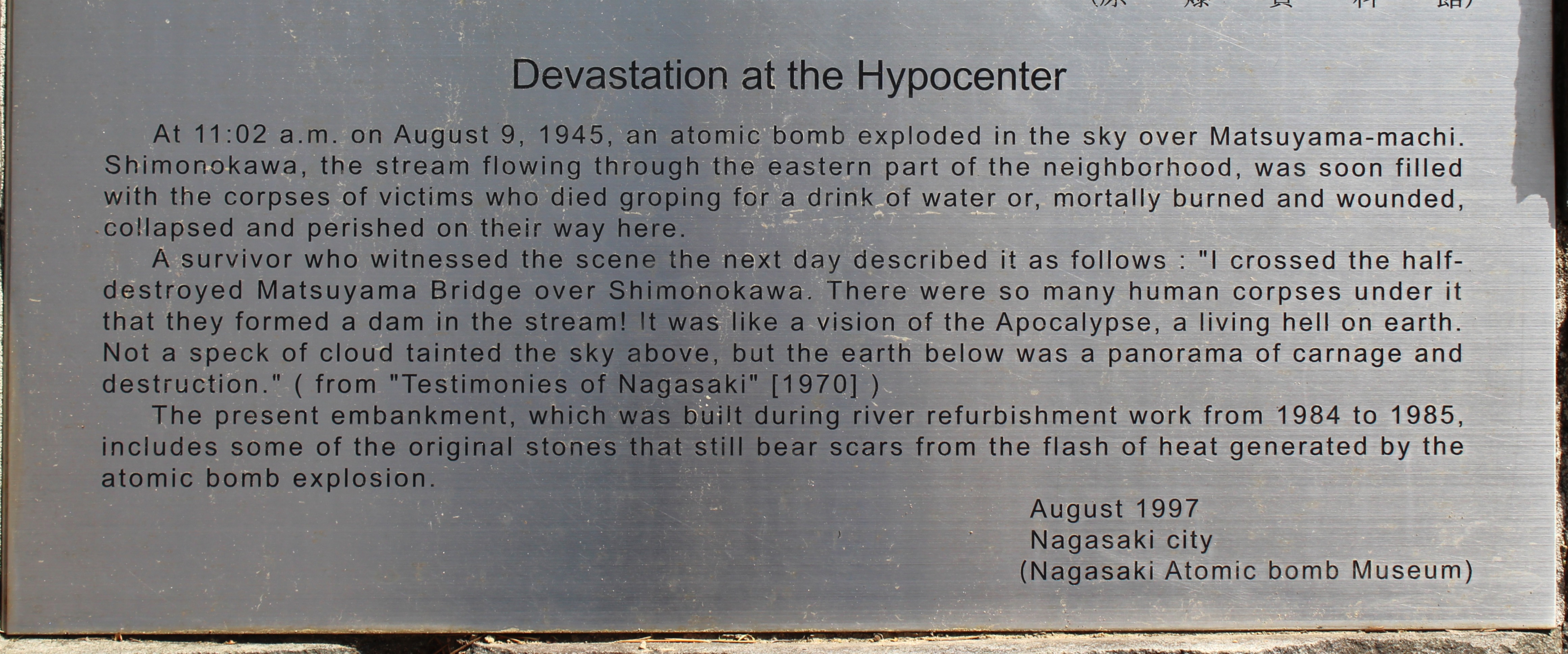
Account from a survivor
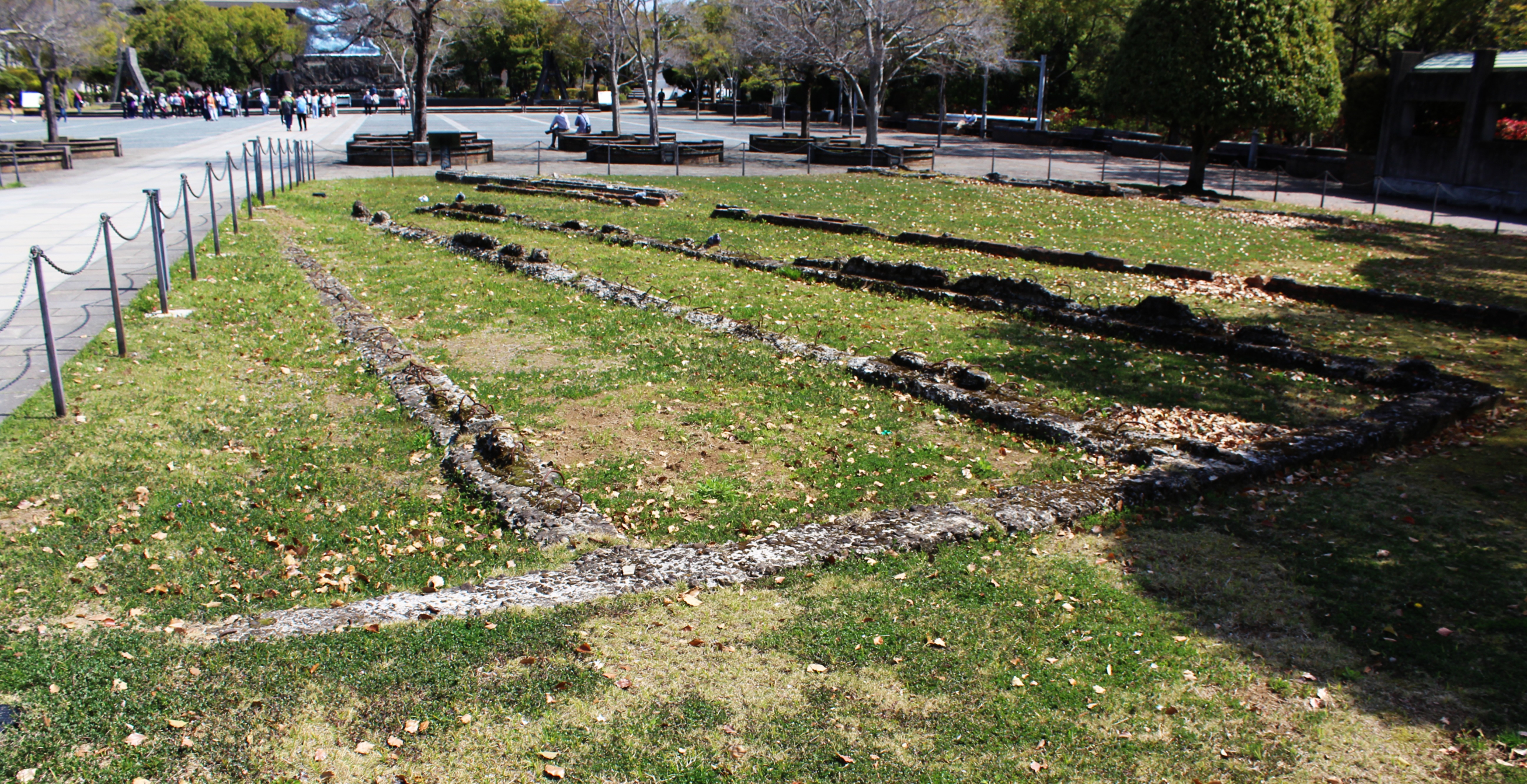
Remains of the prison after the blast
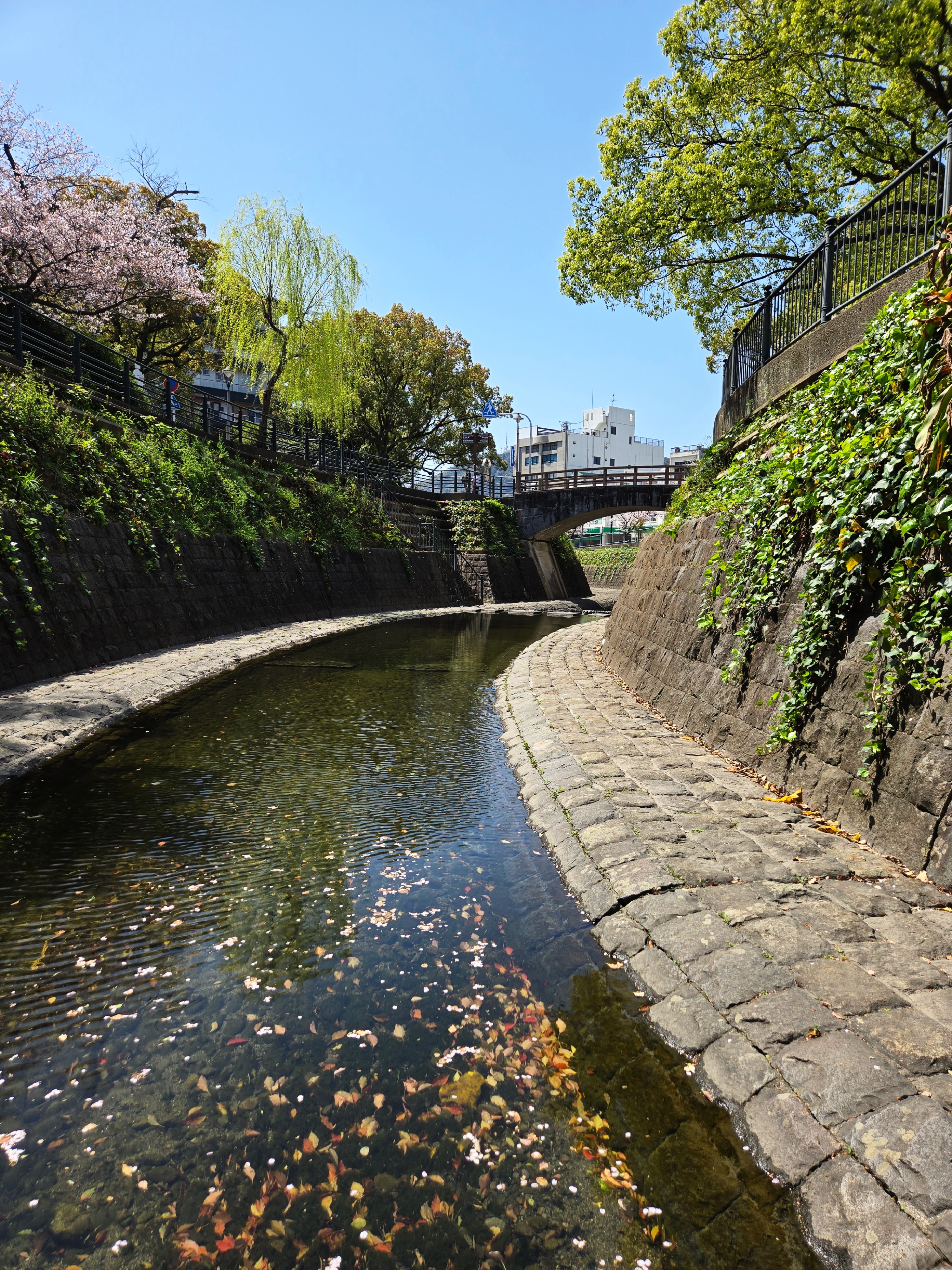
The river was so full of corpses that it created a dam…
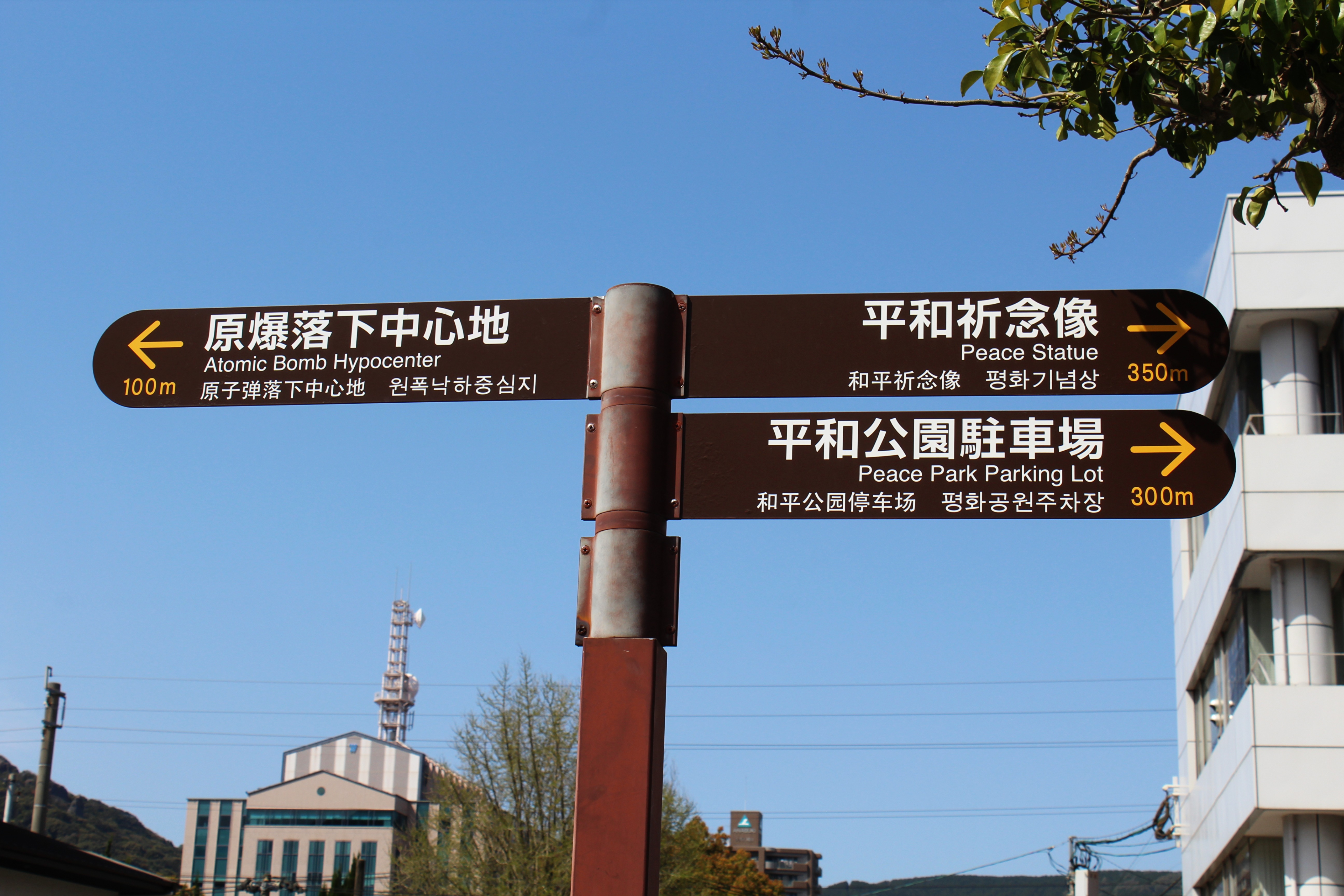 Today, ground zero in Nagasaki is a “Peace Park” and museum. Numerous countries have given peace statues to the city in solidarity of their peaceful relations. No number of statues can ever replace the damage that was caused. As controversial as it is, the use of atomic weapons was a decision made by our government to end the war. That it did.
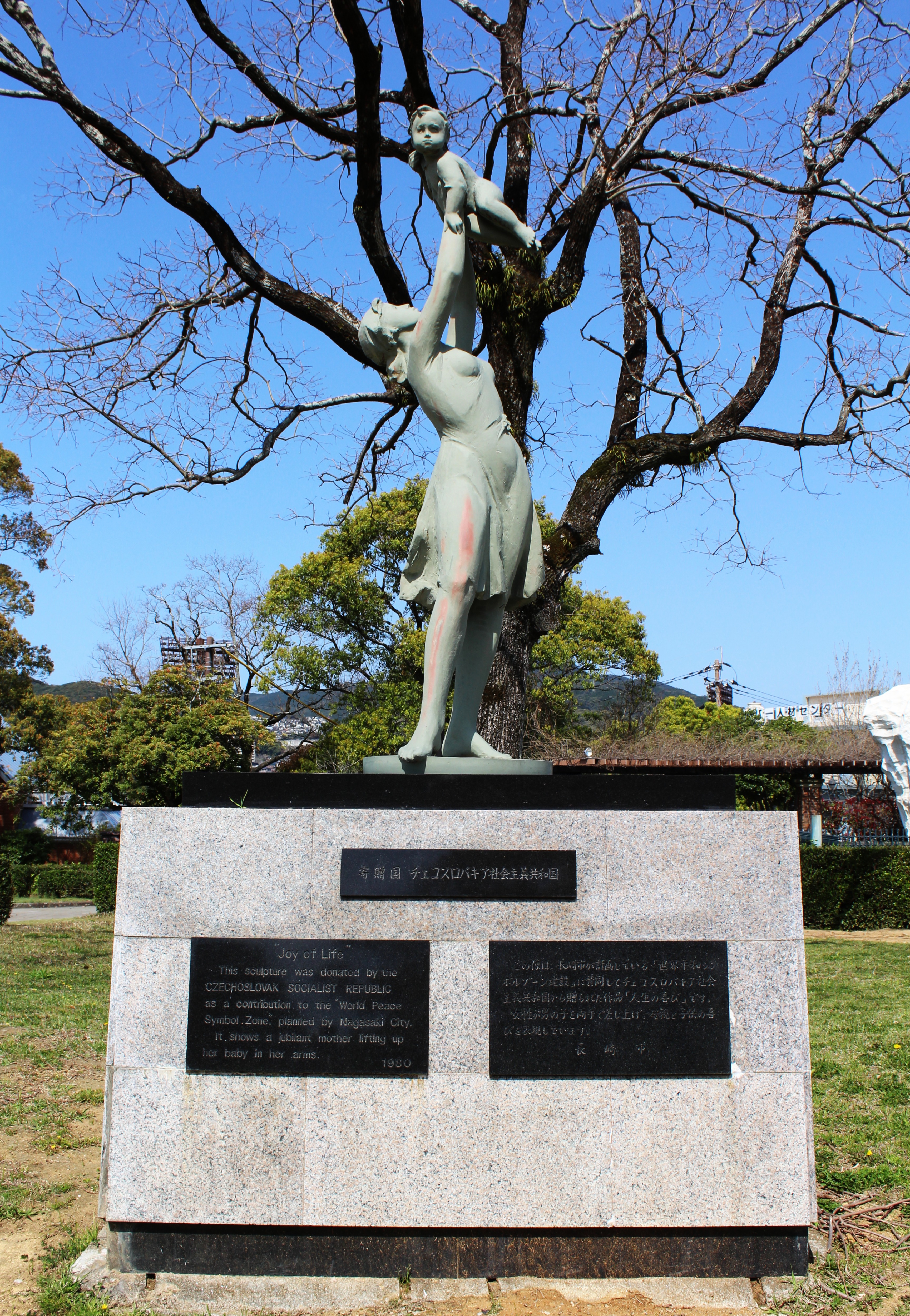
Czechoslovakia
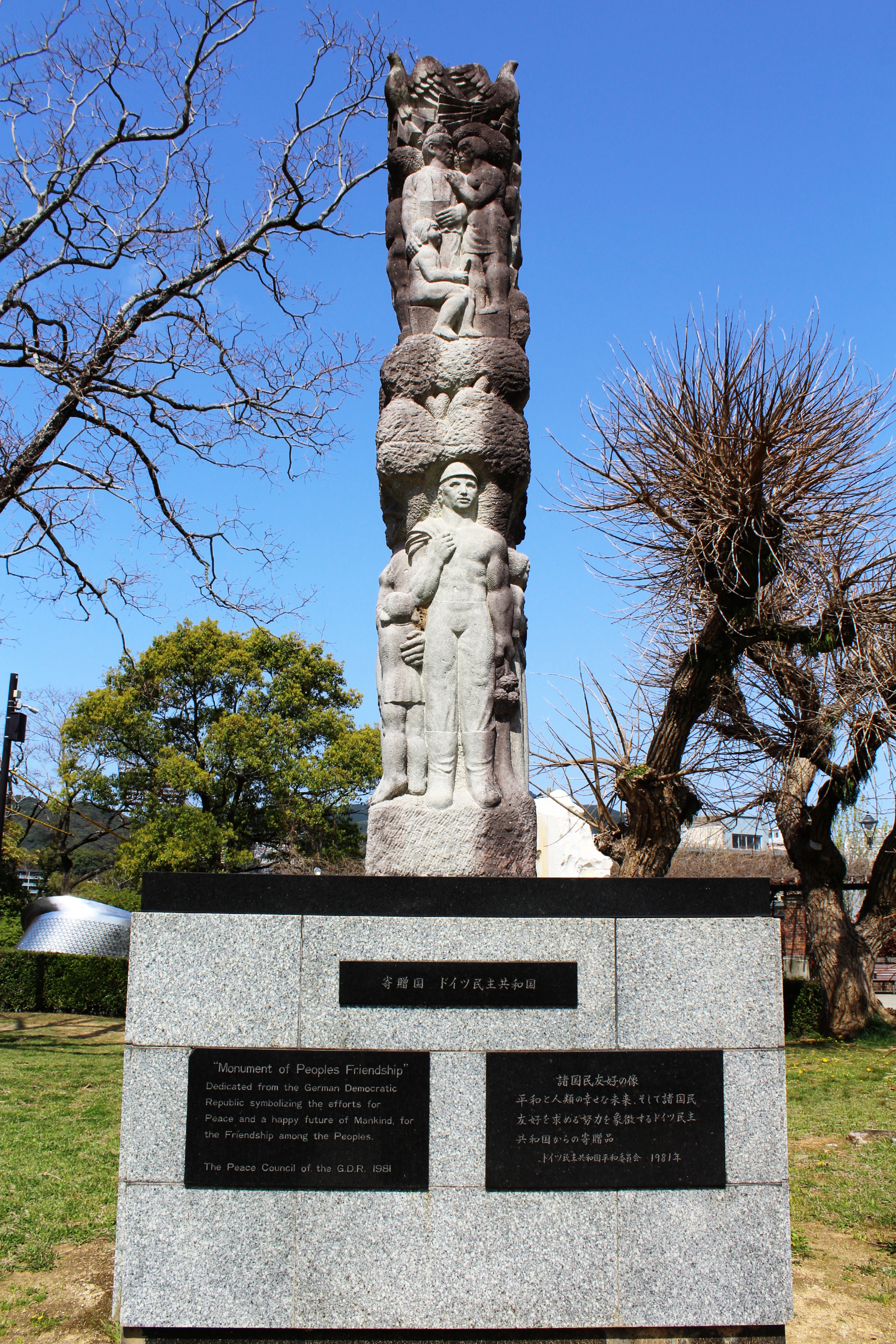
German Democratic Republic
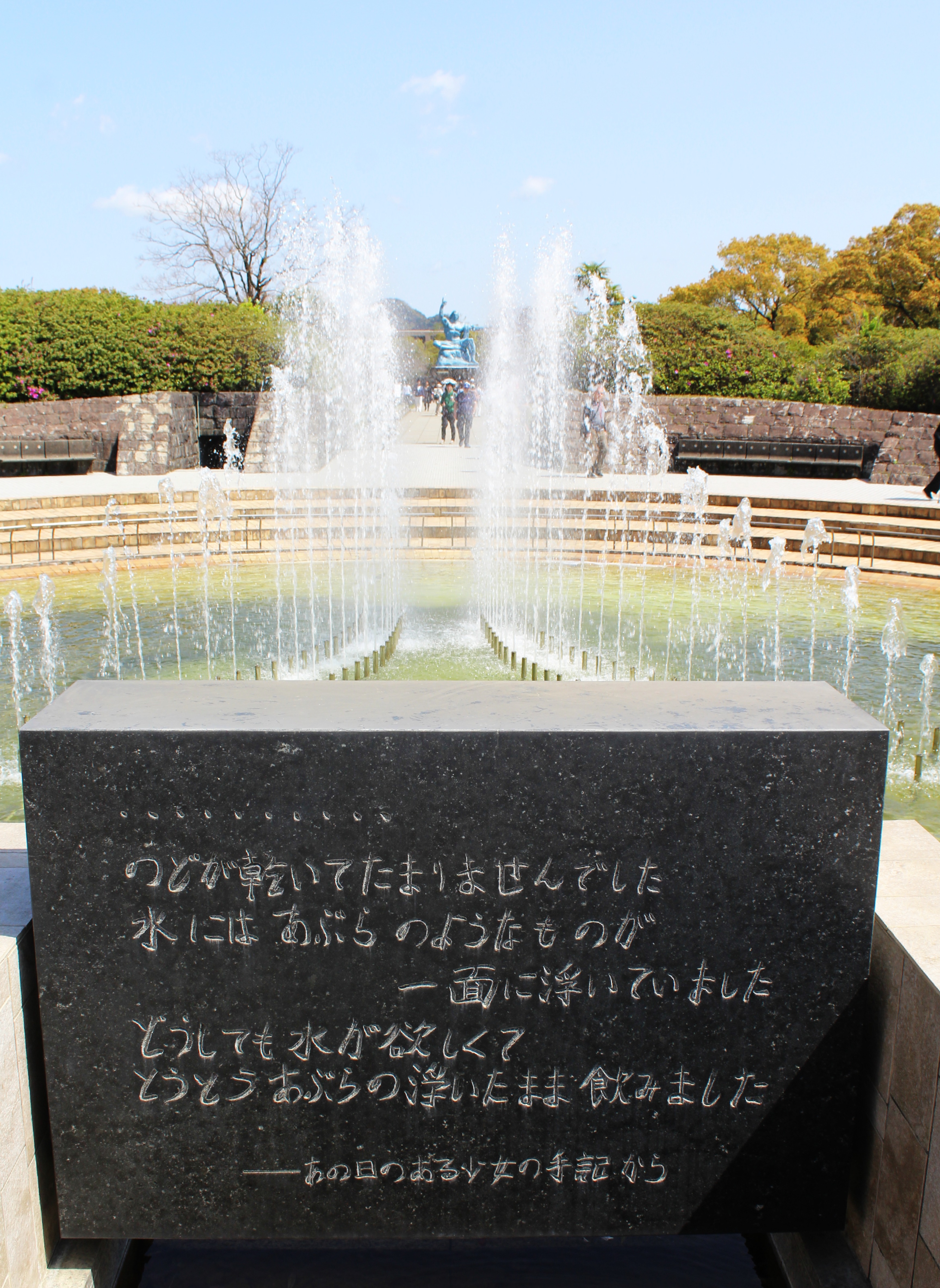
Memorial fountain
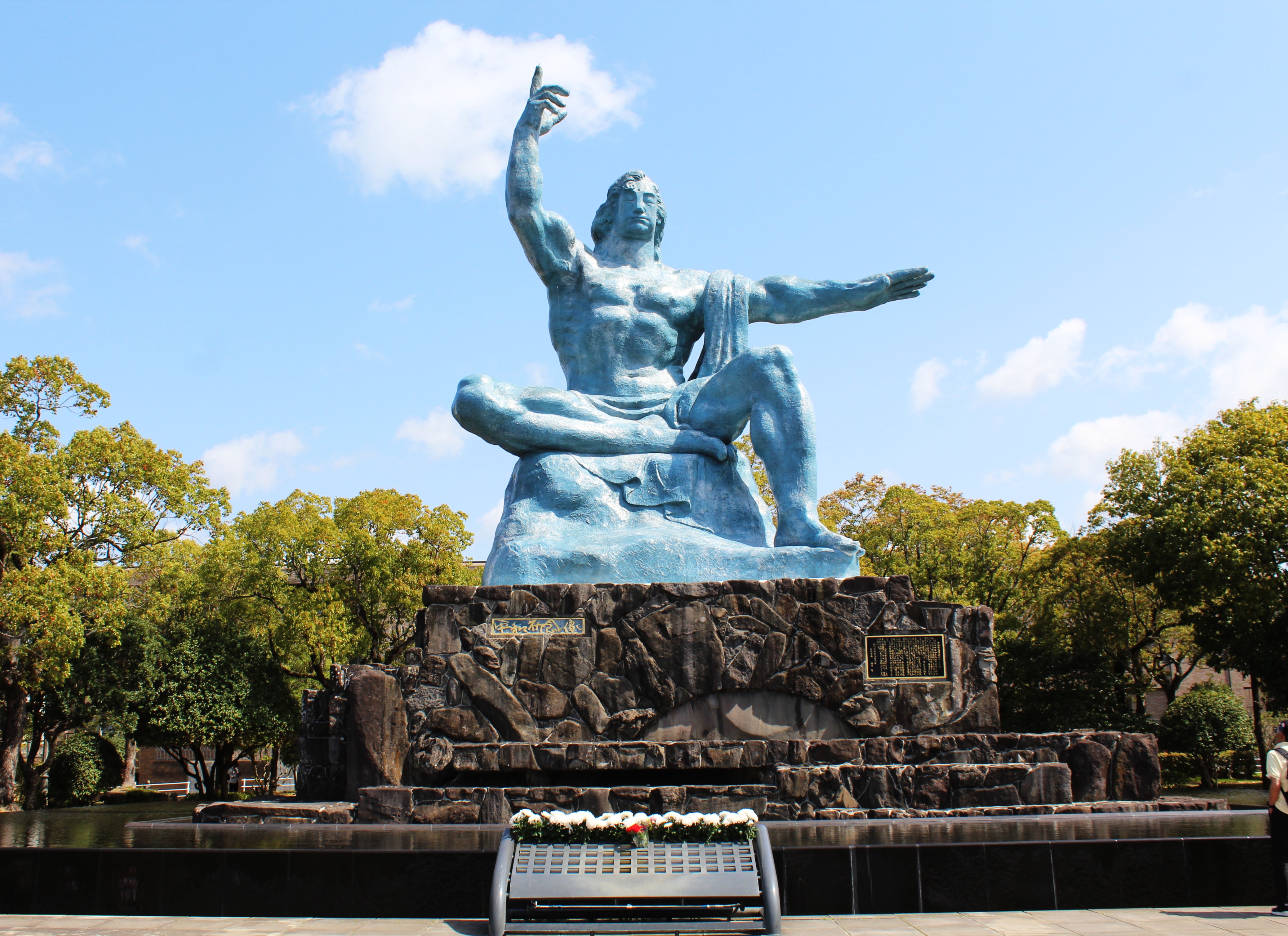
Peace statue
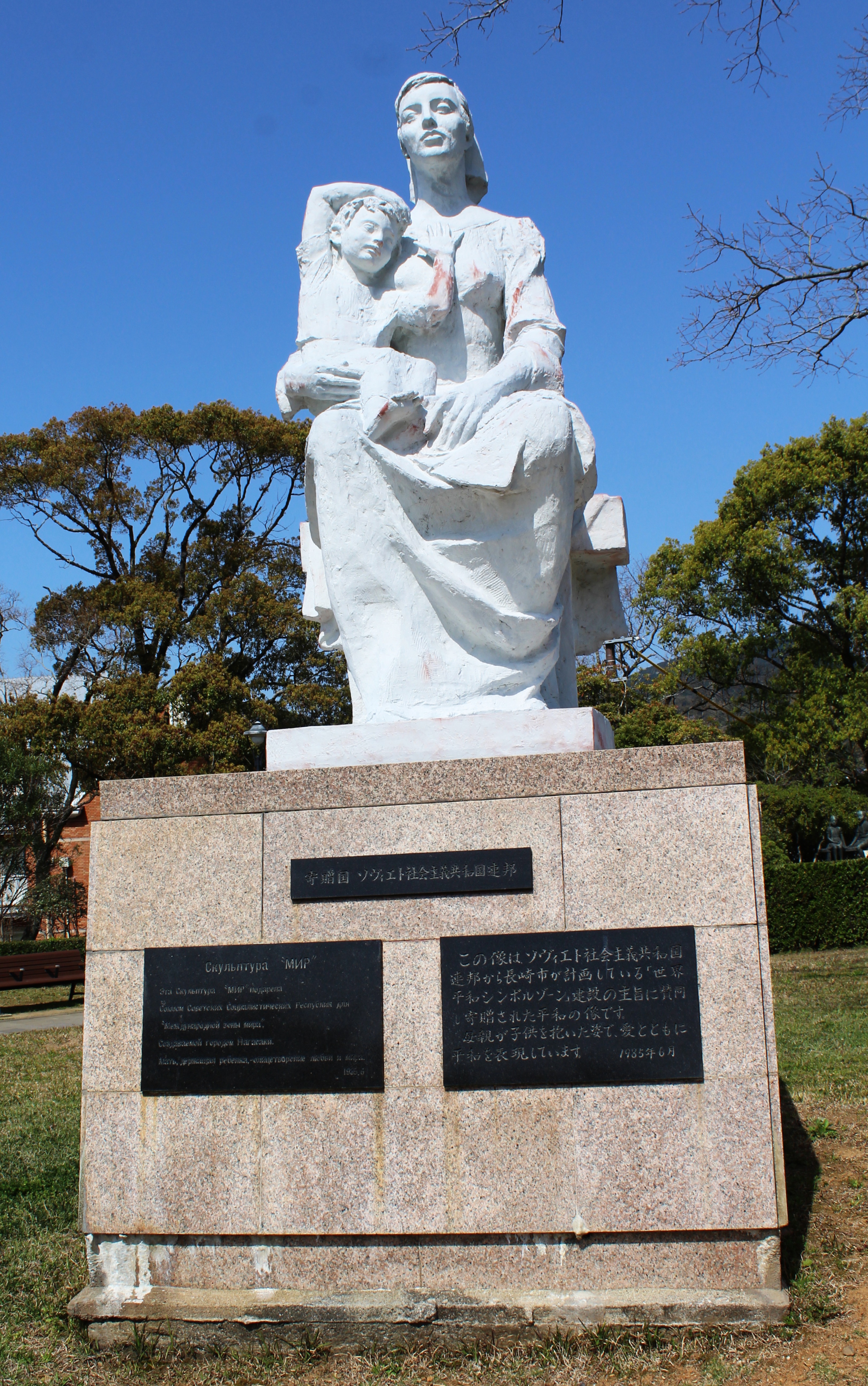
USSR
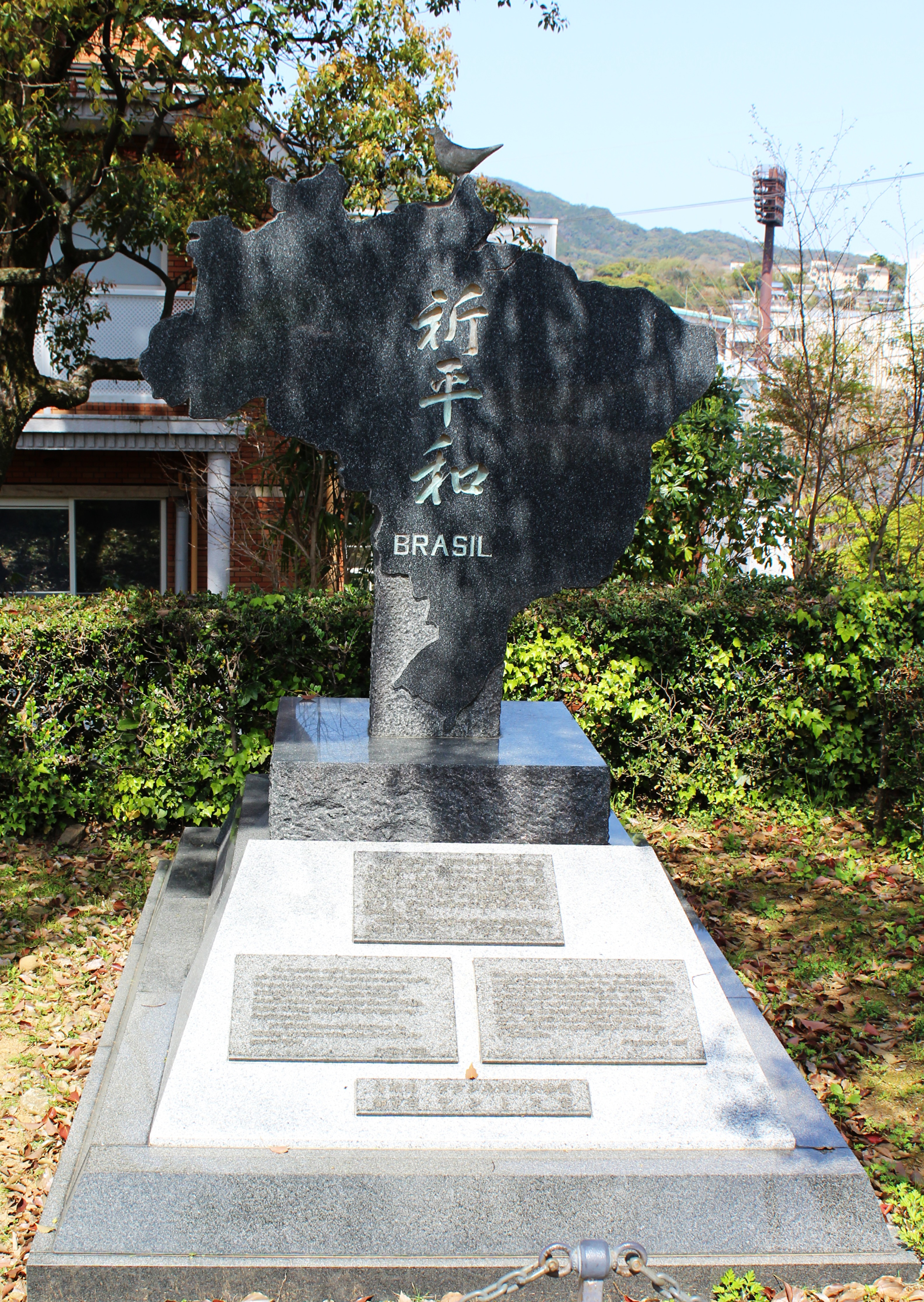
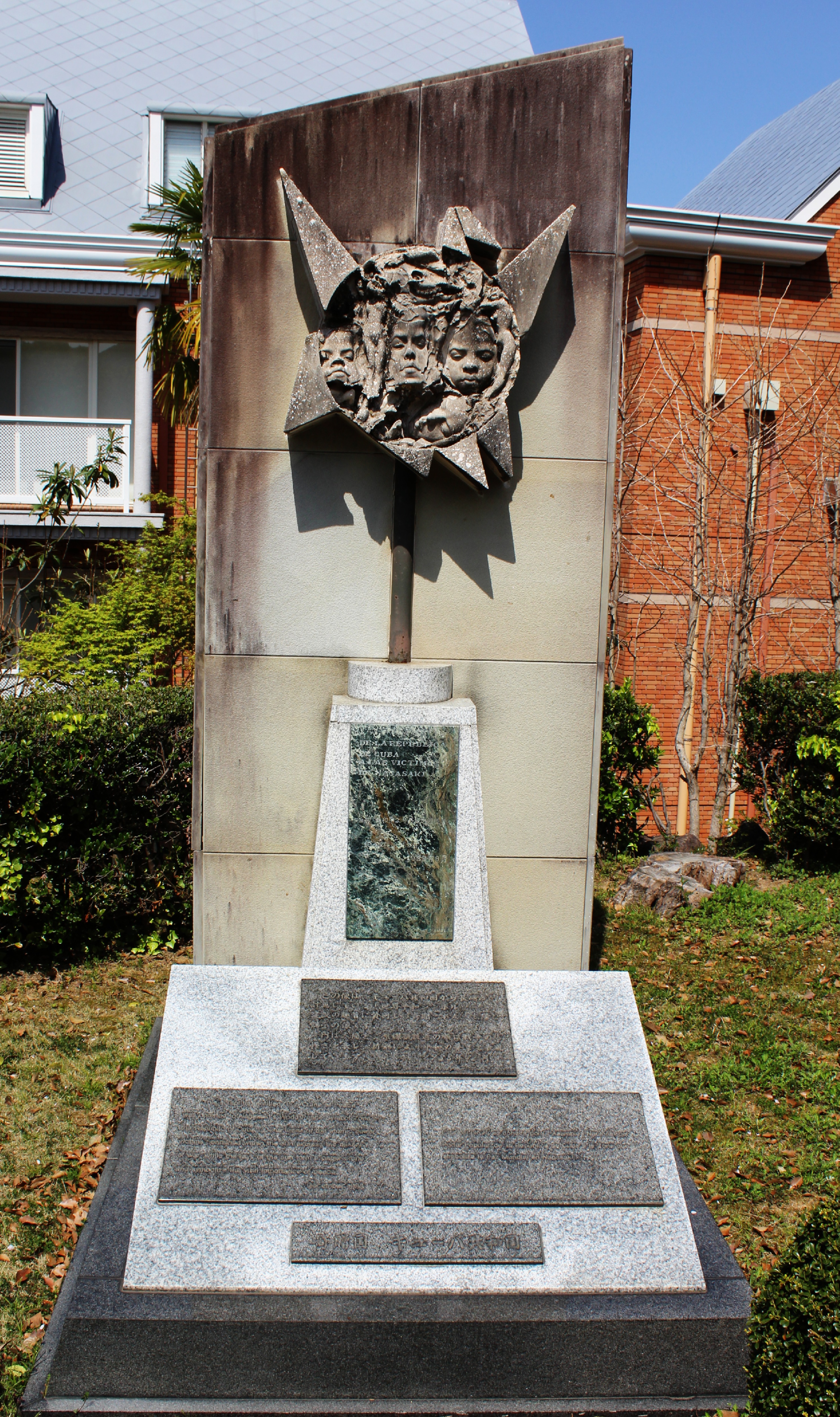
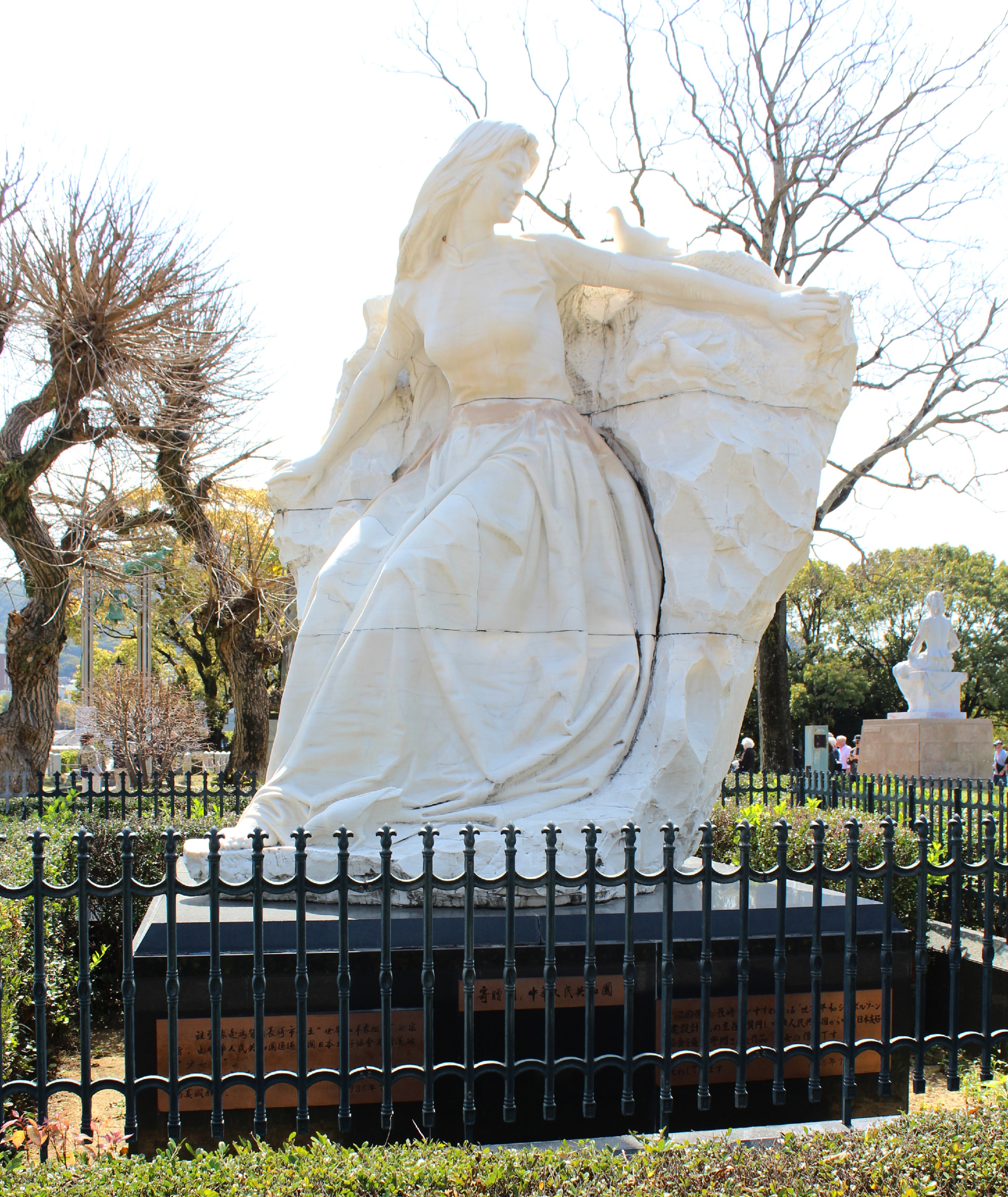
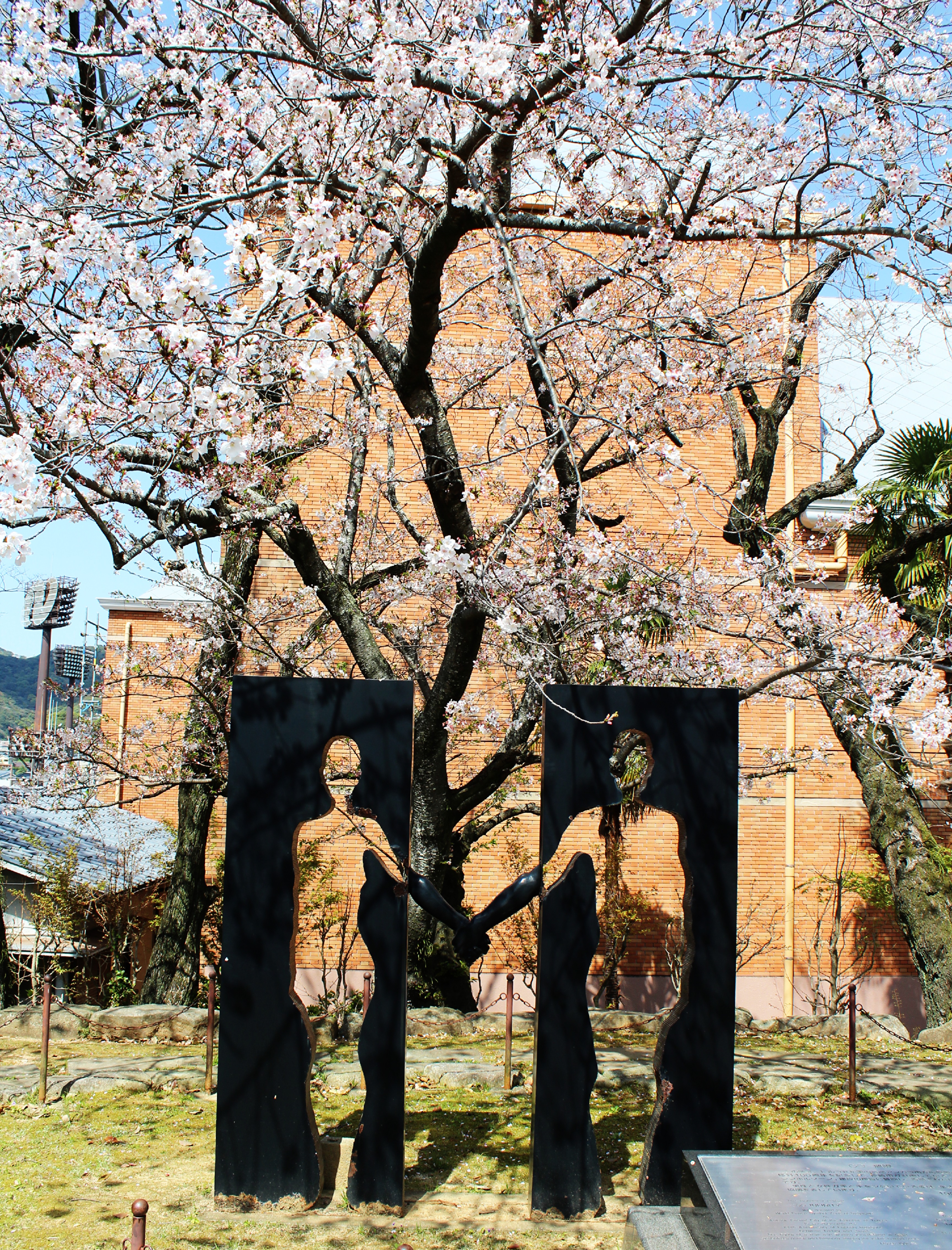
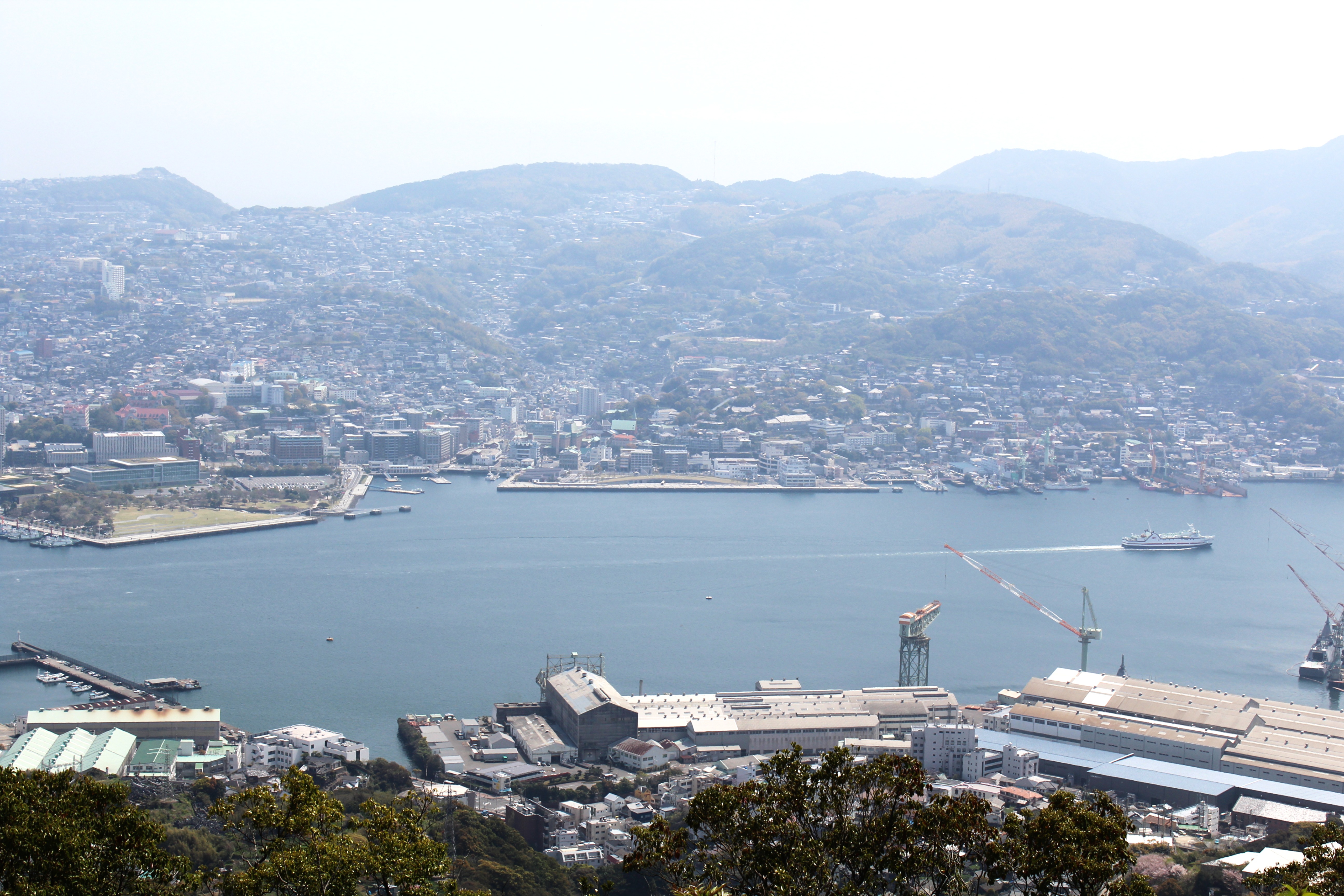
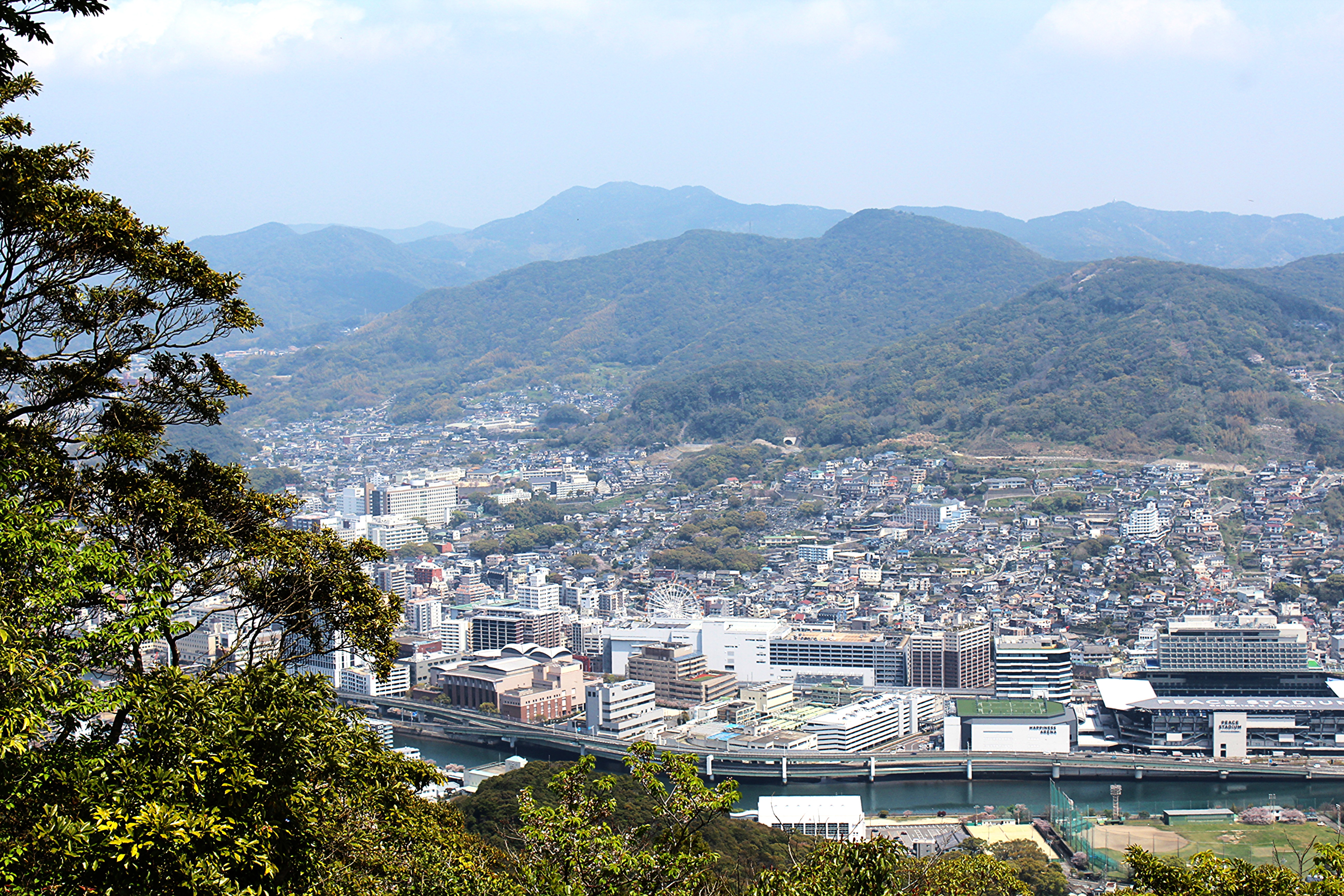
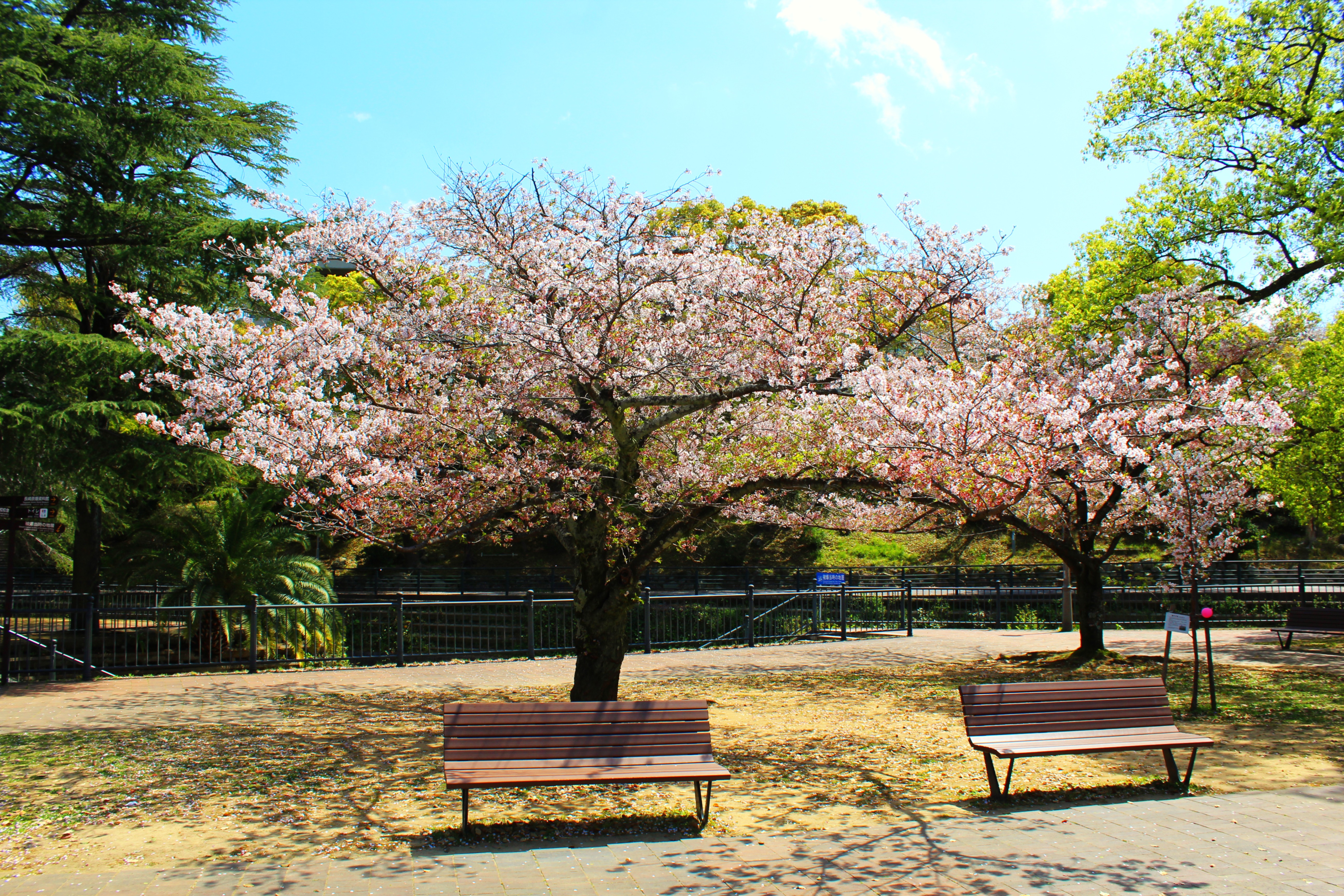
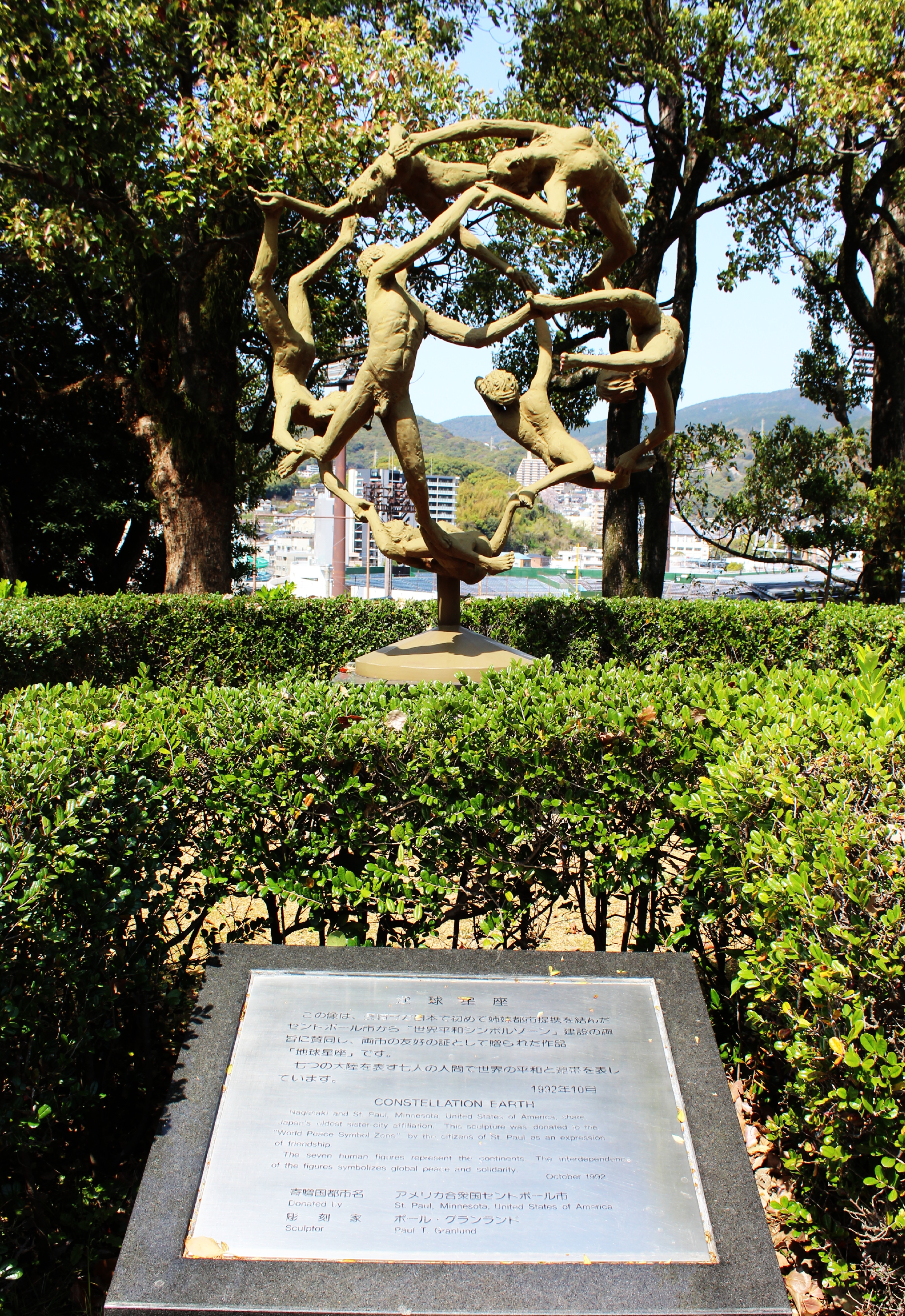 After a day of viewing the museum and the park, we wandered out to the “slope car” to get to the hilltop viewing area. Great views, a little hazy but still, nice views of a reborn city. 80 years can change a lot of things. I doubt many young people in this town could tell me the significance of 9 August.
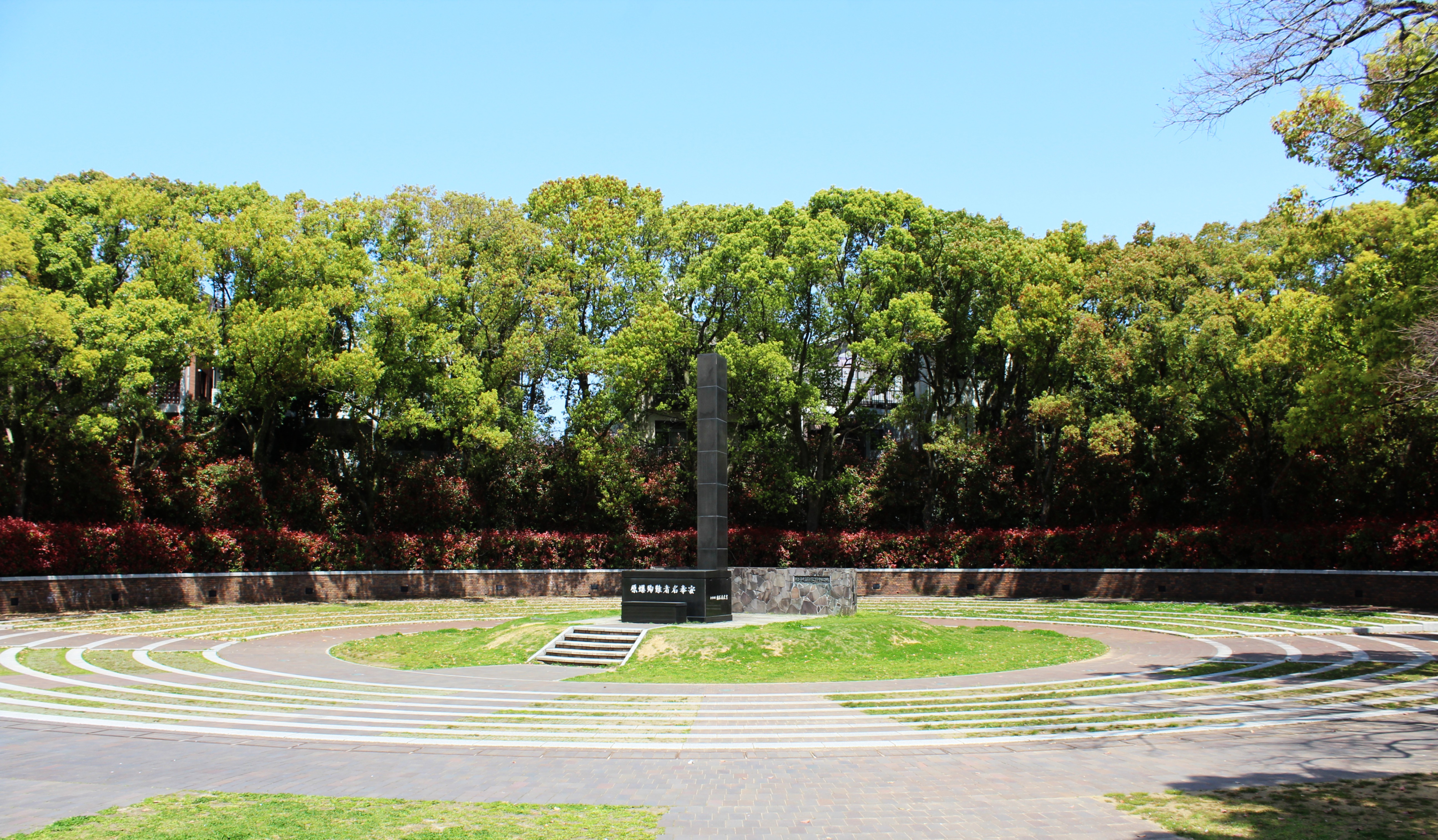
Hypocenter
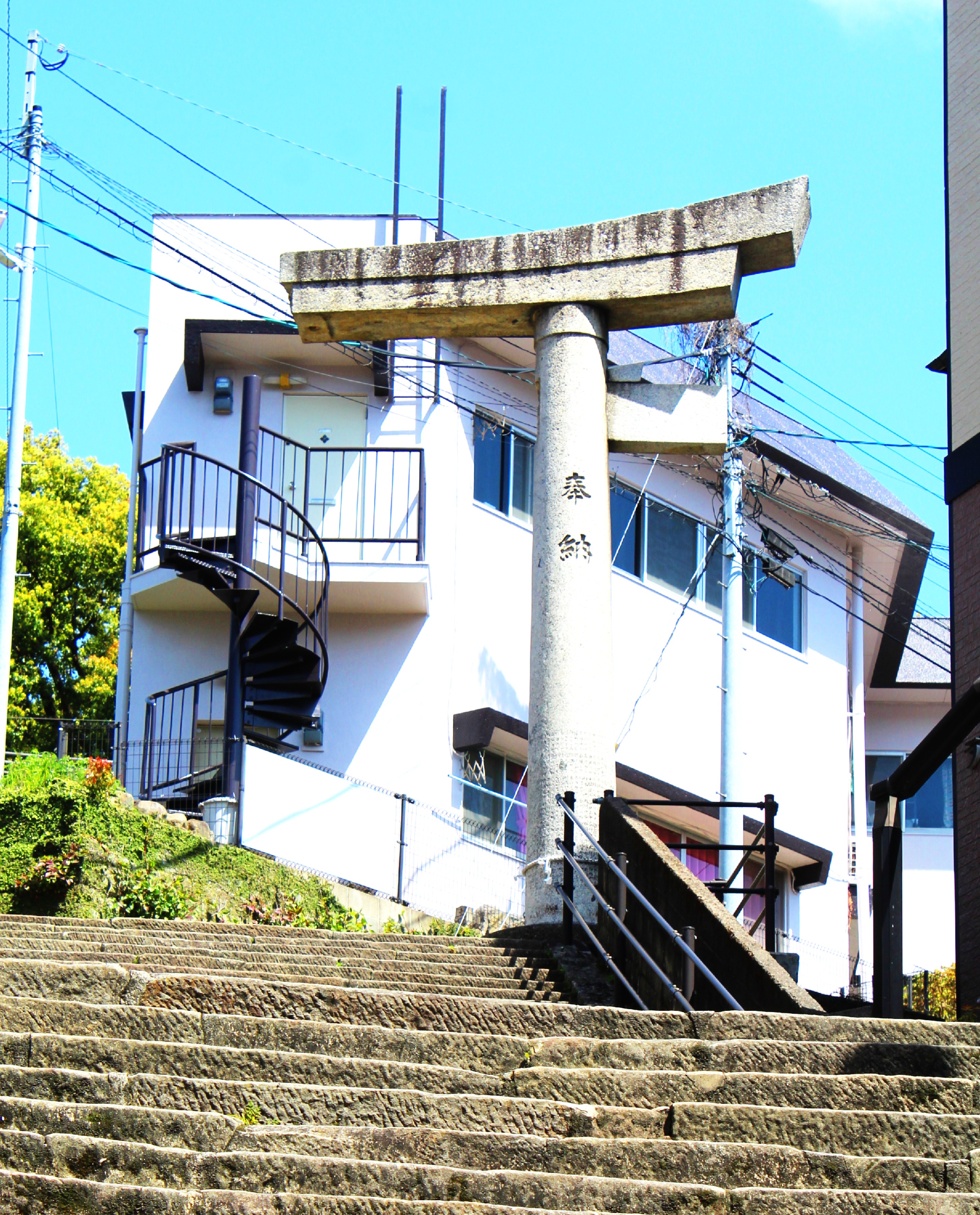
All that remains of the Tori gate
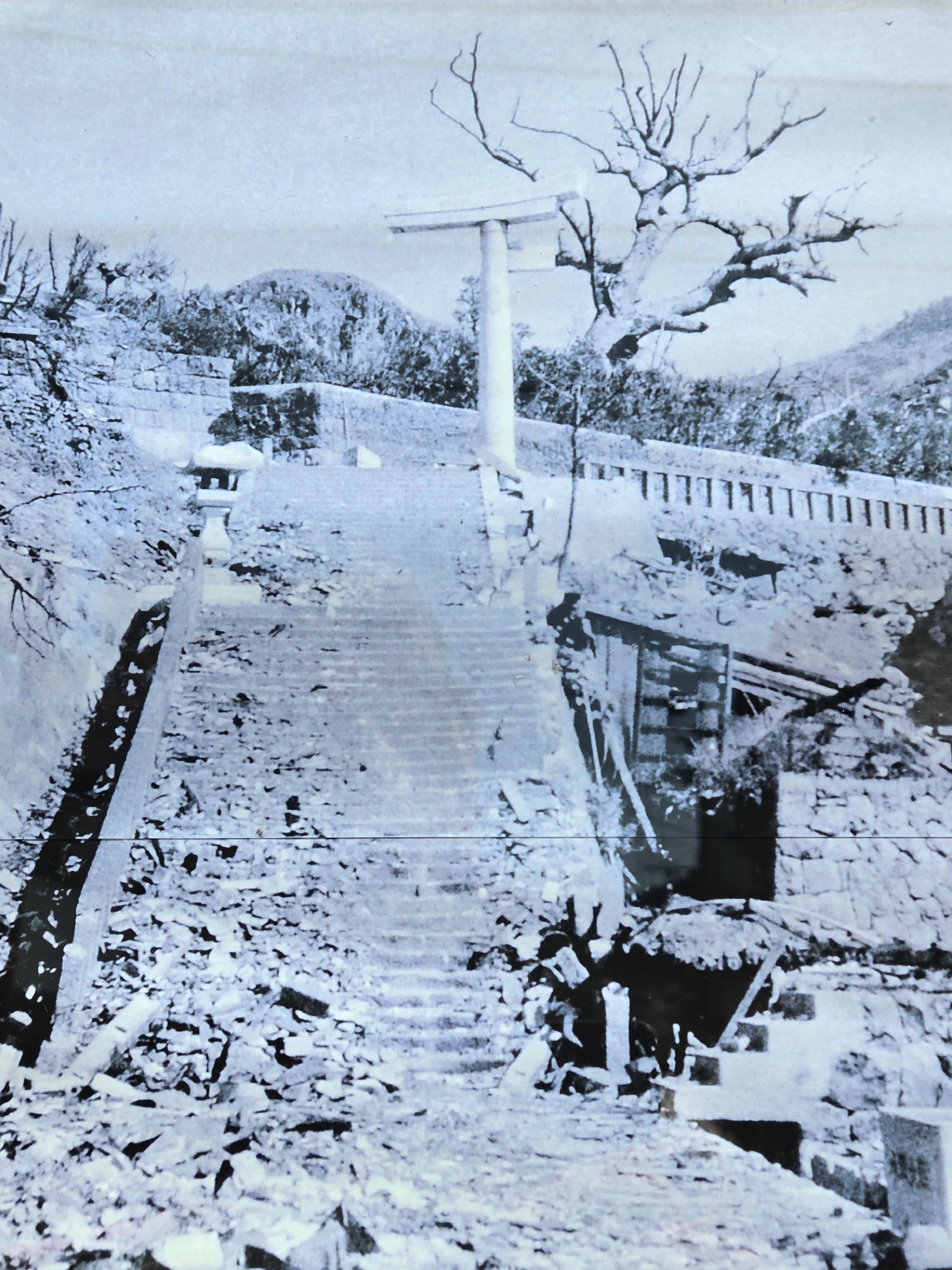
After the blast
 Tomorrow is a down day and then we travel to Nagoya, another all day train ride. Nagoya was picked so we can take another train, yes, another train, to a small town called Takayama. More to follow…
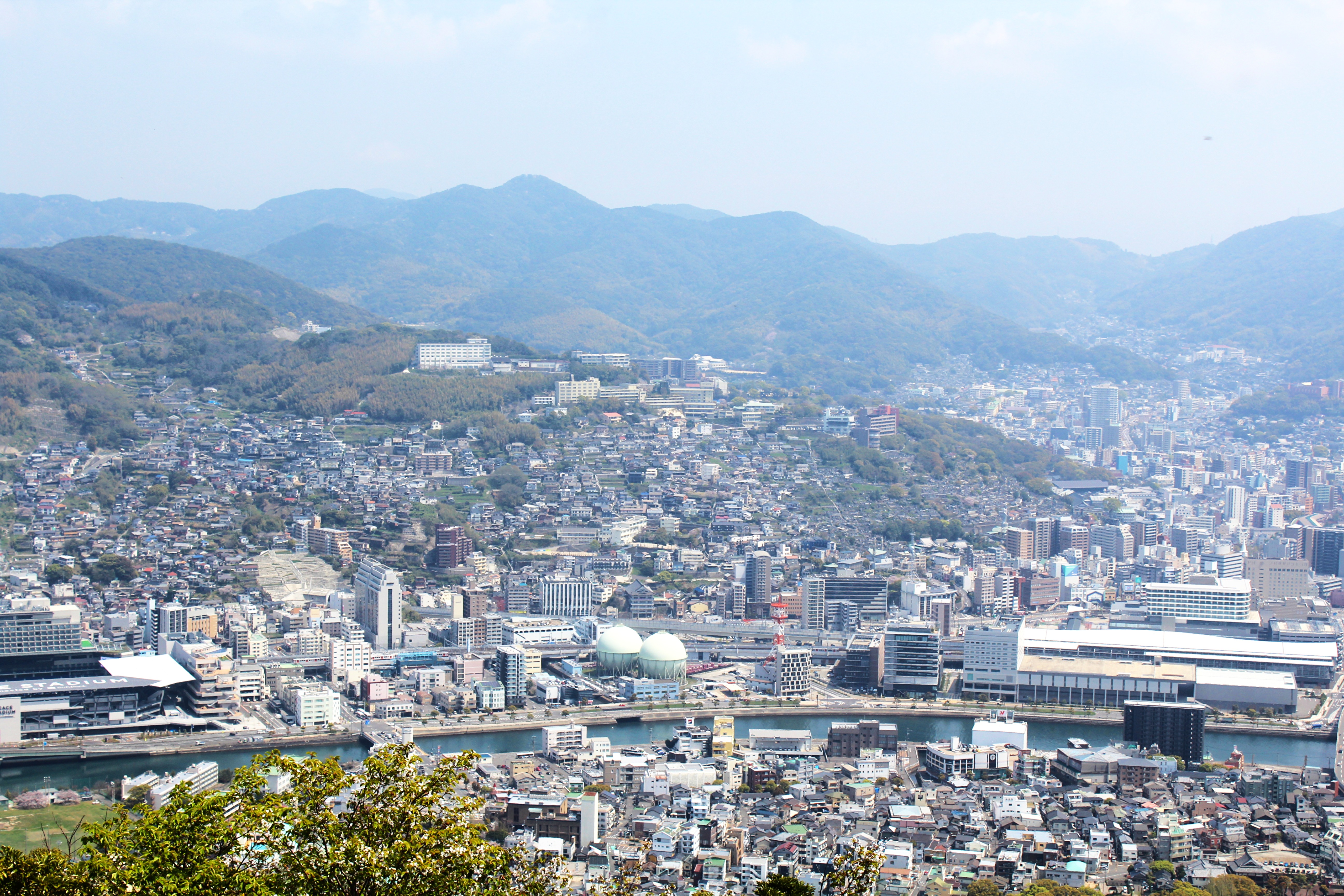
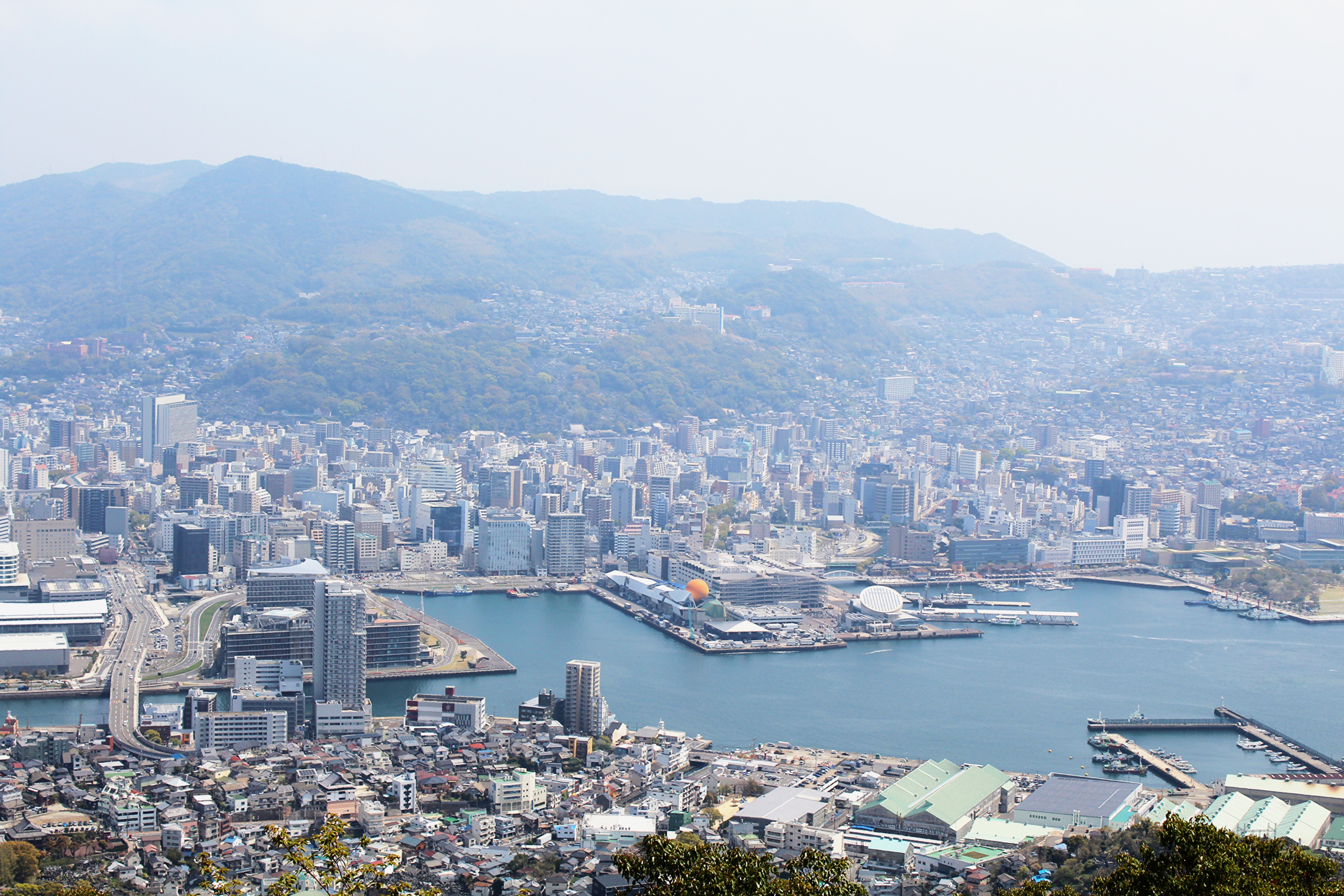
Life after 80 years…