A Hard Day Touring in Tokyo
At it first thing this morning. Had a wonderful included breakfast at the hotel, well, not really. Found out soon that breakfast here in good ole Japan is the same as lunch or dinner. The buffet had a nice selection of fish, rice, chicken and pasta, salad, scrambled egg soup, miso soup, unsweetened yogurt, fruit cocktail, corn flakes, and a granola like product. Damn, we eatin now!
So, after three bowls of yogurt and a raw egg (thought it was a hard-boiled egg when I got it), we’re off to see the Imperial Palace sites. Our tour guide, Raya, was on her first tour as a solo guide and was a bit skittish but she was great. She navigated the crowds like a pro and didn’t lose everyone, just a couple. Anyway, great start to what looks to be a wonderful tour.
First stop, Senso-Ji temple at the Imperial Palace grounds. Yes, the Emperor and his family still live here but the area where they are is guarded and walled off from the grounds. The general public is allowed inside the “royal” area twice a year; once on the Emperor’s birthday, December 23rd; and on New Years day, January 2nd. There are tours offered but these are difficult to get and have to be arranged through the Royal Household Agency. We settled for the public grounds and the hundred or so shops lining the streets selling everything from food to trinkets.
The Asakusa Senso-Ji temple was built in 1618, and the gate was built in 1649. The gate is known as the “Thunder Gate” and, like most gates, temples, castles in Japan, was destroyed by fire (either by accident or cause of war) and have been rebuilt numerous times. The latest iteration of this gate was in 1960. So, one has to think about the concept of the “Ship of Theseus”. When has reconstruction replaced the entire ancient artifact? Is it still “ancient”?
Doesn’t matter, thousands of tourists flock here every day just to see the gate and the giant red lantern that weighs in at around 1,500lbs! Housed at the sides of this gate are four gods, two on front are Shinto gods, Fujin and Raijin, the god of wind and the god of lightning. On the back side are two Buddhist gods, Tenryu and Kinryu, donated to the temple in 1978.
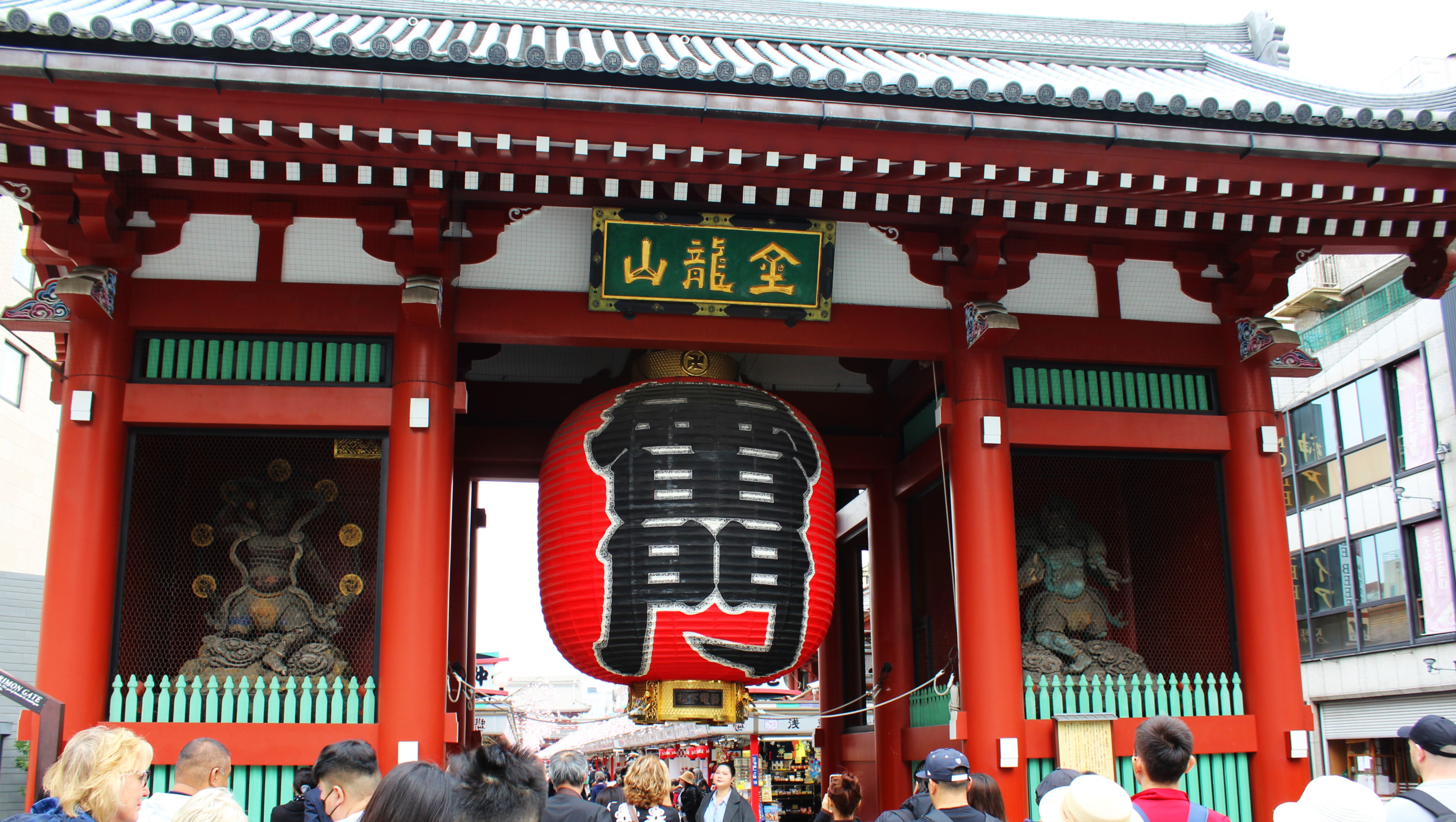
Temple Gate #1
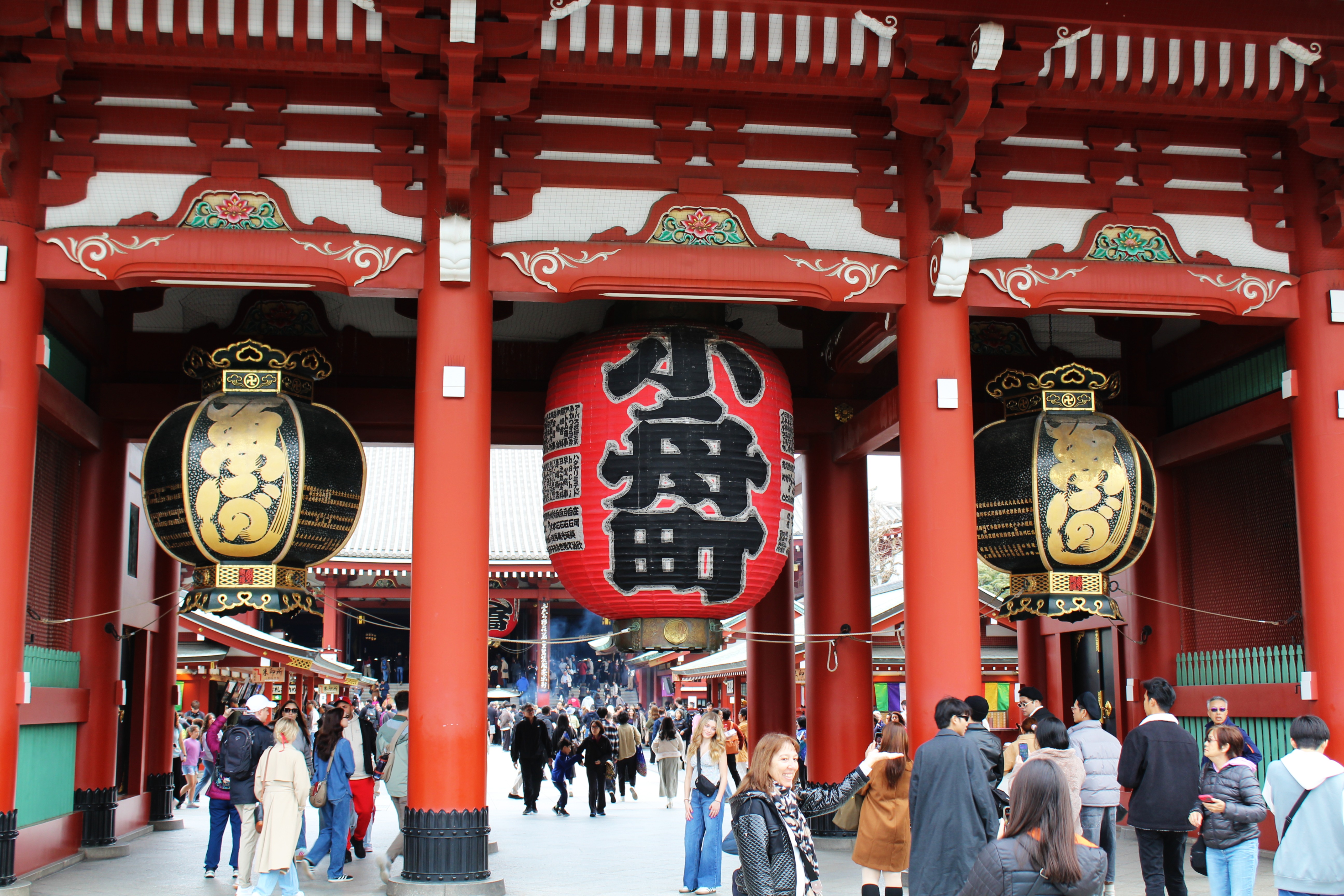
Temple Gate #2
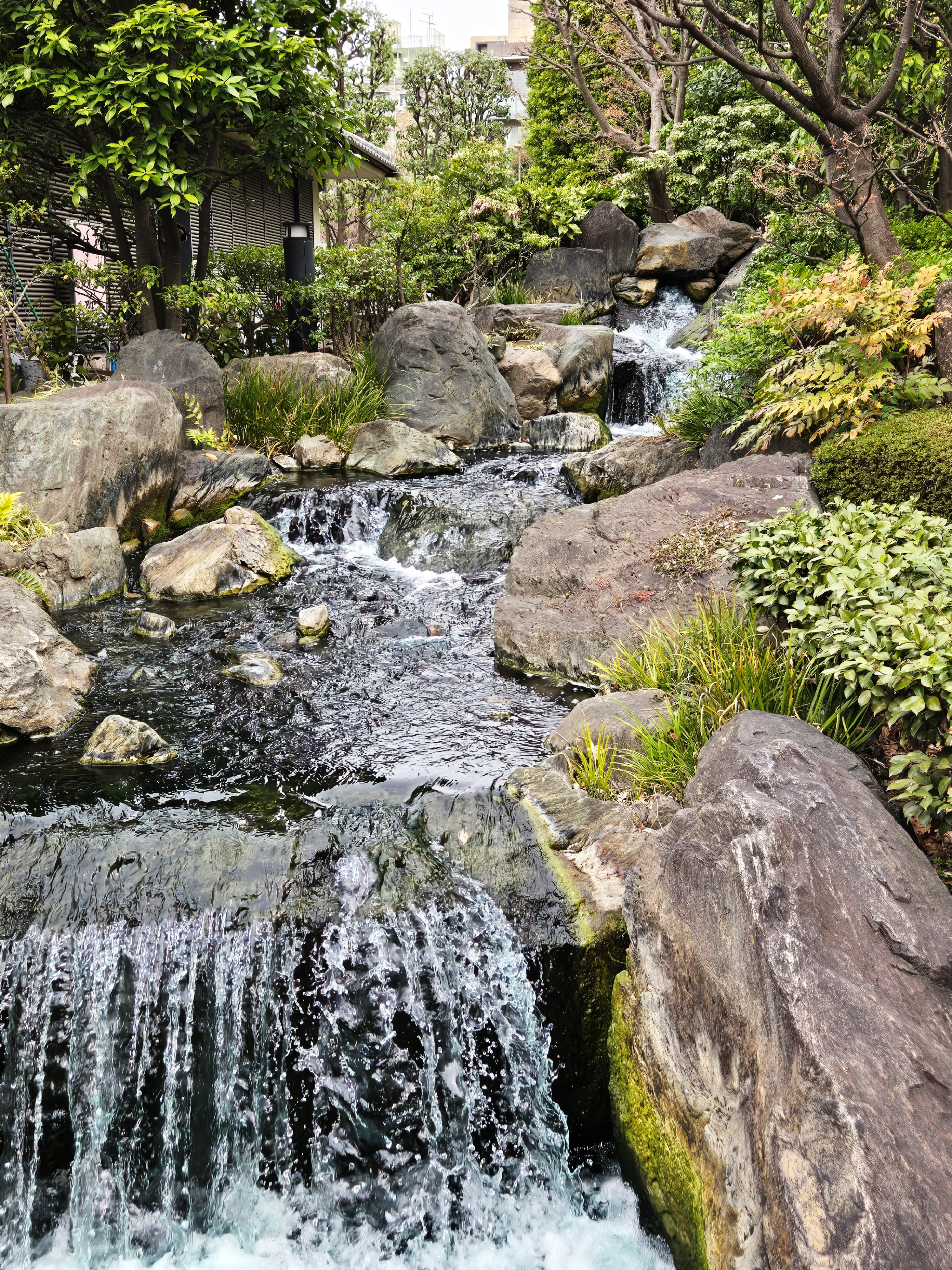
Garden
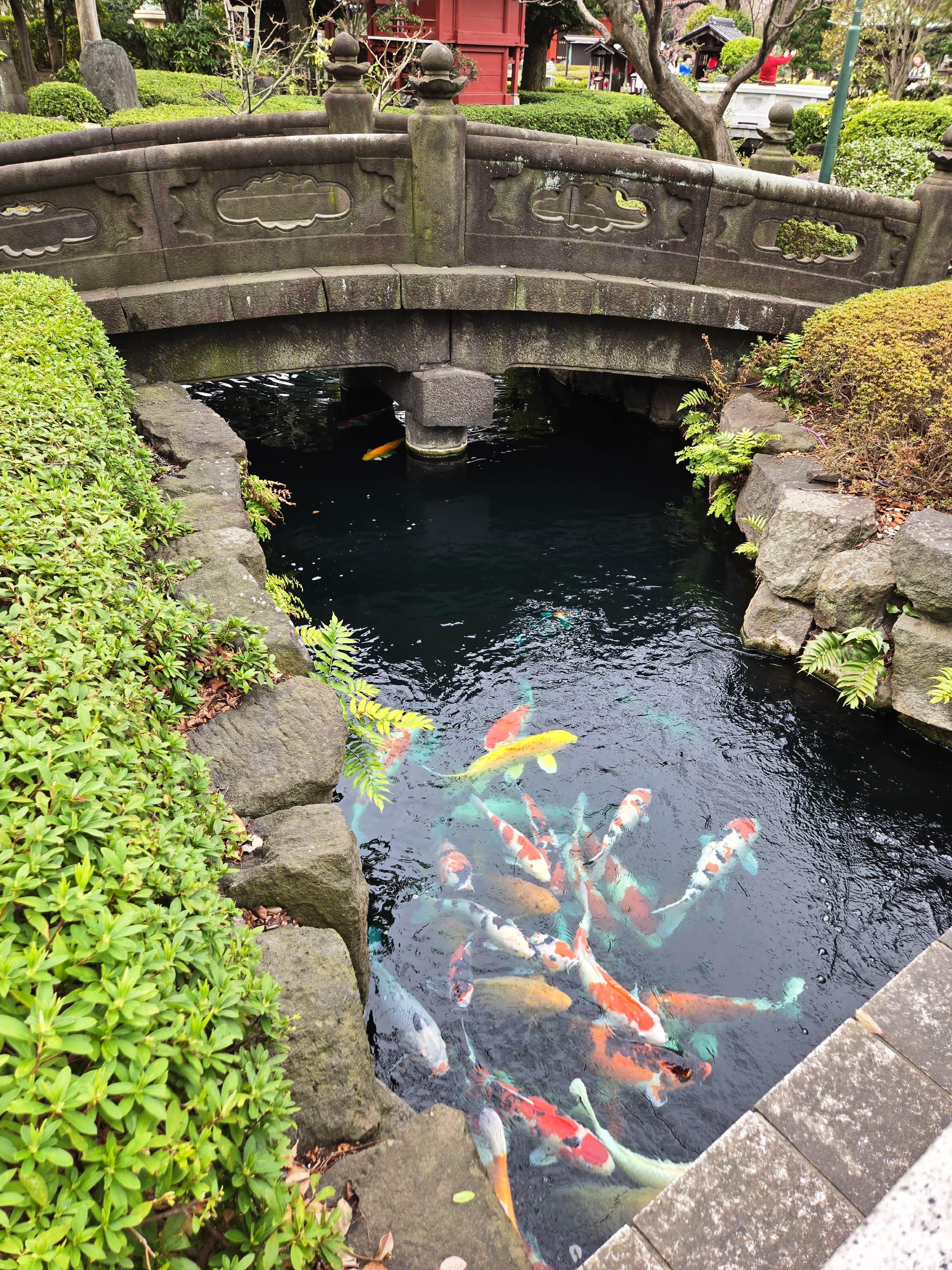
Koi pond
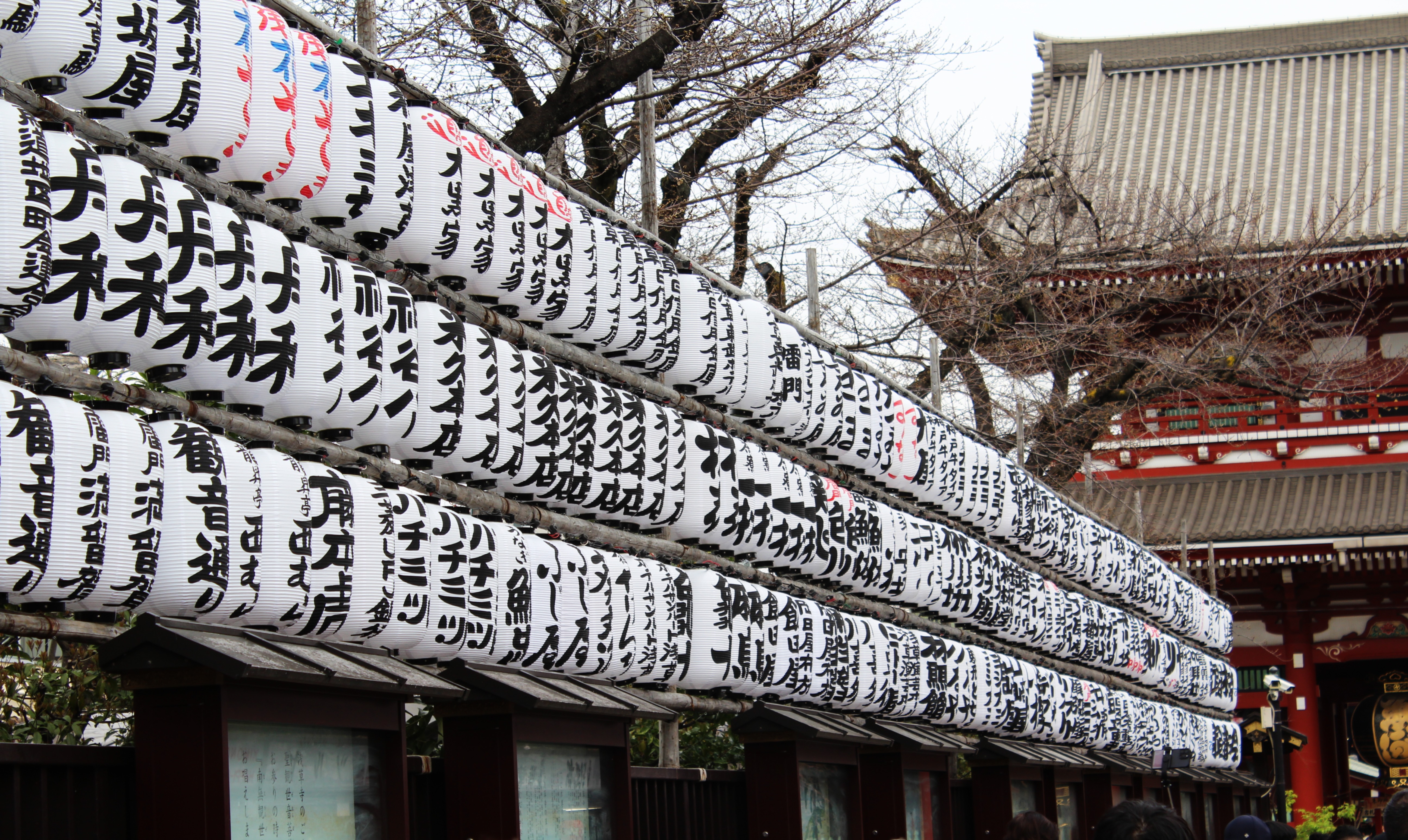
Prayer lanterns
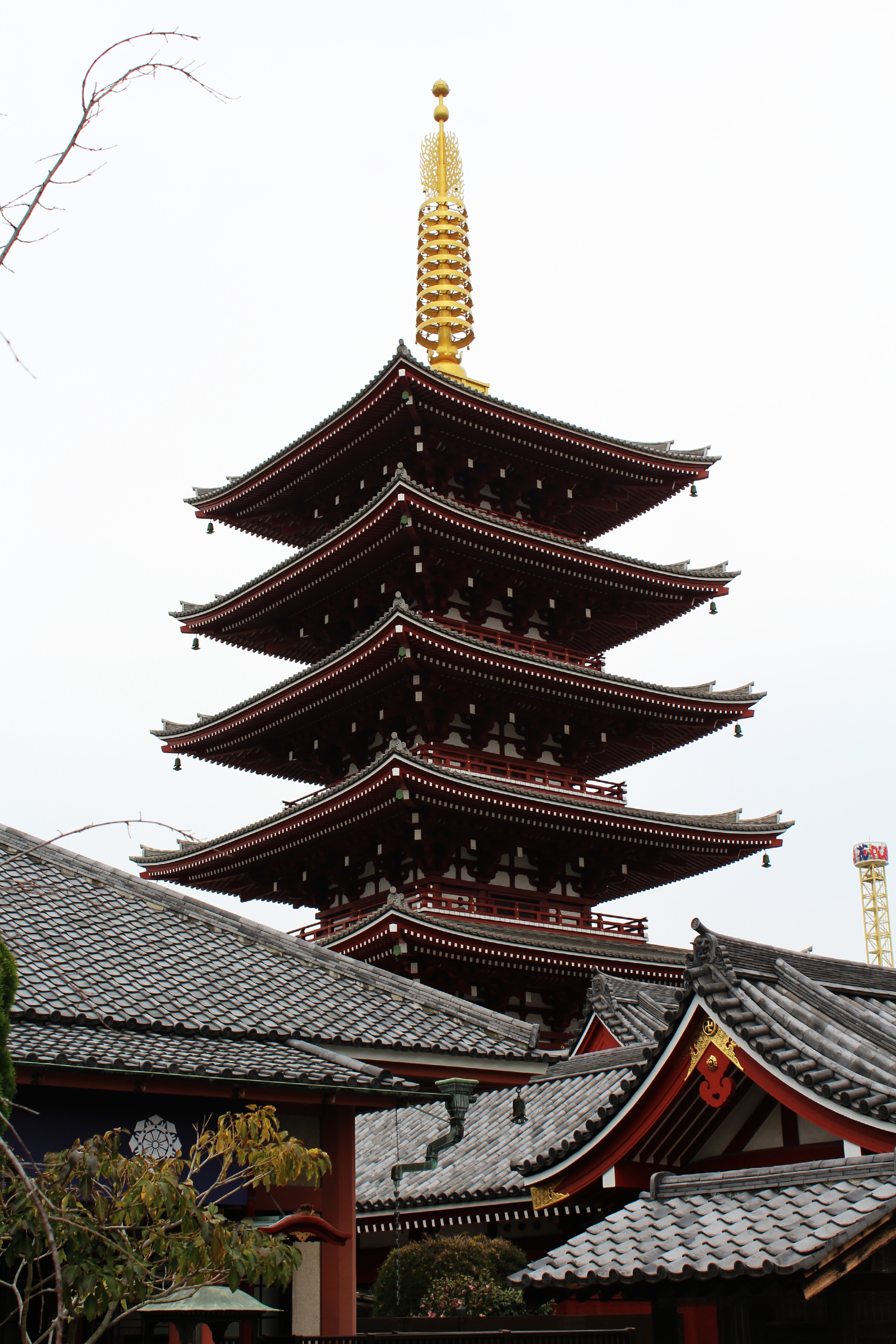
5-story pagoda
One of the neat things about temples, they all offer a chance to buy your fortune. It’s a bit of a mystery what your fortune will be, it’s determined by the stick that falls out of the can. OK, let me explain. First you put your money in the donation slot, next you pick up this wooden “can” that has numbered sticks inside. Shake the can real good, turn it over and a stick will fall out. Read the number on your stick, then find the corresponding drawer that has your fortune in it. Put the stick back in the can for someone else to get. Simple.
But what if I get a bad fortune? Not to worry, just tie the fortune paper on one of the lines next to the fortune drawers and pray it goes away. THEN, pay for another fortune. Repeat this process until you get one you like.
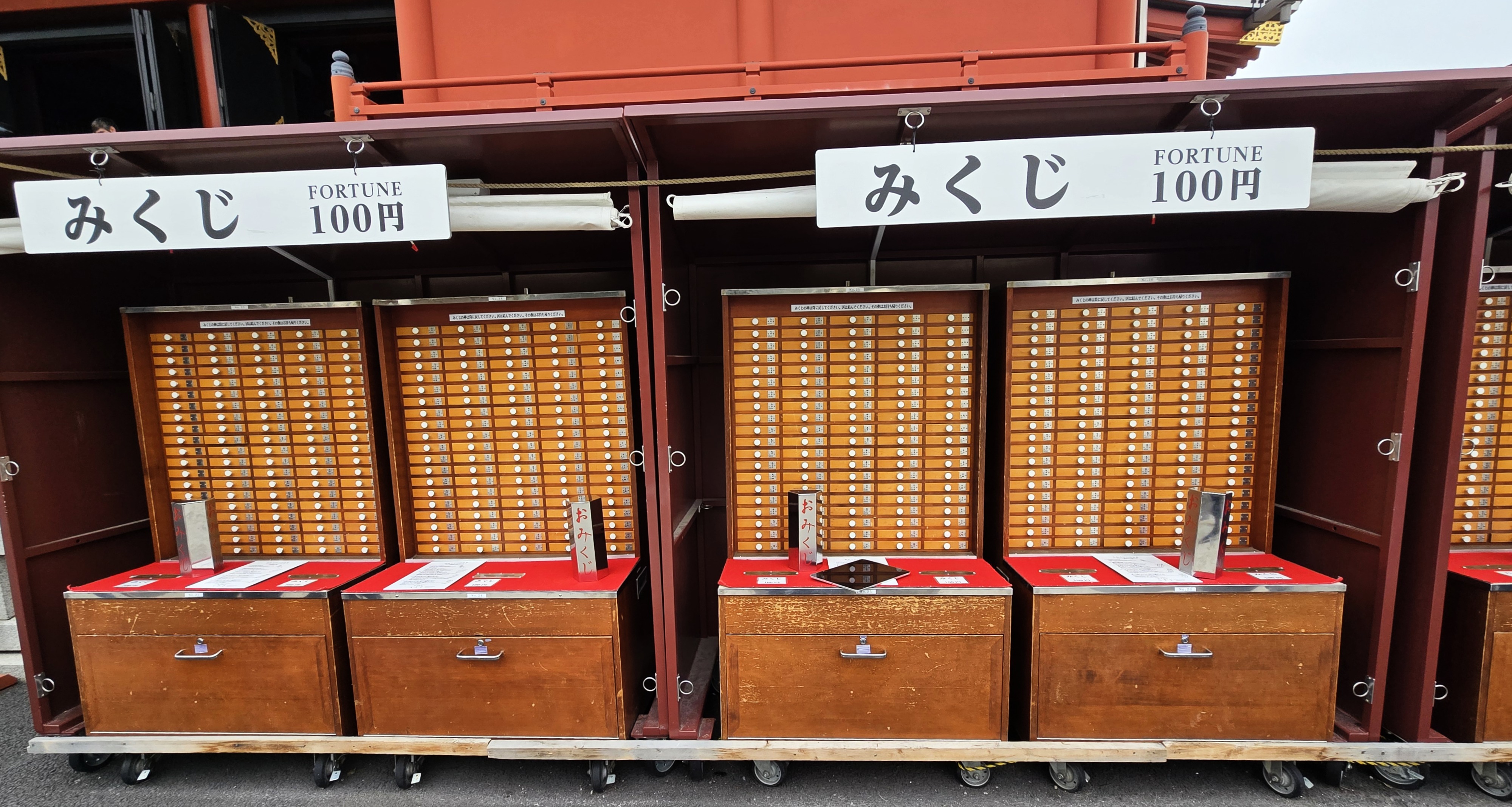
Fortunes for sale
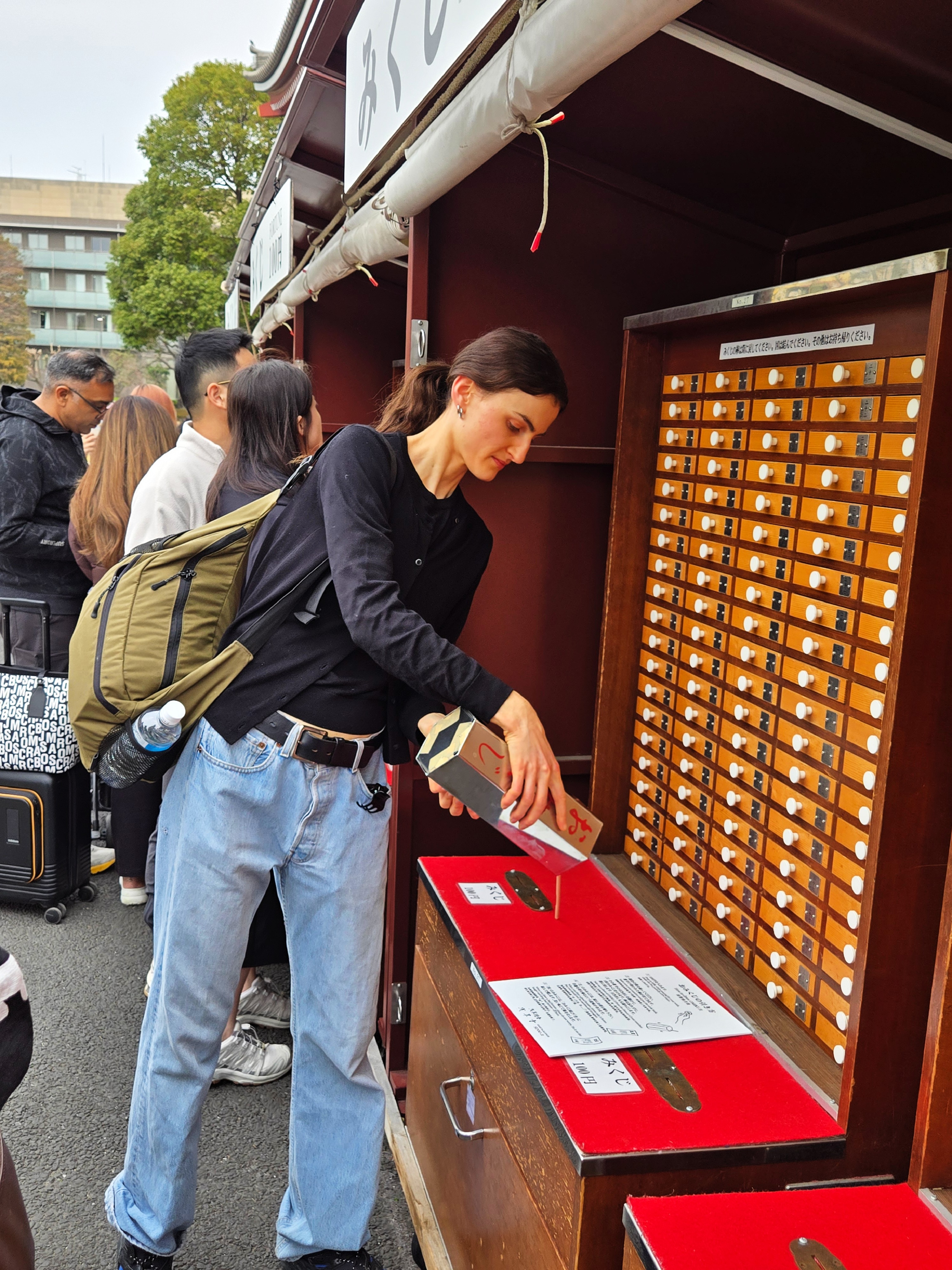
Shake the stick
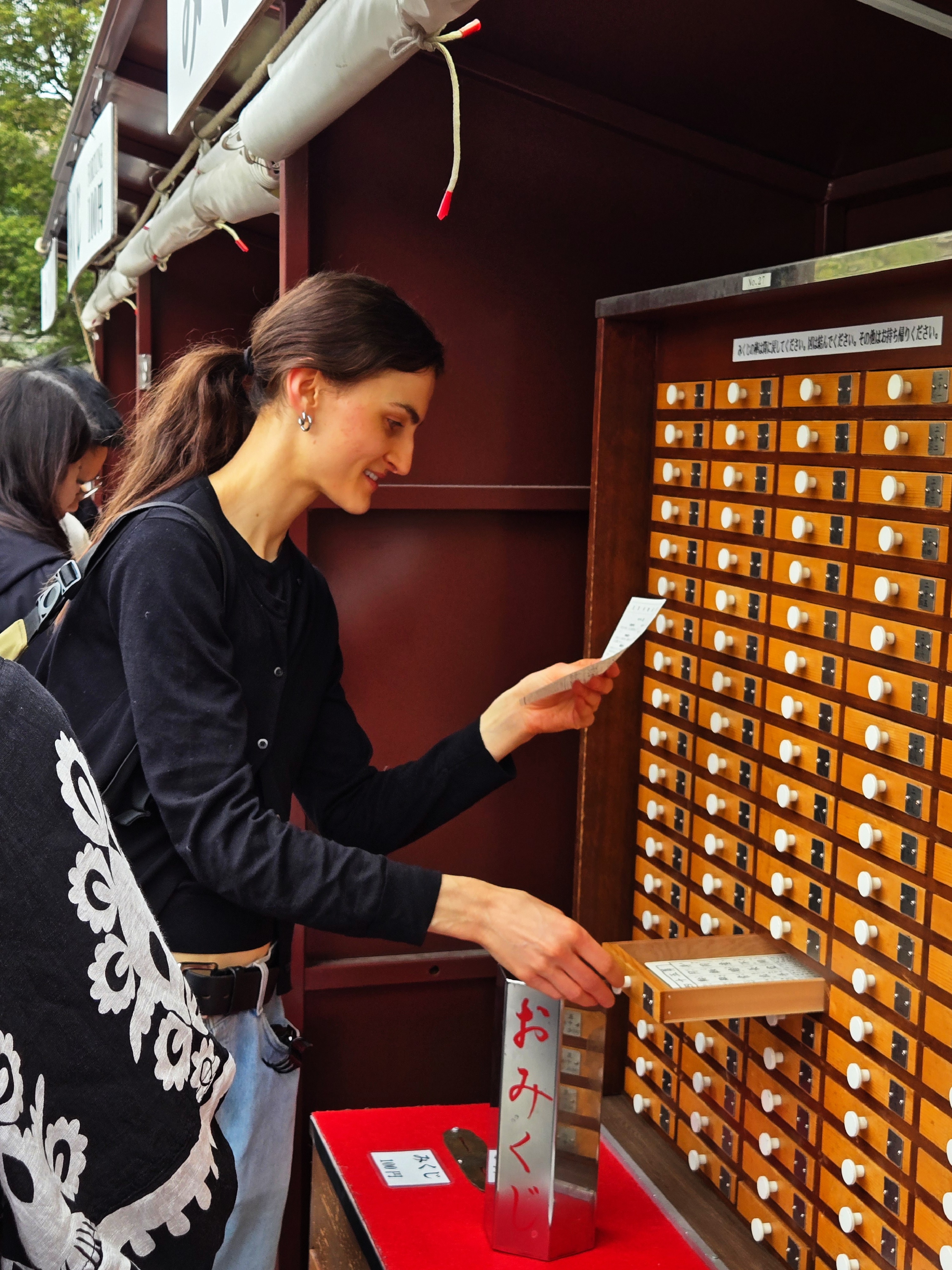
The verdict
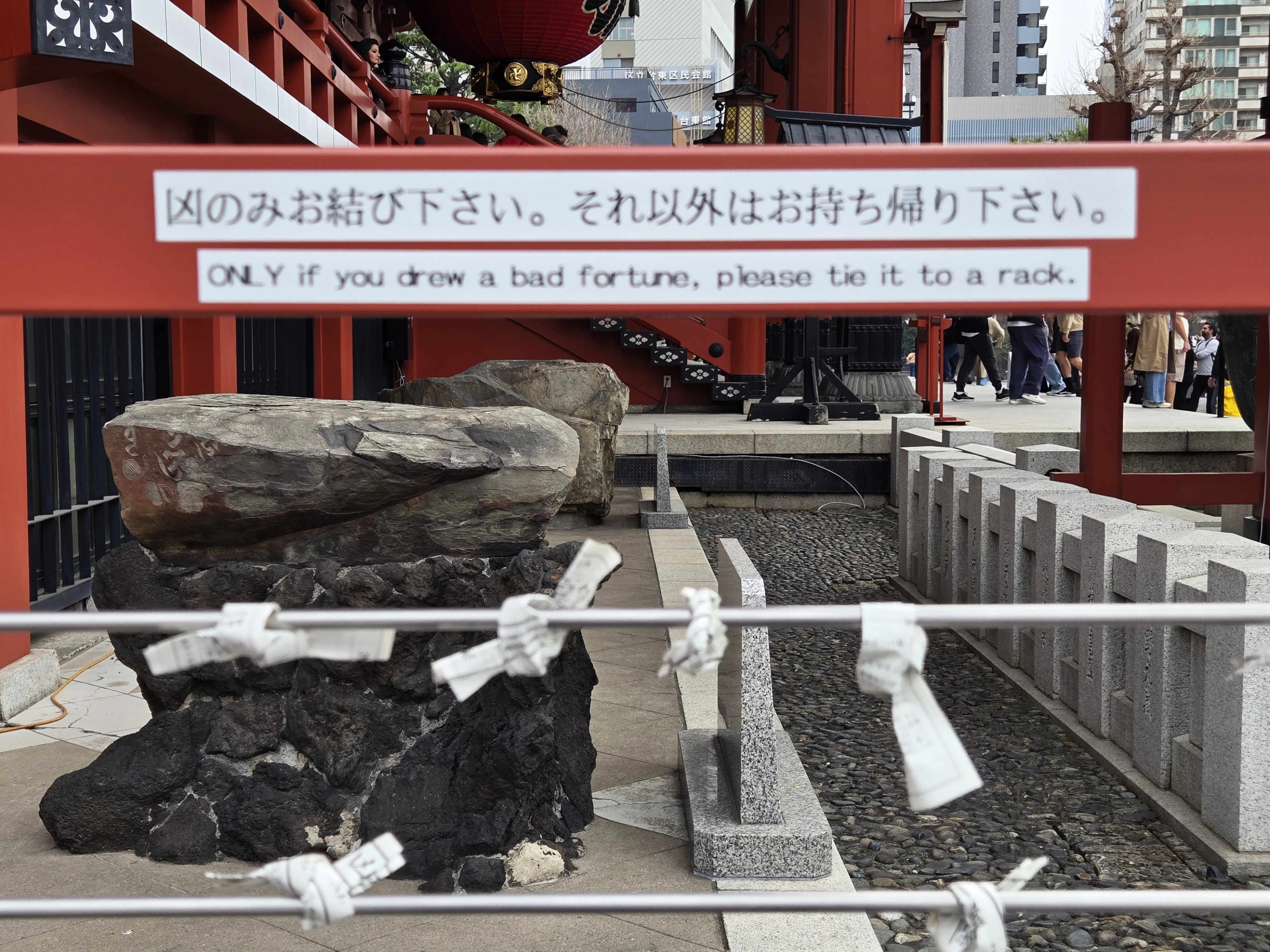
Try again!
A few pics from around the area…
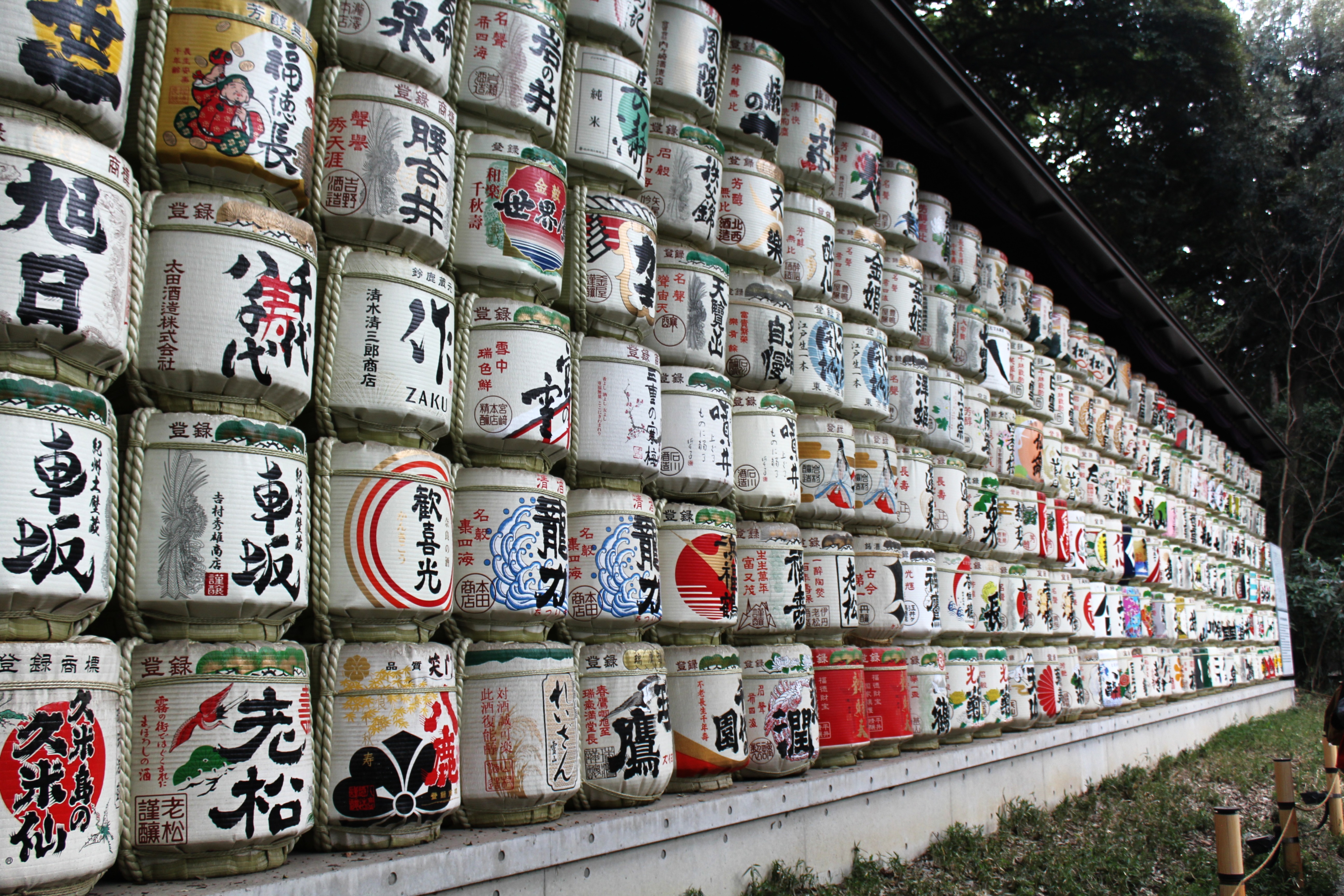
Sake barrels
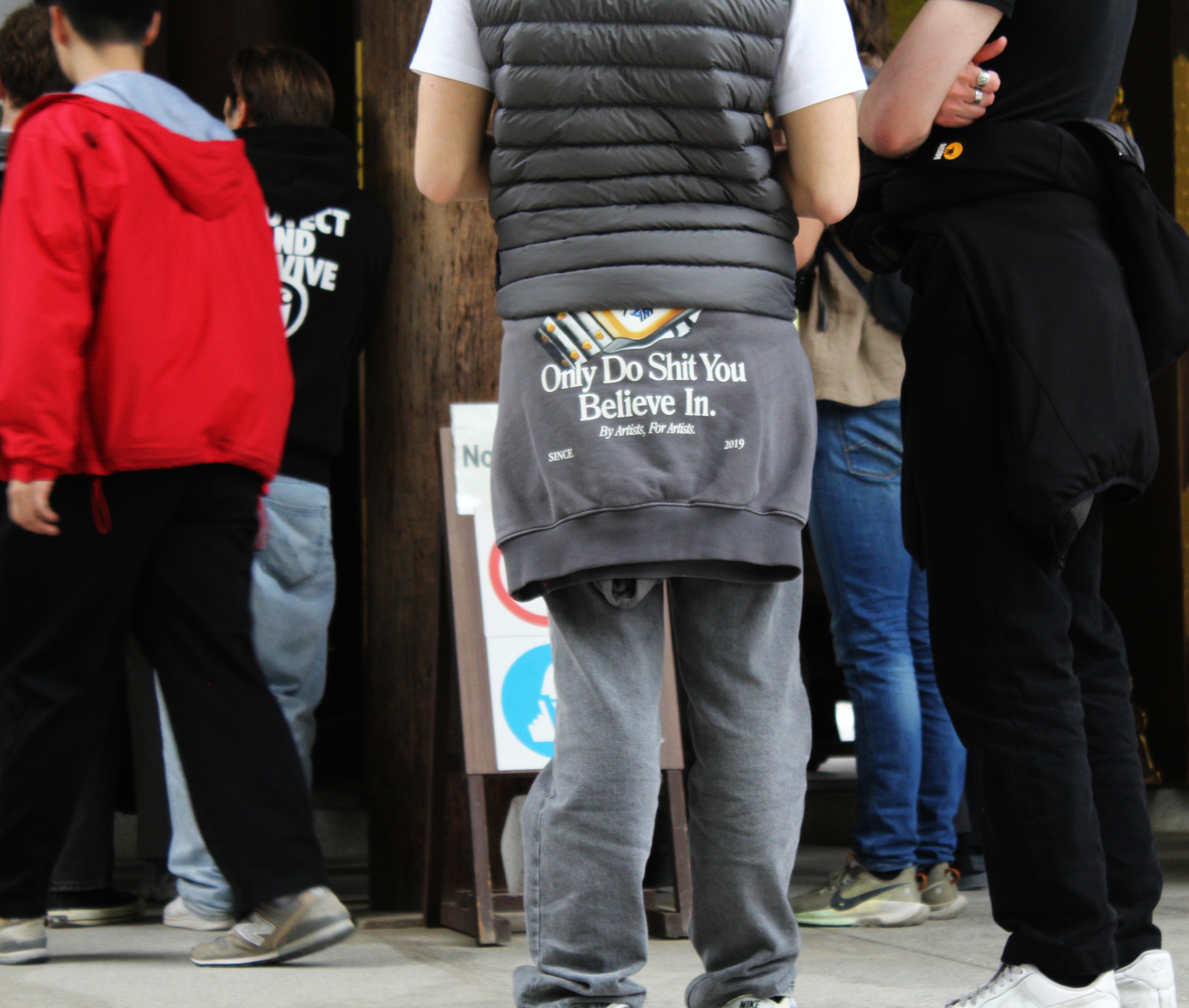
Uh-huh
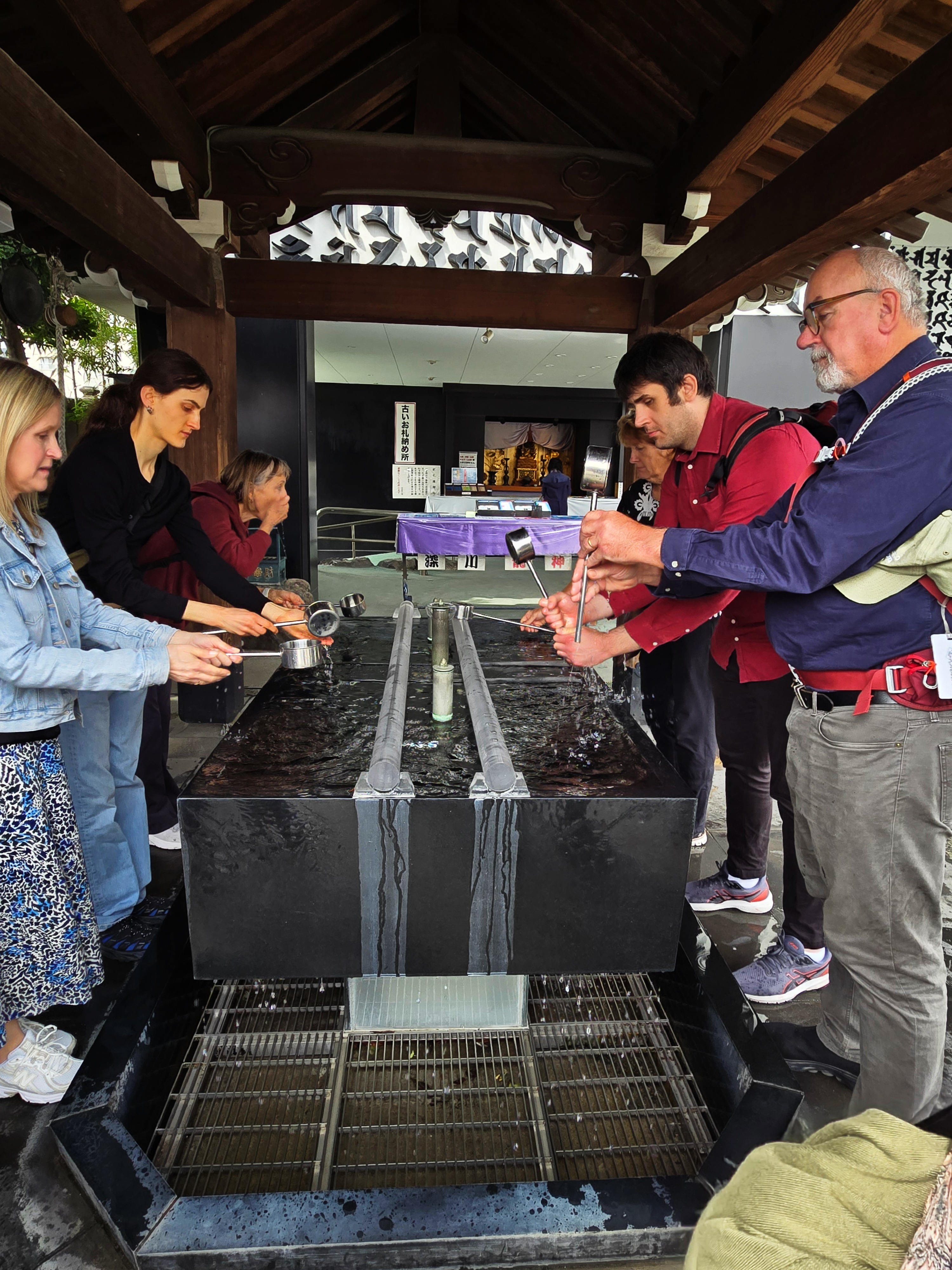
Wash your hands before entering a shrine
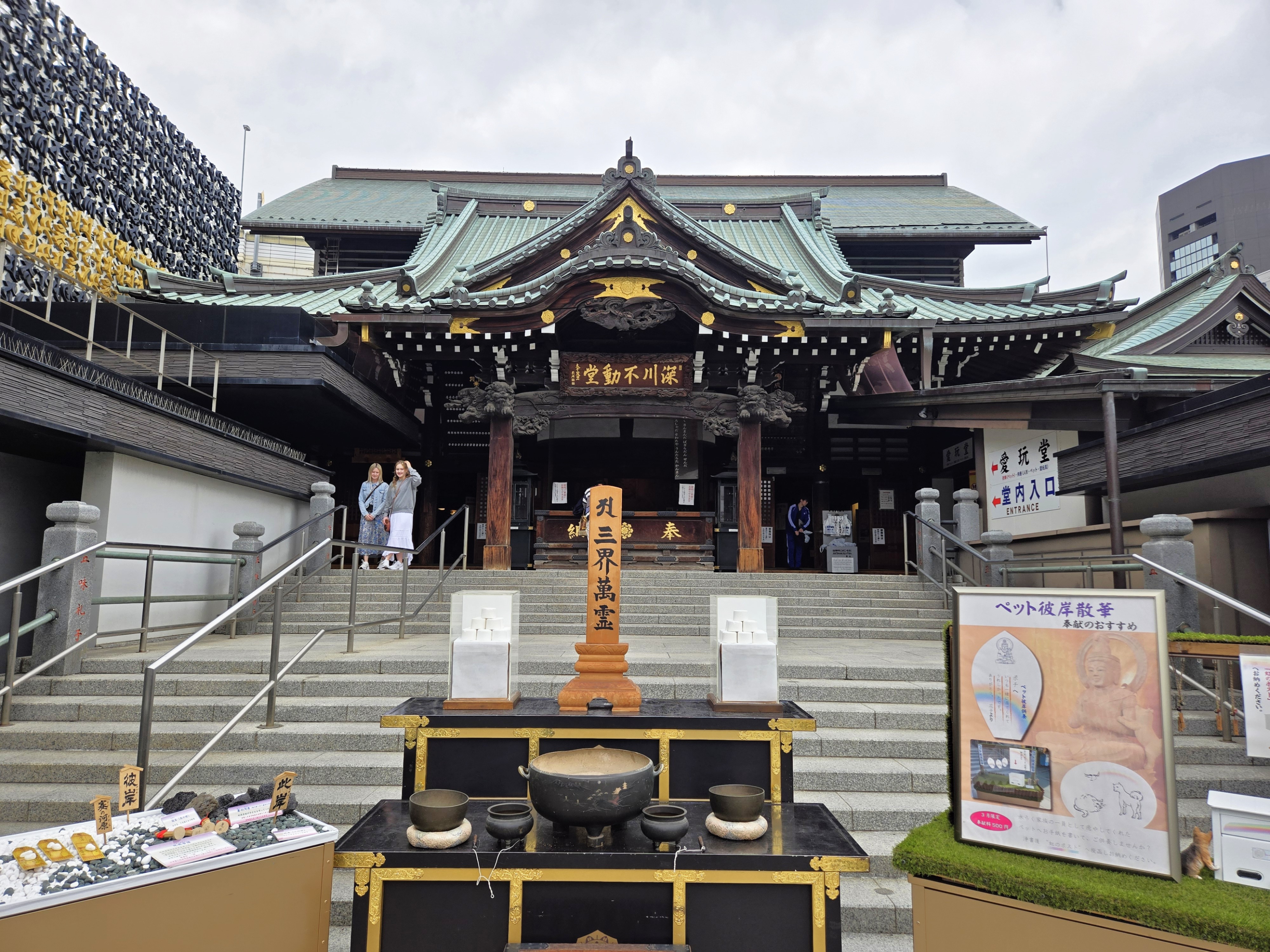
The Shrine
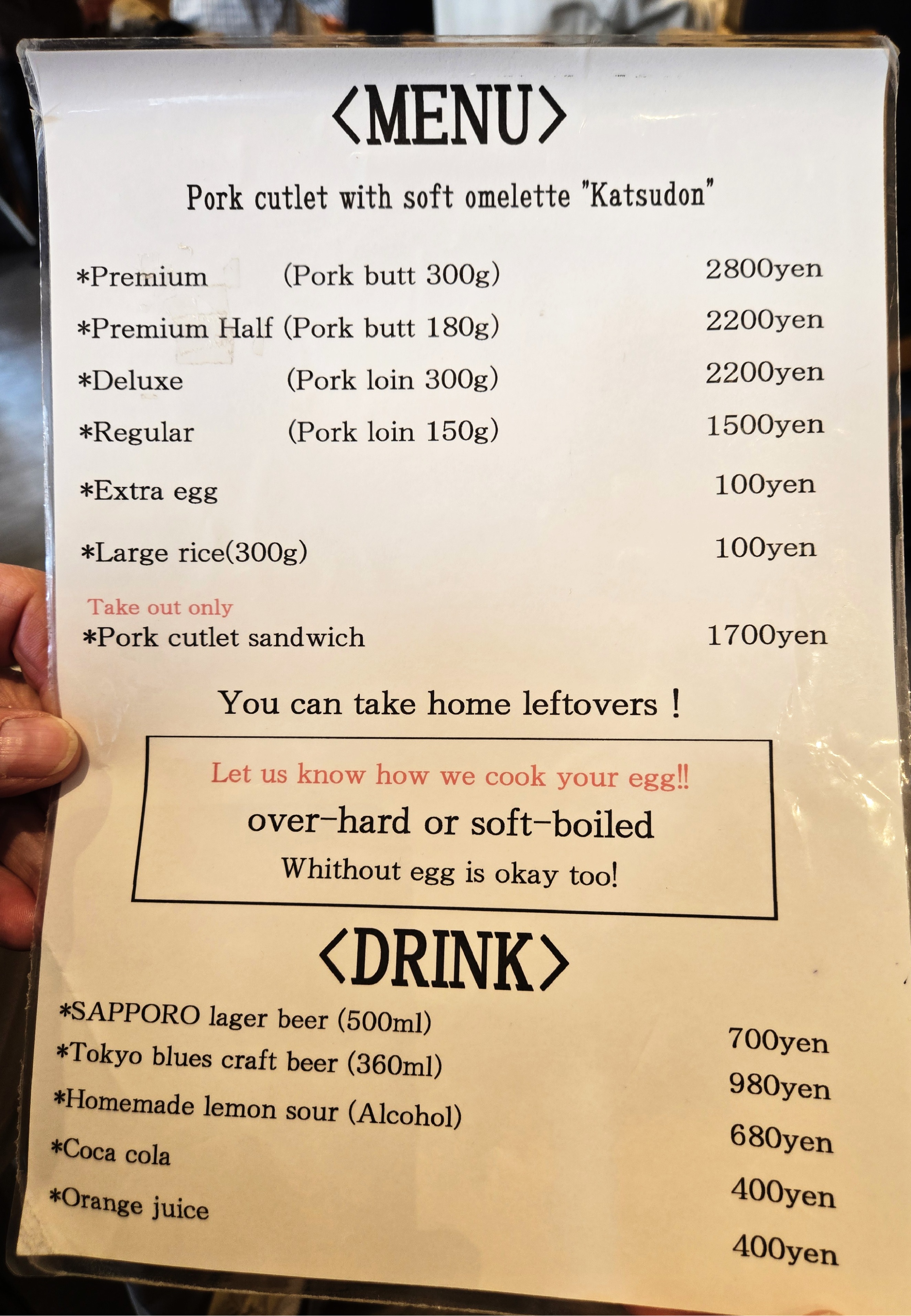
Time for our lunch break. Collette, Betsy and I elected to try the katsu pork with egg and rice. Very nice.
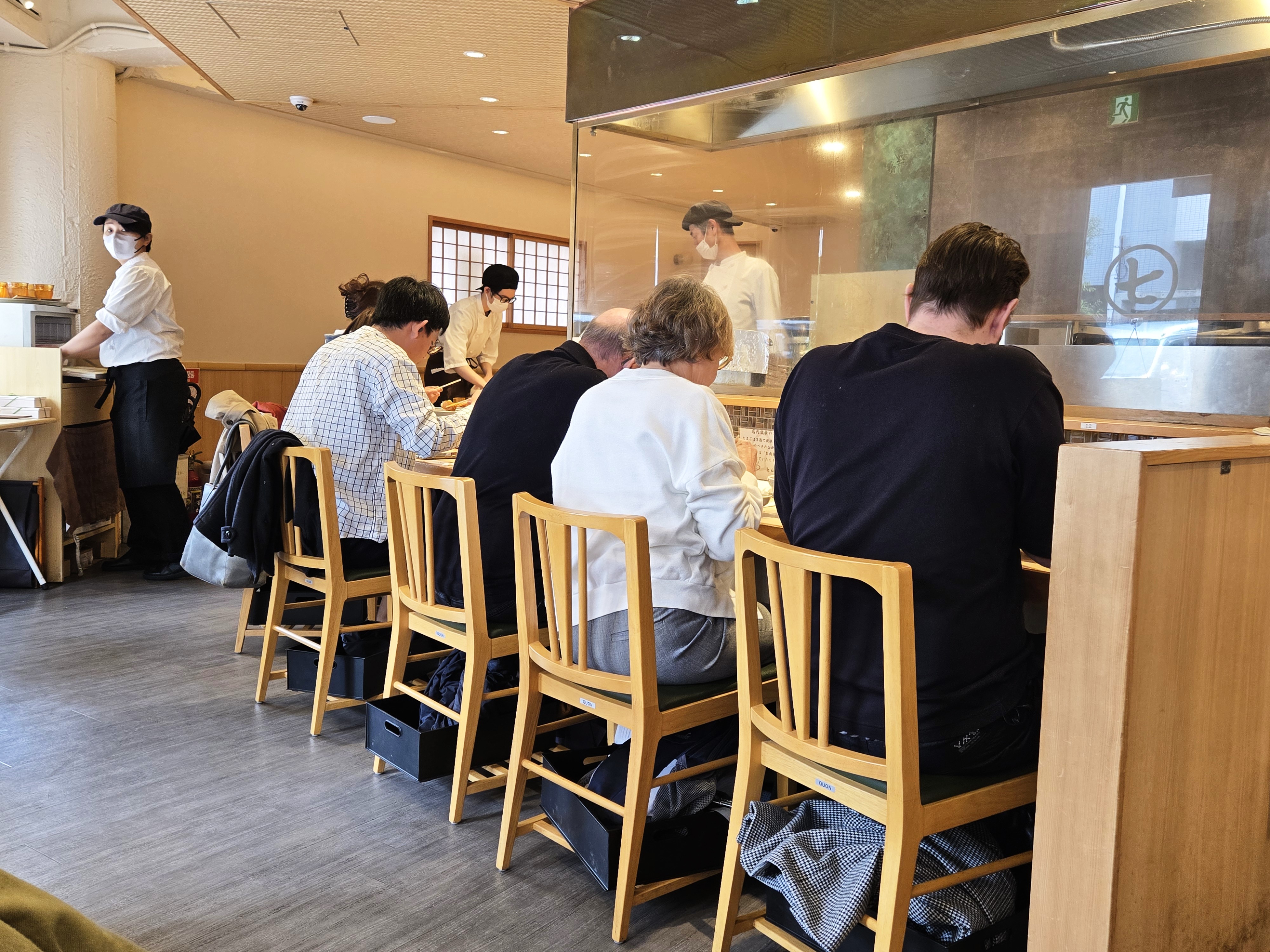
Cozy dining in
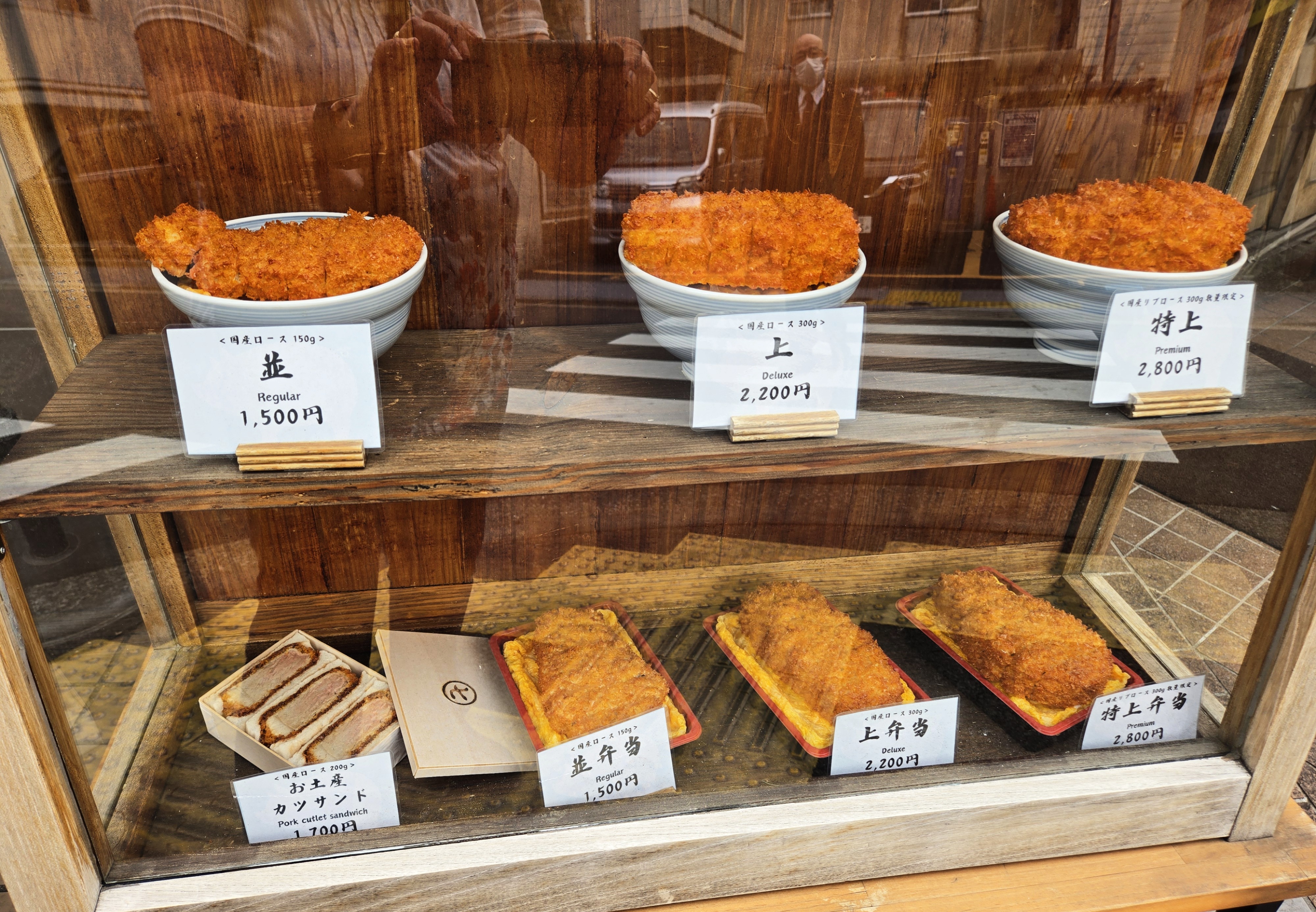
Plastic models of what the food looks like…sort of
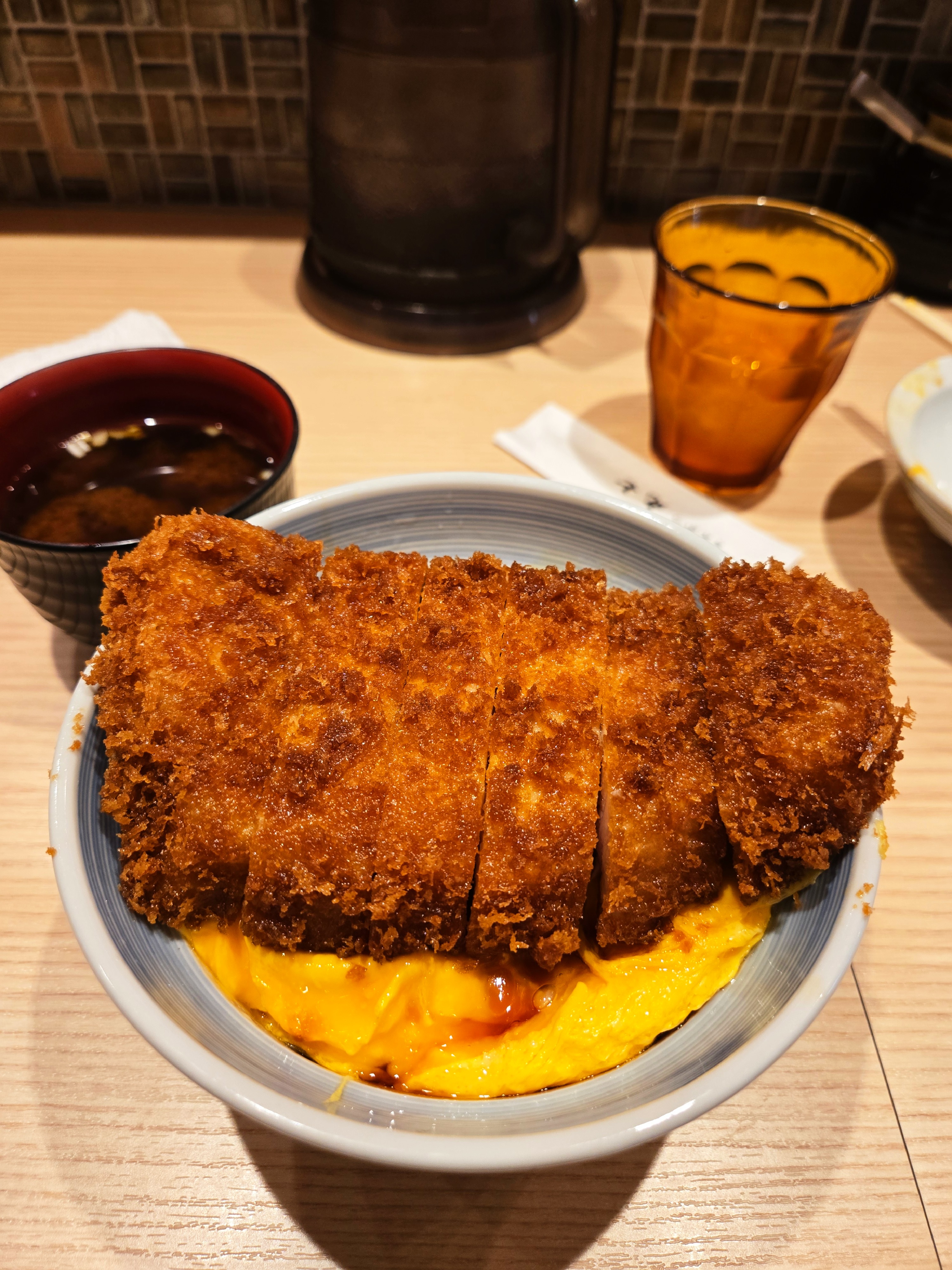
Pork katsu with soft fried egg & rice
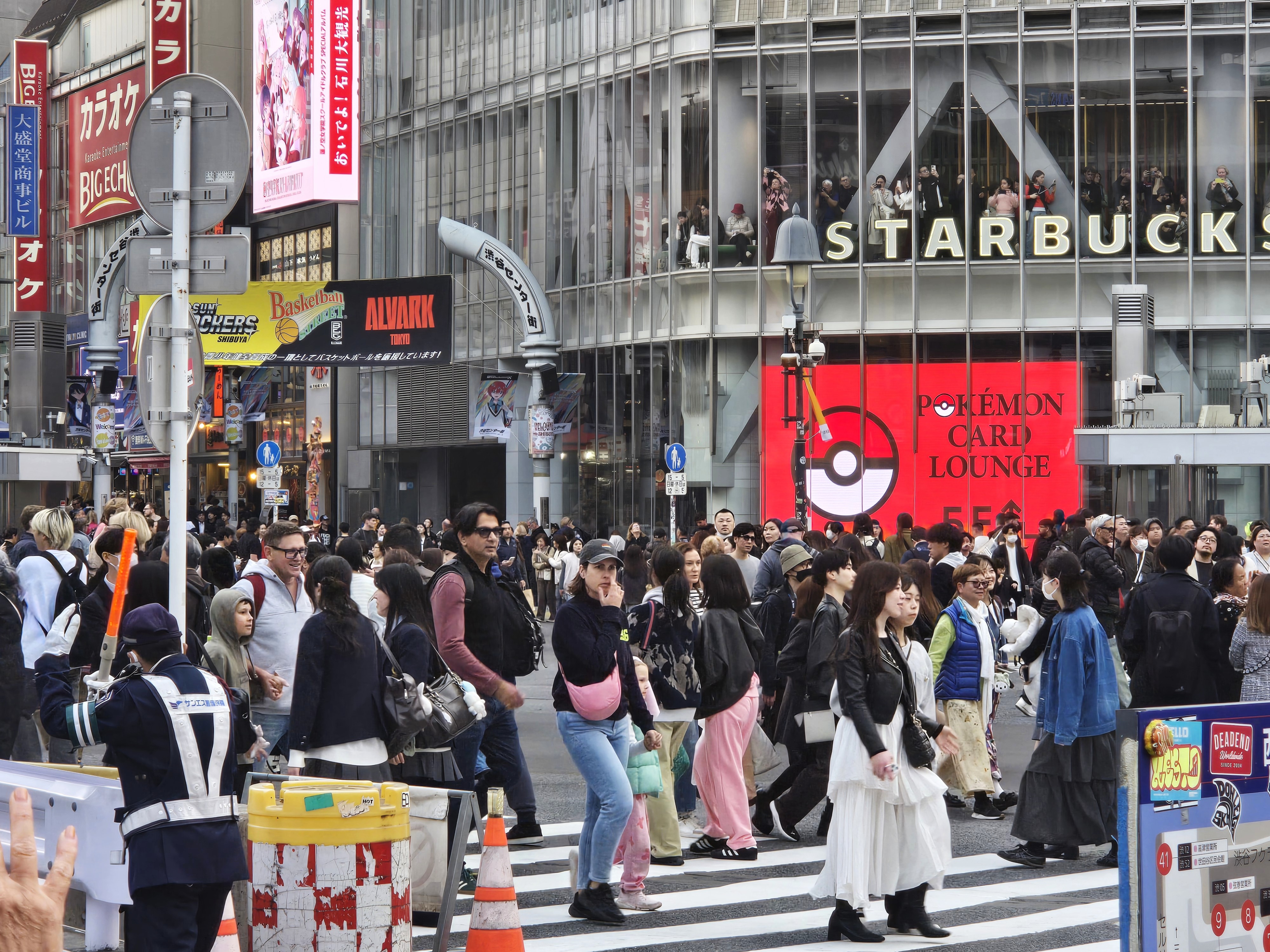
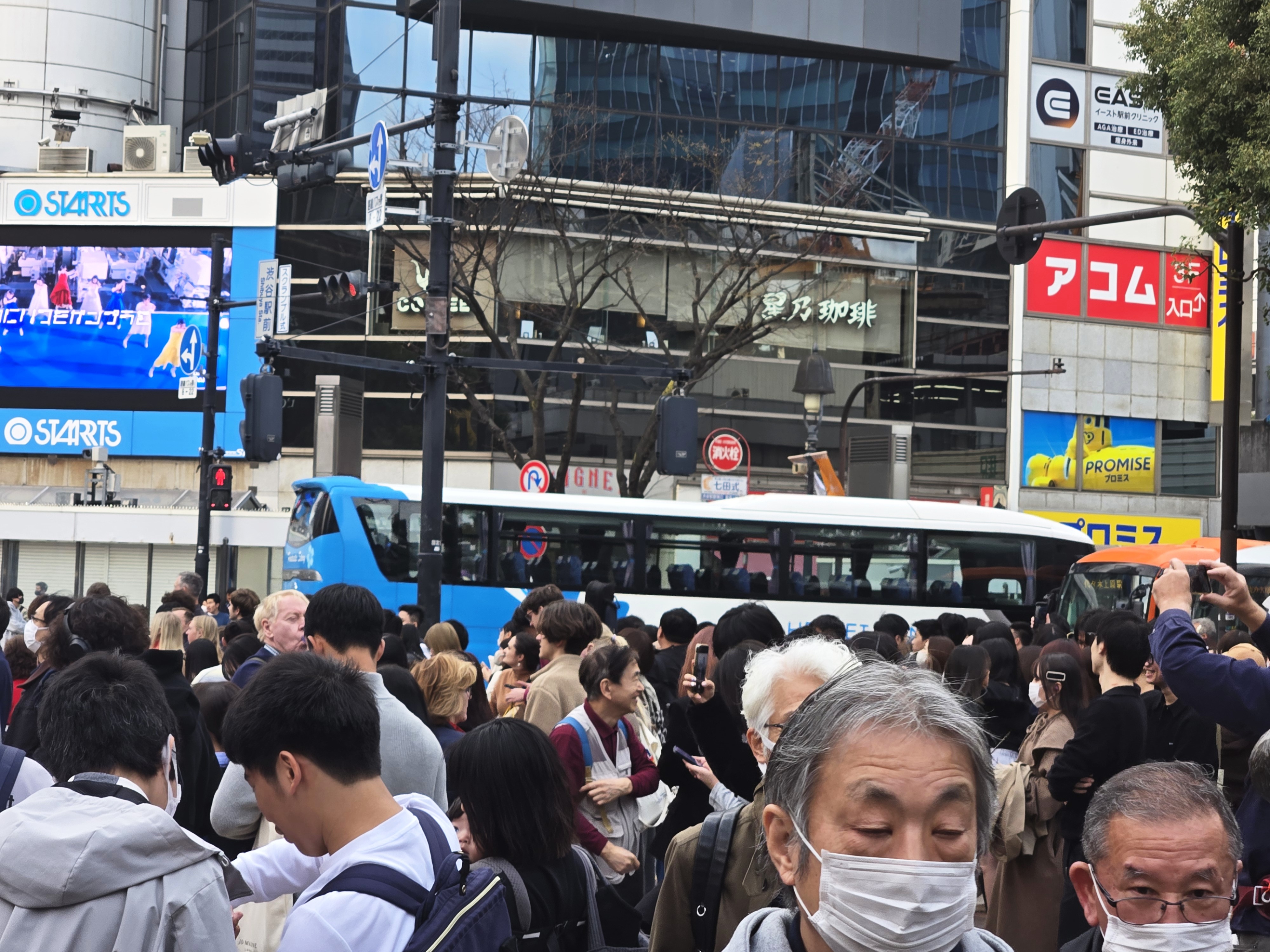
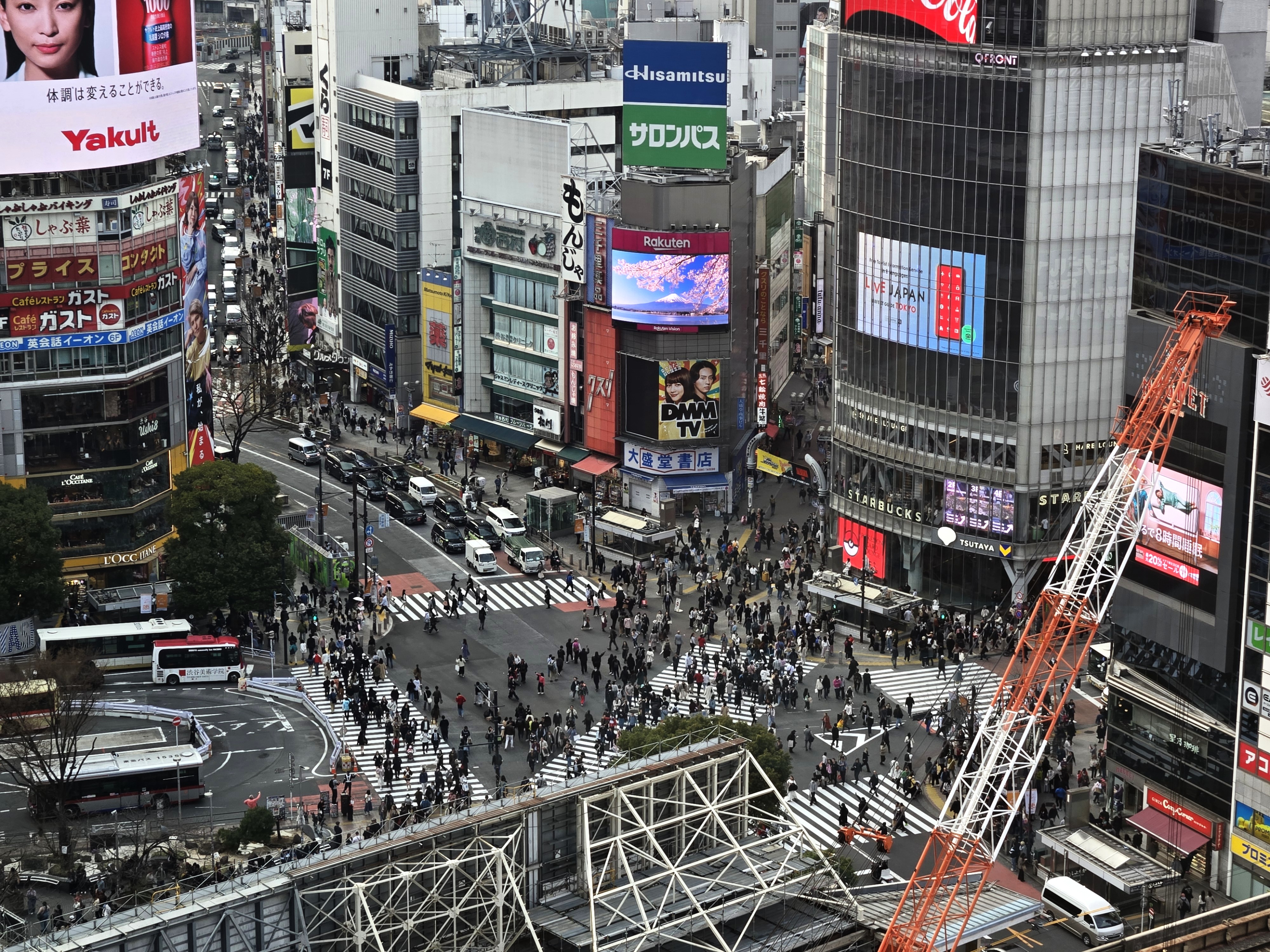
 And for a little relaxing break, we visited Shibuya, home of the busiest intersection in the world! At slow time, when we were there, there is around 1,000 people crossing the street every 80 seconds. During peak rush hour, over 3,000 people cross this street every 80 seconds!!! Crazy!
That’s all for today. Tomorrow we’re off to Mt. Fuji and a private tour of the area.